AMR Goods-to-Person
AMR goods-to-person systems use autonomous mobile robots to transport inventory from storage locations to picking stations, eliminating worker travel time and dramatically improving order fulfillment efficiency.
AMR - Goods to Person Overview
Robot Types
- •Under-Rack RobotsLift entire racks
- •Bin-Lifting RobotsIndividual bins/totes
- •Shelf-CarryingMobile shelving units
- •CollaborativeWork with humans
Storage Systems
- •Mobile RacksPortable storage
- •Grid-BasedHigh-density cubic
- •Shelving UnitsMulti-level shelves
- •Bin/Tote SystemsStandardized containers
Key Benefits
- •High Productivity300-400+ picks/hour
- •Labor Reduction50-70% fewer pickers
- •Dense Storage2-4x traditional
- •High Accuracy99.9%+ accuracy
Applications
- •E-commerceMulti-SKU orders
- •Retail OmnichannelStore fulfillment
- •Micro-FulfillmentUrban centers
- •3PL OperationsMulti-client
Workstations
- •Ergonomic DesignAdjustable height
- •Pick-to-LightVisual indicators
- •Multi-OrderBatch processing
- •Real-Time MetricsPerformance tracking
Future Trends
- •AI OptimizationPredictive analytics
- •Robotic PickingAutomated grasping
- •CollaborationHuman-robot teams
- •Micro-FulfillmentUrban expansion
How AMR Goods-to-Person Works
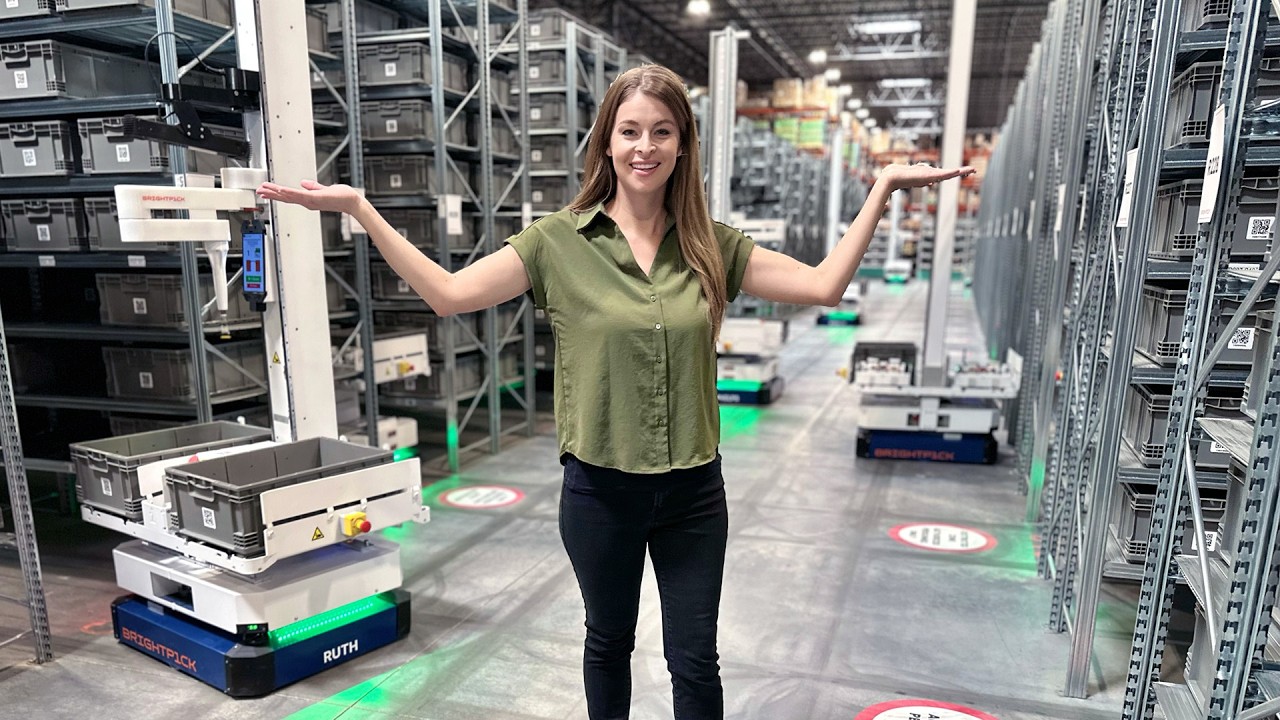
In a typical AMR goods-to-person system, inventory is stored on mobile storage units—often tall shelving racks or specialized pods that robots can slide underneath and lift. When an order requires items from a particular storage unit, the warehouse control system dispatches an available robot to retrieve that unit from its storage location. The robot navigates autonomously to the unit, positions itself underneath, lifts the unit using mechanical lifting mechanisms, and transports it to a designated picking station.
At the picking station, workers receive instructions via displays or integrated systems showing which items to pick and in what quantities. The storage unit may contain dozens or hundreds of different SKUs, with the system directing workers to the specific bins or locations containing needed items. After completing picks from that unit, the robot returns it to storage—often to a different location optimized based on item velocity or space availability—and immediately retrieves the next unit needed for pending orders.
Fleet orchestration is critical to system performance. Advanced algorithms coordinate dozens or hundreds of robots simultaneously, optimizing task assignments, managing traffic flow, preventing collisions, and balancing workload across picking stations. The system continuously analyzes order queues, inventory locations, robot positions, and station availability to maximize throughput while minimizing robot travel distance and wait times.
Key Benefits
The primary advantage of AMR goods-to-person systems is dramatic productivity improvement. By eliminating worker travel time—which typically consumes 50-70% of picking time in traditional warehouses—these systems enable workers to achieve 300-600 picks per hour compared to 60-120 picks per hour with conventional methods. Workers remain in comfortable, ergonomic positions at picking stations, reducing fatigue and improving accuracy.
Space efficiency represents another major benefit. AMR systems can utilize vertical space more effectively than traditional racking, with storage units often reaching 8-12 feet high or more. The dense storage configuration, combined with narrow aisles that only robots navigate, can increase storage capacity by 2-4x compared to conventional layouts in the same footprint.
Flexibility and scalability distinguish AMR goods-to-person from fixed automation like shuttle systems or AutoStore. Operations can start with a modest robot fleet and limited storage, then incrementally add robots, storage units, and picking stations as volume grows. The system easily adapts to changing SKU mixes, seasonal fluctuations, or new product categories without requiring physical reconfiguration or significant downtime.
Rapid deployment enables operations to achieve value quickly. While traditional automation may require 12-24 months for design, installation, and commissioning, AMR goods-to-person systems can often be operational within 3-6 months. This speed-to-value is particularly attractive for operations facing urgent capacity needs or those in leased facilities where permanent infrastructure investment is impractical.
System Components
A complete AMR goods-to-person system integrates several key elements. The mobile robots themselves feature compact designs that allow them to navigate narrow aisles and position precisely under storage units. Lifting mechanisms—typically scissor lifts or other mechanical systems—raise units several inches off the ground for transport. Robots include sophisticated navigation systems using LiDAR, cameras, or natural feature recognition to move autonomously without requiring floor markers or fixed guidance infrastructure.
Storage units vary by system but typically consist of modular shelving racks with multiple levels and compartments. Units are designed for easy robot access from below while maximizing storage density and accessibility. Some systems use standardized units, while others support custom configurations optimized for specific product characteristics.
Picking stations provide ergonomic workspaces where operators fulfill orders. Stations typically include displays showing pick instructions, barcode scanners for verification, and integrated systems like pick-to-light or put-to-light to guide workers to correct items and quantities. Advanced stations may include weighing systems, dimensioning equipment, or packing capabilities to streamline the fulfillment process.
The warehouse control system orchestrates all system activities, managing robot fleet operations, optimizing storage locations, coordinating order fulfillment, and providing real-time visibility into performance. This software integrates with warehouse management systems and other enterprise applications to ensure seamless information flow and coordinated operations.
Implementation Considerations
Successfully deploying AMR goods-to-person requires careful planning across multiple dimensions. Throughput requirements must be clearly defined, as system capacity depends on factors like robot fleet size, number of picking stations, storage unit density, and pick complexity. Operations should model expected performance under various scenarios to ensure the system meets peak demand requirements.
SKU characteristics significantly influence system design. AMR goods-to-person works best with relatively small, lightweight items that can be efficiently stored in bins or compartments. Operations handling large, heavy, or irregularly shaped items may need specialized storage units or hybrid approaches combining AMR systems with other fulfillment methods.
Order profiles affect system efficiency. Operations with many single-line orders or orders requiring items from few storage units achieve higher throughput than those with complex, multi-line orders requiring numerous unit retrievals. Understanding order characteristics helps optimize system configuration and set realistic performance expectations.
Facility requirements include adequate floor space for storage areas, picking stations, and robot navigation paths. While AMR systems are more space-efficient than traditional layouts, they still require sufficient area to accommodate storage density targets and desired throughput levels. Ceiling height, floor condition, and environmental factors also influence system design.
Best Practices
To maximize AMR goods-to-person effectiveness, consider these proven strategies. Dynamic slotting continuously optimizes storage unit locations based on item velocity, order patterns, and seasonal trends. Fast-moving items are positioned closer to picking stations, while slower movers occupy more distant locations. This intelligent placement minimizes average robot travel distance and maximizes throughput.
Batch picking strategies leverage the system's ability to present multiple orders' worth of items at once. Workers can pick items for several orders from a single storage unit presentation, improving efficiency and reducing the number of unit retrievals required. The system then uses put-to-light or other technologies to sort picked items into individual orders.
Predictive retrieval anticipates future order requirements and pre-positions storage units near picking stations before they're needed. By analyzing order patterns and queue depths, the system can reduce wait times and maintain steady workflow even during demand spikes.
Performance monitoring tracks key metrics at multiple levels—robot utilization, station productivity, order cycle time, and system throughput—to identify optimization opportunities and ensure the system delivers expected value. Continuous monitoring enables proactive maintenance and rapid response to performance issues.
Measuring Success
Key performance indicators for AMR goods-to-person systems include picks per hour per station, robot utilization rates, order cycle time, and storage density. These metrics help assess whether the system meets operational requirements and identify areas for improvement.
Return on investment typically materializes over 3-5 years through labor savings, space efficiency gains, and increased throughput capacity. The incremental investment model often produces more favorable ROI profiles than fixed automation, particularly for operations with uncertain volume trajectories or limited capital availability.
Accuracy rates should exceed 99.5%, with the combination of directed picking and verification systems virtually eliminating picking errors. Monitoring accuracy by station, worker, and SKU helps identify training needs or process improvements.
Flexibility utilization tracks how frequently the operation leverages the system's adaptability advantages—adding storage units, reconfiguring layouts, or adjusting capacity. High flexibility utilization indicates that the technology is delivering its unique value proposition beyond simple productivity gains.
By implementing AMR goods-to-person with careful attention to system design, workflow optimization, and performance monitoring, warehouses can create highly efficient, scalable fulfillment operations that adapt to changing business needs while delivering exceptional productivity and accuracy. The technology's continued evolution promises even greater capabilities and broader applicability across diverse warehouse environments.
Related Technologies (6)
Momentum WES: Next-Generation Warehouse Execution and Control
byHoneywell Intelligrated
Mobile Picking Robot (MPR): Smart Logistics Automation
byHyundai
HaiPick Climb System: Goods-to-Person Warehouse Automation
by Hai Robotics
MIX: All-round Goods-to-Person Picking Solution
byMushiny
Brightpick Retriever: Goods-to-Person Robots for Order Picking and Replenishment
byBrightpick
Geek+ RS5-D: Tote-to-Person AMR for Ultra 3D Storage
byGeek+
Related Transport Topics
AGV Forklift
AGV forklifts are automated guided vehicles that replicate traditional forklift operations without human operators, performing vertical pallet handling with lifting, transporting, and stacking capabilities up to 35 feet high.
AGV Tugger
AGV tuggers are automated guided vehicles that tow trains of carts or trailers through warehouses and manufacturing facilities, efficiently moving large volumes of materials along fixed routes.
AGV Unit Load
AGV unit load vehicles are automated guided vehicles designed to transport individual pallets, containers, or large items along fixed routes, providing reliable, predictable material movement in warehouses and manufacturing facilities.
Collaborative AMR
Collaborative AMRs work safely alongside human workers without safety cages, using advanced sensors and AI to navigate dynamic warehouse environments and assist with material transport tasks.
AMR Sortation
AMR sortation systems use autonomous mobile robots to transport and sort items, providing flexible, scalable alternatives to traditional conveyor-based sortation infrastructure.
About This Topic
Related Projects(6)
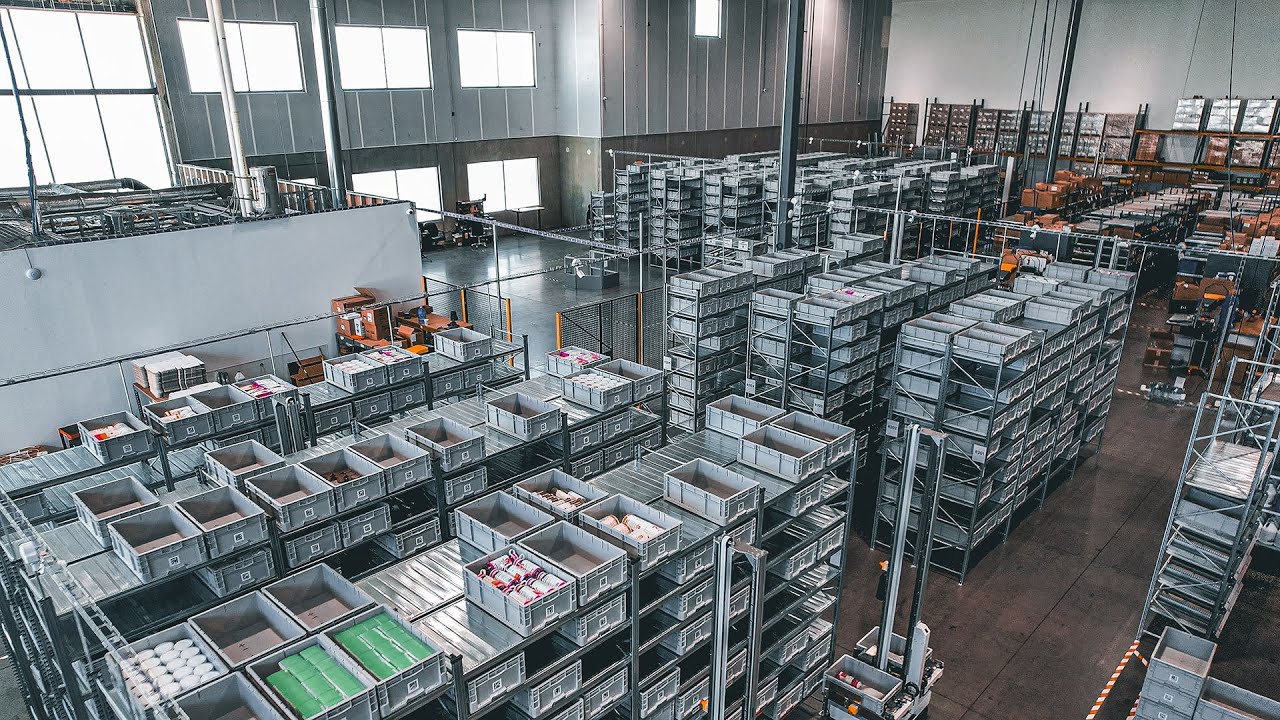
Netrush Kentucky E-commerce Fulfillment Warehouse
Brightpick
Bastian Solutions Corporate Profile: Toyota Advanced Logistics
Bastian Solutions

X-step Smart Warehouse
Geek+
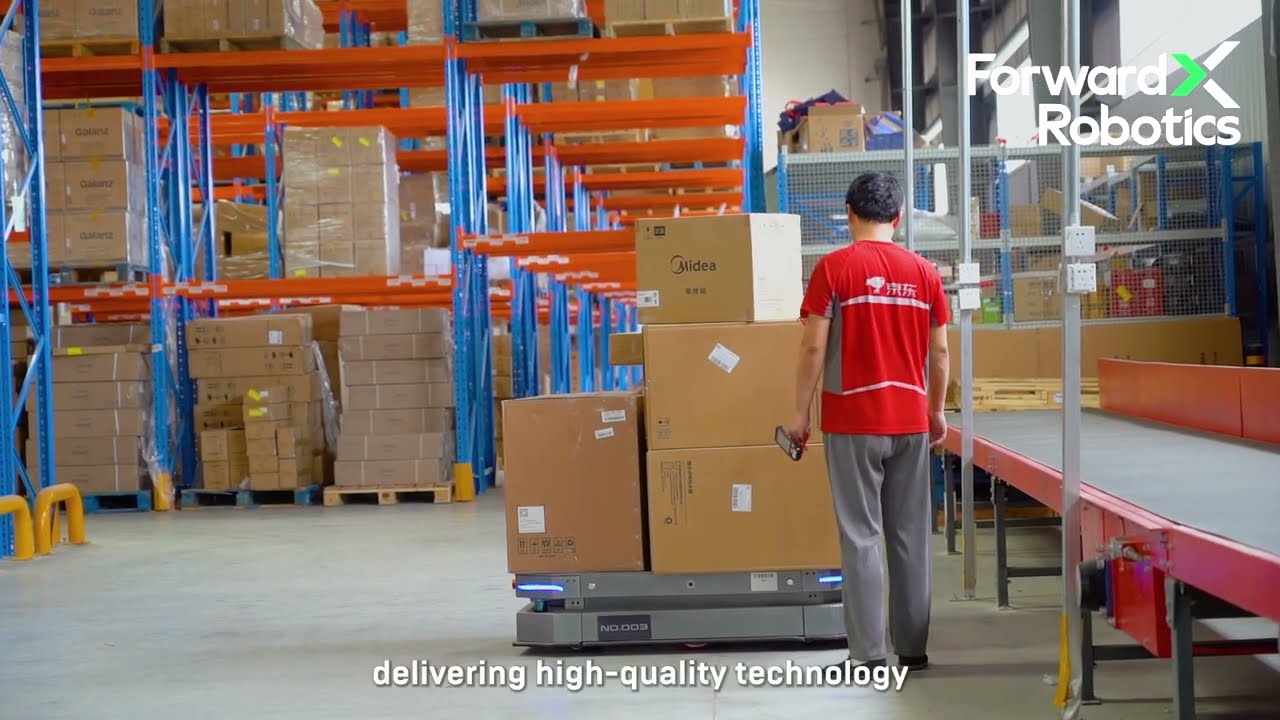
JD.com - Flexible Case Picking Automation with ForwardX Robotics AMRs
ForwardX Robotics
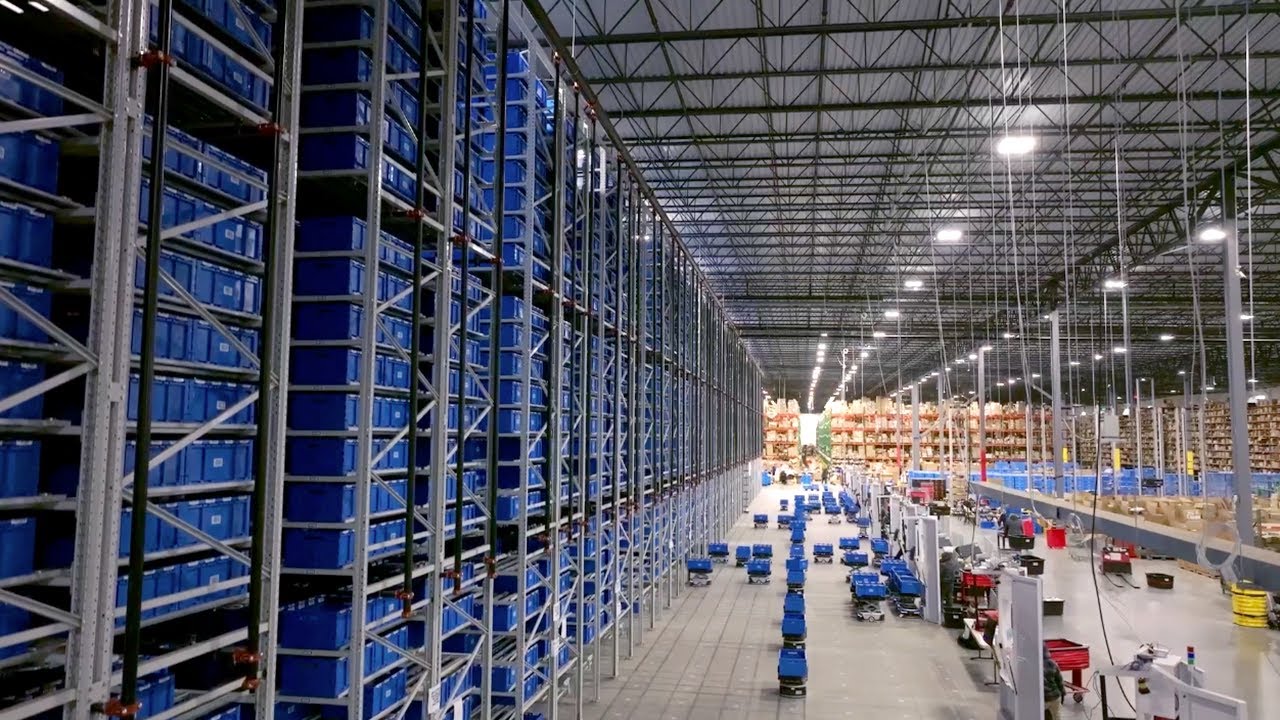
International 3PL E-commerce Warehouse with RoboShuttle
Geek+
The Feed Sports Nutrition Automated Fulfillment Center with Brightpick
Brightpick
Related Suppliers(3)

6 River Systems
The Seamless Fulfillment Automation Solution to Boost Efficiency and Productivity in Your Warehouse

Addverb
Warehouse Automation that delivers value!

Ancra Systems
Efficient Loading