Collaborative AMR
Collaborative AMRs work safely alongside human workers without safety cages, using advanced sensors and AI to navigate dynamic warehouse environments and assist with material transport tasks.
AMR - Collaborative Overview
Collaboration Types
- •Follow-Me RobotsHuman-led picking
- •Zone PickingShared workspaces
- •Batch AssistanceMulti-order support
- •Flexible DeploymentAdaptive workflows
Safety Features
- •Collision AvoidanceLiDAR sensors
- •Human DetectionComputer vision
- •Emergency StopImmediate response
- •Speed ControlProximity-based
Key Benefits
- •Flexible ImplementationGradual automation
- •Lower InvestmentReduced infrastructure
- •Human ExpertiseDecision making
- •Easy ScalingAdd robots gradually
Applications
- •E-commerceOrder picking
- •ManufacturingParts delivery
- •HealthcareSupply transport
- •RetailStore replenishment
Technology
- •SLAM NavigationReal-time mapping
- •Voice CommandsHands-free control
- •Mobile InterfaceTablet/smartphone
- •Fleet ManagementCentralized control
Future Trends
- •AI LearningBehavior adaptation
- •Gesture ControlNatural interaction
- •Swarm IntelligenceMulti-robot coordination
- •AR IntegrationEnhanced guidance
How Collaborative AMRs Work
Collaborative AMRs employ sophisticated perception systems combining multiple sensor technologies—typically LiDAR, 3D cameras, ultrasonic sensors, and safety scanners—to create a comprehensive understanding of their surroundings. These sensors continuously monitor a 360-degree field around the robot, detecting people, equipment, and obstacles at various distances and heights. When the system identifies a potential collision risk, it automatically adjusts speed, changes course, or stops completely, ensuring safe operation in crowded, dynamic environments.
Navigation algorithms enable collaborative AMRs to operate without fixed infrastructure like magnetic tape, wires, or reflective markers. Using natural feature navigation or SLAM (Simultaneous Localization and Mapping) technology, robots build and maintain maps of their environment while determining their position within those maps. This flexibility allows them to adapt to layout changes, temporary obstacles, and varying traffic patterns without requiring reprogramming or infrastructure modifications.
The fleet management system coordinates multiple robots, optimizing task assignments, managing traffic flow, and preventing conflicts. When a robot encounters congestion or an unexpected obstacle, the system can dynamically reroute it or reassign tasks to other available units. This intelligent orchestration ensures that the robot fleet operates efficiently while maintaining safety and minimizing disruption to human workers.
Key Benefits
The primary advantage of collaborative AMRs is their ability to enhance worker productivity without disrupting existing workflows. Rather than requiring workers to adapt to rigid automation systems, collaborative AMRs integrate seamlessly into human-centric operations, handling repetitive transport tasks while workers focus on value-added activities like picking, packing, and quality control. This symbiotic relationship often delivers better results than either humans or robots working alone.
Safety is built into every aspect of collaborative AMR design. Multiple redundant sensors, certified safety systems, and conservative operating parameters ensure that robots can work in close proximity to people without creating hazards. Most systems comply with international safety standards like ISO 3691-4 for industrial trucks and ANSI/RIA R15.08 for mobile robots, providing assurance that they meet rigorous safety requirements.
Flexibility and scalability distinguish collaborative AMRs from traditional automation. Operations can start with a small fleet and add robots incrementally as needs grow, without requiring major facility modifications or workflow redesigns. If business conditions change, robots can be redeployed to different tasks or locations, providing adaptability that fixed automation cannot match.
The technology also delivers rapid deployment compared to conventional material handling systems. While conveyor installations or AGV systems may require months of planning, infrastructure work, and commissioning, collaborative AMR fleets can often be operational within weeks. This speed-to-value is particularly attractive for operations facing urgent capacity needs or those operating in leased facilities where permanent infrastructure investment is impractical.
Common Applications
Collaborative AMRs excel in several warehouse applications. Cart transport operations use robots to move picking carts, totes, or bins between workstations, eliminating the time workers spend walking between locations. The robot follows the worker during picking, then autonomously transports completed carts to packing or staging areas while the worker begins the next pick.
Replenishment tasks benefit from collaborative AMRs that transport inventory from bulk storage to pick faces, ensuring that high-velocity locations remain stocked without requiring workers to leave their zones. The robots can queue replenishment requests, prioritize based on urgency, and execute deliveries autonomously while workers continue picking.
Cross-docking operations leverage collaborative AMRs to move goods from receiving to shipping without intermediate storage, reducing handling time and labor requirements. Robots can transport pallets, carts, or individual items based on real-time shipping schedules and dock assignments.
Line-side delivery in manufacturing or kitting operations uses collaborative AMRs to deliver components, tools, or materials to assembly stations on demand. This just-in-time approach reduces inventory at workstations while ensuring that workers always have needed materials available.
Implementation Considerations
Successfully deploying collaborative AMRs requires careful planning and design. Workflow integration is critical—robots should complement existing processes rather than forcing workers to adapt to robot-centric workflows. Operations should identify specific transport tasks that robots can handle effectively while allowing workers to focus on activities requiring human judgment and dexterity.
Facility assessment helps identify potential challenges like narrow aisles, congested areas, or environmental conditions that might affect robot performance. While collaborative AMRs are designed for dynamic environments, understanding facility characteristics enables better system configuration and realistic performance expectations.
Change management ensures that workers understand how robots will support their work and address any concerns about job security or safety. Successful implementations typically involve workers in the planning process, provide thorough training, and demonstrate how robots make jobs easier rather than threatening employment.
Performance monitoring tracks key metrics like robot utilization, task completion rates, and worker productivity to validate that the system delivers expected benefits. Early monitoring helps identify optimization opportunities and ensures that the deployment meets business objectives.
Best Practices
To maximize collaborative AMR effectiveness, consider these proven strategies. Task prioritization ensures that robots handle the most valuable transport activities first, typically those involving long distances, heavy loads, or high frequency. Not every transport task justifies automation—focus on activities where robots deliver clear productivity or ergonomic benefits.
Traffic management optimizes robot routes and timing to minimize congestion in high-traffic areas. The fleet management system should consider worker patterns, peak activity periods, and facility layout to ensure smooth flow for both robots and people.
Continuous optimization uses performance data and worker feedback to refine robot behavior, task assignments, and operating parameters. Machine learning capabilities in advanced systems can automatically improve performance over time, adapting to changing conditions and usage patterns.
Maintenance planning establishes regular inspection and servicing schedules to maintain robot reliability. While collaborative AMRs are generally low-maintenance, proactive care prevents unexpected downtime and extends equipment lifespan.
Technology Evolution
The collaborative AMR market continues to evolve rapidly, with several emerging trends shaping future capabilities. Enhanced manipulation adds robotic arms or grippers to mobile platforms, enabling robots to pick items from shelves, load carts, or perform other tasks beyond simple transport. These hybrid systems blur the line between mobile robots and stationary automation.
Improved AI and perception enables robots to better understand complex environments, predict human behavior, and make more sophisticated navigation decisions. Advanced systems can recognize specific objects, read signs, and even understand gestures or voice commands from workers.
Swarm intelligence allows multiple robots to coordinate more effectively, sharing information about obstacles, traffic conditions, and task opportunities. This collective behavior can improve overall fleet efficiency and resilience.
5G connectivity promises to enhance robot capabilities through faster communication, lower latency, and support for more sophisticated cloud-based processing. This connectivity enables more complex coordination and real-time optimization across large robot fleets.
Measuring Success
Key performance indicators for collaborative AMR deployments include worker productivity improvement, robot utilization rates, transport task completion time, and safety incident rates. These metrics help assess whether robots are delivering expected value and identify areas for optimization.
Return on investment typically materializes over 2-4 years through labor savings, productivity improvements, and reduced worker fatigue. The incremental investment model and rapid deployment often produce more favorable ROI profiles than traditional automation, particularly for operations with uncertain volume trajectories.
Worker satisfaction often improves with collaborative AMR implementation, as robots eliminate tedious walking and heavy lifting while allowing workers to focus on more engaging tasks. Monitoring worker feedback helps ensure that the technology enhances rather than complicates their jobs.
By implementing collaborative AMRs with careful attention to workflow integration, safety, and worker engagement, warehouses can create more efficient, ergonomic operations that leverage the complementary strengths of human workers and robotic automation. The technology's continued evolution promises even greater capabilities and broader applicability across diverse warehouse environments.
Related Technologies (6)
Collaborative Autonomous Mobile Robots for Picking
byLocus Robotics
Autopicker: AI-Powered Mobile Picking Robot
byBrightpick
Mobile Sort Stations: Smart Kiosks with Put-to-Light and Collaborative Robots
by 6 River Systems
Cobot-AMR Integration: FANUC Cobot & Milvus AMR for Flexible Automation
byOthers
Mobile Collaborative Robot (AMR + Cobot): Enhanced Autonomy for Material Handling
byOthers
TM AI Cobot with AMR: Automated Multi-Station Goods Collection
byOthers
Related Transport Topics
AGV Forklift
AGV forklifts are automated guided vehicles that replicate traditional forklift operations without human operators, performing vertical pallet handling with lifting, transporting, and stacking capabilities up to 35 feet high.
AGV Tugger
AGV tuggers are automated guided vehicles that tow trains of carts or trailers through warehouses and manufacturing facilities, efficiently moving large volumes of materials along fixed routes.
AGV Unit Load
AGV unit load vehicles are automated guided vehicles designed to transport individual pallets, containers, or large items along fixed routes, providing reliable, predictable material movement in warehouses and manufacturing facilities.
AMR Goods-to-Person
AMR goods-to-person systems use autonomous mobile robots to transport inventory from storage locations to picking stations, eliminating worker travel time and dramatically improving order fulfillment efficiency.
AMR Sortation
AMR sortation systems use autonomous mobile robots to transport and sort items, providing flexible, scalable alternatives to traditional conveyor-based sortation infrastructure.
About This Topic
Related Projects(6)
Bastian Solutions Corporate Profile: Toyota Advanced Logistics
Bastian Solutions
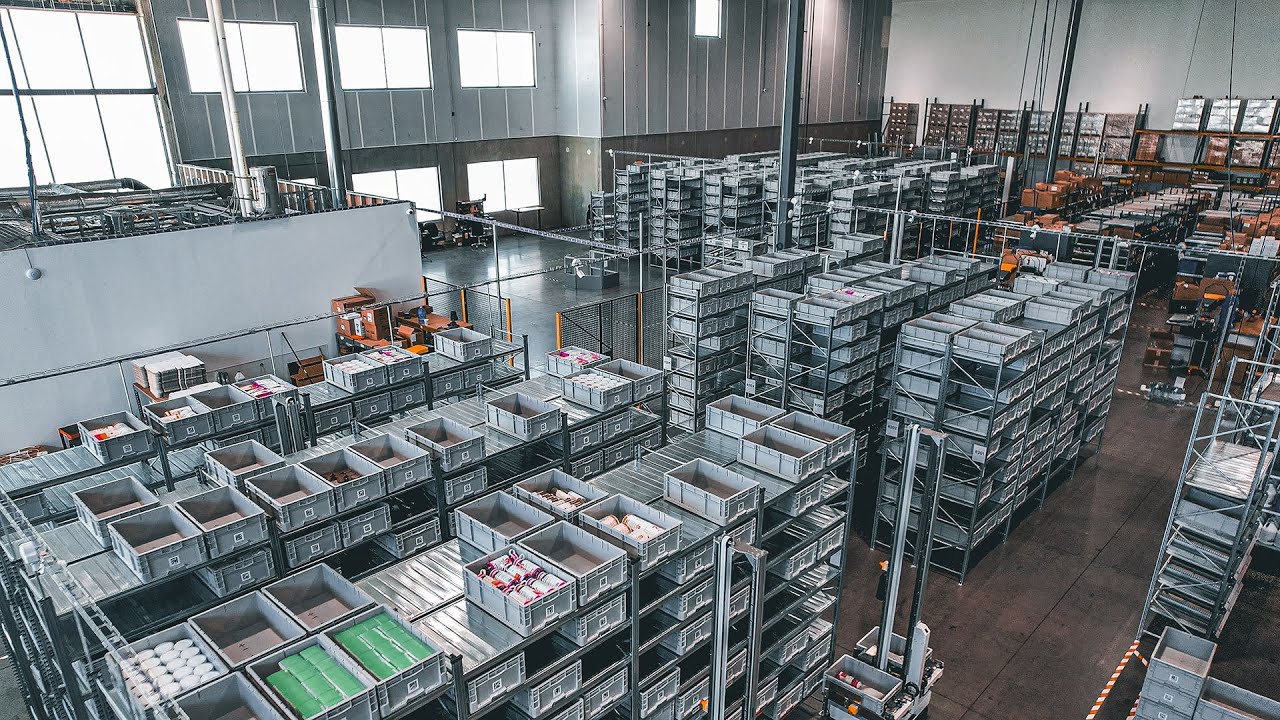
Netrush Kentucky E-commerce Fulfillment Warehouse
Brightpick

X-step Smart Warehouse
Geek+
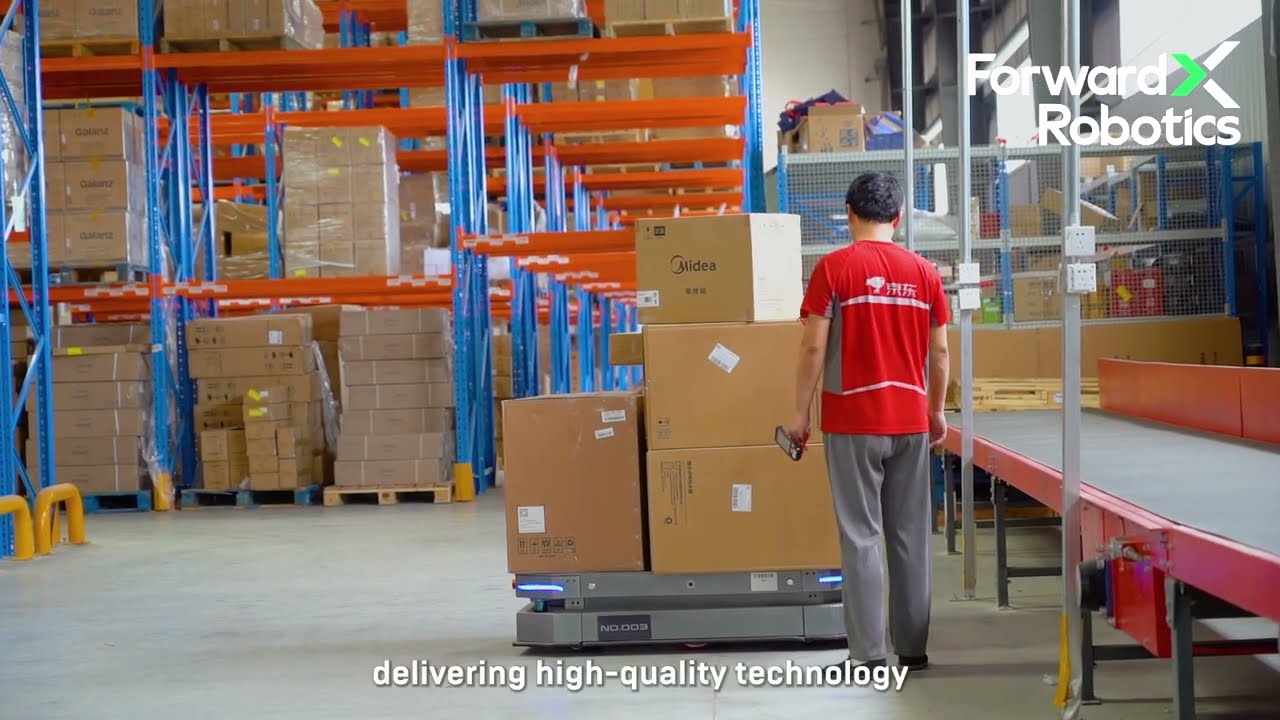
JD.com - Flexible Case Picking Automation with ForwardX Robotics AMRs
ForwardX Robotics
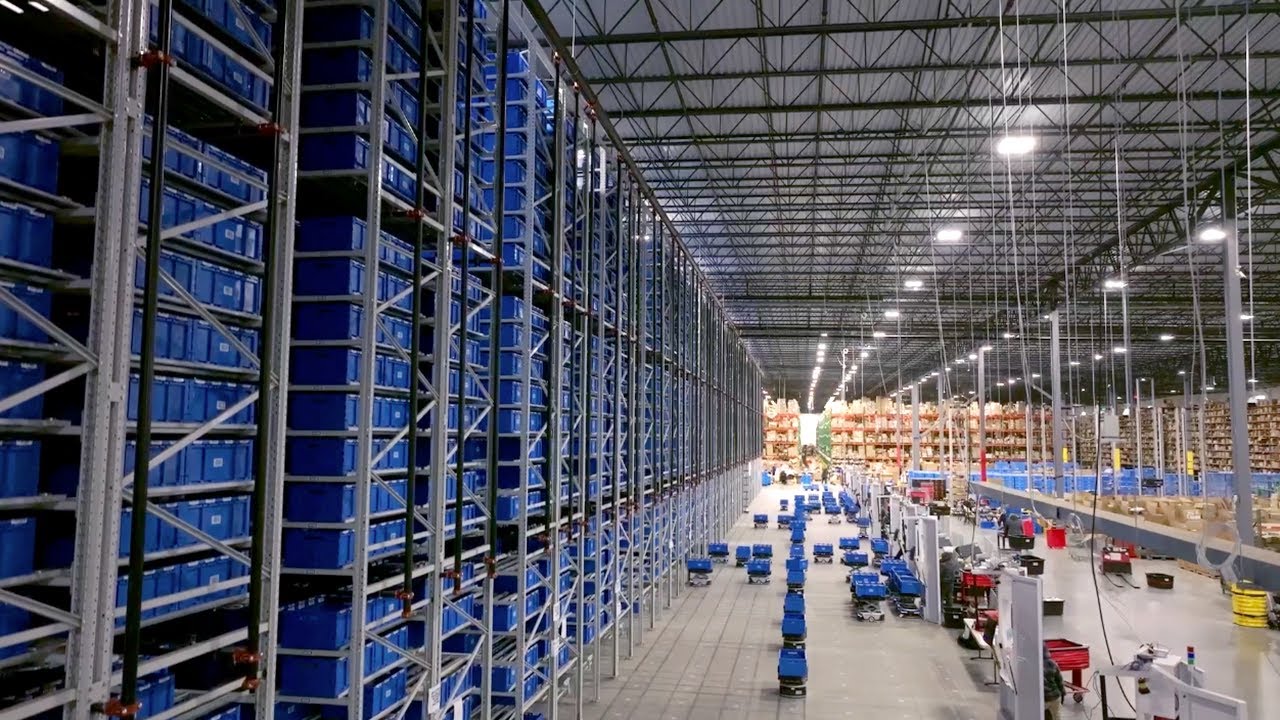
International 3PL E-commerce Warehouse with RoboShuttle
Geek+
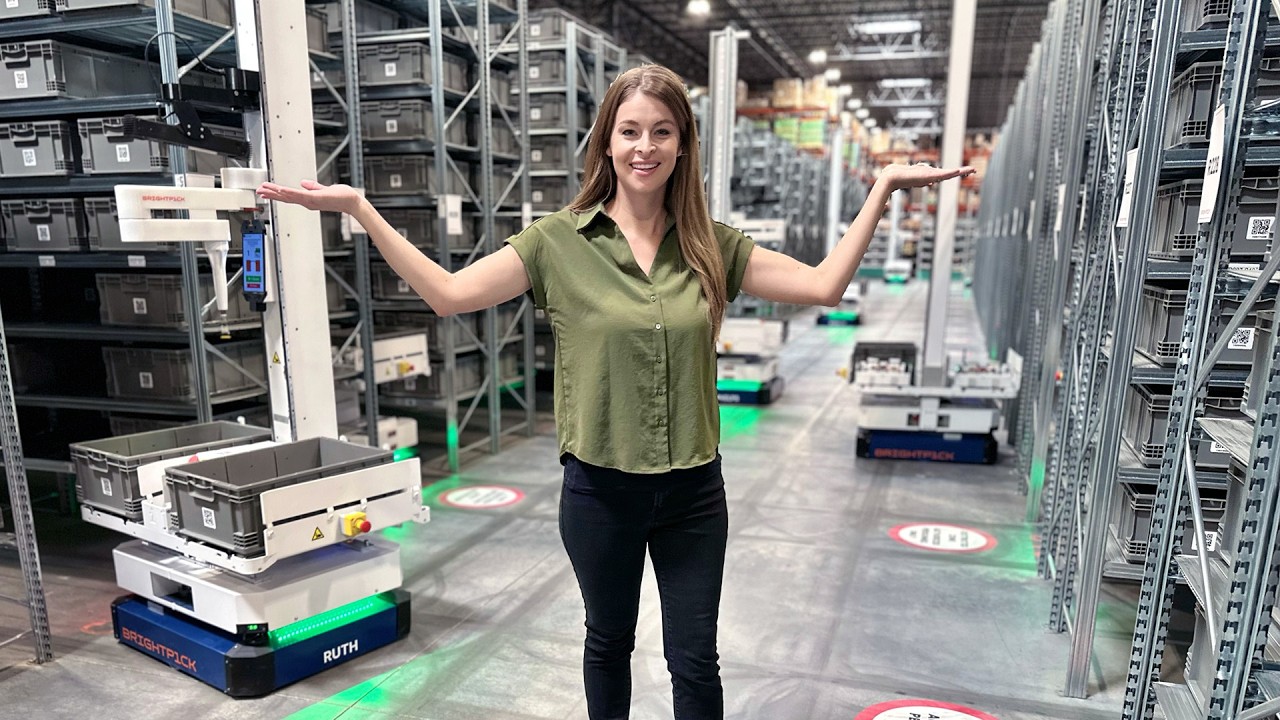
The Feed Sports Nutrition Automated Fulfillment Center with Brightpick
Brightpick
Related Suppliers(3)

6 River Systems
The Seamless Fulfillment Automation Solution to Boost Efficiency and Productivity in Your Warehouse

Addverb
Warehouse Automation that delivers value!

Ancra Systems
Efficient Loading