Brightpick Retriever: Goods-to-Person Robots for Order Picking and Replenishment
Quick Facts
Technology Performance Metrics
⭐Key Features
Benefits
Applications
Detailed Information
Technology Overview
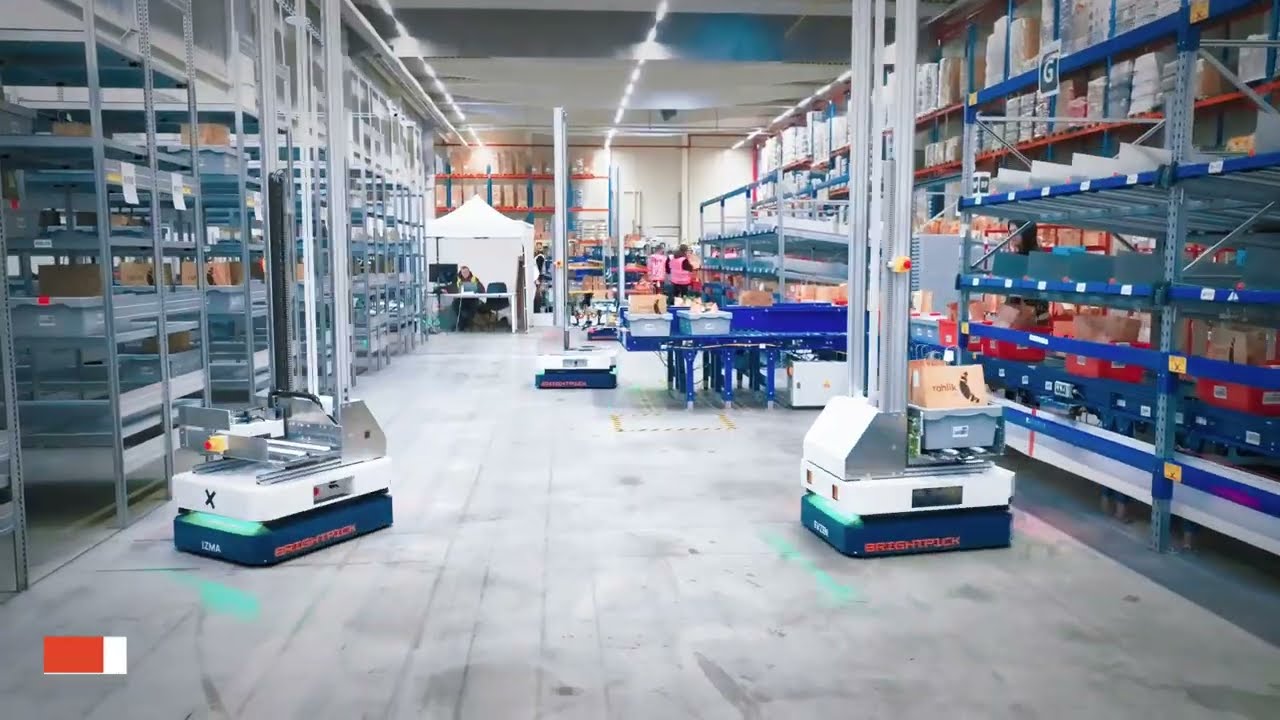
The Brightpick Retriever system is a focused Goods-to-Person (G2P) robotic automation solution designed to streamline two core warehouse functions: order picking and inventory replenishment. It represents a practical application of autonomous mobile robots (AMRs) to eliminate non-productive walking time in fulfillment centers. The system is built around a fleet of "Retriever" robots that act as automated fetch agents, navigating storage areas to collect totes containing ordered items and delivering them directly to stationary human operators. Beyond just picking, the system's intelligence extends to back-end processes, automating the restocking of inventory (replenishment) and continuously optimizing where items are stored (dynamic slotting) based on turnover. This makes it a holistic tool for improving operational efficiency from goods receipt to order dispatch.
How It Works
Core Principles
The core principle is Robotic Mediation Between Storage and Picker. The system decouples the picker from the storage location. Robots assume all travel and retrieval tasks, transforming pickers into stationary, high-efficiency operators at dedicated workstations. A secondary principle is Continuous Inventory Optimization, where the system not only retrieves for orders but also manages put-away and repositioning of inventory to maintain picking efficiency.
Key Features & Capabilities
Automated Tote Retrieval and Delivery is the primary function. The Retriever robots are engineered for reliable, swift interaction with standard storage media, ensuring a constant flow of work to the picking stations.
Integrated Replenishment Automation is a key differentiator. The same robot fleet that services order picking is also used to put away new stock, creating a unified material flow and ensuring that the picking operation is never starved of inventory.
Dynamic Slotting Optimization is an intelligent software feature. The system analyzes pick frequency and patterns, automatically repositioning slower-moving items to less accessible locations and promoting fast-movers to prime spots, thereby reducing robot travel time over the long term.
Ergonomic Picking Station Design focuses on human factors. The stations are engineered to present totes at an optimal height and angle, minimizing physical strain on operators and enabling sustained high accuracy and pick rates.
Advantages & Benefits
The most direct benefit is Significant Gains in Picking Productivity. By eliminating travel, pickers can focus solely on the act of picking, often leading to a doubling or tripling of picks per hour compared to traditional methods.
It reduces Labor Costs and Improves Ergonomics. Automating the strenuous tasks of walking and lifting heavy totes reduces physical demand and potential for injury. It can also mitigate challenges associated with labor shortages and high turnover in manual picking roles.
The system enhances Inventory Accuracy and Warehouse Responsiveness. Automated, system-directed replenishment and slotting minimize human error in put-away. Dynamic slotting ensures the warehouse layout is always tuned to current demand, improving overall responsiveness.
It offers a Unified and Efficient Material Flow. By using a single fleet for both picking and replenishment, the system simplifies operations, reduces the need for separate equipment and processes, and maximizes the utility of the robotic asset.
Implementation Considerations
Warehouse Management System (WMS) Integration is critical. The Retriever system must receive accurate, real-time order and inventory data from the WMS to function correctly. The depth of this integration can impact system performance.
Storage Media and Layout Compatibility must be assessed. The robots need to interface reliably with the existing or planned shelving/racking and tote types. Some modifications or standardization may be necessary.
Change Management for Staff is important. Transitioning to a goods-to-person model changes the daily work of picking associates. Effective training and communication are essential to ensure staff adapt to and optimize the new, technology-assisted workflow.
Conclusion
The Brightpick Retriever system is a well-rounded and practical G2P automation solution suitable for a wide range of fulfillment and distribution centers, as evidenced by its deployment in large-scale e-commerce operations. It is particularly valuable for businesses looking to make a tangible impact on picking efficiency, labor management, and inventory operations without embarking on a complete warehouse overhaul. Its integration of picking and replenishment into one system is a thoughtful design that addresses the complete order fulfillment cycle. Success depends on careful planning regarding system integration, layout design, and workforce adaptation. For companies seeking to boost productivity and modernize their picking operations with a proven robotic approach, the Brightpick Retriever presents a compelling and comprehensive option.
Related Projects
Knuspr Germany Micro Fulfillment Center
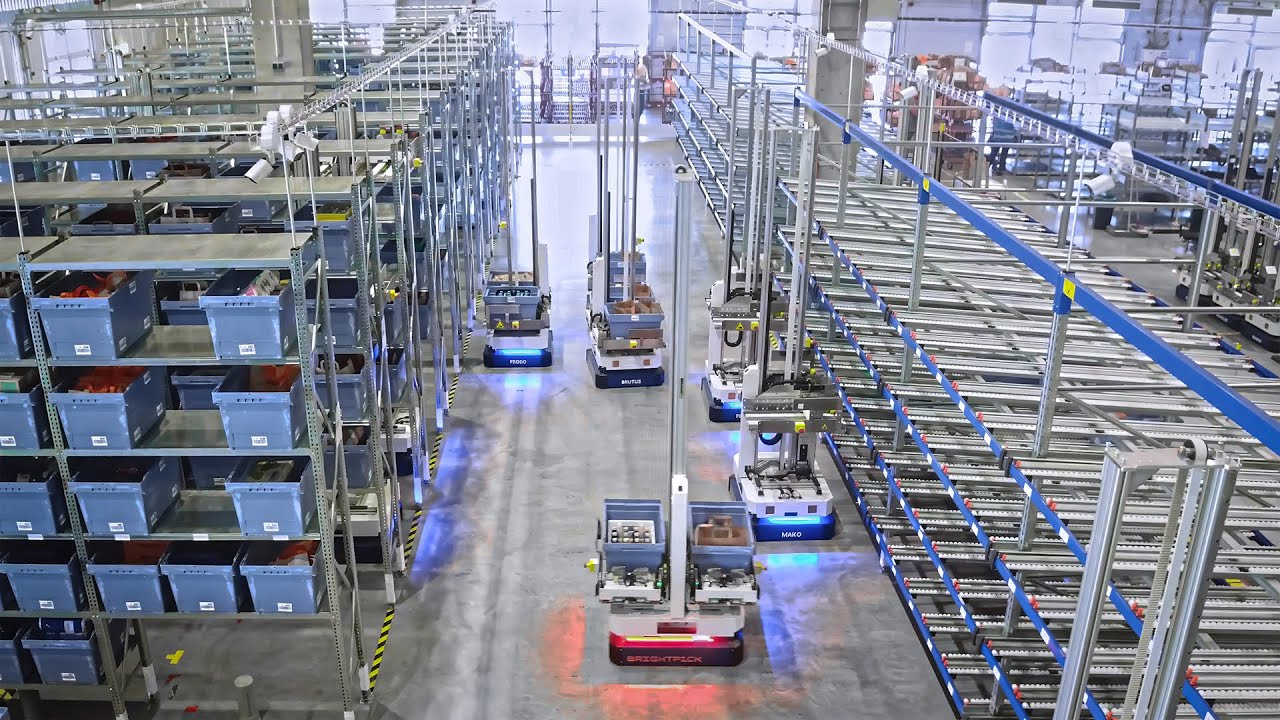
A leading German e-grocer automated post-pick order buffering, staging, consolidation, and dispatch using Brightpick Dispatcher robots in its micro-fulfillment center to drive down costs and enable 3-hour delivery.
Netrush Kentucky E-commerce Fulfillment Warehouse
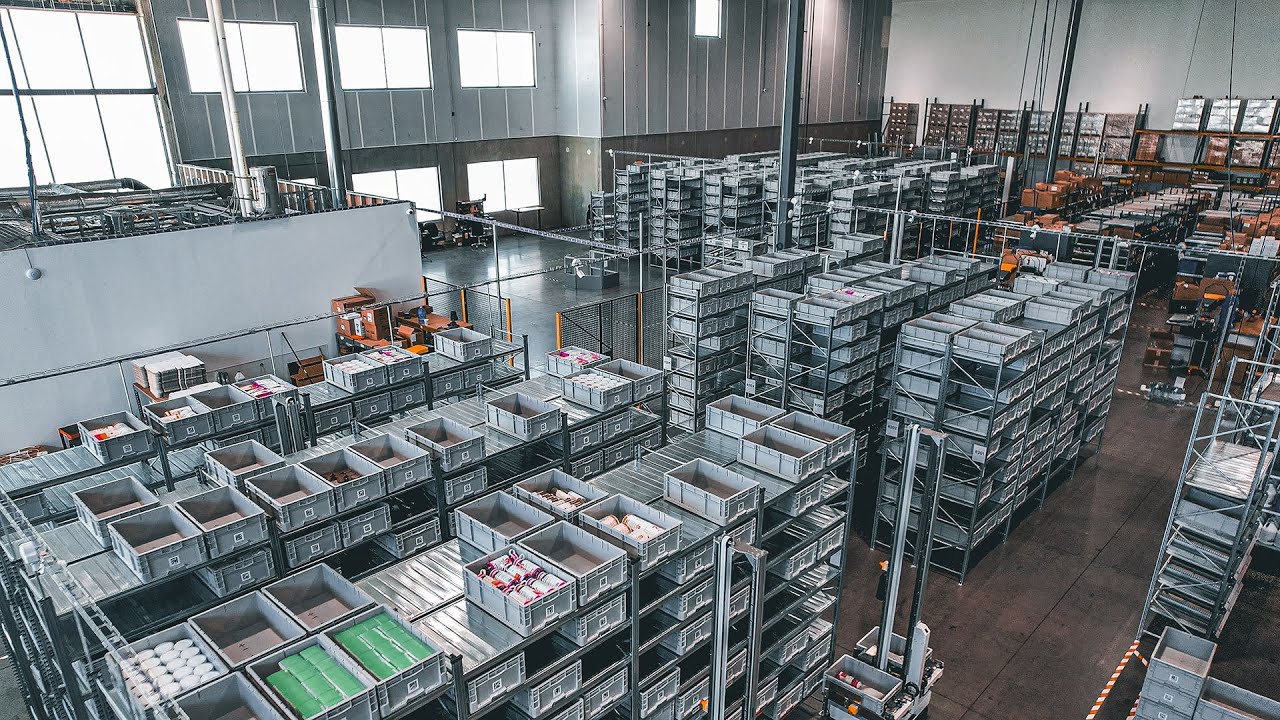
A US 3PL automated order picking and replenishment with Brightpick Retriever robots, a Goods-to-Person solution, to handle 20,000 daily orders with peaks 4-5x higher.
Rohlik.cz Prague Fulfillment Center
Rohlik Group automated its Prague e-grocery fulfillment center with Brightpick Dispatcher robots for intelligent order consolidation and dispatch, smoothing daily picking volumes.
Related Knowledge
Robotic Case Picking
Advanced robotic case picking systems that combine industrial robotics with intelligent vision systems to automate the handling of full cases and cartons, delivering exceptional speed, precision, and reliability in high-volume distribution operations.
Robotic Piece Picking
Advanced robotic systems that use AI and computer vision to automatically select and pick individual items from diverse inventory, revolutionizing warehouse fulfillment operations with human-like dexterity and intelligence.
Voice Picking Systems
Voice picking systems revolutionize warehouse operations by enabling hands-free, eyes-free order fulfillment through speech recognition technology. Workers receive spoken instructions through wireless headsets and confirm actions verbally, dramatically improving productivity, accuracy, and safety while reducing training time.
Vendor
BrightpickRelated Technologies
Mini FlyPick Robot: Compact High-Speed Sorting AMR
Others
AI-Powered Robotic Truck Loading System
Others

TiltSort-Bot: Autonomous Mobile Robot (AMR) for Sortation
Conveyco