HaiPick Climb System: Goods-to-Person Warehouse Automation
Quick Facts
Technology Performance Metrics
⭐Key Features
Benefits
Applications
Detailed Information
Technology Overview
The HaiPick Climb system represents a significant evolution in goods-to-person (GTP) warehouse automation. By leveraging the innovative HaiClimber robot, it aims to address the traditional trade-offs between performance, complexity, and footprint associated with conventional Automated Storage and Retrieval Systems (ASRS). This system is engineered to provide the high-density storage and rapid retrieval benefits of ASRS but within a more simplified and cost-effective architectural framework. Its compact design makes it particularly suitable for facilities looking to maximize space utilization while automating their order picking processes.
How It Works
Core Principles
The core principle is automated, high-density goods-to-person fulfillment. The system uses autonomous robots (HaiClimbers) to retrieve storage totes or bins from a structured racking system and deliver them directly to picking workstations, eliminating manual travel for workers.
Key Features & Capabilities
The HaiClimber robot is the heart of the system, capable of climbing within the rack structure to access storage locations across multiple levels, enabling true 3D goods-to-person automation. The compact and efficient design is a major feature, allowing for high-density storage in a smaller footprint compared to some traditional ASRS solutions. Most notably, the system boasts a simplified architecture, which is presented as an evolution that reduces the mechanical complexity and associated costs of traditional ASRS while maintaining or enhancing performance.
Advantages & Benefits
The primary advantage is the delivery of high-performance GTP automation with reduced complexity. This simplification can lead to lower initial costs, easier maintenance, and more straightforward implementation compared to complex crane-based ASRS. The system offers superior efficiency through fast, automated retrieval that drastically reduces picker wait time. Furthermore, its design promotes excellent scalability, allowing operations to expand storage capacity and throughput by adding more robots or extending the rack structure modularly.
Implementation Considerations
Implementing the HaiPick Climb system requires careful assessment of facility layout and ceiling height to accommodate the rack structure and robot climbing range. Electrical and network infrastructure must support the robots and control systems. While simplified, it still requires integration with a Warehouse Management System (WMS) for end-to-end order processing. The total cost of ownership, including robots, racking, software, and maintenance, should be evaluated against expected productivity gains.
Use Cases & Applications
Ideal For
This system is ideal for e-commerce fulfillment centers, omnichannel retail warehouses, and third-party logistics (3PL) providers that handle a high volume of small-item orders and seek to maximize both space and labor productivity.
Conclusion
The HaiPick Climb system presents a compelling alternative for warehouses aiming to implement high-performance goods-to-person automation. By focusing on a simplified yet advanced robotic design, it seeks to overcome the barriers of cost and complexity often associated with traditional ASRS. For operations prioritizing density, efficiency, and scalable growth, this technology offers a modern pathway to transforming their picking operations, potentially delivering a strong return on investment through increased throughput and optimized labor utilization.
Related Knowledge
Robotic Case Picking
Advanced robotic case picking systems that combine industrial robotics with intelligent vision systems to automate the handling of full cases and cartons, delivering exceptional speed, precision, and reliability in high-volume distribution operations.
Robotic Piece Picking
Advanced robotic systems that use AI and computer vision to automatically select and pick individual items from diverse inventory, revolutionizing warehouse fulfillment operations with human-like dexterity and intelligence.
Voice Picking Systems
Voice picking systems revolutionize warehouse operations by enabling hands-free, eyes-free order fulfillment through speech recognition technology. Workers receive spoken instructions through wireless headsets and confirm actions verbally, dramatically improving productivity, accuracy, and safety while reducing training time.
Vendor
Hai RoboticsRelated Technologies

Dark Warehouse: Fully Automated Warehouse Operations
Addverb
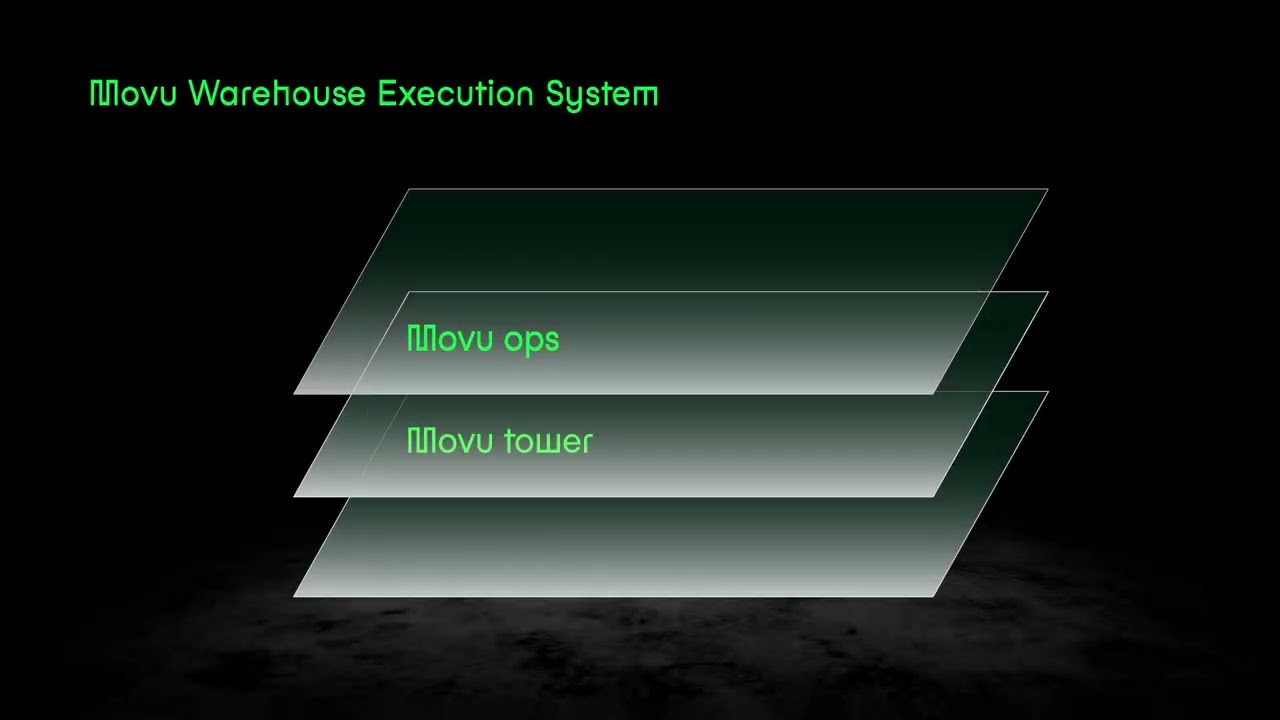
Movu Warehouse Execution System (WES): For Shuttle and AMR Management
Movu Robotics
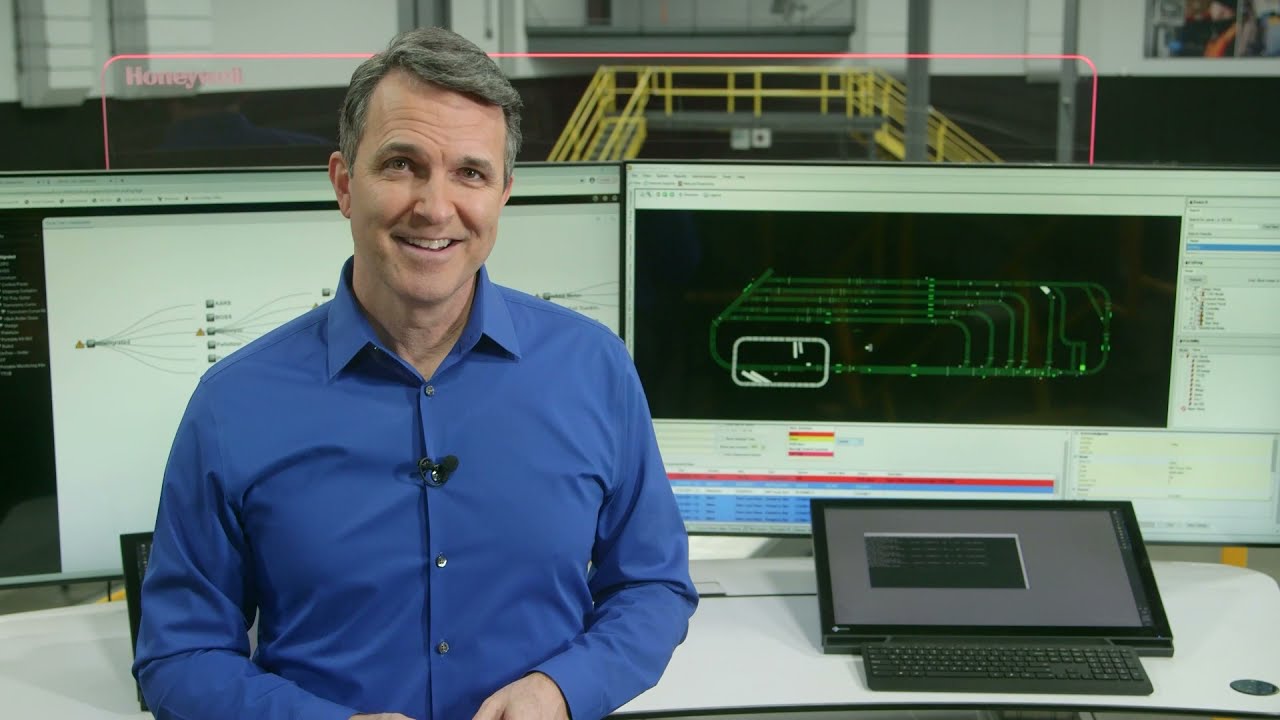
Momentum WES: Next-Generation Warehouse Execution and Control
Honeywell Intelligrated