Geek+ RS5-D: Tote-to-Person AMR for Ultra 3D Storage
Quick Facts
Technology Performance Metrics
⭐Key Features
Benefits
Applications
Detailed Information
Technology Overview
The Geek+ RS5-D represents an advancement in Autonomous Mobile Robot (AMR) technology, specifically engineered to address the critical challenge of storage density in modern warehouses. Moving beyond standard goods-to-person AMRs, the RS5-D system is classified as a "Tote-to-Person" solution, emphasizing its focus on handling standardized storage containers. Its core innovation lies in a combination of a long-reach telescopic fork and a modular doorframe structure, which allows the robot to access storage locations across a much greater depth and height within racking systems. This design effectively "doubles the depth" of traditional AMR capabilities, unlocking what Geek+ terms "Ultra Three-Dimensional Storage Space," making it a powerful tool for businesses needing to maximize their cubic storage volume without expanding their footprint.
How It Works
Core Principles
The core principle is Deep-Reach, High-Density Tote Retrieval. The system uses an AMR equipped with a vertically and horizontally extending telescopic fork. The robot navigates to the front of a high-bay, deep-lane racking system. It then extends its fork deep into the rack (up to 1.5 meters) and can also adjust its height to access specific totes located between 0.215m and 5m from the floor, retrieving them and delivering them directly to a picking workstation.
Key Features & Capabilities
1.5m Telescopic Fork with Modular Doorframe is the system's defining hardware feature. This allows it to serve deep-lane storage, potentially accessing multiple totes in a single lane without the racking system needing internal conveyors or shuttles, bridging the gap between mobile robots and fixed automation density.
Operation in 1-Meter Narrow Aisles maximizes floor space utilization. The robot's compact design and precise navigation enable it to work in aisles too narrow for traditional forklifts or even some other AMRs, converting what would be travel space into additional storage lanes.
Wide Vertical Storage Range (0.215m to 5m) allows the system to utilize the full height of a facility, from very low levels to high-bay storage, ensuring every cubic meter of available air space can be turned into productive storage capacity.
Advantages & Benefits
The most significant benefit is Radical Increase in Storage Density. By enabling deep-lane storage in narrow aisles and utilizing full vertical height, the system can increase storage capacity by 2.5 times and save up to 50% of floor space compared to conventional wide-aisle shelving or simpler AMR systems.
It provides Operational Efficiency in High-Density Environments. The ability to retrieve multiple totes from a deep lane in one mission reduces the number of trips robots need to make to the same rack section, improving overall system throughput for storage-intensive operations.
The system offers Flexibility and Scalability of AMRs with ASRS-like Density. It brings the deployment speed and layout flexibility of mobile robots closer to the space-saving performance of fixed Automated Storage and Retrieval Systems (ASRS), offering a compelling middle ground.
Implementation Considerations
Specialized Racking and Layout Design is required. To achieve the promised density gains, the storage infrastructure must be carefully designed to match the robot's telescopic reach, doorframe interface, and narrow aisle requirements. This is not a system for retrofitting into arbitrary existing shelving.
Balance Between Density and Accessibility must be managed. While high density saves space, very deep lanes can affect retrieval times for totes stored at the back. The system's software must intelligently manage inventory placement (slotting) to optimize for velocity.
Total System Integration involves more than just robots. The modular doorframes, racking, and robots form an integrated physical system. Successful implementation depends on the cohesive design and installation of all these elements.
Conclusion
The Geek+ RS5-D Tote-to-Person system is a specialized, high-performance solution for warehouses where maximizing storage density is the paramount objective. It is ideal for businesses in e-commerce, 3PL, or manufacturing that handle a high volume of small items in totes and are constrained by expensive or limited floor space. This technology pushes the boundaries of what mobile robots can achieve in terms of space utilization, effectively creating a modular, robotic alternative to deep-lane ASRS. Potential adopters must be prepared for the associated racking and infrastructure requirements and should have a clear need for the extreme density it offers. When applied to the right operational profile, the RS5-D can deliver transformative space savings and efficient, automated throughput.
Related Projects
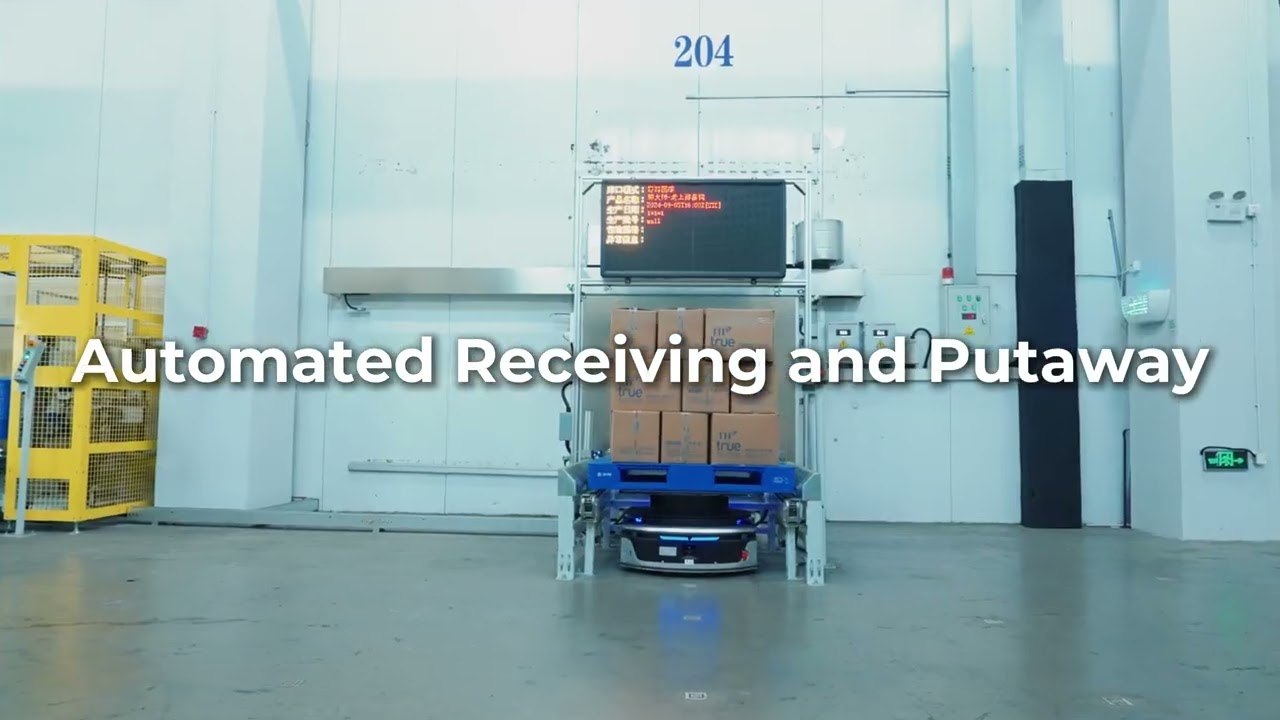
JJCL Multi-Zone Cold Chain Automation
World's first multi-zone pallet-handling system for deep-freeze automation, automating frozen-to-chilled zone movement with zero manual transfers.

X-step Smart Warehouse
X-step implemented Geek+ Robo shuttle tote-to-person picking solution to handle international expansion and seasonal demand fluctuations in sports apparel industry.
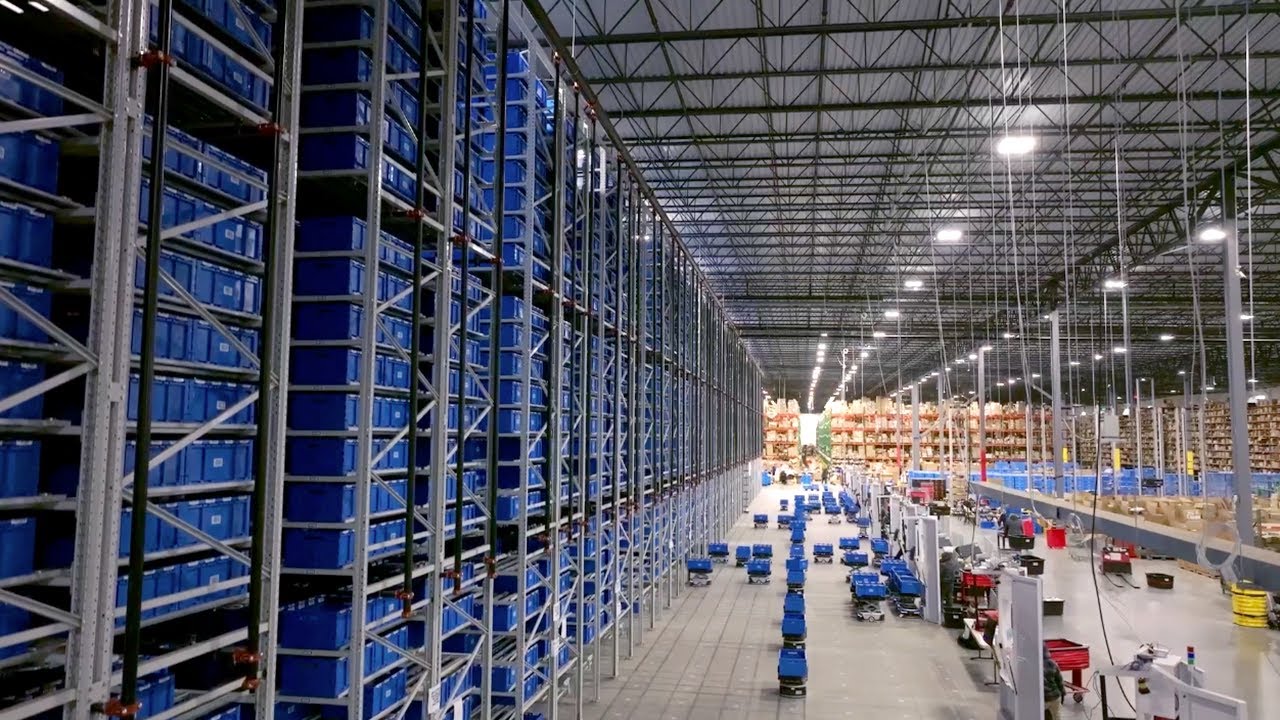
International 3PL E-commerce Warehouse with RoboShuttle
A 3PL cross-border e-commerce warehouse utilizing Geekplus RoboShuttle, the industry's tallest mobile robot, achieving 500+ units per hour picking efficiency with maximum vertical space utilization.
Related Knowledge
Robotic Case Picking
Advanced robotic case picking systems that combine industrial robotics with intelligent vision systems to automate the handling of full cases and cartons, delivering exceptional speed, precision, and reliability in high-volume distribution operations.
Robotic Piece Picking
Advanced robotic systems that use AI and computer vision to automatically select and pick individual items from diverse inventory, revolutionizing warehouse fulfillment operations with human-like dexterity and intelligence.
Voice Picking Systems
Voice picking systems revolutionize warehouse operations by enabling hands-free, eyes-free order fulfillment through speech recognition technology. Workers receive spoken instructions through wireless headsets and confirm actions verbally, dramatically improving productivity, accuracy, and safety while reducing training time.
Vendor
Geek+Related Technologies
Mini FlyPick Robot: Compact High-Speed Sorting AMR
Others
AI-Powered Robotic Truck Loading System
Others

TiltSort-Bot: Autonomous Mobile Robot (AMR) for Sortation
Conveyco