Multi-Robot Orchestration
Intelligent fleet management systems that coordinate multiple autonomous robots to work together efficiently, optimizing task allocation, traffic management, and resource utilization across complex warehouse environments.
Multi-Robot Orchestration Architecture
Fleet Coordination
- ▸Task Assignment: Intelligent work distribution
- ▸Traffic Management: Collision avoidance
- ▸Resource Allocation: Charging and maintenance
- ▸Load Balancing: Even workload distribution
Optimization
- ▸Path Planning: Optimal route calculation
- ▸Priority Management: Dynamic task ranking
- ▸Deadlock Resolution: Conflict prevention
- ▸Throughput Max: Performance optimization
Maximum Efficiency
Optimizes fleet performance through intelligent task assignment and resource allocation.
Scalability
Seamlessly scales from small fleets to hundreds of robots across multiple facilities.
Safety
Advanced collision avoidance ensures safe operation alongside human workers.
What is Multi-Robot Orchestration?
Multi-Robot Orchestration refers to sophisticated software systems that manage fleets of autonomous mobile robots (AMRs) or automated guided vehicles (AGVs), coordinating their movements, task assignments, and interactions to maximize productivity while preventing conflicts and ensuring safe operation. Unlike single-robot control systems, orchestration platforms must solve complex multi-agent coordination problems where dozens or even hundreds of robots operate simultaneously in shared spaces, competing for resources, navigating around each other, and collaborating to complete warehouse tasks efficiently.
The challenge of multi-robot orchestration extends far beyond simply dispatching tasks to available robots. The system must continuously optimize task allocation based on robot locations, battery levels, and capabilities; manage traffic flow to prevent congestion and deadlocks; coordinate resource access for charging stations, elevators, and workstations; and dynamically replan routes as conditions change. Modern orchestration platforms employ advanced algorithms including constraint optimization, machine learning, and predictive analytics to make thousands of real-time decisions that keep robot fleets operating at peak efficiency.
Core Orchestration Functions
Intelligent Task Allocation represents the foundation of effective fleet management, where the orchestration system continuously analyzes incoming work requests and assigns them to robots based on sophisticated optimization criteria. The system considers multiple factors simultaneously including robot proximity to task locations, current battery levels, payload capacity, specialized capabilities (such as different gripper types), and predicted completion times. Advanced platforms employ machine learning algorithms that learn from historical performance to improve allocation decisions over time, predicting which robots will complete tasks most efficiently based on actual operational data rather than theoretical models.
Dynamic Path Planning and Traffic Management ensures robots can navigate efficiently through shared warehouse spaces without collisions or deadlocks, a challenge that grows exponentially with fleet size. The orchestration system maintains real-time awareness of all robot positions and planned routes, detecting potential conflicts before they occur and proactively rerouting robots to avoid congestion. Sophisticated algorithms manage complex scenarios such as narrow aisles where robots must coordinate passing maneuvers, intersection management where multiple robots converge, and deadlock prevention where circular dependencies could halt operations. The system balances competing objectives of minimizing travel time, maintaining smooth traffic flow, and ensuring fair resource allocation across all robots.
Resource Coordination and Optimization manages access to shared resources including charging stations, elevators, conveyor interfaces, and workstations where robots interact with other automation or human workers. The orchestration platform implements intelligent queuing strategies that minimize wait times while ensuring critical tasks receive priority access. For battery management, the system predicts when robots will need charging based on current levels and upcoming task requirements, proactively dispatching robots to chargers during low-demand periods to prevent operational disruptions. Advanced platforms optimize charging schedules to balance fleet availability with energy costs, potentially shifting charging to off-peak electricity rate periods when operationally feasible.
Movu Warehouse Execution System (WES): For Shuttle and AMR Management
Vendor: Movu Robotics
Advanced Capabilities
Predictive Analytics and Machine Learning enable orchestration systems to move beyond reactive coordination to proactive optimization based on learned patterns and predicted conditions. Machine learning models analyze historical data to forecast task volumes by time of day, predict equipment failures before they occur, and identify operational bottlenecks that constrain fleet performance. The system can automatically adjust robot deployment strategies based on predicted demand, pre-position robots in high-activity zones before peak periods, and recommend fleet size adjustments to match operational requirements. These predictive capabilities transform orchestration from tactical task management to strategic fleet optimization.
Multi-Fleet Coordination becomes essential in facilities deploying diverse robot types with different capabilities, speeds, and operational characteristics. The orchestration platform must coordinate heterogeneous fleets including goods-to-person AMRs, sortation robots, tugger AGVs, and collaborative mobile manipulators, each with unique task requirements and operational constraints. Advanced systems can dynamically allocate tasks across robot types based on current availability and suitability, enabling flexible operations where multiple robot types can handle overlapping task sets. This multi-fleet capability provides operational resilience, as the system can redistribute work when specific robot types experience failures or maintenance requirements.
Integration with Warehouse Systems connects robot orchestration with broader warehouse operations through interfaces to WMS, WES, and other automation systems. The orchestration platform receives high-level task requests from warehouse management systems (such as "move pallet from location A to B") and translates them into detailed robot instructions while reporting status and completion back to upstream systems. This integration enables unified visibility across manual and automated operations, allows warehouse systems to optimize task sequencing considering robot availability, and ensures robot operations align with overall facility priorities and constraints.
Implementation Considerations
Scalability and Performance requirements demand that orchestration platforms handle growing fleet sizes without performance degradation, supporting hundreds of robots making thousands of decisions per second. The system architecture must employ distributed processing, efficient algorithms, and optimized data structures to maintain sub-second response times even as fleet complexity increases. Scalability extends beyond technical performance to operational flexibility, enabling facilities to start with small robot deployments and gradually expand without system replacement or major reconfiguration. Cloud-based architectures are increasingly common, providing elastic computing resources that scale with fleet size.
Vendor Lock-in vs. Open Platforms presents a strategic decision between proprietary orchestration systems provided by robot manufacturers and vendor-agnostic platforms that support multi-vendor fleets. Manufacturer-provided orchestration often offers tighter integration and optimized performance for specific robot models but may limit flexibility to incorporate robots from other vendors or upgrade to newer technologies. Open platforms provide greater flexibility and prevent vendor lock-in but may require more complex integration and potentially sacrifice some performance optimization. The choice depends on organizational priorities regarding standardization, long-term flexibility, and willingness to manage multi-vendor complexity.
Safety and Reliability considerations are paramount, as orchestration system failures could halt operations or create safety hazards if robots behave unpredictably. The platform must implement robust failsafe mechanisms including graceful degradation where robots continue operating safely even if central orchestration is temporarily unavailable, comprehensive collision avoidance that works even when communication is disrupted, and thorough testing of edge cases and failure scenarios. Regulatory compliance for autonomous vehicle operation, particularly in facilities with human workers, requires documented safety protocols and potentially certification processes that validate orchestration system behavior under all conditions.
KUKA AMRs: Autonomous Mobile Robots for Flexible Production and Logistics
Vendor: KUKA
Technology Architecture
Centralized vs. Distributed Control represents a fundamental architectural decision affecting system performance, reliability, and scalability. Centralized architectures maintain all coordination logic in central servers that communicate with robots via wireless networks, providing unified optimization and simplified management but creating potential single points of failure. Distributed architectures push decision-making intelligence to individual robots that coordinate through peer-to-peer communication, improving resilience and reducing network dependency but complicating global optimization. Hybrid approaches are increasingly common, with central systems handling strategic planning and resource allocation while robots make tactical navigation decisions autonomously.
Communication Infrastructure must provide reliable, low-latency connectivity between orchestration systems and robot fleets, typically through industrial WiFi networks with comprehensive facility coverage and redundant access points. The system must handle network disruptions gracefully, with robots continuing safe operation during temporary communication losses and automatically resynchronizing when connectivity is restored. Advanced deployments may incorporate 5G private networks that provide guaranteed bandwidth and latency for mission-critical robot control, though WiFi remains the dominant technology for most warehouse applications.
Data Management and Analytics capabilities enable orchestration platforms to collect, store, and analyze vast amounts of operational data including robot positions, task completion times, battery consumption, and traffic patterns. This data foundation supports continuous improvement through performance analysis, enables predictive maintenance by identifying developing equipment issues, and provides visibility for operational management. Modern platforms incorporate real-time dashboards showing fleet status, historical reporting for trend analysis, and API access enabling integration with business intelligence tools for enterprise-wide analytics.
Vendor Landscape
The multi-robot orchestration market includes robot manufacturers offering proprietary fleet management for their products, specialized orchestration vendors providing platform-agnostic solutions, and warehouse automation companies incorporating orchestration into broader execution systems. Leading robot vendors like Mobile Industrial Robots (MiR), Locus Robotics, and Geek+ provide sophisticated orchestration optimized for their robot ecosystems. Independent orchestration platforms such as Balyo, Seegrid, and InOrbit offer multi-vendor support and advanced fleet management capabilities. Meanwhile, WES vendors increasingly incorporate robot orchestration as part of comprehensive automation control platforms.
Selection criteria should emphasize proven scalability to support planned fleet growth, demonstrated multi-vendor support if flexibility is important, robust safety and reliability features, quality of analytics and reporting capabilities, and vendor stability for long-term partnership. The orchestration platform becomes the operational brain of robot fleets, making vendor selection critical to automation success and long-term operational efficiency.
Future Directions
Autonomous Optimization capabilities are emerging where orchestration systems employ reinforcement learning to continuously improve their own decision-making algorithms without human intervention. These self-learning systems experiment with different task allocation strategies, traffic management approaches, and resource coordination policies, measuring results and automatically adopting strategies that improve performance. This evolution promises to reduce the manual tuning and configuration effort required for optimal orchestration while enabling systems to adapt automatically to changing operational patterns.
Swarm Intelligence concepts from robotics research are being incorporated into commercial orchestration platforms, enabling emergent coordination where complex fleet behaviors arise from simple local rules rather than centralized planning. Swarm approaches can provide greater scalability and resilience than traditional centralized control, as the system continues functioning even when individual robots or communication links fail. However, ensuring predictable behavior and meeting operational requirements with emergent systems remains challenging, limiting current commercial adoption.
Human-Robot Collaboration features are advancing to enable safer and more efficient shared workspace operation where robots and human workers operate in close proximity. Advanced orchestration systems incorporate human detection and tracking, adjusting robot speeds and routes to maintain safe distances while minimizing operational disruption. Future systems may enable explicit human-robot task collaboration, where orchestration coordinates both human workers and robots as unified resources, optimizing task allocation across both to maximize overall productivity while respecting human preferences and safety requirements.
Related Technologies (6)
Momentum WES: Next-Generation Warehouse Execution and Control
Honeywell Intelligrated
Movu Warehouse Execution System (WES): For Shuttle and AMR Management
Movu Robotics
Mecalux Autonomous Mobile Robots (AMRs): Flexible and Intelligent Warehouse Transport
Mecalux
Dark Warehouse: Fully Automated Warehouse Operations
Addverb
KUKA AMRs: Autonomous Mobile Robots for Flexible Production and Logistics
KUKA
AI Visual Inspection & Automated Packing Solution for Textiles
SUNTECH
Related Software Topics
Digital Twin
Virtual replica of physical warehouse operations that enables real-time monitoring, simulation, and optimization through synchronized data integration, providing unprecedented visibility and predictive capabilities for operational excellence.
Simulation Software
Advanced modeling and simulation platforms that create virtual replicas of warehouse operations to test scenarios, optimize processes, validate automation designs, and predict performance outcomes before physical implementation, reducing risk and enabling data-driven decision-making.
Slotting Optimization
AI-powered systems that strategically position products within warehouse storage locations to minimize travel time, maximize space utilization, and enhance picking efficiency through data-driven analysis of velocity, affinity, and operational patterns.
About This Topic
Related Projects(6)
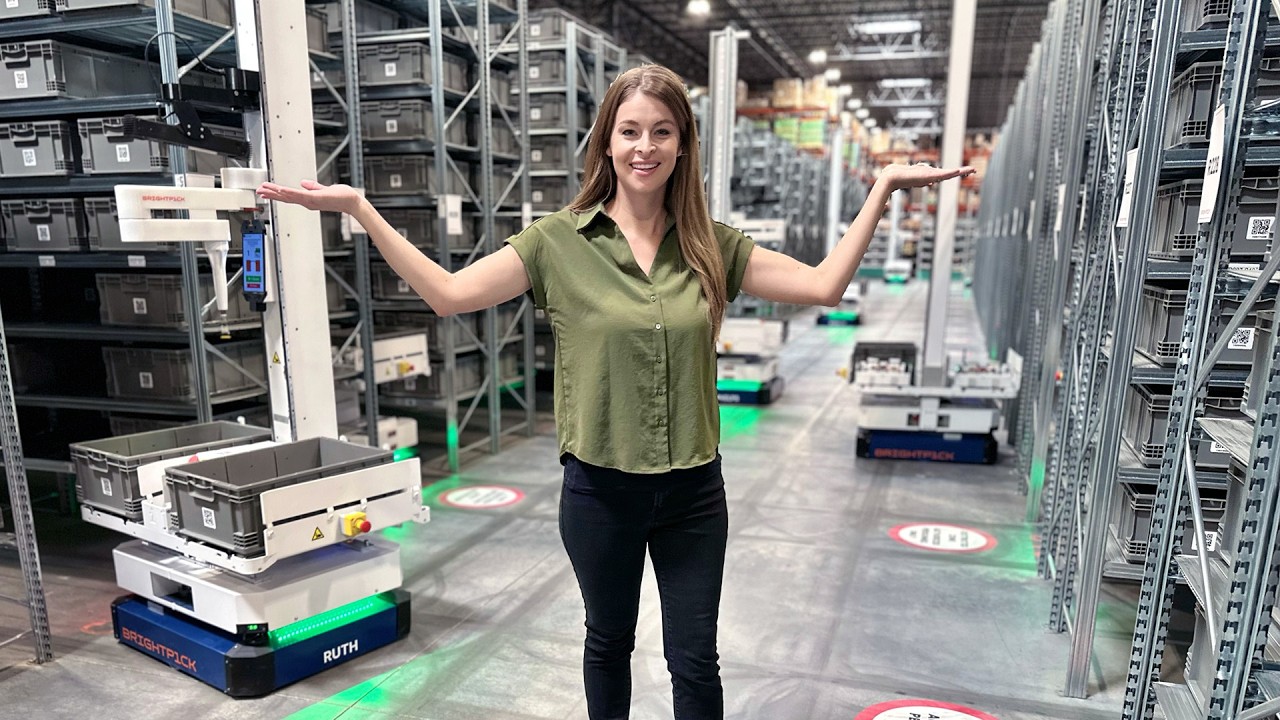
The Feed Sports Nutrition Automated Fulfillment Center with Brightpick
Brightpick
Bastian Solutions Corporate Profile: Toyota Advanced Logistics
Bastian Solutions
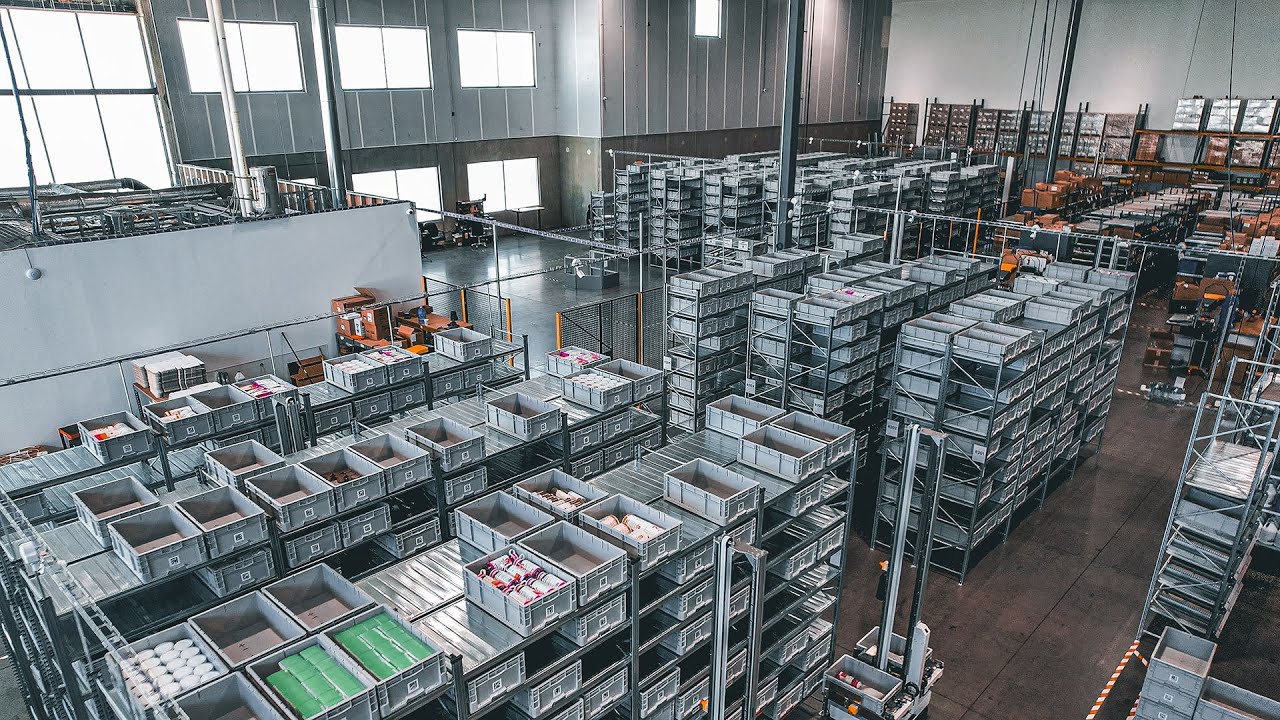
Netrush Kentucky E-commerce Fulfillment Warehouse
Brightpick
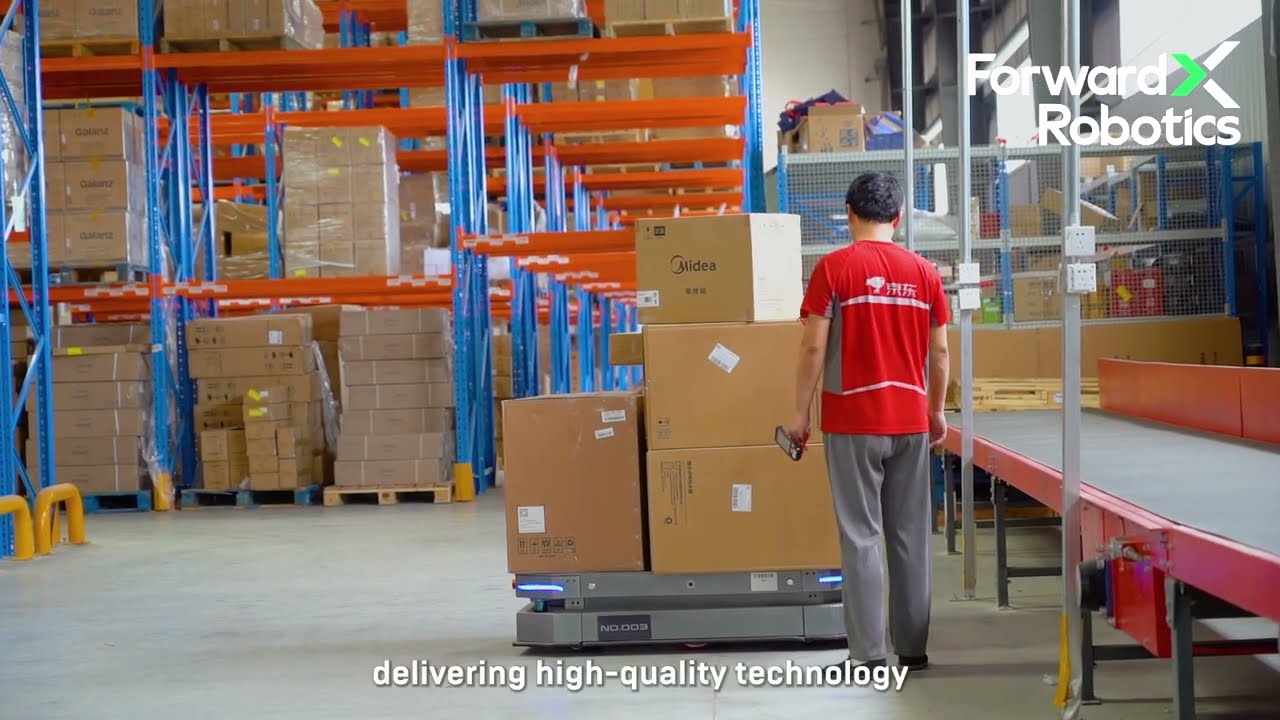
JD.com - Flexible Case Picking Automation with ForwardX Robotics AMRs
ForwardX Robotics
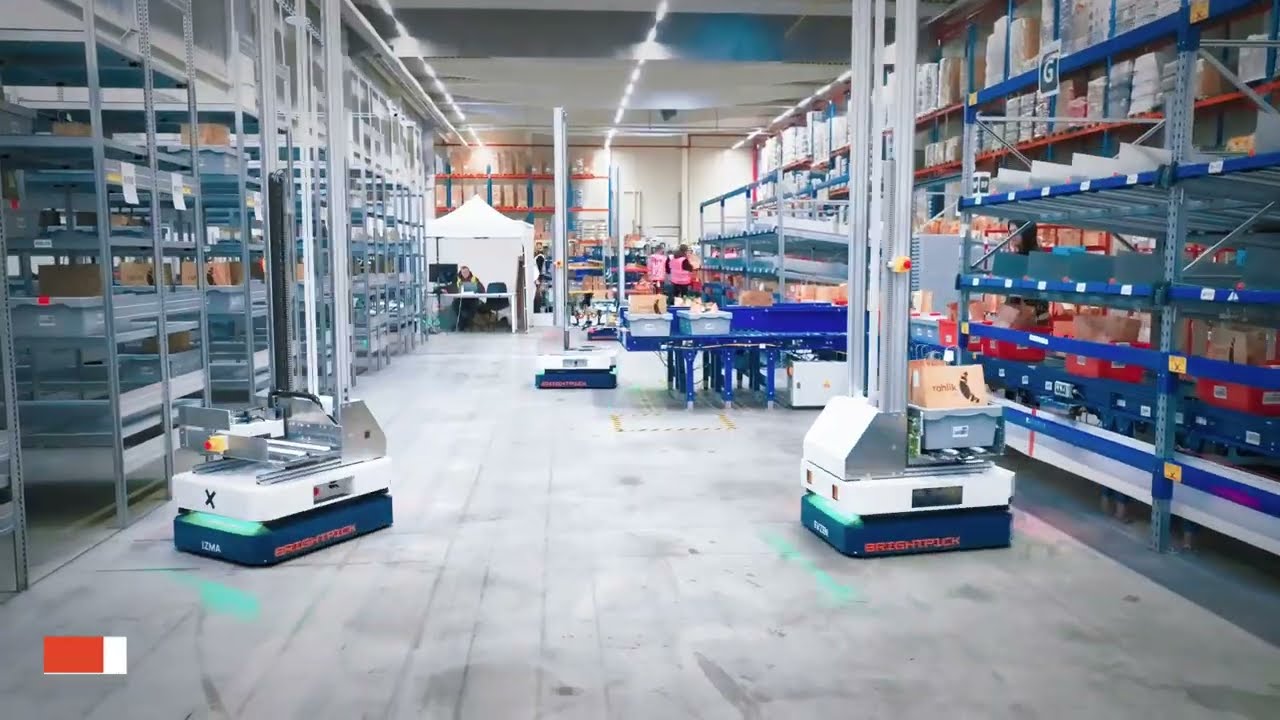
Rohlik.cz Prague Fulfillment Center
Brightpick
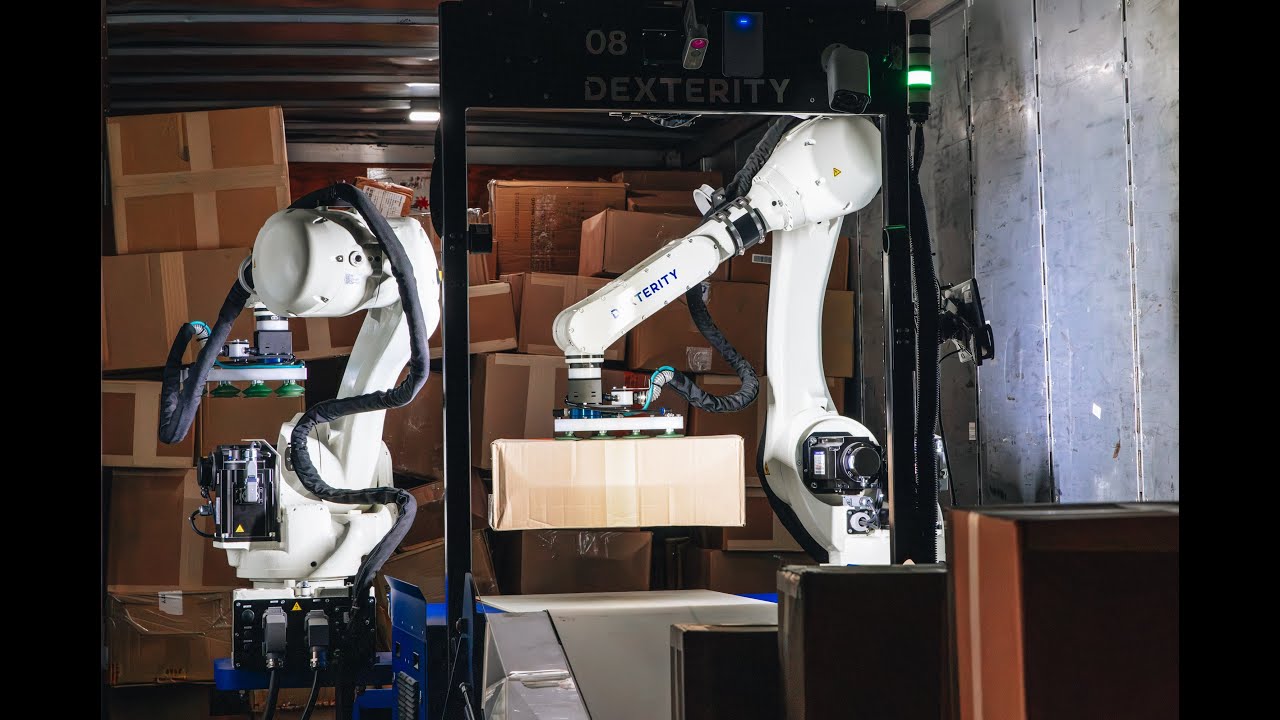
Dexterity AI & FedEx Parcel Hub Robotic Truck Loading Project
Dexterity AI
Related Suppliers(3)

Toyota Material Handling
Solutions That Move You Forward

MiR (Mobile Industrial Robots)
Leading Autonomous Mobile Robot Solutions

6 River Systems
The Seamless Fulfillment Automation Solution to Boost Efficiency and Productivity in Your Warehouse