Slotting Optimization
AI-powered systems that strategically position products within warehouse storage locations to minimize travel time, maximize space utilization, and enhance picking efficiency through data-driven analysis of velocity, affinity, and operational patterns.
Slotting Optimization Engine
Data Analysis
- ▸Velocity Analysis: ABC classification
- ▸Affinity Patterns: Co-occurrence detection
- ▸Order History: Historical trends
- ▸Physical Attributes: Size and weight
Optimization Results
- ▸Travel Reduction: Minimized distance
- ▸Space Utilization: Density maximization
- ▸Workload Balance: Even distribution
- ▸Dynamic Updates: Continuous adaptation
Productivity Gains
Achieve 10-30% reduction in travel time and corresponding increases in picks per hour.
Cost Savings
Reduce labor costs and defer facility expansions through improved space utilization.
Machine Learning
Predictive algorithms adapt to seasonal patterns and demand changes automatically.
What is Slotting Optimization?
Slotting Optimization is the strategic process of determining optimal storage locations for products within a warehouse to maximize operational efficiency, minimize labor costs, and improve space utilization through data-driven analysis and algorithmic decision-making. By considering factors such as product velocity, order patterns, item characteristics, picking methods, and storage constraints, slotting optimization systems assign each SKU to locations that minimize travel distance, reduce congestion, balance workload, and support efficient order fulfillment workflows.
Unlike static storage assignments that remain unchanged for extended periods, modern slotting optimization employs continuous analysis and dynamic reallocation that adapts to changing demand patterns, seasonal variations, promotional activities, and operational conditions. Advanced systems leverage machine learning algorithms to identify patterns in historical data, predict future demand, and recommend slotting changes that deliver measurable improvements in picking productivity, order cycle time, and overall warehouse performance.
Core Principles
Velocity-Based Slotting represents the fundamental principle of placing fast-moving items in easily accessible locations close to packing or shipping areas, while slower-moving products occupy less convenient positions. This ABC analysis approach classifies inventory into velocity tiers—typically A items (high velocity), B items (medium velocity), and C items (low velocity)—with each tier assigned to zones optimized for their picking frequency. Fast movers positioned in golden zones near pack stations minimize travel time for the majority of picks, while slow movers in remote locations have minimal impact on overall efficiency due to their infrequent access.
Affinity and Correlation Analysis identifies products frequently ordered together and positions them in proximity to enable efficient multi-line order picking. By analyzing order history and item co-occurrence patterns, slotting systems detect product relationships that aren't obvious from category classifications alone, such as complementary items, seasonal combinations, or customer-specific buying patterns. Placing correlated items near each other reduces picker travel when fulfilling orders containing multiple SKUs, particularly benefiting batch picking and zone picking strategies where minimizing movement between picks directly impacts productivity.
Physical Characteristics Matching ensures products are assigned to storage locations appropriate for their size, weight, handling requirements, and storage needs. This principle considers dimensional constraints, weight limits, special handling requirements (fragile, hazardous, temperature-controlled), and equipment compatibility when determining suitable locations. Heavy items positioned at ergonomic heights reduce worker strain and injury risk, while bulky products occupy locations with adequate clearance, and small items utilize high-density storage to maximize space efficiency. This matching prevents operational issues and safety hazards while optimizing space utilization.
Warehouse Slotting Software: WMS-Integrated Location Optimization
Vendor: Mecalux
Optimization Algorithms
Multi-Objective Optimization balances competing goals such as minimizing travel distance, maximizing space utilization, balancing workload across zones, and maintaining operational flexibility. Advanced slotting systems employ mathematical optimization techniques including linear programming, genetic algorithms, and simulated annealing to find solutions that achieve the best overall performance across multiple objectives rather than optimizing a single metric at the expense of others. The algorithms consider constraints such as storage capacity, equipment limitations, safety requirements, and operational policies while searching for optimal or near-optimal slotting configurations.
Machine Learning and Predictive Analytics enhance slotting decisions by forecasting future demand patterns, identifying emerging trends, and adapting to seasonal variations without manual intervention. ML models analyze historical order data, promotional calendars, market trends, and external factors to predict which products will experience velocity changes, enabling proactive slotting adjustments before demand shifts impact operations. These predictive capabilities are particularly valuable for e-commerce and retail operations experiencing rapid SKU proliferation, frequent promotions, and volatile demand patterns that challenge traditional slotting approaches.
Dynamic Reallocation Strategies determine when and how to implement slotting changes, balancing the benefits of improved efficiency against the costs and disruption of relocating inventory. Sophisticated systems calculate ROI for proposed moves, prioritizing high-impact changes while deferring low-value adjustments, and scheduling reallocation during low-activity periods to minimize operational disruption. Some implementations support continuous micro-adjustments where individual SKUs are gradually repositioned during normal replenishment activities, avoiding the need for disruptive facility-wide reslotting projects.
Implementation Approach
Data Collection and Analysis forms the foundation of effective slotting optimization, requiring comprehensive historical data on order patterns, pick frequencies, item characteristics, storage locations, and operational performance. Organizations must ensure data quality, completeness, and accuracy before attempting optimization, as flawed input data produces suboptimal recommendations that can actually degrade performance. The analysis phase identifies current inefficiencies, quantifies improvement opportunities, and establishes baseline metrics for measuring post-implementation results.
Pilot Programs and Phased Rollout manage implementation risk by testing slotting recommendations in limited areas before facility-wide deployment. Pilot implementations validate algorithm accuracy, test operational procedures for inventory relocation, train staff on new processes, and demonstrate measurable benefits that build organizational support for broader adoption. Successful pilots typically focus on high-volume zones or specific product categories where improvements are most visible and impactful, creating momentum for expansion while allowing refinement of approaches based on real-world experience.
Change Management and Training address the human factors that often determine slotting optimization success or failure, as workers must understand, accept, and properly execute new storage assignments. Effective change management communicates the rationale for changes, demonstrates expected benefits, addresses concerns about increased complexity or learning curves, and provides adequate training on new pick paths and location assignments. Resistance often emerges when workers perceive slotting changes as arbitrary or disruptive, making transparent communication and stakeholder involvement critical for successful adoption.
Dynamic Slotting: Warehouse Optimization Solution
Vendor: Others
Operational Considerations
Slotting Frequency and Triggers determine how often the warehouse reviews and updates storage assignments, balancing the benefits of optimization against the costs and disruption of frequent changes. Some operations perform quarterly or seasonal reslotting aligned with major demand shifts, while others implement continuous optimization with daily micro-adjustments. Trigger-based approaches initiate reslotting when specific conditions occur, such as velocity changes exceeding thresholds, new product introductions, or performance metrics falling below targets. The optimal frequency depends on demand volatility, SKU count, operational flexibility, and available resources for executing moves.
Integration with WMS and Operations requires seamless coordination between slotting optimization systems and warehouse management platforms to ensure location assignments, pick paths, and replenishment logic reflect current slotting decisions. The WMS must support flexible location management, enable efficient inventory moves, and provide data feeds for ongoing slotting analysis. Integration challenges often arise when legacy WMS platforms lack APIs or data structures needed for dynamic slotting, requiring workarounds or system upgrades to fully leverage optimization capabilities.
Performance Measurement and Continuous Improvement track the impact of slotting changes through metrics such as picks per hour, travel distance per order, order cycle time, and space utilization. Effective measurement requires baseline data collection before implementation, ongoing monitoring after changes, and statistical analysis to isolate slotting impacts from other operational variables. The measurement framework should identify which slotting strategies deliver the greatest benefits, detect when performance degrades due to outdated assignments, and guide continuous refinement of optimization parameters and algorithms.
Advanced Capabilities
Zone-Specific Optimization recognizes that different warehouse areas may require distinct slotting strategies based on their picking methods, equipment types, and operational characteristics. Forward pick zones might prioritize velocity and affinity, while reserve storage emphasizes space utilization and replenishment efficiency. Automated storage systems may optimize for equipment performance and throughput, while manual pick areas focus on ergonomics and travel minimization. Advanced slotting systems apply appropriate optimization logic to each zone while coordinating assignments across zones to maintain overall efficiency.
Seasonal and Promotional Planning enables proactive slotting adjustments that anticipate demand changes associated with holidays, promotions, new product launches, and seasonal patterns. Rather than reacting to velocity shifts after they occur, predictive slotting repositions products in advance based on historical seasonal patterns and planned promotional activities. This forward-looking approach ensures optimal locations are available when demand surges, avoiding the performance degradation that occurs when high-velocity items remain in suboptimal locations during peak periods.
Multi-Channel and Omnichannel Optimization addresses the complexity of warehouses serving diverse fulfillment channels with different order profiles, service requirements, and operational characteristics. E-commerce orders typically contain fewer lines than wholesale orders, store replenishment follows different patterns than direct-to-consumer fulfillment, and same-day delivery requires different slotting than standard shipping. Advanced systems optimize slotting for the actual channel mix and order characteristics, potentially maintaining separate pick zones for different channels or employing sophisticated algorithms that balance competing channel requirements.
Technology Ecosystem
Slotting Software Vendors range from standalone optimization platforms to WMS-integrated modules and specialized analytics tools that provide slotting recommendations. Leading WMS vendors including Manhattan Associates, Blue Yonder, and SAP offer integrated slotting capabilities, while specialized providers like Slotting Optimization and EasyPost focus exclusively on advanced slotting algorithms. The market also includes consulting firms that provide slotting analysis services and custom algorithm development for complex operations requiring tailored approaches.
Data Analytics and Business Intelligence platforms support slotting optimization by providing the data infrastructure, visualization tools, and analytical capabilities needed for ongoing performance monitoring and decision support. These systems aggregate data from WMS, labor management, and other sources, calculate slotting metrics, identify trends, and present insights through dashboards and reports that guide optimization decisions. Integration with BI platforms enables sophisticated analysis that goes beyond basic slotting algorithms to consider broader operational impacts and business objectives.
Simulation and Digital Twin Integration enhances slotting optimization by enabling virtual testing of proposed changes before physical implementation, validating that recommendations will deliver expected benefits without unintended consequences. By modeling proposed slotting configurations in a digital twin environment, organizations can assess impacts on travel distance, congestion, workload balance, and throughput under various demand scenarios. This simulation capability reduces implementation risk and builds confidence in optimization recommendations, particularly for major reslotting projects with significant operational impact.
Business Impact
Labor Productivity Improvements represent the most immediate and measurable benefit of slotting optimization, with well-executed implementations typically achieving 10-30% reductions in travel time and corresponding increases in picks per hour. By minimizing the distance pickers travel to fulfill orders, slotting optimization enables the same workforce to process more orders or allows labor cost reductions while maintaining throughput. These productivity gains directly impact operating costs and enable facilities to handle volume growth without proportional labor increases, providing sustainable competitive advantages in labor-intensive fulfillment operations.
Space Utilization Enhancement results from intelligent product placement that maximizes storage density while maintaining accessibility, enabling facilities to store more inventory in existing space or defer costly facility expansions. Slotting optimization identifies opportunities to consolidate slow movers into high-density storage, utilize vertical space more effectively, and eliminate wasted space from poor location assignments. For operations facing capacity constraints, improved space utilization can delay or eliminate the need for facility expansion, delivering substantial capital cost savings.
Service Level Improvements emerge from faster order cycle times, reduced picking errors, and more consistent performance enabled by optimized slotting. Shorter travel distances mean orders move through fulfillment faster, supporting tighter delivery commitments and improved customer satisfaction. Reduced picker fatigue from minimized travel also contributes to fewer errors and more consistent quality. These service improvements strengthen competitive positioning and support premium pricing or market share gains in competitive fulfillment markets.
Future Directions
Autonomous Slotting represents the evolution toward self-optimizing warehouses where AI systems continuously analyze performance, identify optimization opportunities, and automatically implement slotting changes without human intervention. As machine learning capabilities advance and organizations gain confidence in algorithmic decision-making, slotting will transition from periodic manual projects to continuous autonomous optimization that adapts in real-time to changing conditions. This autonomous approach promises to unlock additional efficiency gains by responding faster to demand shifts and identifying subtle optimization opportunities that human analysis might miss.
Prescriptive Analytics will move beyond recommending optimal slotting to providing specific action plans with predicted outcomes, implementation priorities, and expected ROI for each proposed change. Rather than simply suggesting that SKU A should move to location B, prescriptive systems will explain why the move is beneficial, when it should occur, what resources are required, and what performance improvement to expect. This enhanced decision support will accelerate adoption and improve implementation effectiveness by making slotting optimization more accessible to operations teams without specialized expertise.
Integration with Robotics and Automation will enable dynamic slotting strategies that leverage the flexibility of automated storage and robotic picking systems to continuously optimize product positioning. Unlike fixed racking where slotting changes require physical inventory moves, automated systems can virtually reassign locations or dynamically present products based on current demand without physical relocation. This capability enables real-time slotting optimization that adapts throughout the day based on order mix, creating unprecedented efficiency through perfect alignment of product positioning with immediate fulfillment requirements.
Related Technologies (6)
Warehouse Slotting Software: WMS-Integrated Location Optimization
Mecalux
Dynamic Slotting: Warehouse Optimization Solution
Others
Geek+ PopPick: Next-Generation High-Density Goods-to-Person System
Geek+
Momentum WES: Next-Generation Warehouse Execution and Control
Honeywell Intelligrated
Exacta Put Wall: Modular and Scalable Order Consolidation
Bastian Solutions
Brightpick Retriever: Goods-to-Person Robots for Order Picking and Replenishment
Brightpick
Related Software Topics
Digital Twin
Virtual replica of physical warehouse operations that enables real-time monitoring, simulation, and optimization through synchronized data integration, providing unprecedented visibility and predictive capabilities for operational excellence.
Multi-Robot Orchestration
Intelligent fleet management systems that coordinate multiple autonomous robots to work together efficiently, optimizing task allocation, traffic management, and resource utilization across complex warehouse environments.
Simulation Software
Advanced modeling and simulation platforms that create virtual replicas of warehouse operations to test scenarios, optimize processes, validate automation designs, and predict performance outcomes before physical implementation, reducing risk and enabling data-driven decision-making.
About This Topic
Related Projects(6)

Bastian Solutions Corporate Profile: Toyota Advanced Logistics
Bastian Solutions
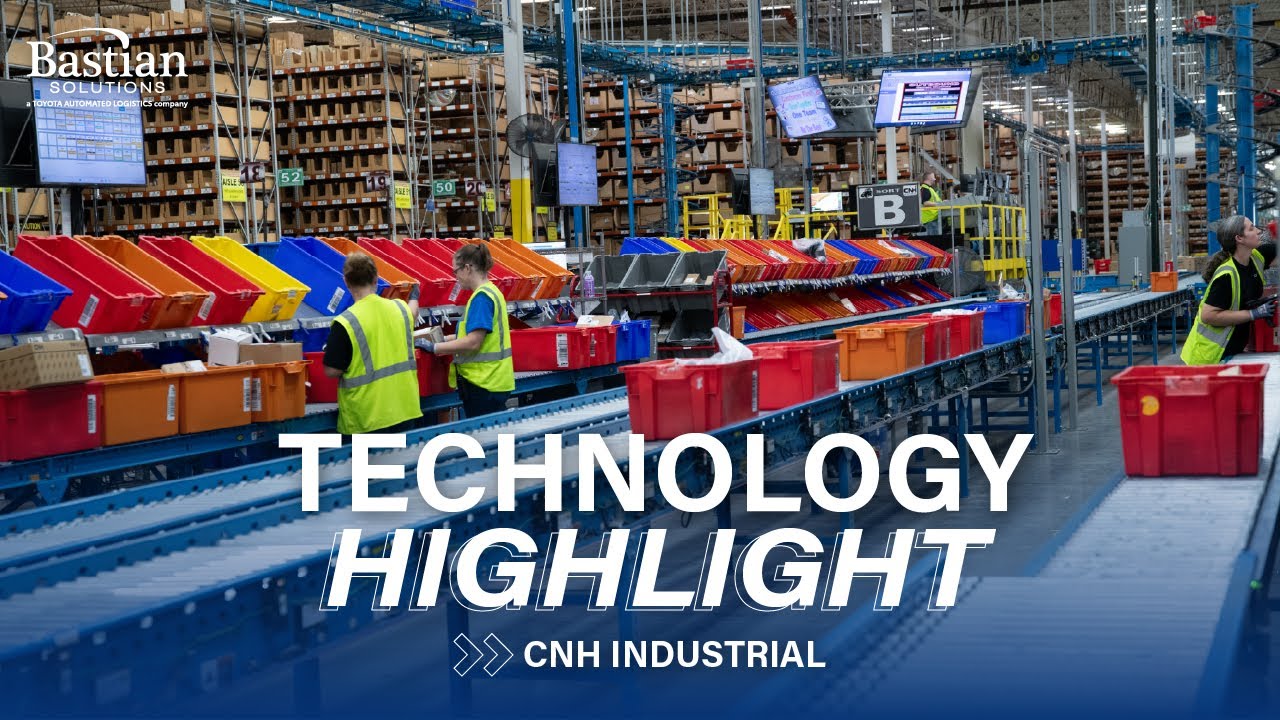
CNH Industrial Indianapolis Distribution Center
Bastian Solutions

Roark - Aerospace Tool & Die Automated Storage System
Bastian Solutions
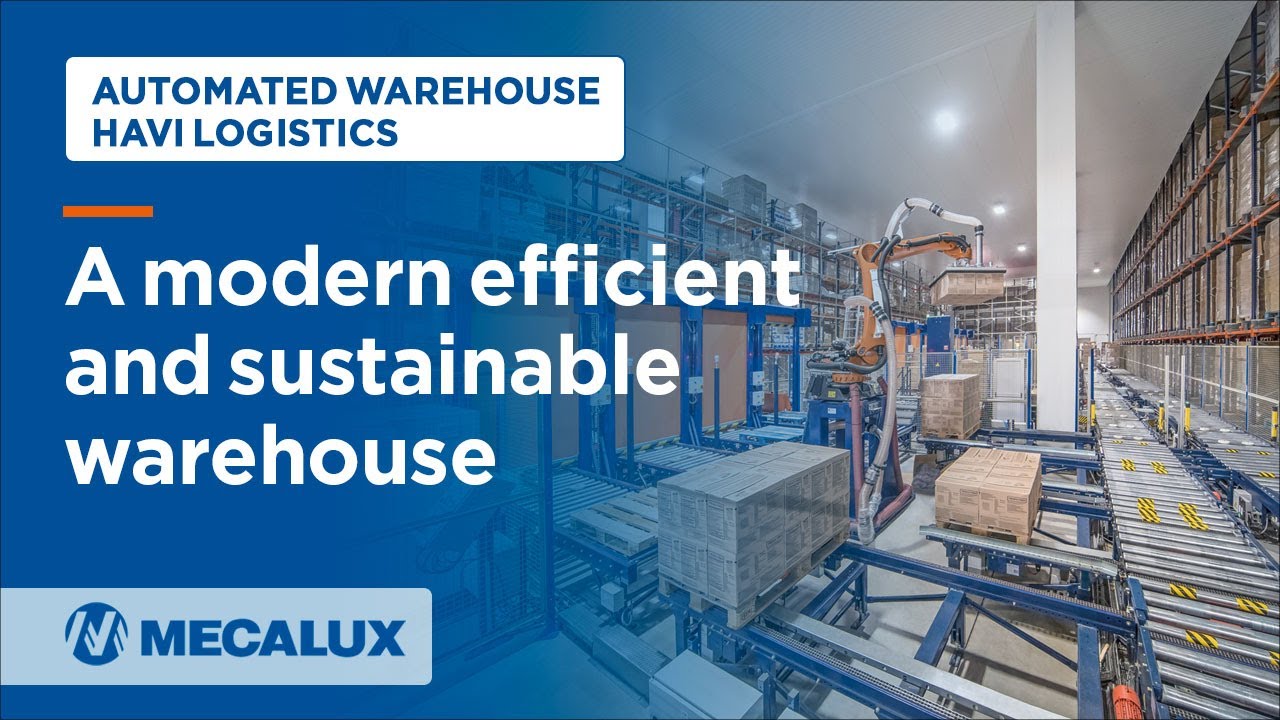
HAVI Lisbon Multi-Temperature Logistics Center
Mecalux
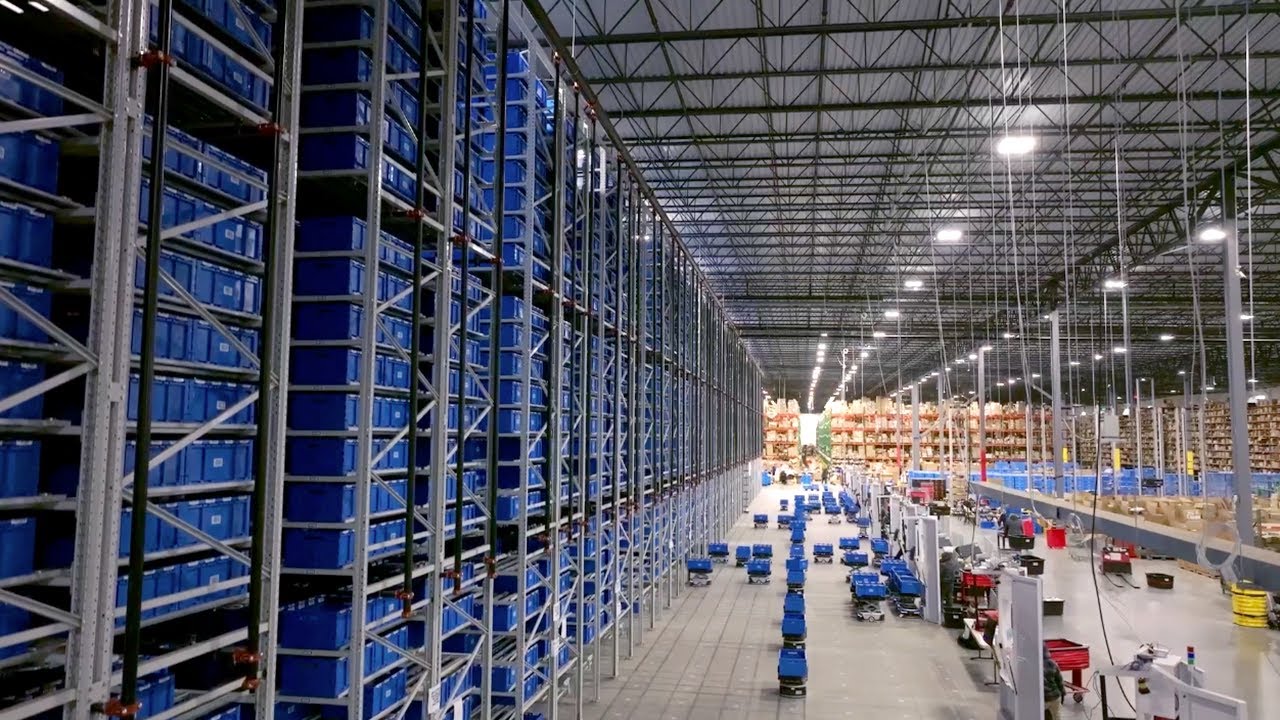
International 3PL E-commerce Warehouse with RoboShuttle
Geek+
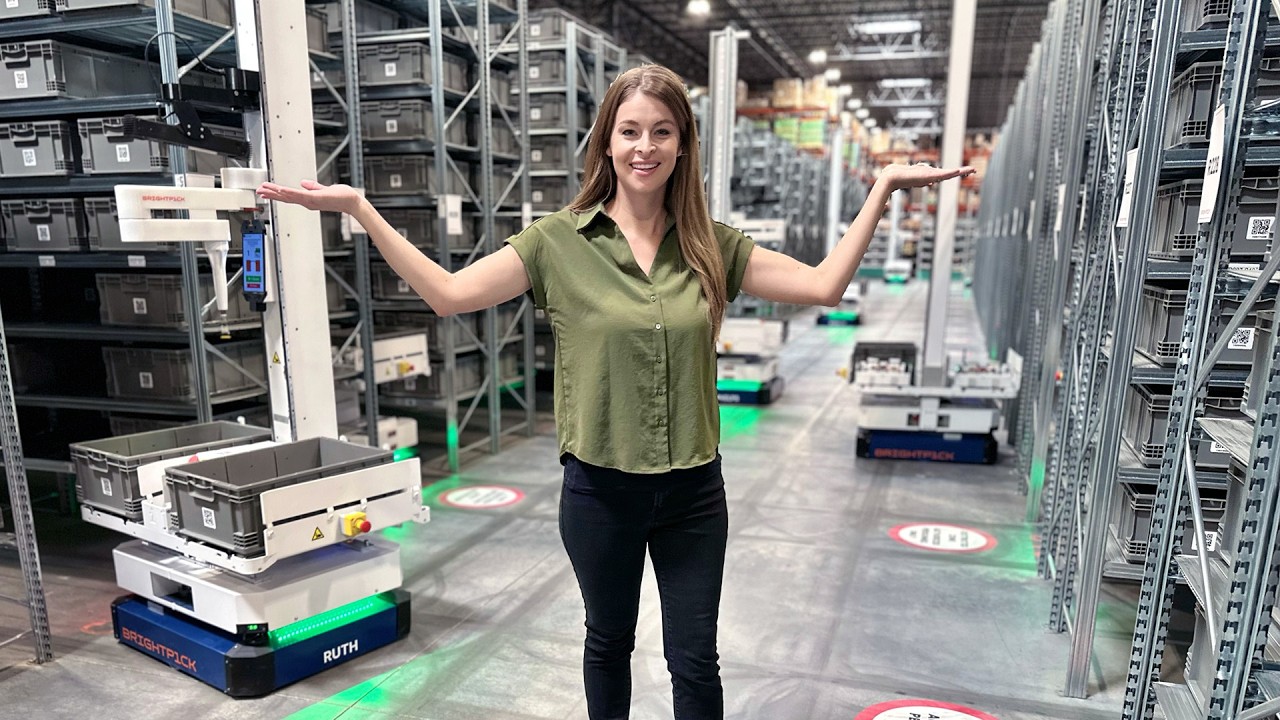
The Feed Sports Nutrition Automated Fulfillment Center with Brightpick
Brightpick