KUKA AMRs: Autonomous Mobile Robots for Flexible Production and Logistics
Quick Facts
Technology Performance Metrics
⭐Key Features
Benefits
Applications
Detailed Information
Technology Overview
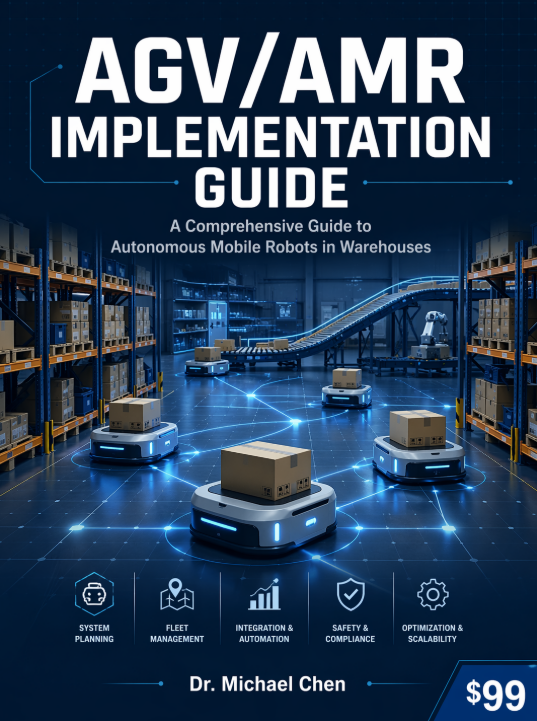
KUKA's portfolio of Autonomous Mobile Robots (AMRs) is designed to meet the evolving demands of modern, networked industries for both internal logistics and flexible production. These robots represent more than just transportation; they are a key component in creating agile, responsive, and efficient material flow systems. KUKA positions its AMRs as enablers of "industrial intelligence," focusing on ease of use through no-code programming, comprehensive fleet orchestration, and certified safety technology. The systems are built to integrate seamlessly into existing environments, allowing businesses to automate step-by-step. With capabilities for 24/7 operation, high availability, and the ability to link disparate machines and processes, KUKA AMRs aim to provide the foundational mobility layer for the smart factories and warehouses of today and tomorrow.
How It Works
Core Principles
The core principles are Autonomous Flexibility and Seamless Integration. KUKA AMRs utilize advanced navigation to move independently and intelligently through dynamic environments. They are designed to act not as isolated units but as coordinated members of a larger fleet ("clusters"), managed by a central software brain. The principle of Accessible Automation is emphasized through no-code programming tools, lowering the barrier to deployment and changes.
Key Features & Capabilities
No-Code Programming and Easy Integration is a standout feature aimed at reducing complexity. This allows plant engineers or technicians to set up and modify AMR tasks without deep robotics programming knowledge, accelerating time-to-value and enabling in-house adaptability.
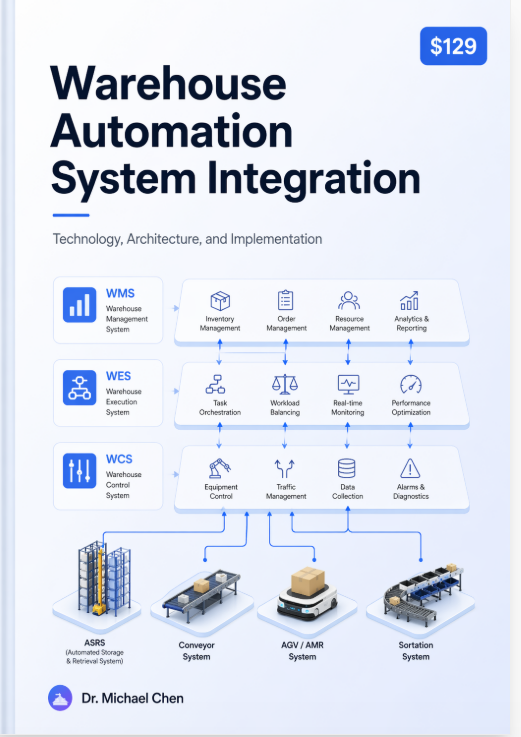
Comprehensive Fleet Management and Orchestration is critical for scalability. The ability to control, schedule, and monitor an entire fleet from a single instance of software is essential for deploying AMRs at scale and ensuring they work together efficiently rather than as isolated agents.
Broad Portfolio for Maximum Scalability refers to the variety of hardware interfaces and integration options. This ensures that AMRs can connect to a wide range of existing machinery, conveyor systems, lifts, and workstations, making them a versatile tool for gradually automating and linking various parts of an operation.
Certified Safety and High Availability are non-negotiable for industrial use. The AMRs are built with integrated safety sensors and systems that meet industry standards, allowing safe operation around people. The design for 24/7 operation and 99% availability ensures they are reliable components in critical production and logistics processes.
Advantages & Benefits
The primary benefit is Unmatched Production and Logistics Flexibility. The ability to have AMRs link machines in any order and adapt routes on the fly allows manufacturers to quickly reconfigure production lines, handle product variants, and respond to changing customer demands without costly physical re-engineering.
It drives Significant Productivity Gains and Workforce Empowerment. By automating repetitive and physically demanding transport tasks, AMRs free skilled workers to focus on higher-value activities like supervision, quality control, and complex assembly, thereby unleashing the full potential of the human workforce.
The system offers Predictable Processes and Fast ROI. Automation with reliable, high-availability AMRs leads to consistent, predictable material flow. This reduces variability, minimizes downtime, and creates a clear, calculable path to a fast return on investment through labor savings and increased throughput.
Global Support and Trusted Technology provide peace of mind. Backing from KUKA as an experienced, global partner with rapid response service ensures customers have support throughout the lifecycle of the system, from implementation to daily operation and maintenance.
Implementation Considerations
Strategic Process Analysis and Planning is the first step. Identifying the right material flows to automate and designing how AMRs will interface with existing equipment (using the broad port portfolio) is crucial for success, rather than simply deploying robots without a clear workflow design.
Change Management and Workforce Training are important. While no-code tools simplify programming, introducing mobile robots changes workflows. Training staff on how to interact with, supervise, and benefit from the AMR fleet is key to realizing the promised productivity gains.
Fleet Management Software Mastery is essential for scaling. To achieve the full benefits of cluster intelligence and high-level orchestration, operators must become proficient in using the fleet management tools for optimization, analytics, and exception handling.
Conclusion
KUKA's AMR ecosystem is a comprehensive and sophisticated solution for businesses seeking to inject flexibility, intelligence, and efficiency into their internal logistics and production material flow. It is particularly well-suited for manufacturing and logistics operations facing high-mix production, frequent changeovers, and the need to connect legacy and modern equipment. The emphasis on no-code programming and strong global support makes it an accessible yet powerful option. Success depends on a thoughtful implementation that aligns AMR capabilities with specific process pain points and leverages the fleet management software for continuous optimization. For companies looking to build a resilient, adaptable, and productive operation, KUKA AMRs offer a proven path toward industrial intelligence and automated workflow.
Vendor
KUKARelated Technologies
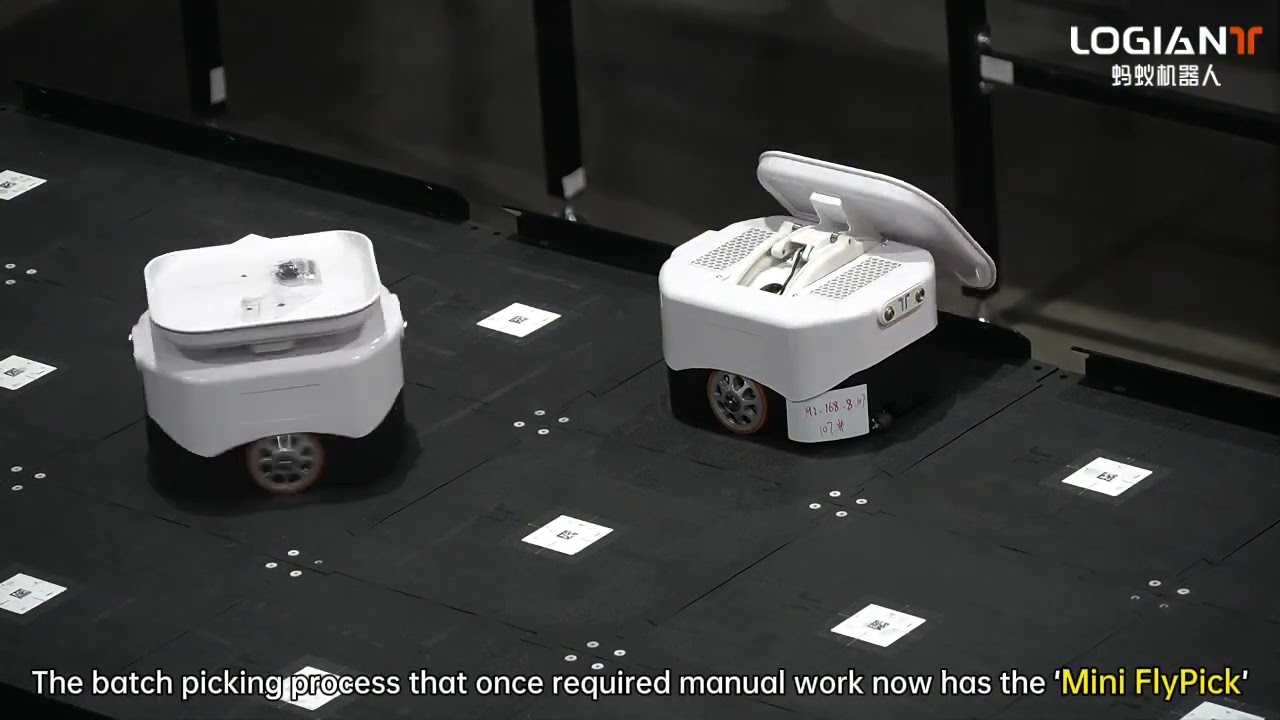
Mini FlyPick Robot: Compact High-Speed Sorting AMR
Others
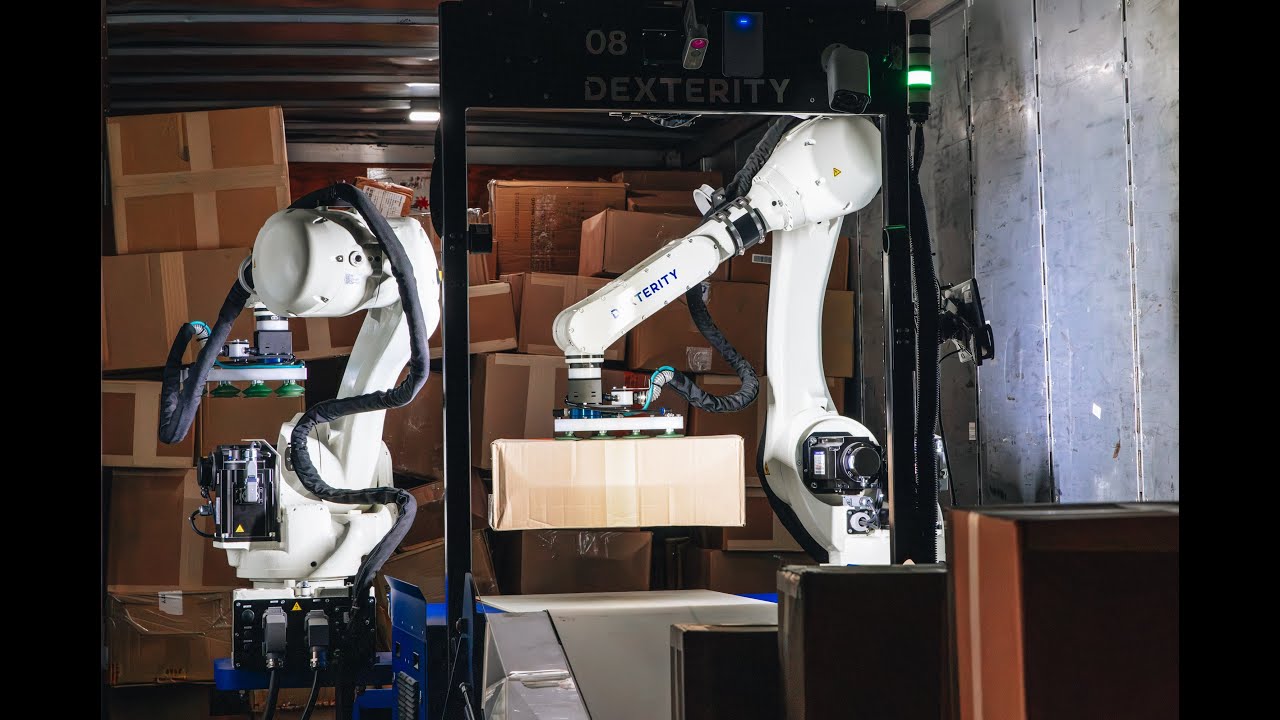
AI-Powered Robotic Truck Loading System
Others

TiltSort-Bot: Autonomous Mobile Robot (AMR) for Sortation
Conveyco