Digital Twin
Virtual replica of physical warehouse operations that enables real-time monitoring, simulation, and optimization through synchronized data integration, providing unprecedented visibility and predictive capabilities for operational excellence.
Digital Twin Architecture
Data Integration
- ▸Real-Time Sync: Continuous data streams
- ▸IoT Sensors: Equipment monitoring
- ▸WMS/WES: Operational data
- ▸Bidirectional Flow: Virtual to physical
Simulation
- ▸What-If Analysis: Scenario testing
- ▸Risk-Free Testing: Before implementation
- ▸Process Optimization: Continuous improvement
- ▸Capacity Planning: Future scenarios
Real-Time Visibility
Comprehensive monitoring of warehouse operations with 3D visualization and live performance metrics.
Predictive Analytics
AI-powered forecasting for maintenance, capacity planning, and operational optimization.
Risk Reduction
Test changes virtually before physical implementation to avoid costly mistakes and disruptions.
What is a Digital Twin?
A Digital Twin is a dynamic virtual representation of a physical warehouse that mirrors real-world operations in real-time, creating a synchronized digital counterpart that enables visualization, analysis, simulation, and optimization of warehouse processes without disrupting actual operations. By integrating data from IoT sensors, WMS/WES systems, automation equipment, and other sources, the digital twin maintains continuous alignment with physical reality, providing operations teams with an immersive, interactive platform for monitoring performance, testing scenarios, and making data-driven decisions.
Unlike static simulation models or historical reporting dashboards, digital twins offer bidirectional data flow where changes in the physical warehouse instantly update the virtual model, while insights and optimizations discovered in the digital environment can be deployed back to physical operations. This creates a powerful feedback loop that enables continuous improvement, predictive maintenance, and proactive problem-solving that transforms warehouse management from reactive firefighting to strategic optimization.
Core Components
Real-Time Data Integration forms the foundation of digital twin functionality, requiring seamless connectivity with diverse data sources including WMS/WES systems, PLC controllers, IoT sensors, RFID readers, computer vision systems, and enterprise databases. The digital twin continuously ingests streams of operational data—inventory movements, equipment status, order progress, environmental conditions, and worker locations—processing this information to maintain an accurate, up-to-date representation of warehouse state. Advanced integration frameworks handle data normalization, timestamp synchronization, and quality validation to ensure the virtual model reliably reflects physical reality.
3D Visualization and Modeling provides intuitive, immersive interfaces that enable users to explore warehouse operations from multiple perspectives, zooming from facility-wide overviews down to individual equipment or order details. Modern digital twin platforms employ photorealistic rendering, interactive navigation, and customizable views that display real-time equipment status, material flow, bottleneck identification, and performance metrics overlaid on the virtual warehouse model. This visual approach makes complex operational data accessible to diverse stakeholders, from executives seeking high-level insights to engineers troubleshooting specific equipment issues.
Simulation Engine enables "what-if" analysis by allowing users to test operational changes, equipment configurations, or process modifications in the virtual environment before implementing them physically. The simulation capability supports scenario planning for peak seasons, evaluation of automation investments, testing of new picking strategies, and assessment of layout modifications without disrupting actual operations or requiring expensive physical prototypes. Advanced simulation engines incorporate physics modeling, constraint validation, and statistical analysis to provide realistic predictions of how proposed changes will impact throughput, efficiency, and resource utilization.
Intralogistics Innovation Center: Integrated Solutions Showcase
Vendor: Daifuku
Key Applications
Operational Monitoring and Control leverages the digital twin as a real-time command center that provides comprehensive visibility into warehouse performance, enabling operations managers to identify issues, monitor KPIs, and coordinate responses from a unified platform. The system can display live equipment status, track order progress through fulfillment stages, visualize congestion points, and alert operators to exceptions requiring intervention. This centralized visibility is particularly valuable for large, complex facilities where physical observation of all areas is impractical, and for remote management of distributed warehouse networks.
Predictive Maintenance utilizes digital twin data to forecast equipment failures before they occur, analyzing patterns in sensor data, performance metrics, and operational history to identify degradation trends and schedule maintenance proactively. By monitoring vibration, temperature, power consumption, cycle times, and error rates, the system can predict when conveyors, sorters, robots, or other automation will require service, enabling maintenance teams to address issues during planned downtime rather than responding to unexpected breakdowns. This predictive approach reduces unplanned outages, extends equipment life, and optimizes maintenance resource allocation.
Process Optimization employs the digital twin to continuously analyze operational efficiency and identify improvement opportunities through data-driven insights and AI-powered recommendations. The system can detect suboptimal picking paths, unbalanced workload distribution, inefficient slotting strategies, or underutilized equipment capacity, suggesting specific changes to enhance performance. By testing these recommendations in simulation before implementation, operations teams can validate improvements and avoid changes that might have unintended negative consequences, creating a risk-free environment for continuous optimization.
Implementation Approach
Phased Deployment represents the practical path for digital twin adoption, typically beginning with limited scope focused on high-value areas such as automated zones, critical equipment, or specific processes before expanding to comprehensive facility coverage. Initial implementations might model only the material handling system or focus on order fulfillment flow, establishing data integration patterns and demonstrating value before investing in complete facility digitization. This incremental approach manages implementation complexity, controls costs, and allows organizations to develop expertise gradually while delivering early wins that build stakeholder support.
Data Infrastructure Requirements demand robust connectivity, processing capacity, and storage capabilities to support the continuous data flows and computational demands of digital twin operations. Organizations must ensure reliable network connectivity to all data sources, sufficient bandwidth for real-time data transmission, edge computing capabilities for local processing, and cloud or on-premise infrastructure for data storage, analytics, and visualization. The data architecture must handle both streaming real-time data and historical archives, supporting both live monitoring and retrospective analysis while maintaining data quality, security, and governance standards.
Change Management and Adoption challenges often exceed technical implementation complexity, as digital twins introduce new ways of working that require cultural adaptation and skill development. Success requires executive sponsorship, cross-functional collaboration, comprehensive training, and clear demonstration of value to overcome resistance and drive adoption. Organizations must define new roles and responsibilities for digital twin management, establish governance processes for simulation-based decision making, and create feedback mechanisms that ensure insights discovered in the virtual environment translate into physical operational improvements.
Bastian Solutions Corporate Profile: Toyota Advanced Logistics
System Integrator: Bastian Solutions
Technology Ecosystem
IoT and Sensor Networks provide the real-time data streams that keep digital twins synchronized with physical operations, requiring strategic deployment of sensors, RFID readers, cameras, and monitoring devices throughout the facility. Modern IoT platforms offer diverse sensing capabilities including location tracking, environmental monitoring, equipment performance measurement, and material flow detection. The sensor network must balance coverage completeness with cost and complexity, prioritizing data collection for high-value assets, critical processes, and areas where visibility gaps currently limit operational effectiveness.
AI and Machine Learning enhance digital twin capabilities beyond simple visualization and simulation, enabling predictive analytics, anomaly detection, optimization recommendations, and autonomous decision-making. Machine learning models can identify patterns in operational data that humans might miss, forecast future states based on current trends, and suggest interventions to prevent problems or capture opportunities. As these AI capabilities mature, digital twins evolve from passive monitoring tools into active optimization engines that continuously improve warehouse performance with minimal human intervention.
Cloud and Edge Computing architectures support digital twin scalability and performance, with edge computing handling time-critical processing near data sources while cloud platforms provide centralized analytics, storage, and visualization capabilities. This hybrid approach ensures low-latency response for real-time monitoring and control while leveraging cloud scalability for computationally intensive simulation and long-term data analysis. Cloud deployment also facilitates multi-site digital twin implementations where centralized platforms monitor and optimize distributed warehouse networks from a unified interface.
Business Value
Risk Reduction emerges as a primary digital twin benefit, enabling organizations to test changes virtually before physical implementation, avoiding costly mistakes and operational disruptions. Whether evaluating new automation equipment, modifying facility layouts, or implementing process changes, the ability to simulate outcomes and identify issues in advance significantly reduces project risk and accelerates deployment timelines. This de-risking capability is particularly valuable for major capital investments where implementation errors could have severe financial and operational consequences.
Operational Excellence results from the continuous improvement cycle enabled by digital twin visibility and optimization capabilities, driving incremental performance gains that compound over time into substantial competitive advantages. By identifying and addressing inefficiencies, optimizing resource utilization, and preventing problems before they impact operations, digital twins help facilities operate closer to theoretical maximum performance. The combination of real-time monitoring, predictive capabilities, and simulation-based optimization creates a self-improving system that continuously enhances warehouse effectiveness.
Strategic Planning benefits from digital twin scenario analysis capabilities that support long-term capacity planning, network optimization, and investment prioritization with greater confidence and precision than traditional planning approaches. Organizations can model future demand scenarios, evaluate expansion options, assess automation alternatives, and optimize network configurations using realistic simulations based on actual operational data. This strategic application of digital twin technology enables better capital allocation decisions and more effective long-term warehouse strategy development.
Future Evolution
Autonomous Operations represent the ultimate vision for digital twin technology, where AI-powered systems use the virtual model to continuously optimize operations with minimal human intervention, automatically adjusting parameters, reallocating resources, and responding to changing conditions. As machine learning capabilities advance and organizations gain confidence in automated decision-making, digital twins will transition from decision support tools to autonomous optimization engines that manage routine operational adjustments while escalating only exceptional situations for human review.
Extended Reality Integration will enhance digital twin interfaces through augmented reality (AR) and virtual reality (VR) technologies that provide immersive, intuitive ways to interact with warehouse data and simulations. AR applications could overlay digital twin information onto physical warehouse views through smart glasses, showing equipment status, order locations, or optimization recommendations in context. VR environments could enable remote facility tours, collaborative planning sessions, or training simulations that leverage digital twin accuracy without requiring physical presence.
Supply Chain Integration will expand digital twin scope beyond individual warehouses to encompass end-to-end supply chain visibility and optimization, connecting warehouse digital twins with manufacturing, transportation, and retail operations. This extended digital twin network would enable holistic supply chain optimization, coordinating inventory positioning, production scheduling, and fulfillment strategies across the entire value chain. The resulting supply chain digital twin would provide unprecedented visibility and control, enabling organizations to optimize globally rather than locally and respond more effectively to market dynamics.
Vendor Landscape
The digital twin market includes specialized warehouse digital twin providers, industrial IoT platforms with digital twin capabilities, and simulation software vendors expanding into real-time operations. Leading providers like Dematic, Swisslog, and Körber offer digital twin solutions integrated with their automation systems, while technology companies such as Siemens, NVIDIA, and Microsoft provide platform capabilities that enable custom digital twin development. The market is rapidly evolving as technologies mature and use cases expand, with increasing convergence between simulation, IoT, and operational systems creating comprehensive digital twin ecosystems.
Selection considerations should emphasize integration capabilities with existing systems, scalability to support growth, user interface quality for diverse stakeholders, and vendor expertise in warehouse operations. The digital twin becomes a strategic platform that influences operational decisions and investment priorities, making vendor selection critical for long-term success and requiring careful evaluation of both technical capabilities and partnership potential.
Related Technologies (6)
Intralogistics Innovation Center: Integrated Solutions Showcase
Daifuku
Momentum WES: Next-Generation Warehouse Execution and Control
Honeywell Intelligrated
Momentum Warehouse Execution System (WES): Real-Time Fulfillment Orchestration
Honeywell Intelligrated
Autopicker: Multi-Purpose AI-Powered Picking AMR
Brightpick
AutoStore: Robotic Cube Storage ASRS for High-Density Fulfillment
AutoStore
Automated Guided Vehicles (AGVs): Comprehensive Warehouse Automation
Jungheinrich
Related Software Topics
Multi-Robot Orchestration
Intelligent fleet management systems that coordinate multiple autonomous robots to work together efficiently, optimizing task allocation, traffic management, and resource utilization across complex warehouse environments.
Simulation Software
Advanced modeling and simulation platforms that create virtual replicas of warehouse operations to test scenarios, optimize processes, validate automation designs, and predict performance outcomes before physical implementation, reducing risk and enabling data-driven decision-making.
Slotting Optimization
AI-powered systems that strategically position products within warehouse storage locations to minimize travel time, maximize space utilization, and enhance picking efficiency through data-driven analysis of velocity, affinity, and operational patterns.
About This Topic
Related Projects(6)

Bastian Solutions Corporate Profile: Toyota Advanced Logistics
Bastian Solutions
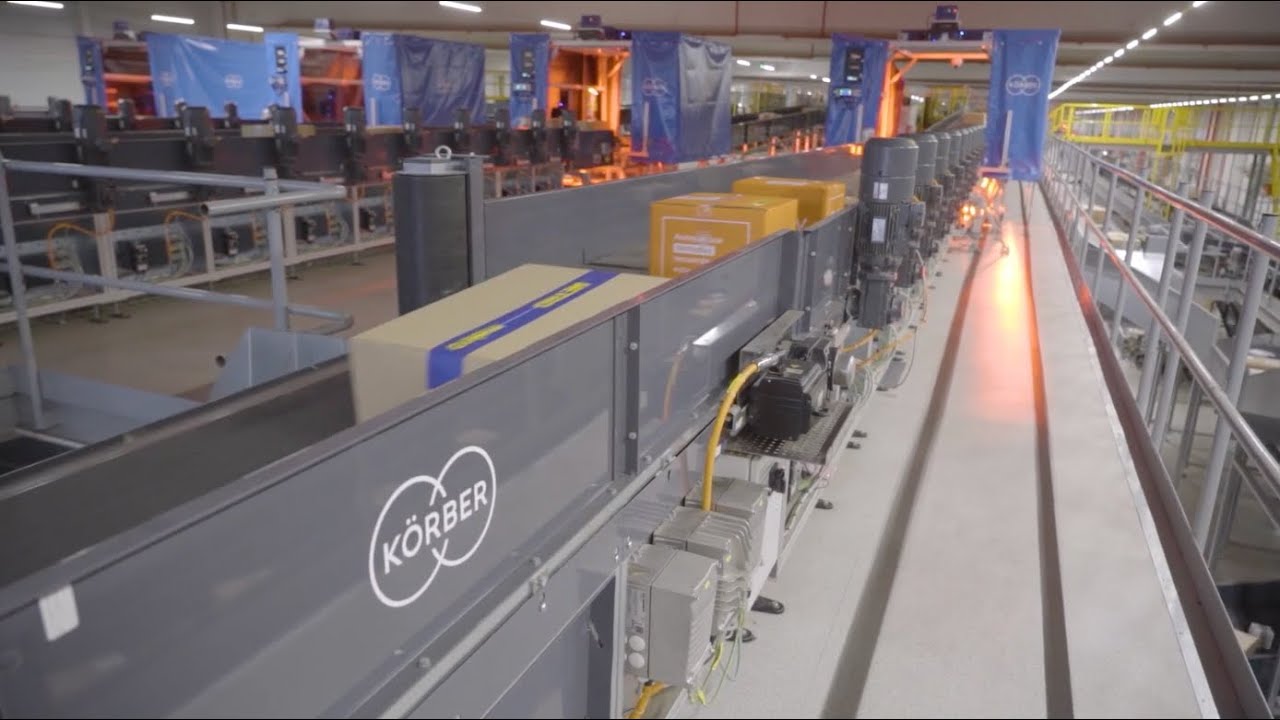
GLS Spain Madrid Parcel Sorting Hub
Körber
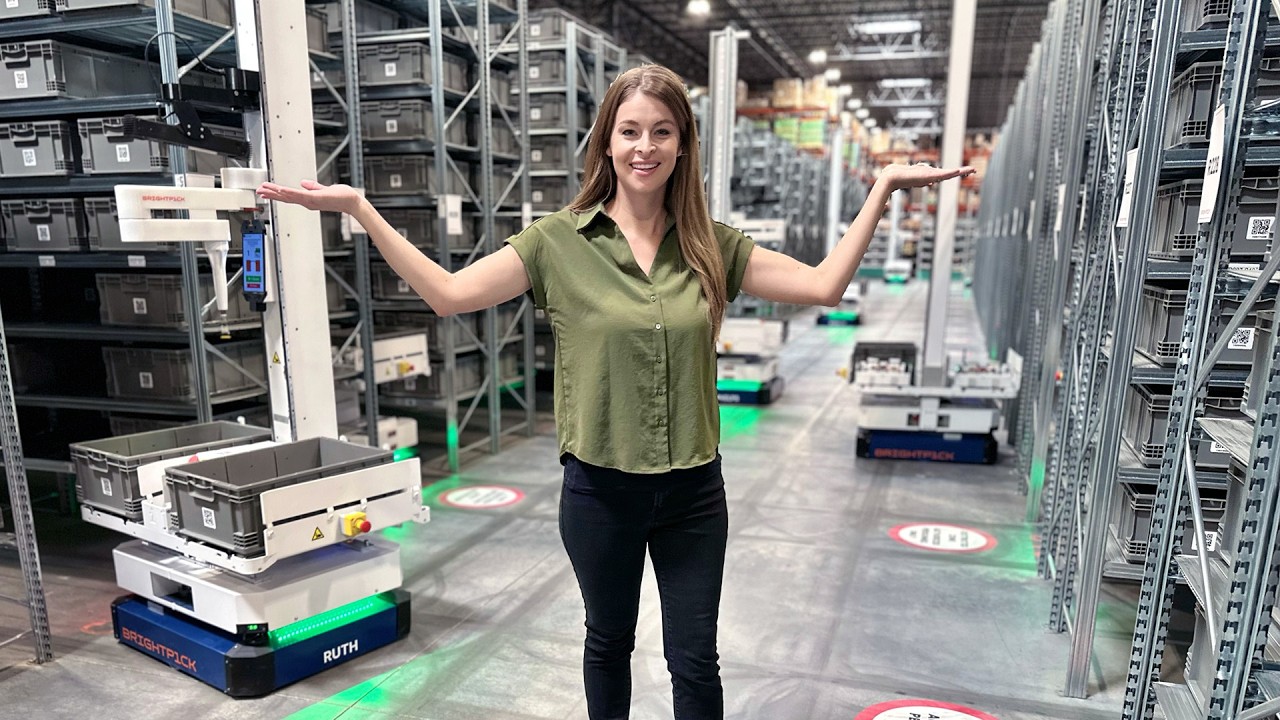
The Feed Sports Nutrition Automated Fulfillment Center with Brightpick
Brightpick
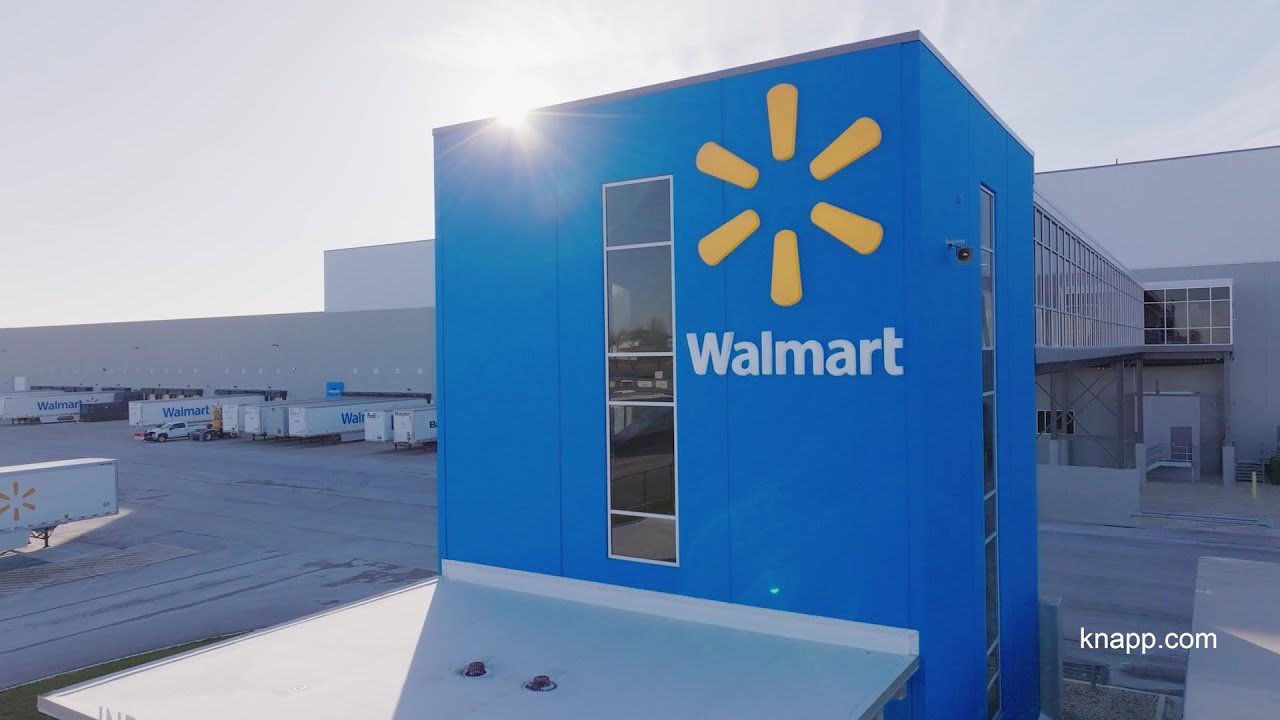
Walmart - Next Generation Fulfillment Centers Automation
Knapp
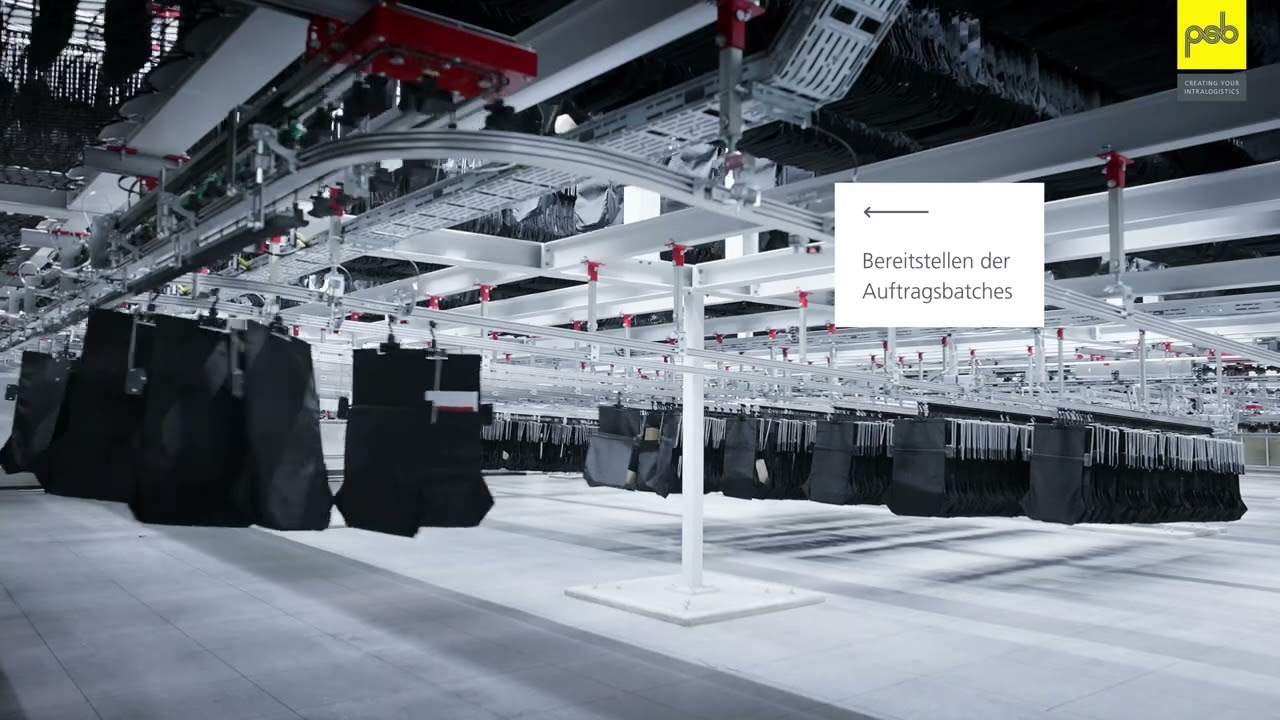
CEWE Stiftung - Oldenburg Production & Distribution Center Automation
psb intralogistics GmbH
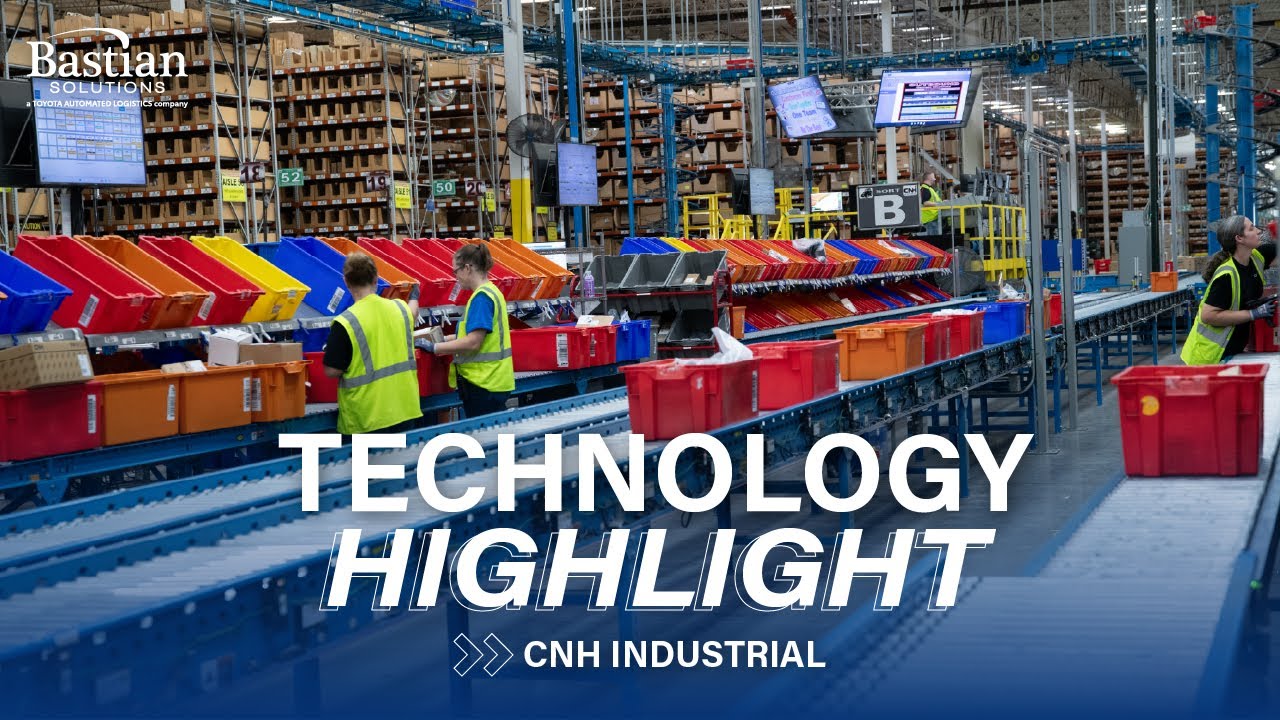
CNH Industrial Indianapolis Distribution Center
Bastian Solutions
Related Suppliers(3)

6 River Systems
The Seamless Fulfillment Automation Solution to Boost Efficiency and Productivity in Your Warehouse

ABB Robotics
Global leader in industrial robotics and automation technology with comprehensive solutions for warehouse and logistics applications.

Addverb
Warehouse Automation that delivers value!