Voice Picking Systems
Voice picking systems revolutionize warehouse operations by enabling hands-free, eyes-free order fulfillment through speech recognition technology. Workers receive spoken instructions through wireless headsets and confirm actions verbally, dramatically improving productivity, accuracy, and safety while reducing training time.
Core Technology
- • Speech recognition software
- • Text-to-speech engines
- • Wireless headset systems
- • Voice command processing
- • Real-time communication
Hardware Components
- • Wireless headsets
- • Wearable computers
- • Noise-canceling microphones
- • Mobile devices
- • Network infrastructure
Applications
- • Order fulfillment
- • Multi-SKU picking
- • Cold storage operations
- • Retail distribution
- • E-commerce fulfillment
Benefits
- • Hands-free operation
- • Eyes-free navigation
- • Improved accuracy
- • Faster training
- • Better ergonomics
Implementation
- • Voice template creation
- • WMS integration
- • Worker training programs
- • Network setup
- • Performance monitoring
Considerations
- • Noise level control
- • Accent adaptation
- • System reliability
- • Battery management
- • Vocabulary maintenance
Key Performance Metrics
Transforming Warehouse Operations Through Voice
Voice picking systems represent one of the most successful and widely adopted warehouse automation technologies, fundamentally changing how workers interact with warehouse management systems during order fulfillment. By replacing paper pick lists and handheld scanners with natural voice communication, these systems enable workers to keep their hands free for handling products and their eyes focused on their surroundings, creating a safer and more efficient picking environment. The technology has matured significantly since its introduction in the 1990s, with modern systems offering sophisticated speech recognition capabilities that work reliably even in noisy warehouse environments.
The fundamental principle behind voice picking is elegantly simple: workers wear wireless headsets connected to small wearable computers that communicate with the warehouse management system. The system provides spoken instructions directing workers to specific locations, telling them what products to pick and in what quantities. Workers respond with voice commands to confirm their actions, creating a continuous dialogue that guides them through their picking tasks. This hands-free, eyes-free approach eliminates the need to constantly look down at screens or paper lists, allowing workers to maintain better situational awareness and handle products more efficiently.
Modern voice picking systems have evolved far beyond simple command-and-response interactions. Today's solutions incorporate advanced natural language processing that can understand variations in speech patterns, accents, and vocabulary. The systems adapt to individual workers' voices through personalized voice templates, improving recognition accuracy over time. Integration with warehouse management systems enables real-time task optimization, dynamic route adjustment, and immediate inventory updates. The result is a picking operation that combines the efficiency of automation with the flexibility and problem-solving capabilities of human workers.
Technology Architecture and Components
The hardware foundation of voice picking systems centers on industrial-grade wireless headsets specifically designed for warehouse environments. These headsets feature noise-canceling microphones that filter out ambient warehouse sounds, ensuring clear voice recognition even in facilities with conveyor systems, forklifts, and other equipment generating background noise. The headsets connect to wearable computers—small, rugged devices typically worn on the worker's belt or arm—that run the voice recognition software and communicate with the warehouse management system via wireless networks. Modern wearable computers are lightweight, durable, and designed to withstand the physical demands of warehouse work, with battery life sufficient for full shifts.
The software layer provides the intelligence that makes voice picking effective. Speech recognition engines convert workers' spoken responses into digital commands, while text-to-speech systems generate the natural-sounding instructions that guide workers through their tasks. These engines must handle the specialized vocabulary of warehouse operations, including location codes, product identifiers, and quantity confirmations. The software maintains continuous communication with the warehouse management system, receiving pick assignments and transmitting completion confirmations in real-time. Advanced systems incorporate machine learning algorithms that improve recognition accuracy by learning from each worker's speech patterns and adapting to their individual voice characteristics.
Integration architecture connects voice picking systems to existing warehouse management systems through standardized interfaces that enable seamless data exchange. The integration layer handles task assignment, inventory updates, exception management, and performance tracking. Modern implementations often include middleware that optimizes pick routes, batches orders intelligently, and manages workload distribution across multiple workers. This integration ensures that voice picking operates as part of a cohesive warehouse automation strategy rather than as an isolated technology island. The system architecture also includes redundancy and failover capabilities to maintain operations even if individual components experience issues.
Voice-Directed Warehouse System
Vendor: Others
Operational Workflow and User Experience
A typical voice picking session begins when a worker logs into the system using voice commands, establishing their identity and initializing their personalized voice template. The system then assigns a batch of picks optimized for efficient travel through the warehouse. Workers receive their first instruction—typically a location identifier spoken in a clear, natural voice. As they travel to the location, they can focus on navigating safely through the warehouse rather than consulting a screen or paper list. Upon arrival, workers speak a check digit—a verification number posted at the location—confirming they're in the correct spot. This simple verification step dramatically reduces location errors, one of the most common sources of picking mistakes.
Once location verification is complete, the system provides product identification information and the quantity to pick. Workers locate the product, pick the specified quantity, and verbally confirm the action. The system may request additional verification for high-value items or products prone to confusion, asking workers to confirm product codes or other identifying information. If workers encounter problems—such as insufficient inventory, damaged products, or unclear instructions—they can use voice commands to report exceptions, triggering immediate supervisor notification and alternative task assignment. This exception handling capability ensures that problems don't cause workers to waste time waiting for assistance or making incorrect decisions.
The user experience emphasizes natural communication patterns that minimize cognitive load. Rather than requiring workers to memorize complex command structures, modern voice picking systems accept conversational responses. Workers can say "yes," "okay," "correct," or similar affirmations to confirm actions. The systems provide clear, concise instructions without unnecessary information, maintaining a brisk pace that keeps workers engaged without feeling rushed. Audio feedback confirms successful command recognition, while distinct tones or messages alert workers to errors or exceptions. This carefully designed interaction model makes voice picking intuitive even for workers with limited technical experience, contributing to the technology's high adoption rates.
Performance Benefits and Productivity Gains
Voice picking systems typically deliver productivity improvements of 15-25% compared to paper-based picking and 10-15% compared to RF scanning methods. These gains stem from multiple factors working in concert. The hands-free operation allows workers to handle products more efficiently, reducing the time spent putting down and picking up scanners or clipboards. The eyes-free interface enables workers to maintain better awareness of their surroundings, moving more confidently and safely through the warehouse. Optimized routing algorithms ensure workers follow efficient paths, minimizing travel time between picks. Real-time task updates allow the system to dynamically adjust assignments based on changing priorities, ensuring workers always focus on the most important orders.
Accuracy improvements represent another significant benefit, with voice picking operations typically achieving accuracy rates of 99.5% or higher. The location verification process—where workers speak check digits to confirm they're in the correct location—virtually eliminates the most common source of picking errors. Quantity confirmation through voice creates a natural double-check that catches mistakes before they propagate through the fulfillment process. The system's ability to request additional verification for specific items adds another layer of accuracy protection. These accuracy improvements translate directly to reduced returns, lower correction costs, and improved customer satisfaction. The financial impact of accuracy gains often exceeds the productivity benefits, making voice picking attractive even in operations where speed isn't the primary concern.
Training time reduction provides another compelling advantage. New workers can typically become productive with voice picking systems in 2-3 days, compared to 1-2 weeks for traditional picking methods. The intuitive voice interface requires minimal technical knowledge, allowing training to focus on warehouse layout, product knowledge, and safety procedures rather than system operation. The system guides workers through each step, reducing the cognitive load associated with remembering complex procedures or navigating unfamiliar warehouse layouts. This rapid onboarding capability is particularly valuable for operations dealing with seasonal volume fluctuations or high worker turnover, enabling facilities to quickly scale their workforce to meet demand.
Amway Midwest Regional Service Center, Ada
System Integrator: Bastian Solutions
Implementation Strategy and Best Practices
Successful voice picking implementation begins with thorough assessment of facility readiness and operational requirements. The wireless network infrastructure must provide reliable coverage throughout all picking areas, with sufficient bandwidth to support real-time communication for all workers. Acoustic conditions require evaluation to ensure voice recognition will function reliably—facilities with extremely high noise levels may need acoustic treatments or alternative technology approaches. The warehouse management system must support the integration interfaces required for voice picking, with data structures and workflows compatible with voice-directed operations. This assessment phase identifies potential obstacles early, allowing teams to address them before deployment begins.
Pilot programs provide invaluable learning opportunities before full-scale rollout. Starting with a limited area or specific product category allows operations to refine workflows, optimize system configuration, and build worker confidence without disrupting the entire facility. The pilot phase should include workers with varying experience levels and different native languages to ensure the system performs well across the workforce. Collecting detailed performance metrics during the pilot enables data-driven decisions about system tuning and process adjustments. Successful pilots also create champions within the workforce—experienced workers who can mentor others during broader deployment and provide peer-to-peer support that complements formal training.
Change management deserves careful attention throughout the implementation process. Workers may initially resist voice picking due to concerns about monitoring, performance pressure, or simply discomfort with new technology. Addressing these concerns requires transparent communication about system capabilities, clear explanation of how performance data will be used, and emphasis on the ergonomic and safety benefits workers will experience. Involving workers in the implementation process—soliciting their feedback on workflows, vocabulary choices, and system configuration—builds ownership and reduces resistance. Celebrating early successes and recognizing top performers helps build positive momentum. Organizations that invest in thoughtful change management typically see faster adoption, higher worker satisfaction, and better long-term results.
Industry Applications and Use Cases
Food and beverage distribution represents one of the largest application areas for voice picking, where the technology's hands-free operation provides particular advantages. Workers handling refrigerated or frozen products benefit from keeping their hands free and warm, rather than exposing them repeatedly to operate scanners or handle paperwork. The ability to wear gloves without impacting system operation makes voice picking ideal for cold storage environments. Food safety requirements often mandate frequent handwashing and sanitation, making hands-free operation more hygienic than shared scanning equipment. The high accuracy rates achievable with voice picking help ensure correct product selection in environments where similar packaging or product variations could lead to costly errors.
Pharmaceutical distribution leverages voice picking's accuracy and traceability capabilities to meet stringent regulatory requirements. The system's ability to enforce verification steps ensures workers confirm critical information like lot numbers and expiration dates. Voice picking creates detailed audit trails documenting every pick action, supporting compliance with FDA and other regulatory requirements. The hands-free operation allows workers to handle products carefully while maintaining focus on quality and accuracy. Many pharmaceutical distributors combine voice picking with vision systems or weight verification to create multi-layer accuracy protection for high-value medications. The technology's proven track record in pharmaceutical applications demonstrates its reliability and precision.
Retail distribution centers use voice picking to handle the high SKU variety and order complexity typical of omnichannel fulfillment. The system's ability to guide workers through complex multi-line orders while maintaining high accuracy makes it ideal for retail applications where order profiles vary significantly. Voice picking supports various picking strategies—discrete order picking, batch picking, zone picking—providing flexibility to match operational requirements. The rapid training capability enables retail operations to quickly onboard temporary workers during peak seasons, maintaining service levels despite dramatic volume fluctuations. Integration with warehouse management systems enables sophisticated order prioritization, ensuring time-sensitive orders receive appropriate attention.
Economic Considerations and ROI
Voice picking system costs typically range from $2,500 to $4,000 per user for hardware, software licenses, and implementation services. This investment includes industrial-grade headsets, wearable computers, voice recognition software, WMS integration, and initial training. Ongoing costs include software maintenance fees (typically 15-20% of license costs annually), hardware replacement (headsets and wearable computers generally last 3-5 years), and technical support. Despite these costs, most operations achieve payback periods of 12-24 months through a combination of productivity gains, accuracy improvements, and reduced training expenses.
The return on investment calculation should consider multiple benefit categories beyond direct labor savings. Productivity improvements of 15-25% translate to either increased throughput with the same workforce or reduced labor requirements for the same volume. Accuracy improvements reducing error rates from 2-3% to 0.5% or less eliminate costly correction activities, reduce returns, and improve customer satisfaction. Training time reduction from 1-2 weeks to 2-3 days lowers onboarding costs and enables faster response to volume changes. Reduced worker injuries from improved situational awareness and ergonomics lower workers' compensation costs and improve retention. When all these factors are considered, voice picking often delivers returns exceeding 30-40% annually.
Scalability represents another economic advantage. Once the infrastructure is in place, adding users requires only incremental hardware costs and minimal additional training. This scalability makes voice picking attractive for growing operations that need technology solutions capable of expanding with their business. The mature technology market offers multiple vendor options at competitive prices, with standardized interfaces reducing switching costs and vendor lock-in concerns. Cloud-based deployment options are emerging that reduce upfront infrastructure costs and enable faster implementation, making voice picking accessible to smaller operations that previously couldn't justify the investment.
Future Evolution and Emerging Trends
Artificial intelligence and machine learning are enhancing voice picking capabilities in multiple ways. Advanced natural language processing enables more conversational interactions, allowing workers to ask questions or request clarification using natural speech rather than memorized commands. Predictive analytics optimize task assignment and routing based on historical performance patterns, worker capabilities, and real-time conditions. Machine learning algorithms continuously improve speech recognition accuracy by learning from each interaction, adapting to new vocabulary, and handling variations in pronunciation or accent. These AI enhancements make voice picking systems more intelligent and easier to use while improving operational efficiency.
Integration with other warehouse technologies creates powerful synergies. Combining voice picking with vision systems enables hands-free product verification through image recognition, adding another accuracy layer without requiring workers to scan barcodes. Integration with wearable sensors monitors worker fatigue and ergonomic stress, enabling proactive intervention to prevent injuries. Augmented reality displays can supplement voice instructions with visual guidance for complex tasks while maintaining the hands-free benefits of voice interaction. These multi-modal approaches leverage the strengths of different technologies to create more capable and flexible picking systems.
The evolution toward more flexible and adaptive systems continues as voice picking technology matures. Modern systems support multiple languages and can switch between them seamlessly, accommodating diverse workforces. Personalization capabilities allow individual workers to customize certain aspects of system behavior to match their preferences and working styles. Integration with workforce management systems enables more sophisticated labor planning and performance management. As voice picking becomes part of broader warehouse automation strategies, its role evolves from standalone picking technology to integrated component of comprehensive fulfillment solutions that combine multiple automation approaches to optimize overall performance.
Conclusion
Voice picking systems have proven themselves as one of the most successful warehouse automation technologies, delivering consistent benefits across diverse industries and operational environments. The combination of improved productivity, enhanced accuracy, reduced training time, and better ergonomics creates compelling value propositions that justify investment even in cost-sensitive operations. The technology's maturity means implementation risks are well understood and manageable, with established best practices and experienced vendors supporting successful deployments.
Organizations considering voice picking should focus on thorough preparation, realistic expectations, and commitment to change management. The technology works best when integrated thoughtfully into overall warehouse operations rather than deployed as an isolated solution. Success requires attention to infrastructure readiness, worker training, and continuous optimization. When implemented properly, voice picking transforms warehouse operations, creating more efficient, accurate, and worker-friendly fulfillment environments that support business growth and customer satisfaction. As the technology continues to evolve with AI enhancements and broader integration capabilities, voice picking will remain a cornerstone of modern warehouse automation strategies.
Related Technologies (6)
Pick2Pallet: Integrated Pick-to-Light System for Pallet Jacks
byThe Raymond Corporation
Voice-Directed Warehouse System
byOthers
Multimodal Voice Picking Solution
byDevoca
Momentum WES: Next-Generation Warehouse Execution and Control
byHoneywell Intelligrated
Pick-to-Light Systems: Light-Directed Order Picking
byOthers
Rapido Pick to Light System: Paperless Warehouse Picking
byAddverb
Related Picking Topics
Pick-to-Light Systems
Pick-to-light systems use illuminated displays at storage locations to guide warehouse workers to the correct items and quantities, dramatically improving picking speed and accuracy.
Put-to-Light Systems
Put-to-light systems use illuminated displays to guide workers in sorting picked items into the correct order containers, dramatically improving accuracy and speed in order fulfillment operations.
About This Topic
Related Projects(6)
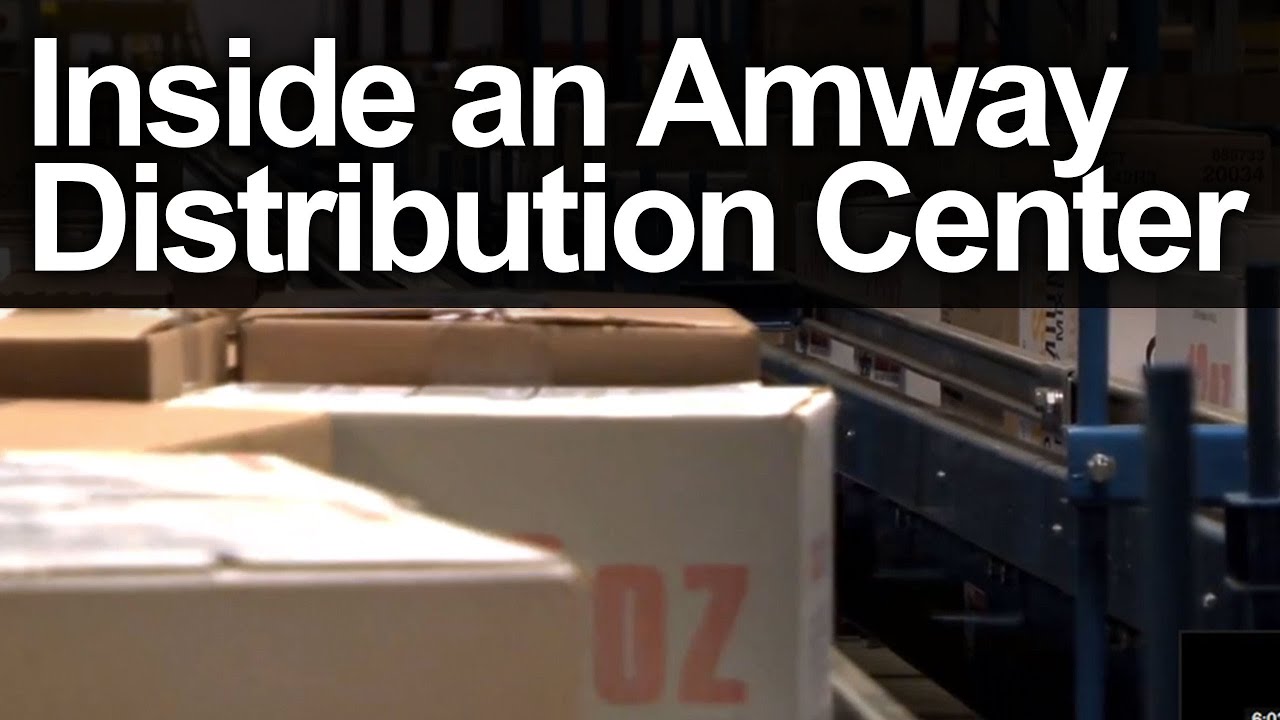
Amway Midwest Regional Service Center, Ada
Bastian Solutions
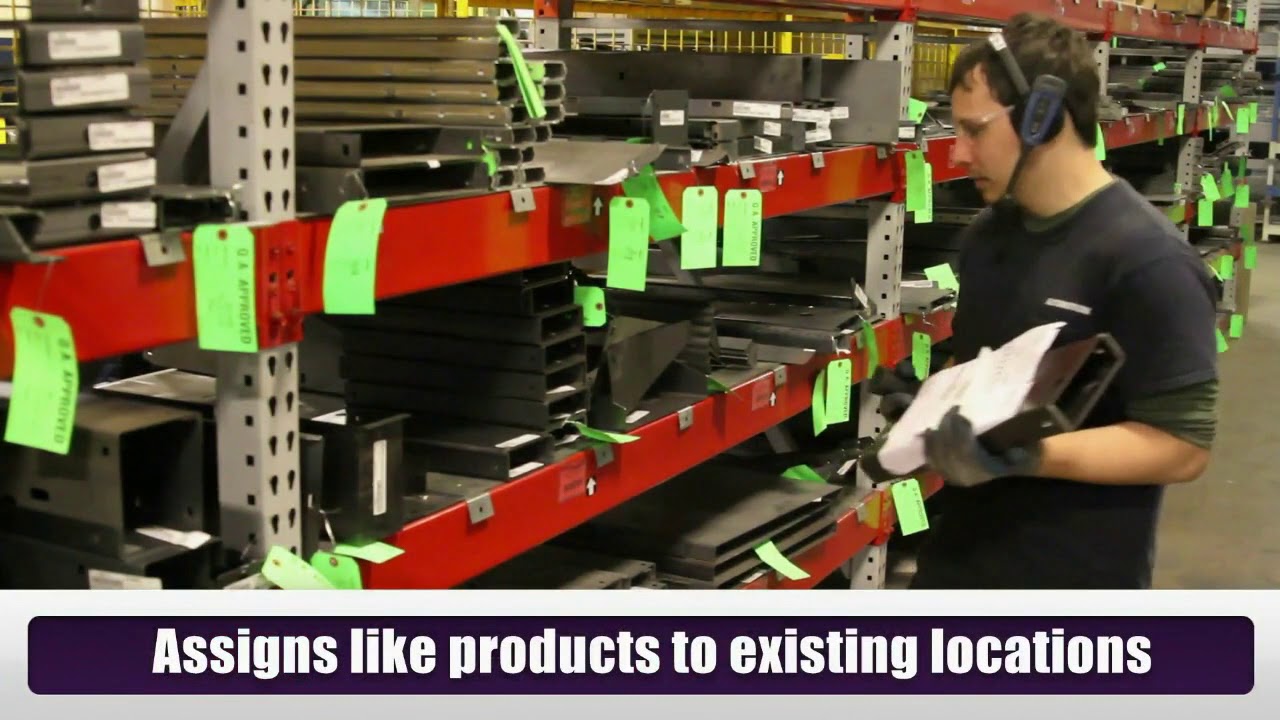
Autumn Ocean Conveyor - Oakland Manufacturing Facility Omnichannel Fulfillment Automation
Daifuku

Bastian Solutions Corporate Profile: Toyota Advanced Logistics
Bastian Solutions
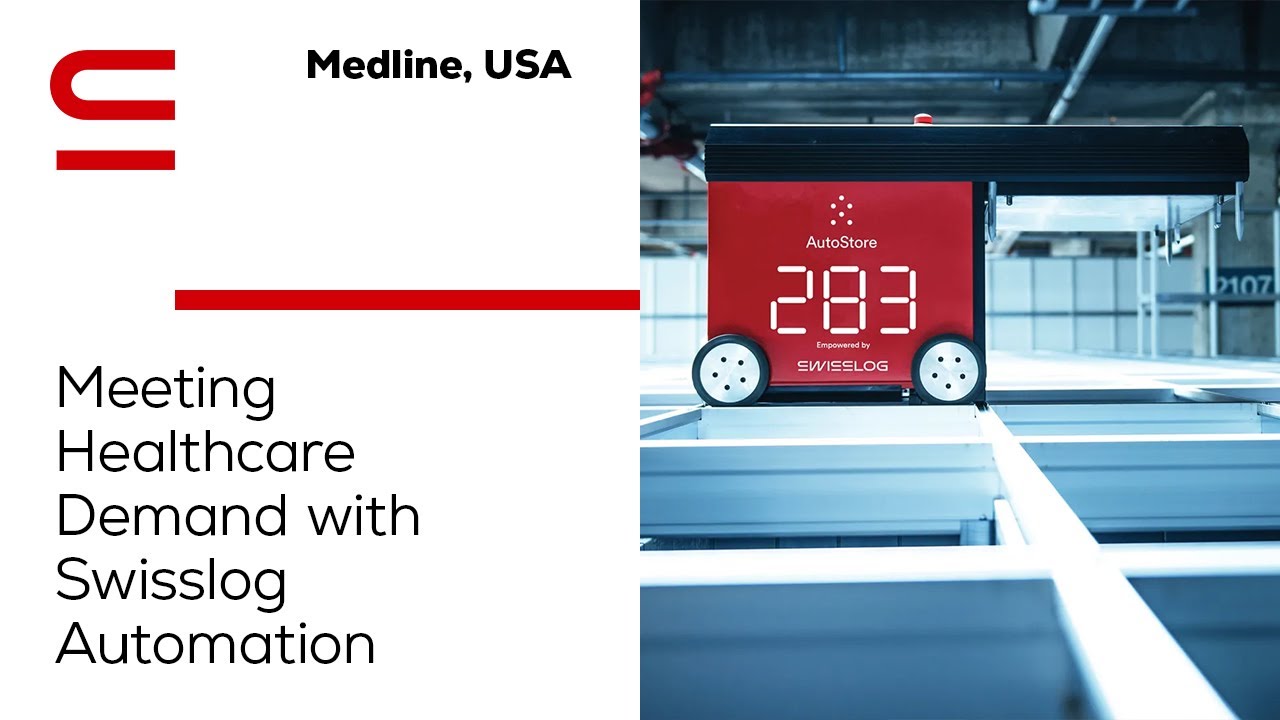
Medline Industries Healthcare Distribution Center
Swisslog
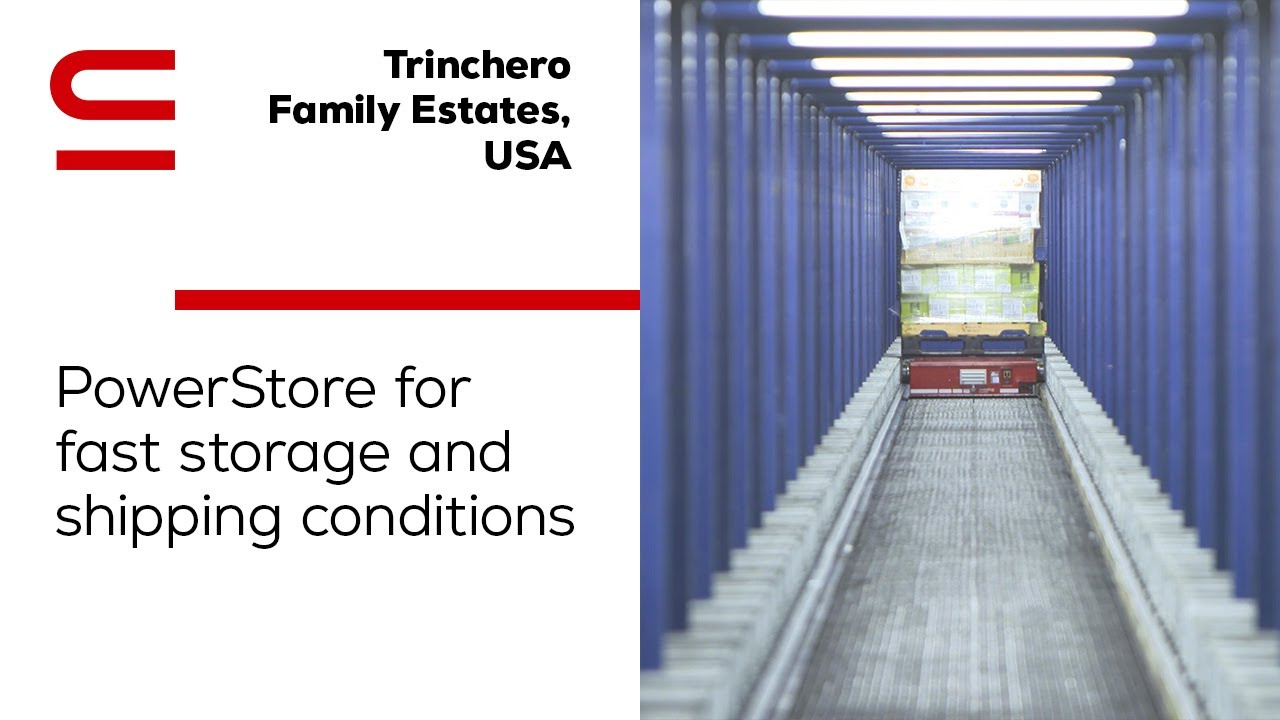
Trinchero Family Estates Napa Valley Winery
Swisslog
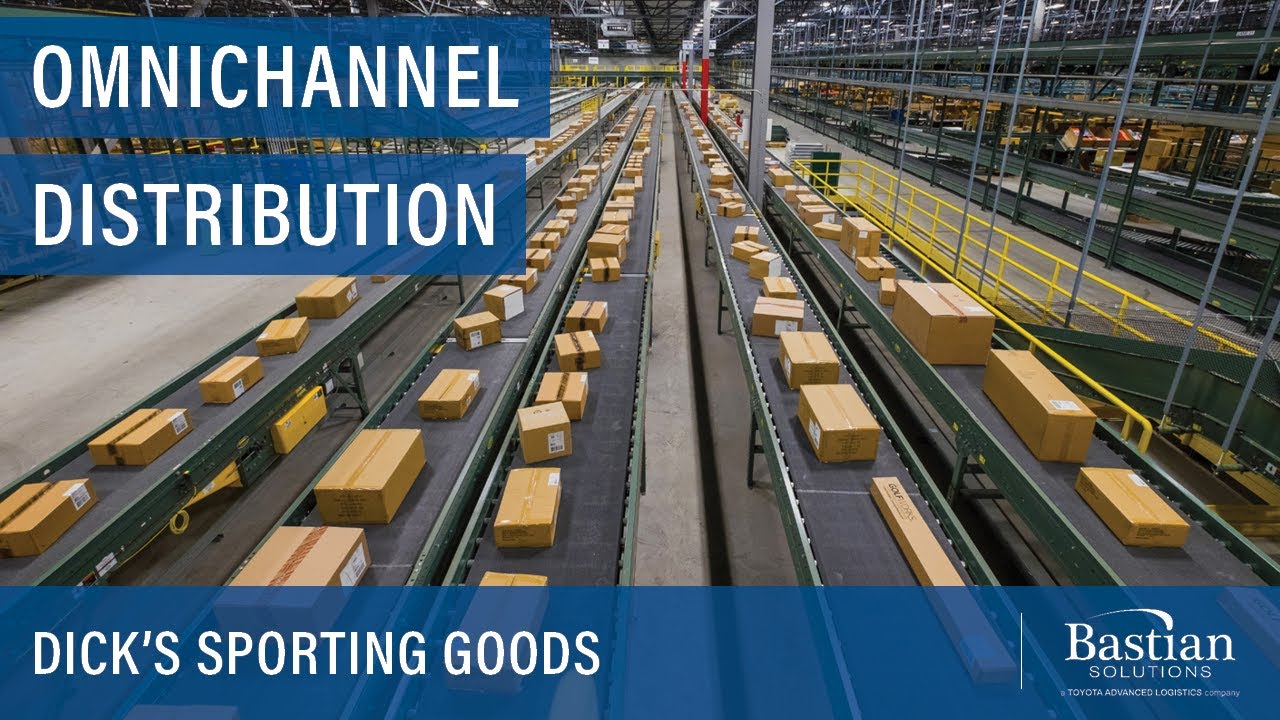
DICK'S Sporting Goods Conklin Distribution Center
Bastian Solutions
Related Suppliers(3)

6 River Systems
The Seamless Fulfillment Automation Solution to Boost Efficiency and Productivity in Your Warehouse

ABB Robotics
Global leader in industrial robotics and automation technology with comprehensive solutions for warehouse and logistics applications.

Addverb
Warehouse Automation that delivers value!