Robotic Piece Picking
Advanced robotic systems that use AI and computer vision to automatically select and pick individual items from diverse inventory, revolutionizing warehouse fulfillment operations with human-like dexterity and intelligence.
Robotic Piece Picking System
Advanced automation for individual item handling with AI-powered precision
Robotic Arms
- 6-Axis Articulated
- SCARA Systems
- Delta Robots
- Collaborative Robots
Vision Systems
- 3D Vision Cameras
- Object Recognition
- Pose Estimation
- Quality Inspection
End Effectors
- Vacuum Grippers
- Mechanical Grippers
- Soft Grippers
- Specialized Tools
AI & Control
- Machine Learning
- Path Planning
- Real-time Processing
- Adaptive Learning
Applications
- E-commerce Fulfillment
- Pharmaceutical
- Food & Beverage
- Fashion & Apparel
Integration
- WMS/WES Systems
- Conveyor Networks
- Storage Systems
- Quality Control
Understanding the Technology Behind Robotic Piece Picking
At the heart of every robotic piece picking system lies a sophisticated integration of mechanical precision, artificial intelligence, and sensory perception. The robotic arm itself represents decades of engineering refinement, with six or more axes of movement that provide the flexibility needed to reach into storage locations and manipulate items with human-like dexterity. These arms can position themselves with sub-millimeter accuracy while carrying payloads ranging from delicate pharmaceutical vials to heavy automotive parts.
The vision system serves as the robot's eyes and brain, using high-resolution cameras and advanced image processing algorithms to identify, locate, and assess items in real-time. Modern 3D vision systems can create detailed point clouds of the workspace, allowing robots to understand not just what they're looking at, but also the spatial relationships between objects. This capability is crucial for bin picking applications, where items may be randomly oriented or partially obscured by other products.
Perhaps the most critical component is the end-effector or gripper, which must adapt to handle an enormous variety of products safely and efficiently. Advanced grippers use force feedback sensors to adjust their grip strength automatically, ensuring that fragile items aren't damaged while still providing secure handling for heavier products. Some systems employ multiple gripper types that can be automatically swapped based on the item being picked, while others use universal grippers with adaptive fingers that conform to different shapes.
The artificial intelligence that coordinates these components represents the true breakthrough in robotic piece picking. Machine learning algorithms analyze thousands of picking operations to optimize grip points, approach angles, and movement paths for each product type. These systems learn from both successes and failures, continuously refining their strategies to improve speed and reliability. The AI also manages exception handling, determining when items are damaged, misplaced, or require special handling procedures.
Real-World Applications and Success Stories
The e-commerce industry has become the primary driver of robotic piece picking adoption, with companies like Amazon, Alibaba, and major third-party logistics providers deploying thousands of robotic systems across their fulfillment networks. These implementations demonstrate the technology's ability to handle the extreme SKU diversity and rapid order processing requirements that characterize modern online retail. A typical e-commerce robotic picking system might handle 50,000 different products, from tiny electronic components to large household appliances, all while maintaining picking accuracies above 99.5%.
In the pharmaceutical industry, robotic piece picking has proven invaluable for prescription fulfillment operations where accuracy is literally a matter of life and death. These systems can read prescription labels, verify medication types and dosages, and handle the delicate packaging requirements of pharmaceutical products. The robots maintain detailed audit trails of every pick, supporting regulatory compliance while dramatically reducing the risk of human error in medication dispensing.
The fashion and apparel sector presents unique challenges that showcase the adaptability of robotic piece picking systems. Clothing items are soft, irregularly shaped, and often packaged in ways that make automated handling difficult. Advanced robotic systems have learned to handle these challenges through specialized grippers designed for soft goods and AI algorithms trained specifically on textile handling. Some systems can even perform quality inspections, identifying damaged garments or incorrect sizes before they're shipped to customers.
Food and beverage distribution represents another growing application area, where robotic systems must handle products with varying temperatures, fragile packaging, and strict hygiene requirements. These systems incorporate food-safe materials and cleaning protocols while managing the complexity of mixed-temperature orders that might include frozen, refrigerated, and ambient products in a single pick sequence.
Pick-it-Easy Robot: Industry-Grade Robotic Picking Solution
Vendor: Knapp
The Business Impact and Economic Considerations
The financial justification for robotic piece picking systems extends far beyond simple labor cost savings, though these savings are substantial. A typical implementation can reduce picking labor requirements by 60-80% while simultaneously improving accuracy and throughput. The consistency of robotic systems eliminates the performance variations associated with human workers, who may slow down due to fatigue, experience, or physical limitations.
The accuracy improvements delivered by robotic systems translate directly into reduced costs for returns processing, customer service, and brand reputation management. When human pickers achieve 99% accuracy, the remaining 1% error rate can represent thousands of mispicked items per day in high-volume operations. Robotic systems routinely achieve 99.5% or higher accuracy rates, cutting error-related costs by 50% or more.
Perhaps more importantly, robotic piece picking systems enable entirely new business models and service levels. The ability to operate 24/7 without breaks, shift changes, or performance degradation allows fulfillment centers to offer same-day or next-day delivery services that would be economically impossible with manual labor. The predictable performance of robotic systems also enables more accurate capacity planning and customer promise dates.
The initial investment in robotic piece picking systems is significant, typically ranging from $200,000 to $500,000 per robotic cell, depending on complexity and throughput requirements. However, the return on investment is often compelling, with payback periods of 18-36 months in high-volume applications. The total cost of ownership includes ongoing maintenance, software updates, and periodic hardware upgrades, but these costs are generally predictable and manageable.
Implementation Challenges and Success Factors
Successfully implementing robotic piece picking requires careful attention to both technical and operational factors. The diversity of products that these systems must handle means that extensive testing and training are essential before deployment. Each new product introduction requires the system to learn optimal handling strategies, which can take time and may initially result in lower performance until the AI algorithms adapt.
Integration with existing warehouse management systems and processes represents another critical success factor. Robotic picking systems must coordinate seamlessly with inventory management, order processing, and quality control systems. This integration extends beyond simple data exchange to include real-time coordination of robot activities with other warehouse operations such as replenishment, sorting, and shipping.
The physical environment plays a crucial role in system performance. Lighting conditions, temperature variations, and vibration from other equipment can all affect the precision of vision systems and robotic operations. Successful implementations invest in environmental controls and system isolation to ensure consistent performance.
Staff training and change management are often underestimated aspects of robotic implementation. While these systems reduce the need for manual pickers, they create new roles for robot operators, maintenance technicians, and system supervisors. The transition requires comprehensive training programs and careful attention to workforce concerns about job displacement.
Brightpick Autopicker: AI-Powered Robotic Picking AMR
Vendor: Brightpick
Future Developments and Emerging Trends
The evolution of robotic piece picking continues to accelerate, driven by advances in artificial intelligence, sensor technology, and robotic hardware. Machine learning algorithms are becoming more sophisticated at handling edge cases and unusual products, while new sensor technologies are improving the ability to handle transparent, reflective, or deformable items that have traditionally challenged robotic systems.
Collaborative robotics represents an emerging trend that combines the flexibility of human workers with the consistency of automation. These systems allow humans and robots to work together safely in the same workspace, with robots handling routine picks while humans manage exceptions and complex items. This hybrid approach can be particularly effective during implementation phases or in operations with high product variability.
The integration of Internet of Things (IoT) sensors and edge computing is enabling new levels of system intelligence and responsiveness. Robots equipped with environmental sensors can adapt to changing conditions in real-time, while edge computing capabilities allow for faster decision-making without relying on cloud connectivity. These advances are making robotic systems more autonomous and resilient.
Sustainability considerations are also driving innovation in robotic piece picking. Energy-efficient designs, recyclable materials, and systems optimized for minimal packaging waste are becoming standard features. Some advanced systems can even optimize pick sequences to reduce energy consumption or coordinate with renewable energy sources to minimize environmental impact.
As the technology continues to mature, we can expect to see robotic piece picking systems become more affordable, easier to deploy, and capable of handling an even broader range of products and applications. The convergence of AI, robotics, and sensor technology is creating possibilities that seemed impossible just a few years ago, and the pace of innovation shows no signs of slowing.
The future of warehouse operations will undoubtedly include robotic piece picking as a core technology, enabling the fast, accurate, and cost-effective fulfillment that modern commerce demands. Organizations that embrace this technology today are positioning themselves for competitive advantage in an increasingly automated world.
Related Technologies (6)
Autopicker: Multi-Purpose AI-Powered Picking AMR
byBrightpick
RapidPick XT: Goods-to-Robot Piece Picking System
byDematic
Brightpick Autopicker: AI-Powered Robotic Picking AMR
byBrightpick
AI-Powered Fulfillment and Logistics Robots
byOthers
RightPick2: Autonomous Piece-Picking Robot for Intralogistics
byRightHand Robotics, Inc.
Pick-it-Easy Robot: Industry-Grade Robotic Picking Solution
byKnapp
Related Picking Topics
Goods-to-Person Systems
Goods-to-Person (G2P) systems revolutionize warehouse operations by bringing inventory directly to stationary picking stations, eliminating worker travel time and maximizing productivity. These automated systems combine storage, retrieval, and presentation technologies to create highly efficient picking environments.
Robotic Case Picking
Advanced robotic case picking systems that combine industrial robotics with intelligent vision systems to automate the handling of full cases and cartons, delivering exceptional speed, precision, and reliability in high-volume distribution operations.
About This Topic
Related Projects(6)
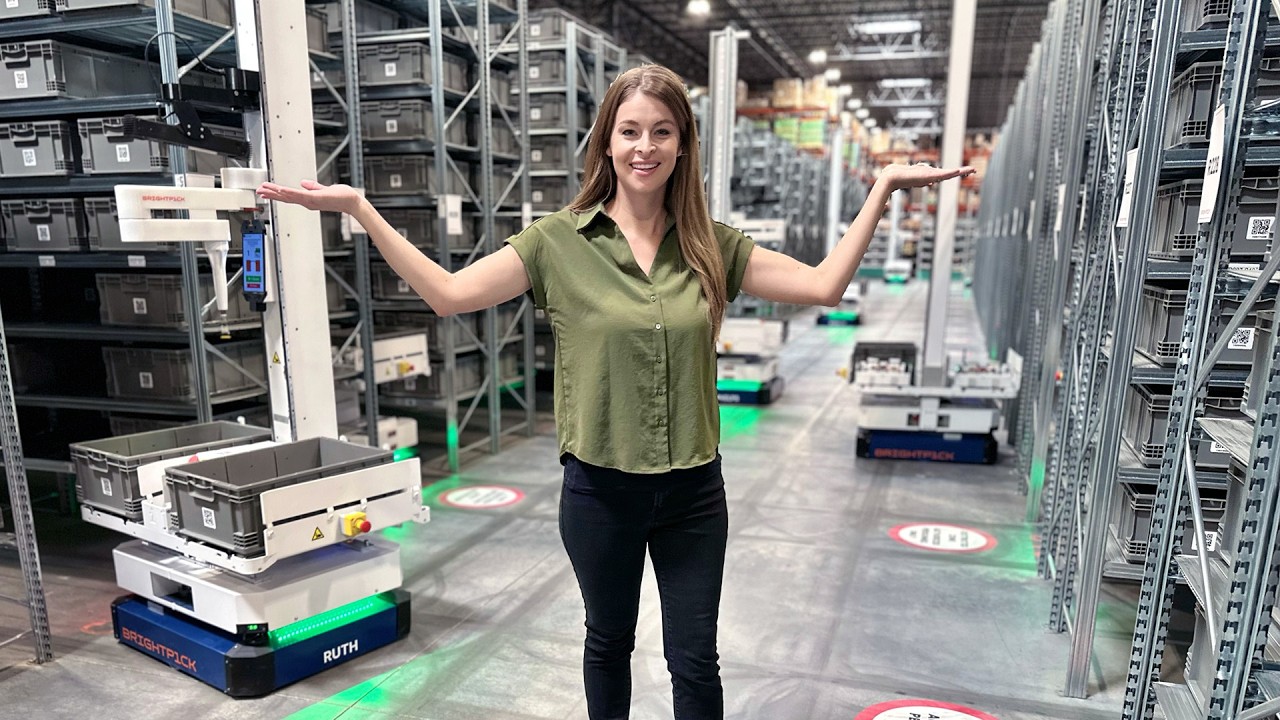
The Feed Sports Nutrition Automated Fulfillment Center with Brightpick
Brightpick

Element Logic Ireland Warehouse Automation Solutions
Element Logic
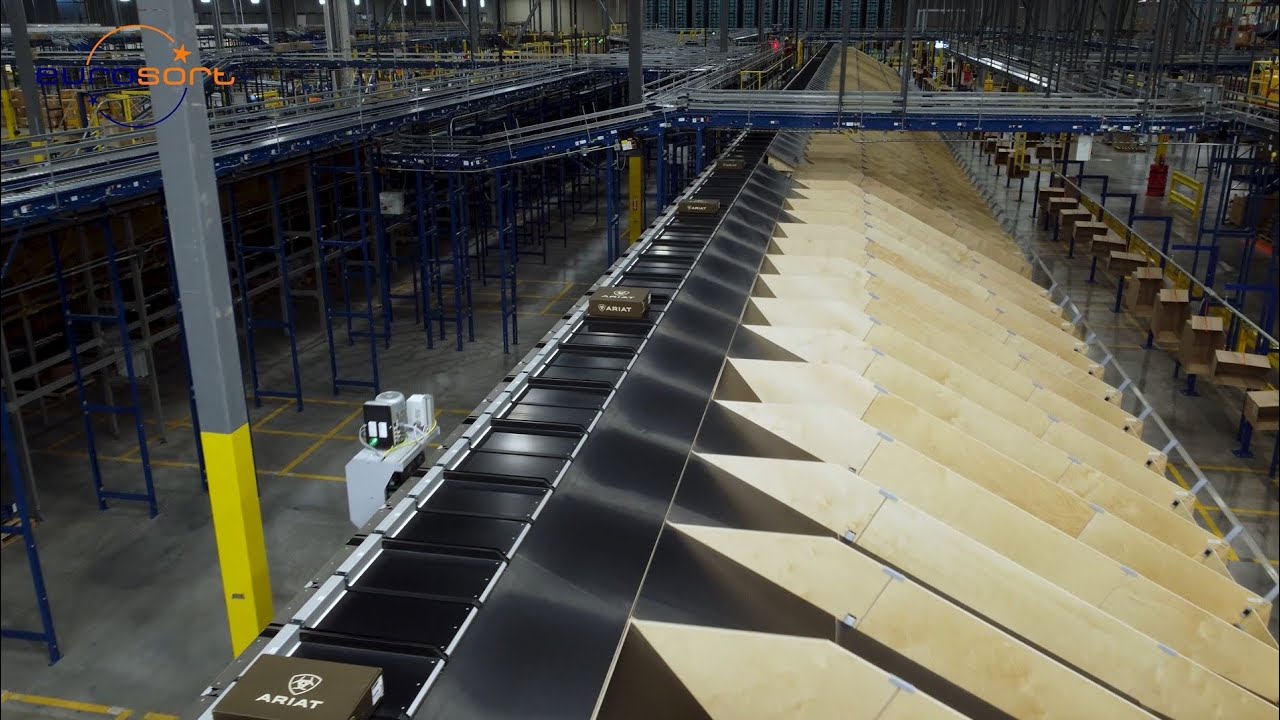
Ariat Wholesale Footwear & Apparel Order Fulfillment Center
EuroSort
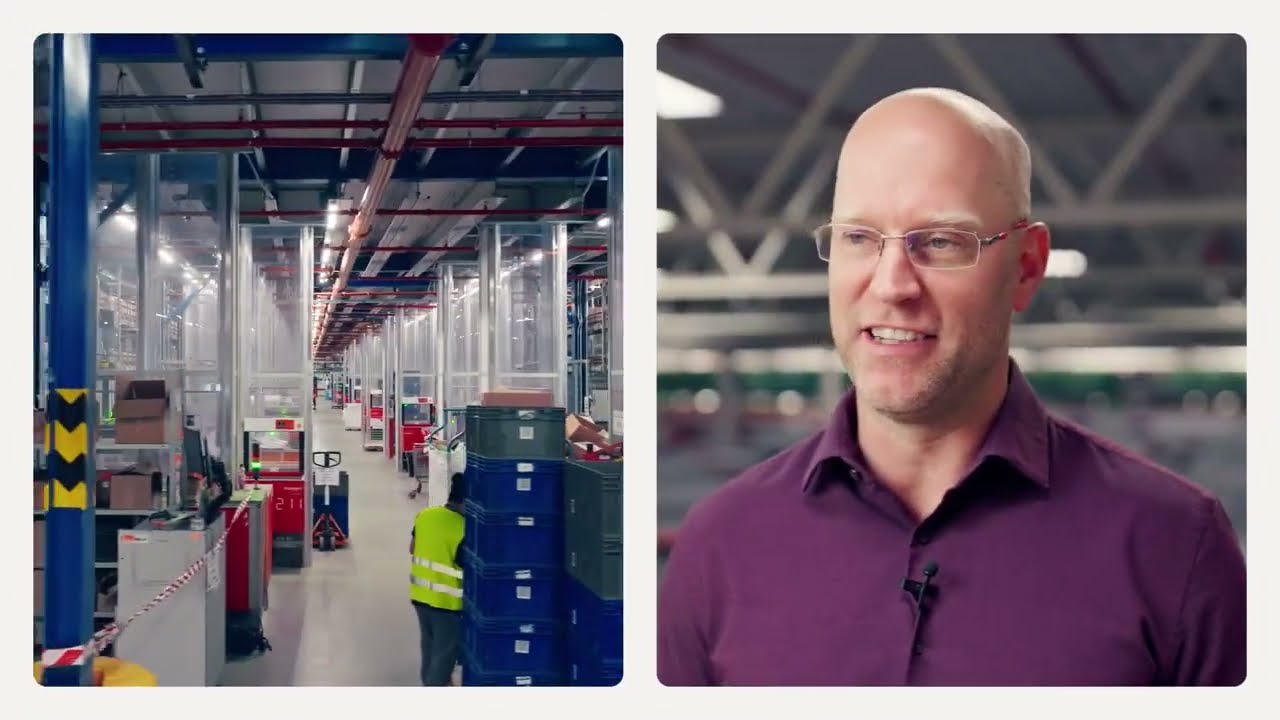
Alza Prague High-Throughput Fulfillment Center
Element Logic
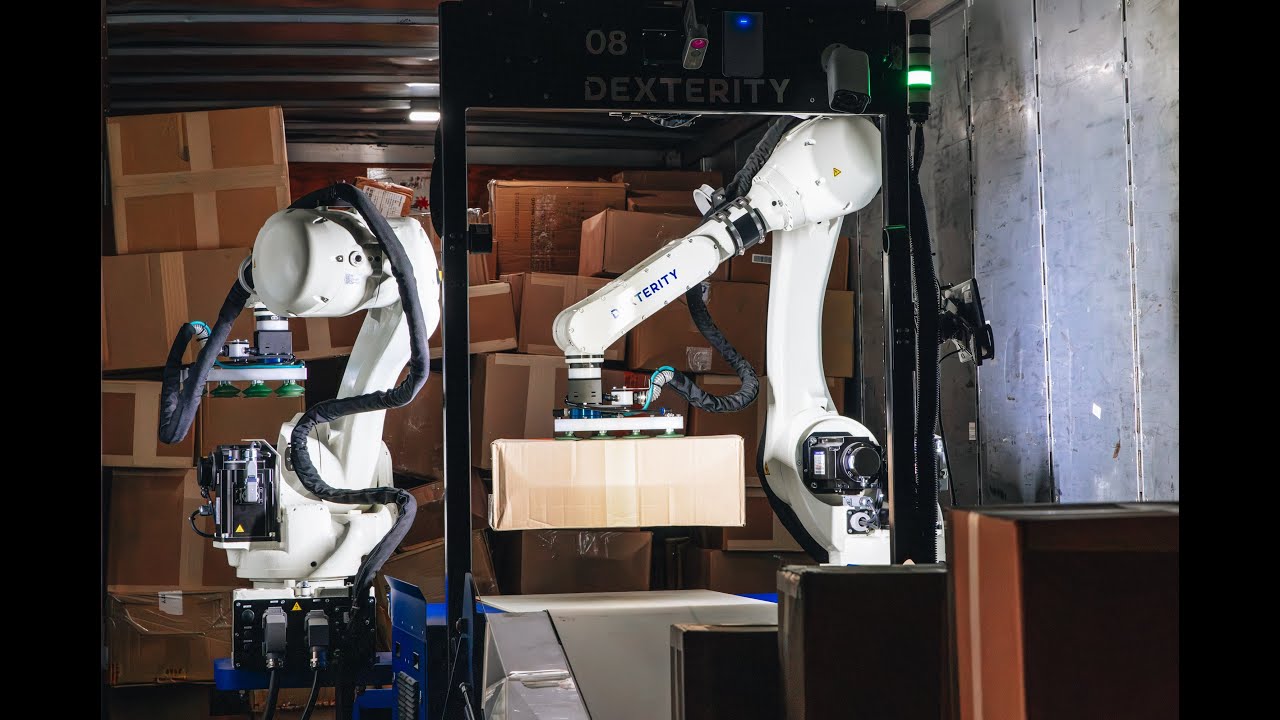
Dexterity AI & FedEx Parcel Hub Robotic Truck Loading Project
Dexterity AI

Bastian Solutions Corporate Profile: Toyota Advanced Logistics
Bastian Solutions
Related Suppliers(3)

Berkshire Grey
AI-Enabled Robotic Solutions for Fulfillment Automation

Exotec
Elegant Solutions to Simplify Logistic Operations

Addverb
Warehouse Automation that delivers value!