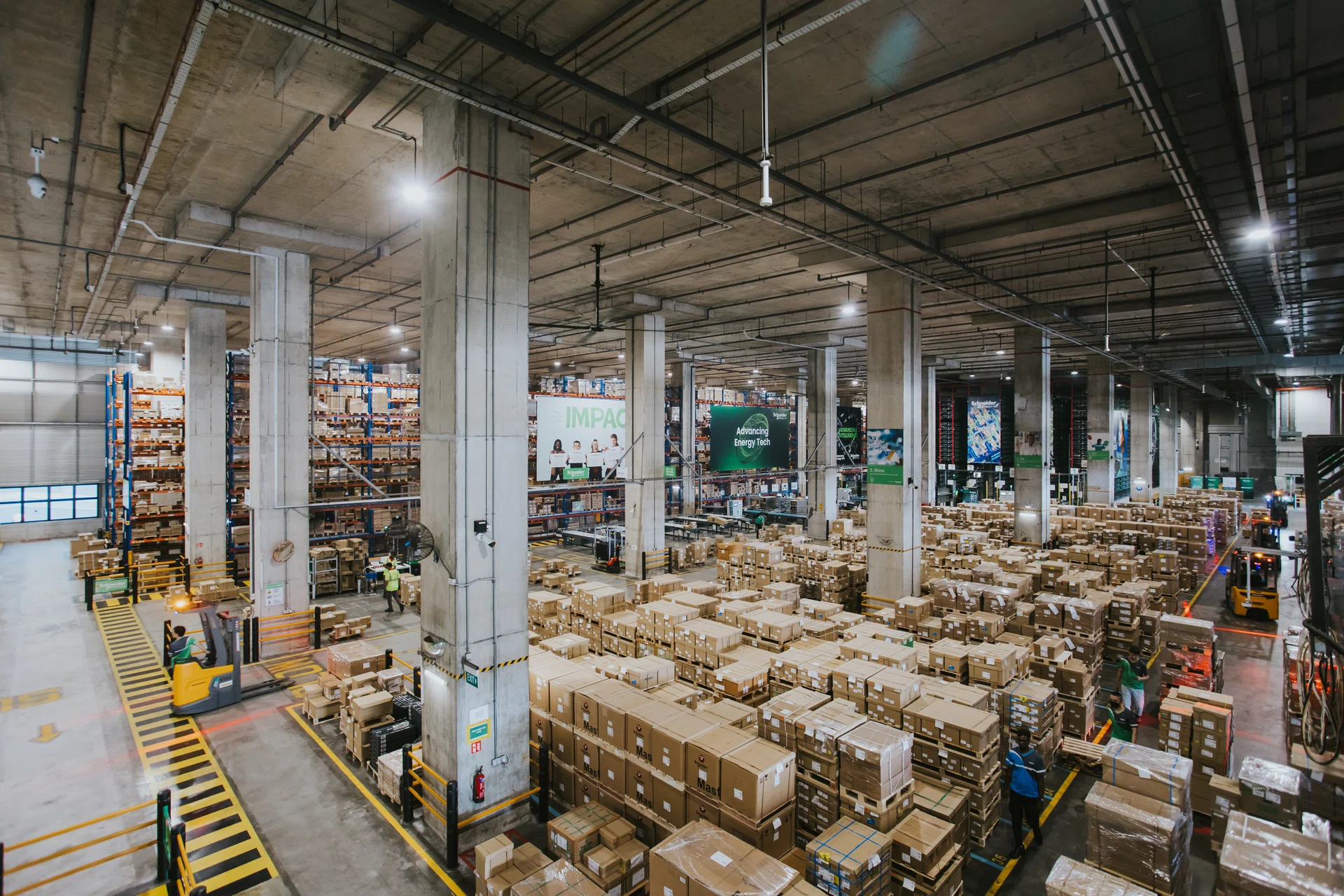
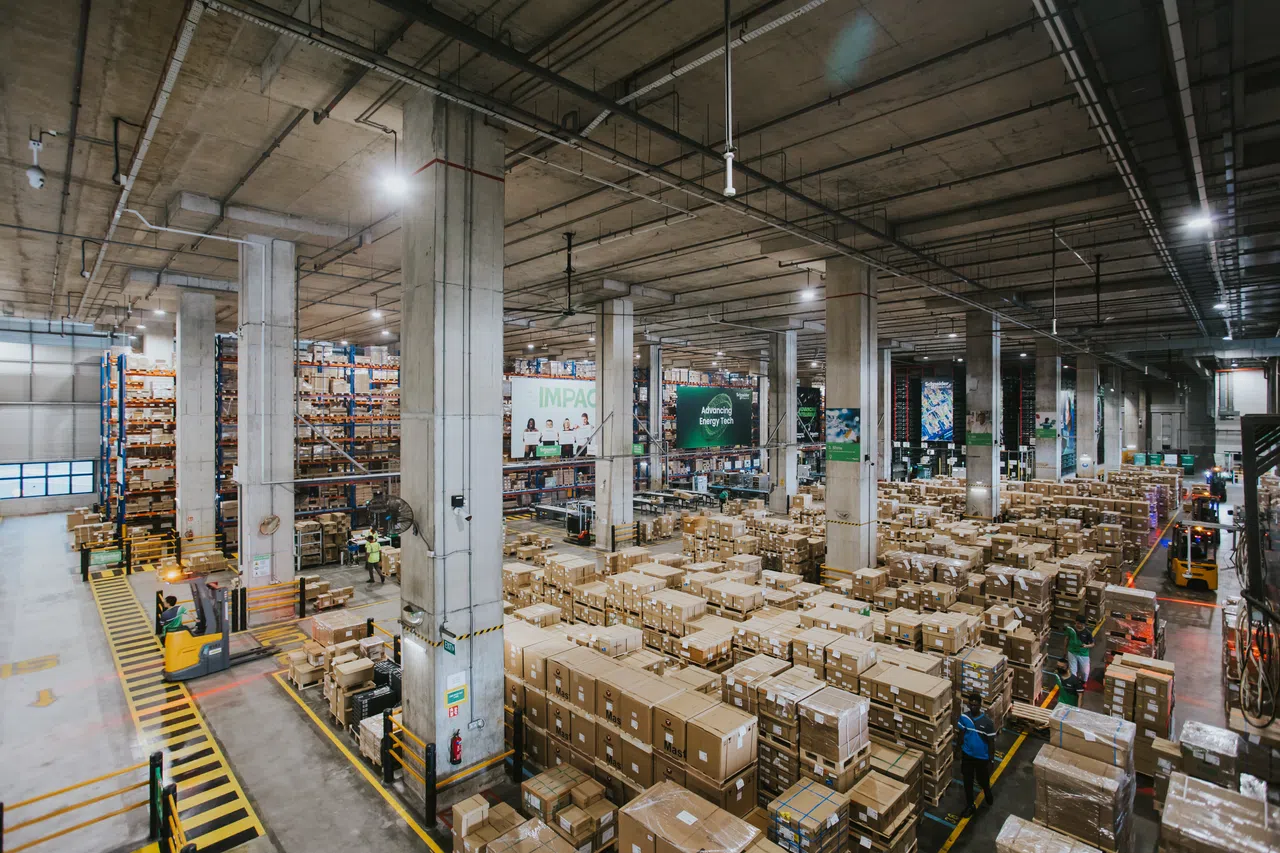
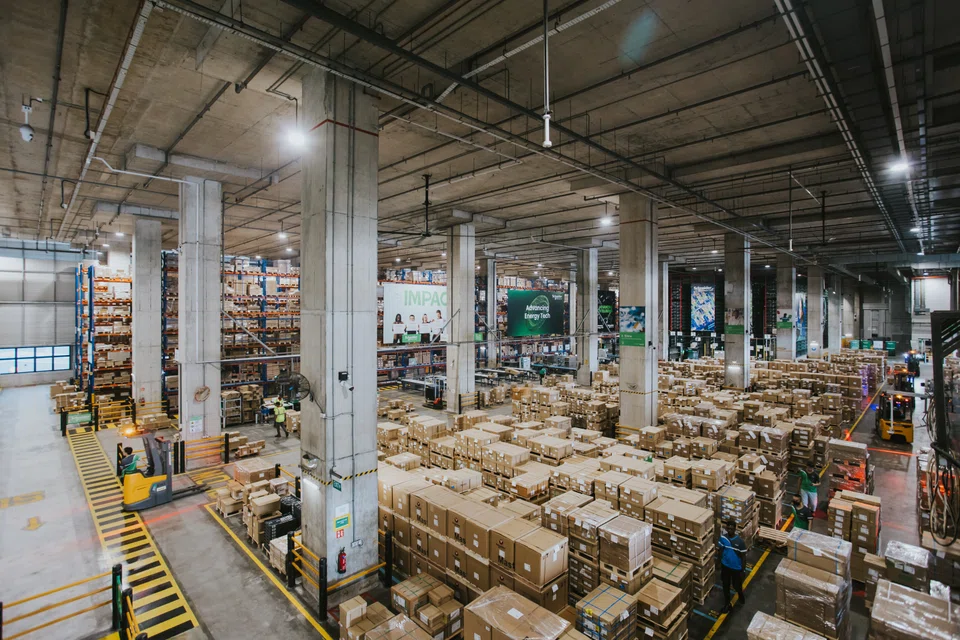
Schneider Electric announced a S$25 million program to automate and digitize its Hub Asia logistics distribution centre in Tuas, Singapore, with completion targeted around 2027. A substantial share of the spend is earmarked for workforce development through 2030, pairing robotics with reskilling rather than a pure headcount-cut narrative. The technical core is a goods-to-person flow in which inventory is brought to stations instead of workers walking the racks, supported by AMRs already visible in first-phase operations.
Phase one, focused on simpler workflows and initial automation, was reported live earlier and associated with about a 10 percent productivity gain. Full deployment is expected to cover a large portion of outbound goods and lift productivity further, on the order of 20 percent in company statements. The site, opened in 2022 near Tuas Port, is being treated as a regional hub where agentic AI, robotics, and process redesign are combined.
For the industry, the project is a mid-sized, brand-name example of brownfield automation in a high-cost, high-skill market: not a mega AS/RS, but a staged GTP and AMR overlay plus training. It also illustrates the current vendor and operator language around “agentic” software that can propose or execute task changes, not only display KPIs. Operators in similar port-adjacent DCs will watch whether the promised outbound share and productivity hold once exception rates, SKU mix, and peak season volumes hit the new flow.