SAP EWM (Extended Warehouse Management)
Enterprise-grade warehouse management solution deeply integrated with SAP's ERP ecosystem, providing comprehensive functionality for complex logistics operations, advanced automation control, and seamless end-to-end supply chain visibility.
SAP EWM Enterprise Architecture
Core WMS Functions
- ▸Inbound/Outbound: Complete receiving & shipping
- ▸Inventory Management: Real-time stock control
- ▸Picking Strategies: Wave, batch, zone
- ▸Value-Added Services: Kitting, labeling
SAP Integration
- ▸Native ERP: Seamless S/4HANA integration
- ▸Real-Time Data: HANA in-memory database
- ▸Unified Platform: Single system landscape
- ▸Financial Sync: Automatic GL updates
Automation Control
- ▸Material Flow System: Embedded WES
- ▸Equipment Control: Conveyors, sorters, AS/RS
- ▸Task Optimization: Resource balancing
- ▸Queue Management: Work prioritization
Enterprise-grade solution
for complex logistics
operations
Labor Management
- ▸Performance Tracking: Individual & team metrics
- ▸Engineered Standards: Productivity benchmarks
- ▸Incentive Programs: Performance-based pay
- ▸Skills Management: Training & certification
Supply Chain Visibility
- ▸TM Integration: Transportation coordination
- ▸End-to-End View: Supplier to customer
- ▸Multi-Site: Global warehouse network
- ▸Real-Time Status: Order visibility
Analytics & Reporting
- ▸Embedded Analytics: HANA-powered insights
- ▸Fiori Dashboards: Role-based views
- ▸KPI Monitoring: Real-time performance
- ▸Predictive Analytics: ML-powered forecasting
Deployment Models
Seamless Integration
Native SAP integration eliminates data synchronization issues and provides real-time visibility across the entire supply chain.
Enterprise Scale
Proven capability to manage complex global operations with multiple warehouses, diverse products, and sophisticated business rules.
Highly Configurable
Extensive configuration options enable modeling complex operations without customization, reducing implementation risk.
SAP Ecosystem Integration
Unified data flow across the entire supply chain
What is SAP Extended Warehouse Management?
SAP Extended Warehouse Management (EWM) is SAP's flagship warehouse management solution, designed for enterprises requiring sophisticated logistics capabilities tightly integrated with their broader SAP ecosystem. Unlike standalone WMS products, SAP EWM provides deep native integration with SAP ERP, SAP S/4HANA, Transportation Management (TM), and other SAP modules, enabling seamless data flow and unified business processes across the entire supply chain. The system combines traditional warehouse management functions with advanced execution capabilities, making it suitable for highly automated facilities, complex distribution networks, and operations requiring real-time visibility across multiple sites.
SAP EWM evolved from SAP's earlier Warehouse Management (WM) module, incorporating lessons learned from decades of enterprise logistics implementations while adding modern capabilities for automation control, labor management, and advanced analytics. The platform supports both embedded deployment within S/4HANA and standalone deployment for organizations with non-SAP ERP systems, though the embedded model provides the tightest integration and most streamlined architecture. For SAP-centric enterprises, EWM represents a strategic choice that leverages existing technology investments and provides a unified platform for managing logistics operations globally.
Core Capabilities
Comprehensive Warehouse Operations encompass all traditional WMS functions including inbound processing, putaway optimization, inventory management, picking strategies, packing, and outbound shipping, all delivered through SAP's characteristic highly configurable framework. The system supports diverse operational models from simple cross-docking to complex value-added services, multi-temperature environments, and hazardous materials handling. SAP EWM's strength lies in its ability to handle operational complexity through extensive configuration rather than customization, enabling businesses to model intricate warehouse processes, business rules, and organizational structures within the standard system framework.
Advanced Automation Integration provides robust capabilities for controlling material handling equipment, with SAP EWM incorporating embedded WES functionality that eliminates the need for separate execution systems in many implementations. The system can directly manage conveyor systems, sorters, AS/RS equipment, and robotic systems through its Material Flow System (MFS) component, which handles real-time equipment control, task optimization, and resource balancing. This integrated approach simplifies the technology stack and provides unified visibility across manual and automated operations, though highly complex automation scenarios may still benefit from specialized WES platforms.
Labor Management functionality enables detailed workforce planning, performance tracking, and incentive management through integrated tools that monitor individual and team productivity against engineered standards. The system provides real-time visibility into labor utilization, identifies performance gaps, and supports various incentive programs to drive productivity improvements. SAP EWM's labor management extends beyond simple time tracking to include skills-based task assignment, training management, and workforce analytics that help operations managers optimize staffing levels and improve overall efficiency.
Bastian Solutions Corporate Profile: Toyota Advanced Logistics
System Integrator: Bastian Solutions
SAP Ecosystem Integration
Native ERP Integration represents SAP EWM's most significant differentiator, with seamless data exchange between warehouse operations and core business processes including order management, procurement, production planning, and financial accounting. Inventory movements in EWM automatically update financial records, sales orders flow directly into warehouse execution, and production requirements trigger material staging without manual intervention or complex integration middleware. This tight coupling eliminates data synchronization issues, reduces implementation complexity, and provides real-time visibility across the entire order-to-cash and procure-to-pay cycles.
S/4HANA Embedded Deployment offers the most streamlined architecture, with EWM running on the same HANA database as the ERP system, enabling real-time analytics and simplified system landscape. The embedded model eliminates the need for separate databases, reduces infrastructure costs, and leverages HANA's in-memory computing for enhanced performance. Organizations can access warehouse data through standard SAP Fiori applications, utilize embedded analytics for operational insights, and benefit from simplified upgrades as EWM evolves alongside the core S/4HANA platform.
Extended Supply Chain Visibility emerges from EWM's integration with SAP Transportation Management (TM), Advanced Planning and Optimization (APO), and other supply chain modules, creating end-to-end visibility from supplier through production to customer delivery. The system can coordinate inbound shipments with warehouse capacity, optimize outbound loads based on transportation constraints, and provide customers with real-time order status including warehouse location and expected ship dates. This holistic view enables better decision-making and improved customer service through accurate, timely information.
Implementation Considerations
Complexity and Resource Requirements characterize SAP EWM implementations, which typically require significant time, budget, and specialized expertise compared to standalone WMS deployments. The system's extensive functionality and configuration options demand experienced SAP consultants who understand both warehouse operations and SAP's technical architecture. Implementation timelines often span 12-24 months for complex facilities, with costs reflecting the enterprise-grade nature of the platform. Organizations must carefully assess whether their operational complexity and SAP ecosystem investment justify the substantial implementation effort.
Configuration vs. Customization philosophy guides SAP EWM implementations, with SAP providing extensive standard configuration options designed to accommodate diverse business requirements without code modifications. The system includes thousands of configuration parameters, business rules, and process variants that can be combined to model complex operations. However, truly unique requirements may still necessitate custom development using ABAP programming, which increases implementation costs and complicates future upgrades. Best practice emphasizes maximizing standard functionality and carefully evaluating the long-term implications of customizations.
Change Management and Training challenges often exceed technical implementation complexity, as SAP EWM introduces new processes, terminology, and ways of working that differ significantly from legacy systems. The platform's SAP-centric design patterns and user interfaces require substantial training for warehouse personnel, supervisors, and managers. Successful implementations invest heavily in change management, develop comprehensive training programs, and often phase deployment to allow users to adapt gradually. The learning curve can temporarily impact productivity, requiring careful planning and executive support to navigate the transition period.
Varta Automated High-Bay Warehouse
System Integrator: Viastore
Deployment Models
Embedded EWM in S/4HANA represents SAP's strategic direction, offering the most integrated and streamlined architecture for organizations already running or planning to implement S/4HANA. This model provides single database deployment, unified user experience through Fiori apps, and simplified system landscape with reduced infrastructure and maintenance costs. The embedded approach is ideal for enterprises seeking to consolidate their SAP footprint and leverage HANA's real-time analytics capabilities. However, it requires S/4HANA adoption, which may not align with all organizations' ERP strategies or timelines.
Decentralized EWM enables standalone deployment for organizations with non-SAP ERP systems or those requiring warehouse management capabilities before broader S/4HANA migration. This model maintains integration with external systems through standard interfaces (IDocs, APIs, web services) while providing full EWM functionality. Decentralized deployment offers flexibility for multi-ERP environments or phased SAP adoption strategies, though it requires additional integration effort and doesn't provide the seamless data flow of embedded deployment. Organizations often start with decentralized EWM and later migrate to embedded deployment as part of S/4HANA transformation.
Cloud Deployment Options are emerging as SAP expands its cloud portfolio, with SAP EWM Cloud offering subscription-based deployment on SAP's infrastructure. Cloud deployment reduces upfront infrastructure investment, provides automatic updates, and enables faster deployment for standard configurations. However, cloud options may have limitations compared to on-premise deployment regarding customization flexibility, integration with legacy systems, and data residency requirements. Organizations must carefully evaluate whether cloud deployment aligns with their operational requirements, IT strategy, and regulatory constraints.
Competitive Positioning
Enterprise-Grade Capabilities position SAP EWM as the solution of choice for large, complex operations requiring sophisticated functionality, global scalability, and deep ERP integration. The platform excels in scenarios involving multiple warehouses, diverse product types, complex business rules, and requirements for unified visibility across the supply chain. SAP's global presence, extensive partner ecosystem, and long-term product roadmap provide confidence for strategic, long-term investments. However, the platform's complexity and cost make it less suitable for smaller operations or organizations without significant SAP ecosystem investment.
Best-of-Breed Alternatives from vendors like Manhattan Associates, Blue Yonder, and Körber offer specialized WMS functionality with potentially faster implementation and lower total cost for organizations not deeply invested in SAP. These platforms often provide more intuitive user interfaces, stronger automation capabilities, and greater flexibility for rapid deployment. However, they require integration middleware to connect with ERP systems and may not provide the seamless data flow and unified business processes that SAP EWM delivers within the SAP ecosystem. The choice between SAP EWM and best-of-breed WMS often hinges on organizational priorities regarding integration depth, standardization, and total cost of ownership.
Hybrid Approaches are increasingly common, with organizations deploying SAP EWM for some facilities while using specialized WMS for others based on operational requirements, automation complexity, or acquisition history. This strategy allows companies to leverage SAP integration where it provides maximum value while utilizing best-of-breed solutions for specialized operations. However, hybrid approaches introduce complexity in managing multiple platforms, maintaining consistent processes, and aggregating data for enterprise-wide visibility. Successful hybrid strategies require clear governance, standardized interfaces, and careful consideration of long-term support and evolution.
Future Direction
Intelligent Warehouse capabilities are being incorporated into SAP EWM through machine learning, IoT integration, and advanced analytics that enable predictive operations and autonomous decision-making. SAP is investing in features like predictive maintenance for material handling equipment, AI-powered slotting optimization, and intelligent task assignment that learns from historical performance. These capabilities promise to reduce manual configuration effort and enable warehouses to self-optimize based on actual operational data and changing business conditions.
Fiori User Experience transformation is modernizing SAP EWM's interface, replacing traditional SAP GUI screens with responsive, role-based Fiori applications designed for mobile devices and modern user expectations. The new interfaces provide simplified workflows, improved usability, and better support for touch-based devices used on the warehouse floor. This UX evolution addresses historical criticisms of SAP's user interfaces and makes the system more accessible to warehouse personnel while maintaining the underlying functional depth.
Cloud-Native Evolution continues as SAP develops cloud-first capabilities and microservices architectures that enable more flexible deployment and faster innovation cycles. Future releases will increasingly emphasize cloud deployment, API-first integration, and consumption-based pricing models that align with modern IT strategies. However, SAP must balance cloud innovation with support for on-premise customers who have made substantial investments in existing deployments and may not be ready for cloud migration.
Selection Criteria
Organizations should consider SAP EWM when they have significant SAP ecosystem investment, complex operational requirements, and need for deep ERP integration that justifies the platform's implementation complexity and cost. The solution is particularly well-suited for global enterprises managing multiple warehouses, companies in regulated industries requiring comprehensive audit trails, and operations with sophisticated automation requiring integrated control. The decision should factor in total cost of ownership including implementation, licensing, ongoing support, and the value of seamless SAP integration versus potential benefits of best-of-breed alternatives.
Critical success factors include executive sponsorship for the substantial investment required, access to experienced SAP EWM consultants, realistic timelines that account for complexity, and organizational readiness for significant process change. Companies should carefully evaluate their operational requirements against SAP EWM's capabilities, consider phased deployment approaches, and ensure alignment between warehouse management strategy and broader enterprise IT direction.
Related Technologies (6)
SSI LOGIMAT Vertical Lift Module (VLM): High-Density Small Parts Storage
SSI Schaefer
Warehouse Management System (WMS): Core Operations Platform
Others
Easy WMS: Warehouse Management System
Mecalux
Put Walls: Cost-Effective Order Assembly and Consolidation
Lucas Systems
Dark Warehouse: Fully Automated Warehouse Operations
Addverb
Warehouse Slotting Software: WMS-Integrated Location Optimization
Mecalux
Related Software Topics
WCS (Warehouse Control System)
Low-level control system that directly manages and coordinates material handling equipment in real-time, translating high-level execution commands into precise device-level instructions for conveyors, sorters, and automated systems.
WES (Warehouse Execution System)
Real-time execution layer that orchestrates automated equipment, optimizes task sequencing, and bridges the gap between warehouse management systems and material handling controls for maximum operational efficiency.
WMS (Warehouse Management System)
Warehouse Management Systems (WMS) serve as the central nervous system of modern warehouse operations, orchestrating inventory tracking, order fulfillment, labor management, and operational workflows. These sophisticated software platforms transform warehouses from simple storage facilities into intelligent, data-driven fulfillment engines that optimize every aspect of material flow and resource utilization.
About This Topic
Related Projects(6)
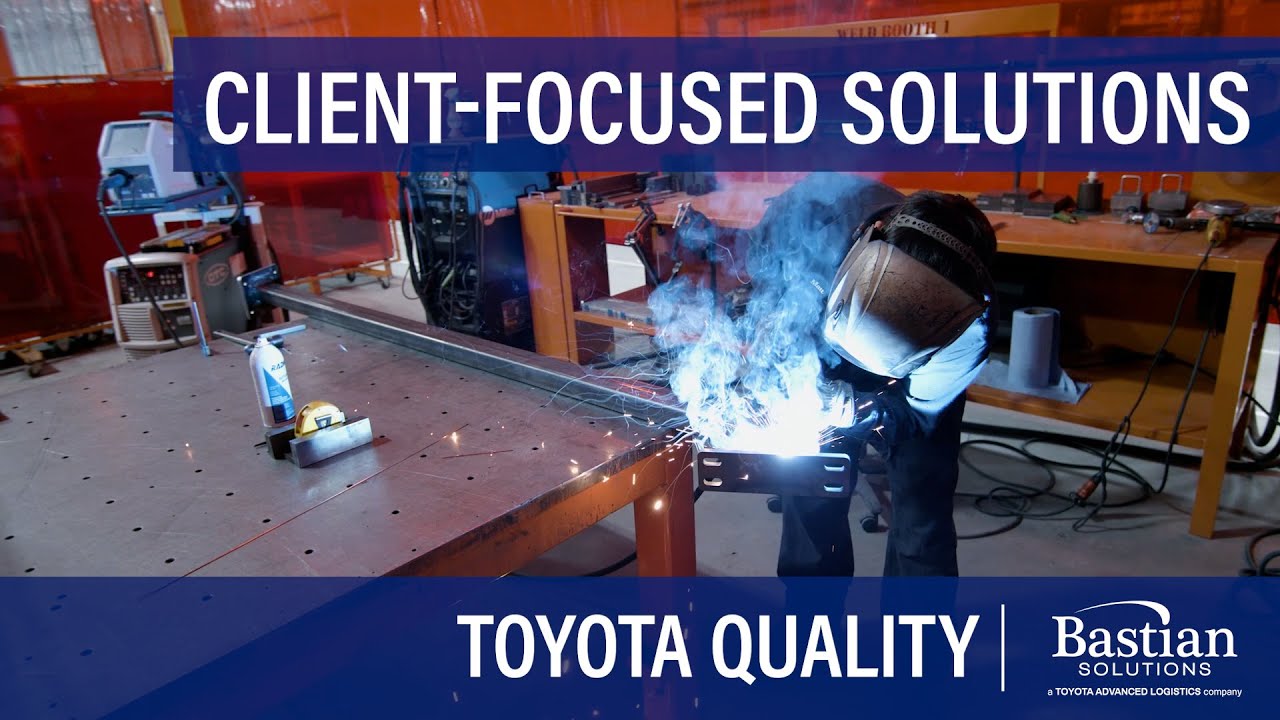
Bastian Solutions Corporate Profile: Toyota Advanced Logistics
Bastian Solutions
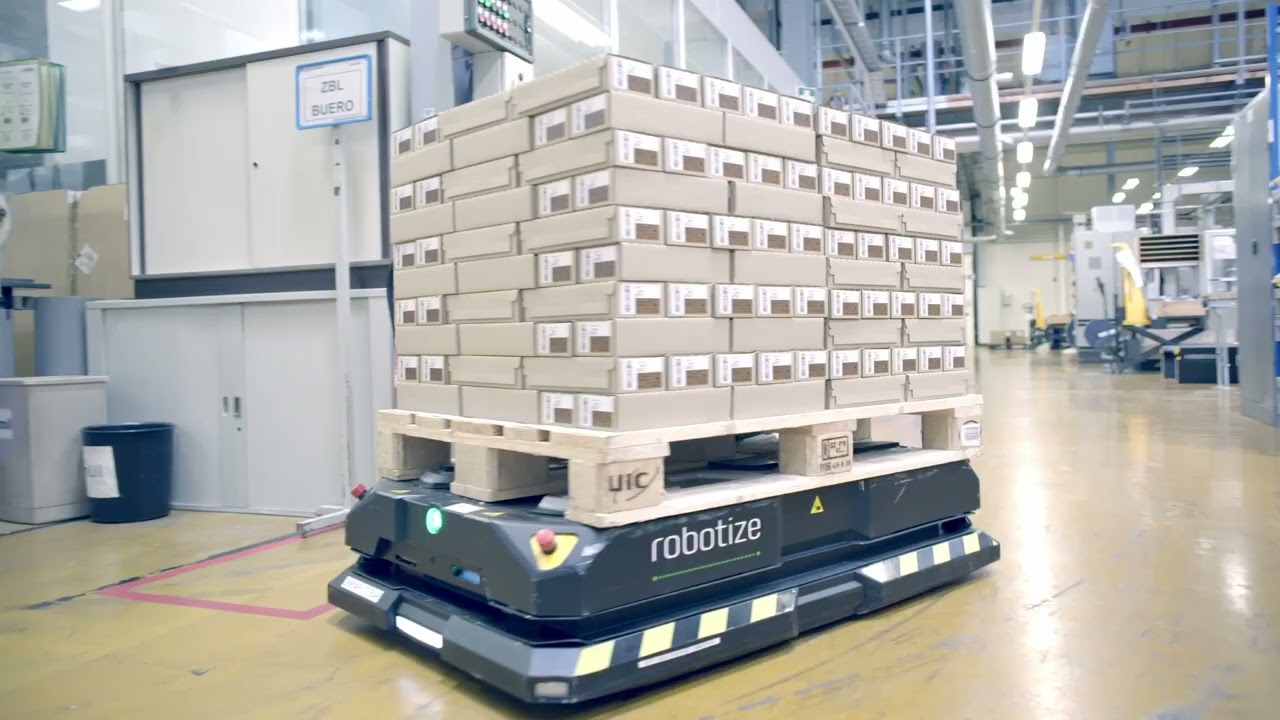
Varta Automated High-Bay Warehouse
Viastore
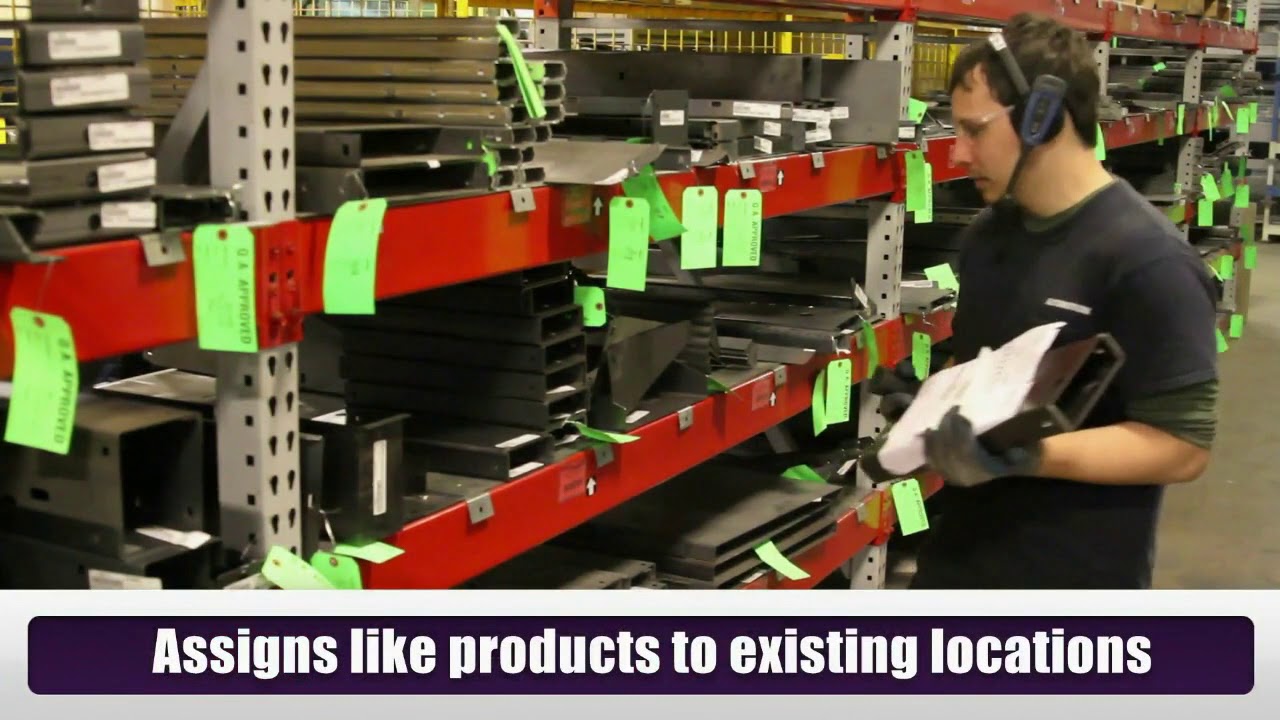
Autumn Ocean Conveyor - Oakland Manufacturing Facility Omnichannel Fulfillment Automation
Daifuku
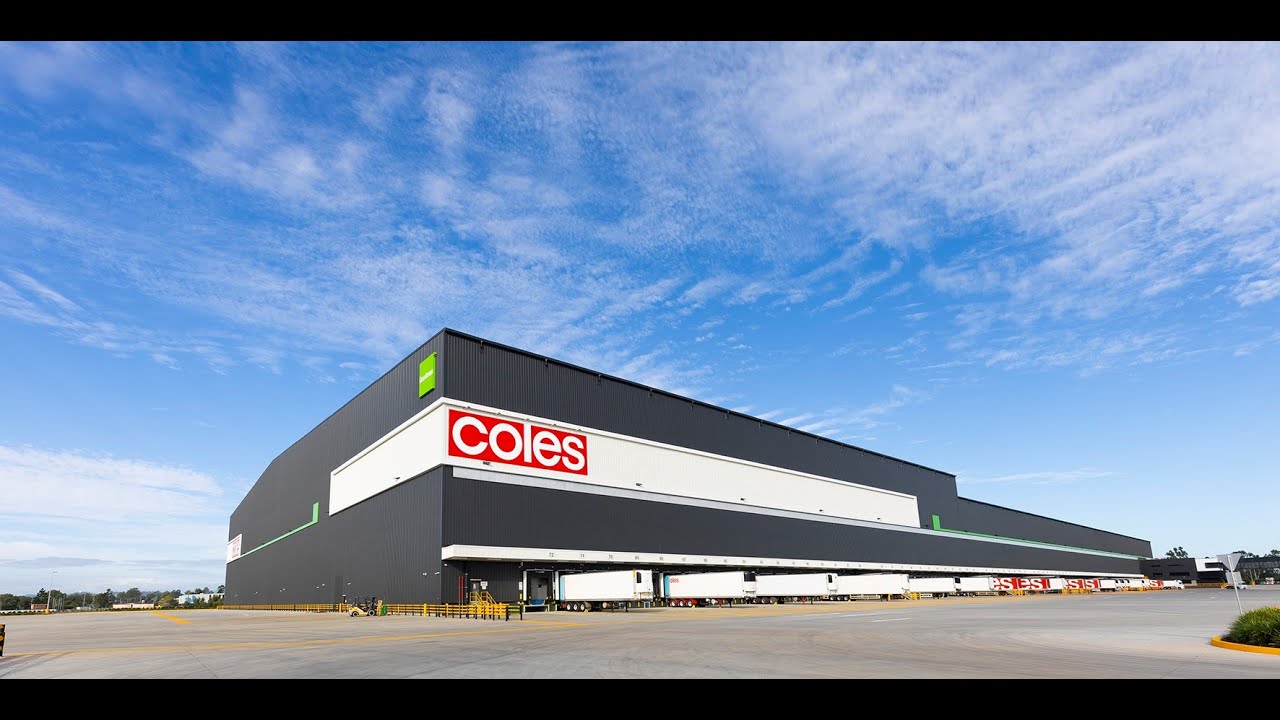
Coles Redbank Automated Distribution Center
Witron
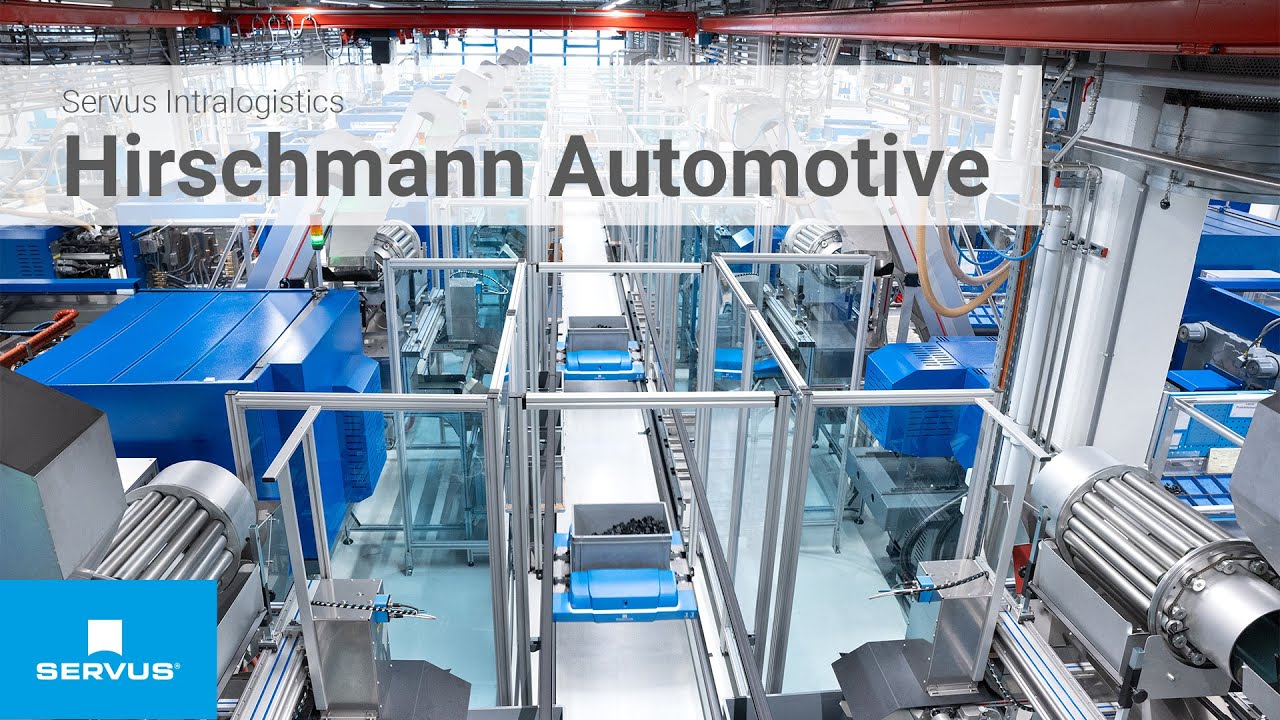
Hirschmann Automotive Rankweil Production Logistics
Servus Intralogistics
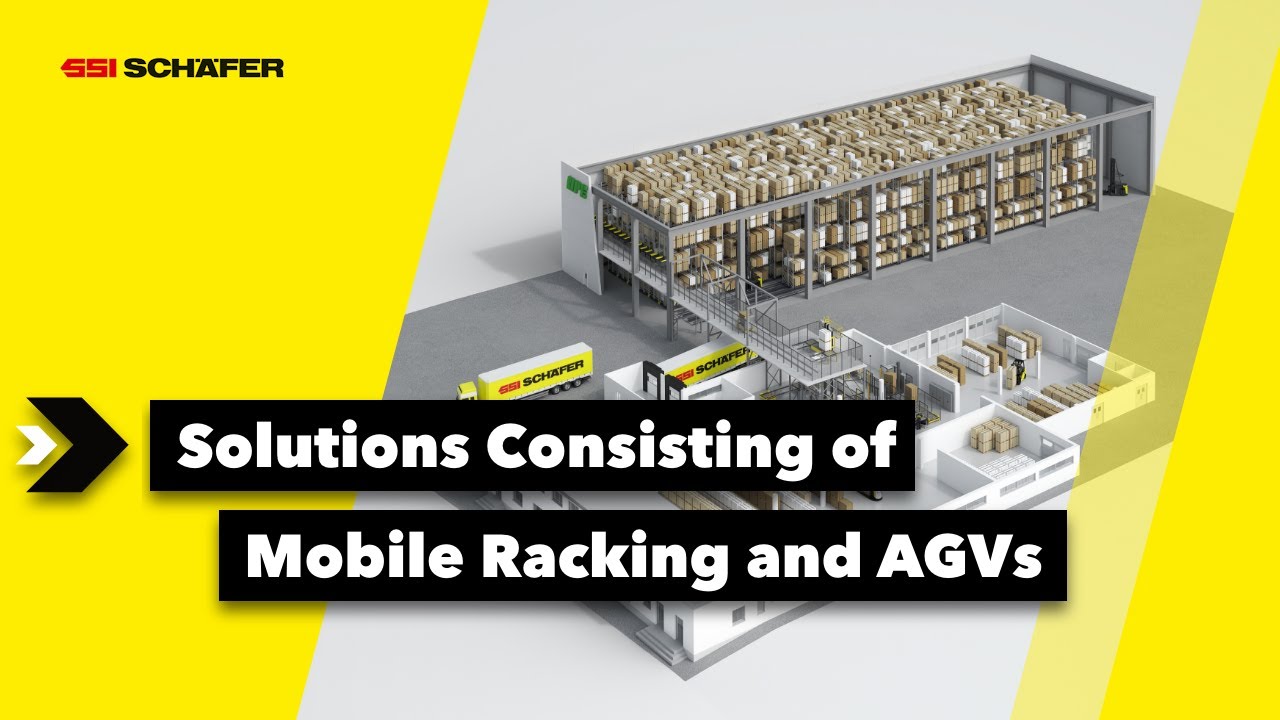
MPE Plastics Turin Automotive Warehouse
SSI Schaefer
Related Suppliers(3)

Stöcklin Logistik
Swiss specialist in automated storage and retrieval systems and intralogistics solutions.

Boston Dynamics
Advanced robotics company developing mobile robots for industrial automation and logistics applications.

MiR (Mobile Industrial Robots)
Leading Autonomous Mobile Robot Solutions