Goods-to-Person ACR Solution for Warehouse Modernization
Quick Facts
Technology Performance Metrics
⭐Key Features
Benefits
Applications
Detailed Information
Technology Overview
The HaiPick System 1, developed by Hai Robotics, is a foundational automation solution built around the company's pioneering Autonomous Case-handling Mobile Robot (ACR) technology. It is positioned as an essential and accessible entry point for businesses seeking to modernize their warehouse operations. The system directly addresses common inefficiencies: time-consuming manual case handling, low storage density, and fragmented data. By deploying a fleet of ACRs that autonomously navigate existing shelf structures to retrieve and deliver storage cases directly to workers, HaiPick System 1 transforms traditional "person-to-goods" picking into a streamlined, high-density "goods-to-person" workflow. It is designed to deliver rapid value through improved efficiency, space utilization, and data-driven management.
How It Works
Core Principles
The core principle is Autonomous Case-Handling for Goods-to-Person Fulfillment. The system uses mobile robots (ACRs) equipped with advanced vision and handling mechanisms to autonomously identify, retrieve, and transport individual storage cases (totes, cartons, or bins) from high-density shelving and deliver them directly to pick/pack workstations.
Key Features & Capabilities
Pioneer ACR Technology is the engine of the system. These robots are specifically engineered for direct case handling on standard shelves, eliminating the need for costly fixed infrastructure like conveyor lanes or specialized racking, which contributes to the system's flexibility.
Superior Flexibility and Scalability is a central design tenet. Businesses can start with a small fleet of robots and a defined storage area, then scale the number of robots and storage positions up or down based on seasonal demand or business growth, offering an agile alternative to fixed automation.
Integrated Data Centralization and Analytics transforms operational visibility. The system software collects real-time data on robot performance, inventory movement, and order cycles, providing managers with synchronized, transparent analytics to optimize workflows and make informed decisions.
Advantages & Benefits
The most quantifiable benefit is Massive Storage Density Optimization, with claims of improving existing density by up to 400%. By using robots to access very high shelving and eliminating wide aisles needed for manual access, the system stores significantly more inventory in the same floor space.
It delivers Comprehensive Operational Acceleration. By automating the travel and retrieval of cases, the system speeds up both inbound (put-away) and outbound (picking) processes, reducing cycle times and increasing overall warehouse throughput.
The system offers a Path to Rapid ROI and Low-Risk Modernization. Promoted as having a quick launch and go-live date, it allows businesses to see benefits quickly. As a modular "first step," it modernizes operations without the massive upfront commitment and disruption of a full warehouse overhaul.
Implementation Considerations
Compatibility with Existing Infrastructure is a key factor. While designed to work with standard shelving, a site assessment is needed to confirm shelf dimensions, strength, and layout are suitable for safe and efficient robot operation. Floor flatness and WiFi coverage are also critical.
Change Management for New Processes is required. Transitioning from manual picking to a goods-to-person, robot-served model changes worker roles and workflows. Effective training and process redesign are necessary to fully realize the productivity gains.
Leveraging the Data Advantage must be planned. The system's value extends beyond robotics to its data analytics. Companies should prepare to use these insights for continuous optimization in slotting, labor planning, and inventory management to achieve the full benefits.
Conclusion
The HaiPick System 1 is a compelling and practical automation solution for small to mid-sized growing businesses or as a starting point for larger enterprises. It is particularly well-suited for operations struggling with manual case handling, constrained by space, and seeking a data-driven approach to warehouse management. Its strengths lie in its flexibility, rapid deployment potential, and dramatic space-saving capabilities. Potential adopters should carefully assess their current storage media and workflow readiness to integrate a robotic goods-to-person system. When aligned with business needs, HaiPick System 1 can serve as a powerful catalyst for modernization, delivering immediate efficiency gains, cost savings, and a scalable platform for future growth.
Related Knowledge
Robotic Case Picking
Advanced robotic case picking systems that combine industrial robotics with intelligent vision systems to automate the handling of full cases and cartons, delivering exceptional speed, precision, and reliability in high-volume distribution operations.
Robotic Piece Picking
Advanced robotic systems that use AI and computer vision to automatically select and pick individual items from diverse inventory, revolutionizing warehouse fulfillment operations with human-like dexterity and intelligence.
Voice Picking Systems
Voice picking systems revolutionize warehouse operations by enabling hands-free, eyes-free order fulfillment through speech recognition technology. Workers receive spoken instructions through wireless headsets and confirm actions verbally, dramatically improving productivity, accuracy, and safety while reducing training time.
Vendor
Hai RoboticsRelated Technologies
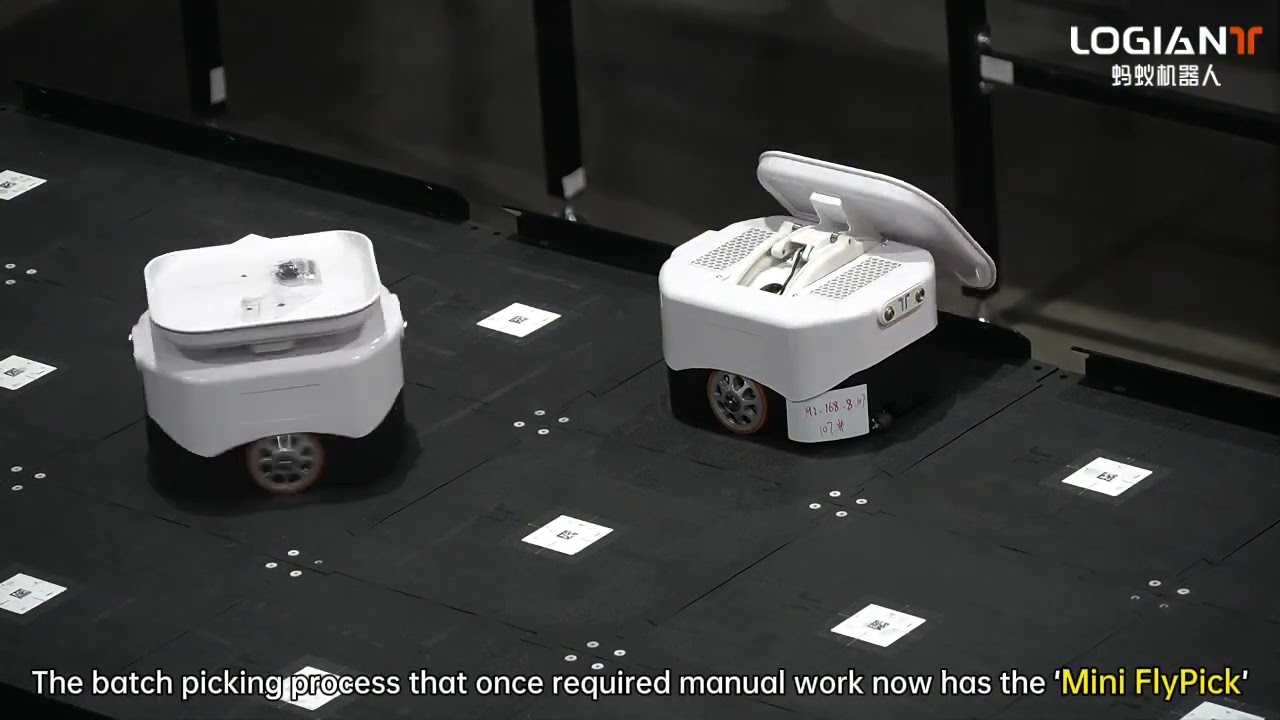
Mini FlyPick Robot: Compact High-Speed Sorting AMR
Others
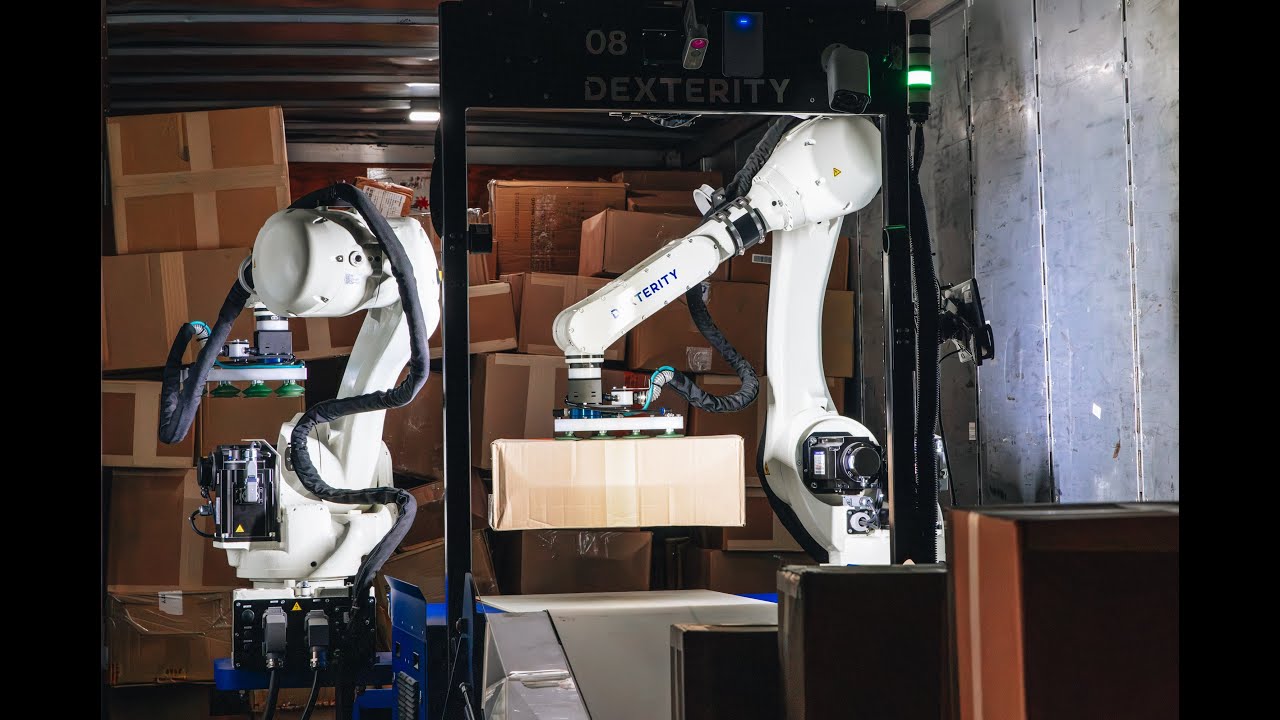
AI-Powered Robotic Truck Loading System
Others
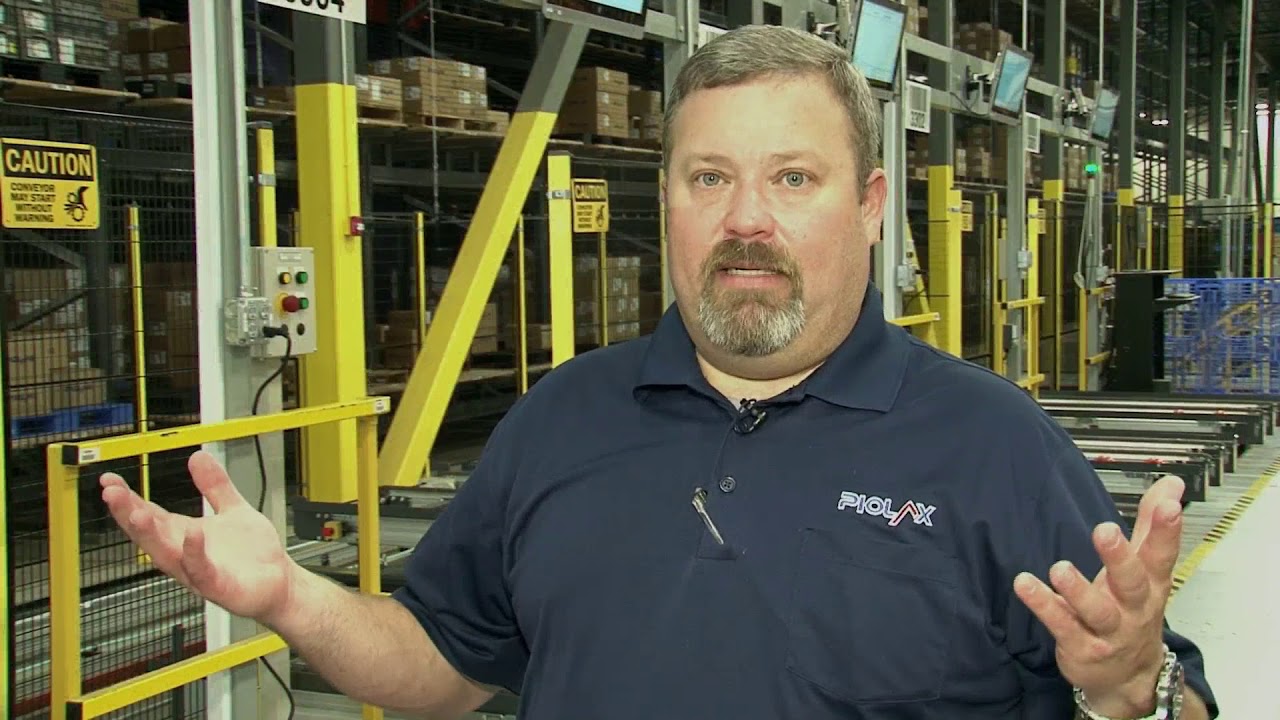
Piolax Canton Georgia Automotive Parts Distribution Center
Daifuku