WMS (Warehouse Management System)
Warehouse Management Systems (WMS) serve as the central nervous system of modern warehouse operations, orchestrating inventory tracking, order fulfillment, labor management, and operational workflows. These sophisticated software platforms transform warehouses from simple storage facilities into intelligent, data-driven fulfillment engines that optimize every aspect of material flow and resource utilization.
WMS System Architecture & Capabilities
Core Functions
- ▸Receiving: Inbound processing
- ▸Putaway: Storage optimization
- ▸Picking: Order fulfillment
- ▸Shipping: Outbound coordination
Inventory Control
- ▸Real-time: Perpetual inventory
- ▸Traceability: Lot/serial tracking
- ▸Accuracy: Cycle counting
- ▸Optimization: Slotting algorithms
Order Fulfillment
- ▸Wave Planning: Order grouping
- ▸Task Management: Work assignment
- ▸Prioritization: SLA management
- ▸Interleaving: Task optimization
Integration
- ▸ERP: Business system sync
- ▸TMS: Transportation link
- ▸WCS: Automation control
- ▸E-commerce: Order streaming
Analytics & BI
- ▸Dashboards: Real-time KPIs
- ▸Labor: Productivity tracking
- ▸Trends: Historical analysis
- ▸Predictive: AI/ML insights
Deployment
- ▸Cloud: SaaS subscription
- ▸On-Premise: Self-hosted
- ▸Hybrid: Mixed approach
- ▸Mobile: Handheld devices
System Overview and Core Functionality
A Warehouse Management System represents far more than simple inventory tracking software—it functions as the operational brain that coordinates every activity within the four walls of the warehouse. At its core, WMS manages the fundamental warehouse processes: receiving incoming goods, determining optimal storage locations, directing picking activities, coordinating packing and shipping, and maintaining real-time inventory accuracy. Modern WMS platforms have evolved from basic inventory ledgers into sophisticated orchestration engines that leverage artificial intelligence, machine learning, and advanced algorithms to optimize decisions in real-time, adapting to changing conditions and learning from historical patterns to continuously improve performance.
The architectural foundation of contemporary WMS platforms reflects decades of evolution in warehouse technology and operational best practices. Cloud-native architectures have largely replaced legacy on-premise systems, delivering benefits including rapid deployment, automatic updates, elastic scalability, and reduced IT infrastructure costs. Microservices design enables modular functionality where individual components can be updated, scaled, or replaced independently without disrupting the entire system. API-first development facilitates seamless integration with the broader technology ecosystem including ERP systems, transportation management, automation equipment, and e-commerce platforms. This modern architecture enables warehouses to adapt quickly to changing business requirements without costly system replacements.
The user experience dimension of WMS has transformed dramatically as mobile technology and intuitive design principles have permeated the industry. Mobile-first interfaces enable warehouse associates to access system functionality through handheld devices, tablets, or wearable computers, eliminating the need to return to fixed workstations for information or task updates. Voice-directed workflows integrate with WMS to provide hands-free operation, improving productivity and safety. Augmented reality capabilities overlay digital information onto the physical environment, guiding workers to locations and providing visual confirmation of tasks. Role-based dashboards present relevant information and controls tailored to each user's responsibilities, from warehouse associates to operations managers to executive leadership.
Inventory Management and Control
Inventory accuracy represents the foundation upon which all warehouse operations depend, and WMS delivers the tools and processes to maintain near-perfect inventory records. Real-time tracking captures every inventory movement as it occurs, eliminating the lag between physical activity and system records that plagued earlier generations of warehouse systems. Barcode scanning and RFID technology provide automatic identification and verification, reducing human error while accelerating transaction processing. Cycle counting programs replace disruptive annual physical inventories with continuous sampling that identifies and corrects discrepancies before they impact operations. Advanced WMS platforms achieve inventory accuracy rates exceeding 99.9%, transforming inventory from a source of uncertainty into a reliable operational asset.
Location management capabilities enable warehouses to maximize space utilization while maintaining efficient access to inventory. Dynamic slotting algorithms analyze product characteristics, demand patterns, and operational constraints to determine optimal storage locations for each SKU, continuously adjusting assignments as conditions change. Zone-based organization groups products by characteristics like temperature requirements, security needs, or velocity, enabling specialized handling and storage strategies. Multi-level location hierarchies support complex facility layouts with buildings, zones, aisles, bays, levels, and positions, providing precise inventory positioning down to the individual pallet or bin. Directed putaway guides receiving personnel to optimal locations based on real-time space availability and strategic placement rules.
Lot and serial number tracking provides the traceability required for regulated industries and quality management programs. WMS maintains complete chain of custody records showing every movement and transaction for each lot or serial number from receipt through shipment. Expiration date management ensures FEFO (First Expired, First Out) rotation for perishable goods, automatically directing picking to items approaching expiration while preventing shipment of expired products. Recall management capabilities enable rapid identification and isolation of affected inventory when quality issues arise, minimizing customer impact and regulatory exposure. Genealogy tracking maintains relationships between components and finished goods, supporting root cause analysis and impact assessment.
Warehouse Management System (WMS): Core Operations Platform
Vendor: Others
Order Fulfillment and Picking Optimization
Order management functionality transforms customer orders into executable warehouse tasks while optimizing resource utilization and service levels. Order promising capabilities check inventory availability and capacity constraints to provide accurate delivery commitments at the point of sale. Wave planning groups orders into efficient picking batches based on factors like shipping deadlines, carrier schedules, order characteristics, and resource availability. Priority management enables expedited handling of rush orders or high-value customers without disrupting normal operations. Order consolidation combines multiple orders for the same customer or destination to reduce handling and shipping costs.
Picking strategy optimization represents one of the most impactful areas where WMS delivers operational value. The system supports multiple picking methodologies including discrete picking, batch picking, zone picking, wave picking, and cluster picking, selecting the optimal approach based on order characteristics and operational constraints. Task interleaving combines picking with other activities like putaway or replenishment to eliminate empty travel and maximize labor productivity. Pick path optimization sequences picking tasks to minimize travel distance while respecting operational constraints like temperature zones or security requirements. Dynamic pick face replenishment ensures high-velocity items remain available in primary picking locations without manual intervention.
Picking accuracy improvements delivered by WMS dramatically reduce costly errors and improve customer satisfaction. Directed picking guides workers to exact locations and quantities, eliminating guesswork and reducing training requirements. Verification scanning confirms correct item selection before allowing task completion, catching errors at the source rather than discovering them during packing or after shipment. Exception handling workflows guide workers through resolution of discrepancies like missing inventory or damaged goods without requiring supervisor intervention. Quality control checkpoints enable inspection of picked items before packing, ensuring product condition meets standards.
Labor Management and Productivity
Labor management capabilities transform WMS from a transaction processing system into a comprehensive workforce optimization platform. Engineered labor standards establish expected performance levels for each warehouse task based on time-and-motion studies or historical data analysis. Real-time performance tracking compares actual productivity against standards, providing immediate visibility into individual and team performance. Incentive program support enables performance-based compensation that rewards high productivity while maintaining quality standards. Skill-based task assignment matches work to worker capabilities, ensuring complex tasks go to experienced personnel while enabling newer workers to build skills on simpler activities.
Workforce planning tools help operations managers optimize staffing levels and schedules to match workload demands. Workload forecasting predicts labor requirements based on expected order volumes, historical productivity rates, and operational constraints. Schedule optimization creates shift plans that provide adequate coverage during peak periods while minimizing labor costs during slower times. Cross-training management tracks worker skills and certifications, enabling flexible deployment across multiple areas as workload shifts. Absence management facilitates rapid adjustment to unplanned absences by identifying available workers with appropriate skills.
Training and development features support continuous workforce improvement. Task-based training tracks worker proficiency across different activities, identifying skill gaps and training needs. Progressive complexity enables new workers to start with simpler tasks and gradually take on more challenging work as skills develop. Performance coaching tools provide supervisors with data-driven insights to guide improvement conversations. Gamification elements including leaderboards, achievements, and challenges can increase engagement and motivation, particularly among younger workers accustomed to game-like interfaces.
Easy WMS: Warehouse Management System
Vendor: Mecalux
Integration and Ecosystem Connectivity
ERP integration represents the most critical external connection for WMS, enabling seamless flow of information between warehouse operations and broader business systems. Bidirectional data exchange ensures inventory levels, order status, and transaction details remain synchronized between systems. Master data management maintains consistency of product information, customer records, and supplier details across the enterprise. Financial integration enables automatic posting of inventory transactions, labor costs, and other warehouse activities to accounting systems. Purchase order management coordinates inbound receipts with procurement systems, automating receiving processes and exception handling.
Transportation management integration optimizes the handoff between warehouse and delivery operations. Carrier selection considers shipping requirements, costs, and service levels to choose optimal carriers for each shipment. Rate shopping compares real-time carrier rates to minimize shipping costs. Label generation produces compliant shipping labels and documentation automatically. Shipment tracking provides visibility into order status from warehouse through final delivery. Appointment scheduling coordinates inbound and outbound dock activities with carrier schedules to minimize wait times and maximize dock productivity.
Automation equipment integration enables WMS to orchestrate complex material handling systems. Conveyor control directs package flow through sortation and distribution systems. AS/RS coordination manages automated storage and retrieval operations, optimizing storage density and retrieval speed. Robotic system integration directs AMRs, picking robots, and other automated equipment to execute warehouse tasks. Real-time status monitoring tracks equipment performance and availability, enabling proactive maintenance and rapid response to issues. Simulation capabilities enable testing of operational changes in virtual environments before implementation.
Analytics and Business Intelligence
Operational dashboards provide real-time visibility into warehouse performance across key metrics. Inventory levels and turnover rates enable proactive management of stock levels and identification of slow-moving items. Order fulfillment metrics including orders shipped, line fill rates, and on-time performance track service level achievement. Labor productivity measures including units per hour, cost per unit, and accuracy rates enable workforce optimization. Space utilization analytics identify opportunities to improve storage density and reduce facility costs. Customizable views enable each user to focus on metrics relevant to their role and responsibilities.
Historical analysis capabilities transform operational data into strategic insights. Trend analysis identifies patterns in demand, productivity, and performance over time, supporting forecasting and planning. Comparative analysis benchmarks performance across time periods, facilities, or operational areas to identify best practices and improvement opportunities. Root cause analysis tools help operations teams understand the drivers behind performance variations and quality issues. What-if modeling enables evaluation of potential changes before implementation, reducing risk and improving decision quality.
Predictive analytics leverage machine learning to anticipate future conditions and optimize operations proactively. Demand forecasting predicts future order volumes and product mix to support inventory planning and workforce scheduling. Capacity planning models future space and labor requirements based on business growth projections. Maintenance prediction anticipates equipment failures before they occur, enabling proactive service that minimizes downtime. Optimization recommendations suggest operational improvements based on analysis of historical patterns and current conditions.
Implementation and Change Management
Implementation methodology significantly impacts WMS project success, with modern approaches emphasizing agile deployment over traditional waterfall methods. Phased rollout enables organizations to implement functionality incrementally, validating each phase before proceeding to the next. Pilot operations test the system in limited scope before full deployment, identifying issues in controlled environments. Parallel operation runs new and legacy systems simultaneously during transition, providing fallback capability and validation of new system accuracy. Go-live support provides intensive assistance during the critical initial period when users are learning the new system.
Change management activities ensure organizational readiness and user adoption. Stakeholder engagement builds support among leadership, operations management, and frontline workers. Communication programs keep all parties informed about project progress, upcoming changes, and expected benefits. Training programs provide role-specific instruction on system functionality and new operational processes. Super user development creates internal experts who can provide peer support and serve as change champions. Feedback mechanisms enable users to report issues and suggest improvements, fostering continuous refinement.
Data migration represents one of the most challenging aspects of WMS implementation. Data cleansing corrects errors and inconsistencies in legacy data before migration. Mapping and transformation converts data from legacy formats to new system structures. Validation and reconciliation ensures migrated data matches source systems and meets quality standards. Cutover planning coordinates the transition from legacy to new systems, minimizing operational disruption. Contingency planning prepares for potential issues during migration, enabling rapid response if problems arise.
Cloud vs On-Premise Deployment
Cloud-based WMS has become the dominant deployment model for new implementations, delivering compelling advantages over traditional on-premise systems. Rapid deployment enables go-live in weeks or months rather than the year-plus timelines typical of on-premise projects. Predictable costs replace large upfront capital expenditures with manageable monthly subscription fees. Automatic updates ensure access to latest features and security patches without internal IT effort. Elastic scalability enables systems to handle peak volumes without over-provisioning for average loads. Disaster recovery and business continuity capabilities come built-in rather than requiring separate infrastructure investment.
On-premise deployment remains relevant for organizations with specific requirements that cloud solutions cannot address. Data sovereignty concerns in regulated industries or certain geographies may require local data storage. Customization requirements beyond what cloud platforms support may necessitate on-premise deployment. Integration complexity with legacy systems sometimes favors on-premise solutions. Total cost of ownership analysis may favor on-premise for very large operations with stable requirements. Hybrid approaches combine cloud and on-premise elements, leveraging cloud benefits while addressing specific on-premise requirements.
Security considerations differ between deployment models but both can achieve high security levels. Cloud providers invest heavily in security infrastructure, compliance certifications, and threat monitoring that most individual organizations cannot match. Data encryption protects information in transit and at rest. Access controls and authentication mechanisms prevent unauthorized access. Audit trails track all system activity for compliance and forensic purposes. Disaster recovery capabilities ensure business continuity even in catastrophic scenarios.
Industry-Specific Considerations
E-commerce fulfillment operations require WMS capabilities optimized for high-velocity, small-order processing. Order streaming enables picking to begin as soon as orders arrive rather than waiting for batch processing. Multi-channel order management coordinates fulfillment across retail stores, e-commerce, and marketplace channels. Returns processing handles the growing reverse logistics stream efficiently. Gift messaging and special packaging requirements add complexity that WMS must manage. Same-day and next-day fulfillment demands require sophisticated prioritization and resource allocation.
Third-party logistics (3PL) providers need multi-client capabilities that traditional WMS platforms often lack. Client-specific configurations enable different operational rules, billing structures, and reporting for each customer. Billing automation calculates charges based on activities performed, space utilized, and value-added services provided. Client portals provide visibility into inventory levels, order status, and performance metrics. Flexible workflows accommodate diverse client requirements without requiring separate system instances.
Food and beverage operations require specialized functionality for perishable goods management. Temperature zone management ensures products remain within required ranges throughout storage and handling. Lot tracking and expiration date management enable FEFO rotation and prevent shipment of expired products. Catch weight handling accommodates variable-weight items common in food distribution. Regulatory compliance features support FDA, USDA, and other agency requirements. Allergen management prevents cross-contamination and ensures proper labeling.
Future Trends and Evolution
Artificial intelligence and machine learning are transforming WMS from rule-based systems into intelligent platforms that learn and adapt. Predictive algorithms anticipate demand patterns, optimize inventory placement, and forecast resource requirements with increasing accuracy. Computer vision enables automatic identification and quality inspection without manual scanning. Natural language processing allows workers to interact with systems through voice commands and conversational interfaces. Autonomous decision-making enables systems to handle routine decisions without human intervention, escalating only exceptions that require judgment.
Internet of Things (IoT) integration expands WMS visibility beyond traditional transaction data. Environmental sensors monitor temperature, humidity, and other conditions affecting product quality. Asset tracking provides real-time location of equipment, containers, and high-value inventory. Predictive maintenance sensors detect equipment issues before failures occur. Wearable devices track worker location, activity, and even biometric data to optimize safety and productivity. Smart packaging with embedded sensors provides product-level visibility throughout the supply chain.
Blockchain technology promises to enhance traceability, security, and trust in supply chain transactions. Immutable records prevent tampering with transaction history. Smart contracts automate execution of agreements when conditions are met. Supply chain visibility extends beyond individual organizations to provide end-to-end transparency. Counterfeit prevention enables verification of product authenticity. Regulatory compliance becomes easier with complete, verifiable transaction records.
Success with WMS requires more than software selection and implementation—it demands commitment to continuous improvement, data-driven decision making, and organizational change management. The most successful WMS deployments treat the system as a strategic platform that evolves with the business rather than a static tool. When properly selected, implemented, and managed, WMS transforms warehouse operations from cost centers into competitive advantages that enable superior customer service, operational efficiency, and business agility.
Related Technologies (6)
Warehouse Management System (WMS): Core Operations Platform
Others
Easy WMS: Warehouse Management System
Mecalux
Dark Warehouse: Fully Automated Warehouse Operations
Addverb
Warehouse Slotting Software: WMS-Integrated Location Optimization
Mecalux
Mecalux Shuttle System: Automated AS/RS for Boxes and Small Parts
Mecalux
Swisslog AutoStore Integration and SynQ Software: Holistic Automation Platform
Swisslog
Related Software Topics
SAP EWM (Extended Warehouse Management)
Enterprise-grade warehouse management solution deeply integrated with SAP's ERP ecosystem, providing comprehensive functionality for complex logistics operations, advanced automation control, and seamless end-to-end supply chain visibility.
WCS (Warehouse Control System)
Low-level control system that directly manages and coordinates material handling equipment in real-time, translating high-level execution commands into precise device-level instructions for conveyors, sorters, and automated systems.
WES (Warehouse Execution System)
Real-time execution layer that orchestrates automated equipment, optimizes task sequencing, and bridges the gap between warehouse management systems and material handling controls for maximum operational efficiency.
About This Topic
Related Projects(6)

FIEGE Apfelstädt Logistics Center AutoStore System
Element Logic

Sengkang General Hospital Singapore Central Sterile Supply Unit
Daifuku

Vinamilk Saigon Dairy Factory Cold Storage Warehouse
Daifuku
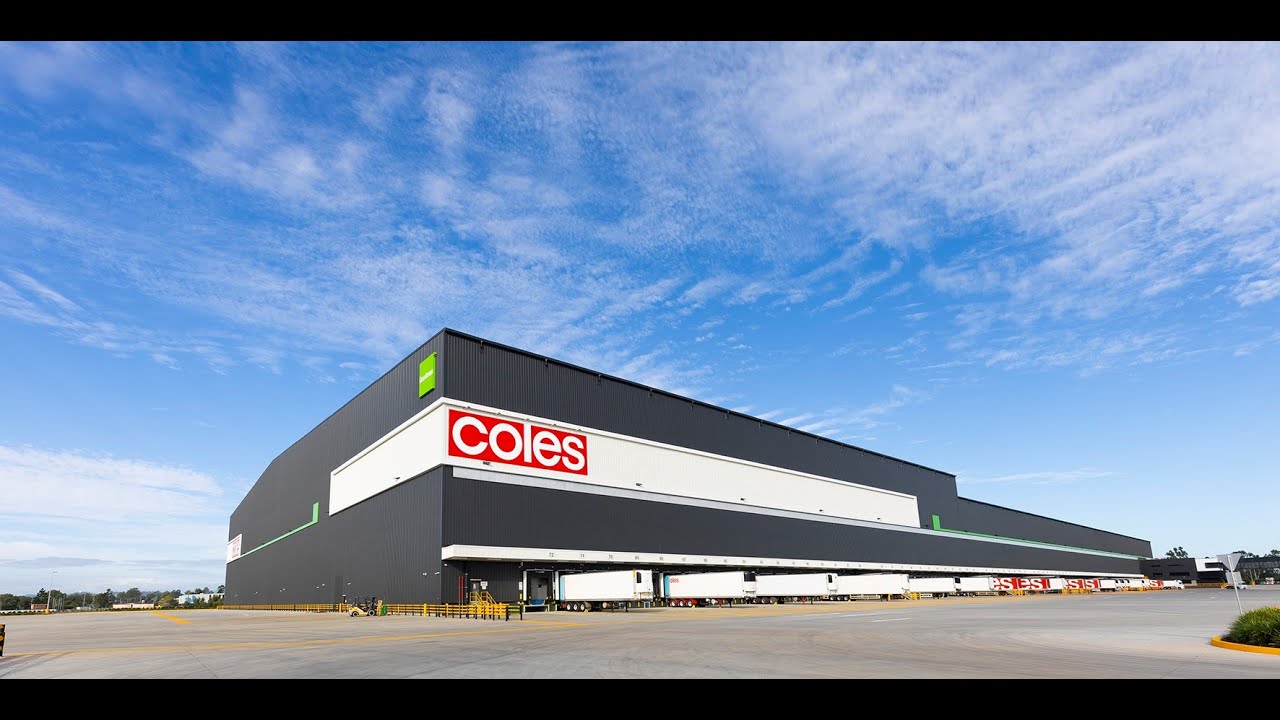
Coles Redbank Automated Distribution Center
Witron

Weiling GmbH Coesfeld Distribution Center
Swisslog

Roark - Aerospace Tool & Die Automated Storage System
Bastian Solutions
Related Suppliers(3)

6 River Systems
The Seamless Fulfillment Automation Solution to Boost Efficiency and Productivity in Your Warehouse

Addverb
Warehouse Automation that delivers value!

AutoStore
The World's Fastest AS/RS Solution