Vertical Lift Modules (VLM)
Vertical lift modules use automated extractors to retrieve trays from vertically stacked storage positions, delivering items to ergonomic access openings for picking while maximizing vertical space utilization.
Vertical Lift Module System Overview
Core Components
- •Vertical Structure10-50 feet tall tower
- •Extractor LiftAutomated retrieval
- •Storage TraysAdjustable heights
- •Access PointErgonomic delivery
Applications
- •ManufacturingParts & tools
- •Spare PartsService operations
- •HealthcarePharmacy & supplies
- •ElectronicsHigh-value items
Key Benefits
- •60-85% Space Savingsvs. traditional shelving
- •Ergonomic AccessWaist-height delivery
- •99.9%+ AccuracyInventory control
- •Secure & EnclosedProtected storage
Performance
- •15-45 secondsAverage retrieval time
- •200-400 picks/hourPer operator
- •50-200+ traysPer unit capacity
- •99%+ uptimeSystem reliability
Investment
- •Single: $50-80K20 feet, 100 trays
- •Medium: $80-120K30 feet, 150 trays
- •Large: $120-180K40+ feet, 200+ trays
- •ROI: 1-3 yearsTypical payback
Future Trends
- •Robotic PickingAutomated arms
- •IoT AnalyticsReal-time monitoring
- •AI OptimizationSmart slotting
- •SustainabilityEnergy efficiency
How VLMs Work
The extractor mechanism travels vertically on rails within the column, using motors and cables or chains to move at speeds of 100-200 feet per minute. When a tray is requested, the extractor positions itself at the tray's level, extends gripping arms or hooks to engage the tray, and lifts it to the access opening at the operator's workstation. Tray heights are adjustable (typically 3-24 inches), with the system automatically configuring storage positions to minimize wasted vertical space based on actual tray contents.
Control software manages tray locations, optimizes retrieval sequences, and integrates with warehouse or inventory management systems. Batch picking strategies group multiple picks to minimize extractor cycles, while intelligent sequencing delivers trays in optimal order for order fulfillment. Inventory tracking maintains real-time records of tray contents and locations, supporting accurate inventory management and cycle counting.
Key Benefits
Space savings of 60-75% result from vertical storage to 40+ feet and elimination of aisles. A single VLM occupying 15-30 square feet can replace 200-400 square feet of shelving, freeing valuable floor space for productive operations. Vertical expansion enables facilities to add capacity without building expansion, particularly valuable in constrained urban locations or expensive real estate.
Productivity improvements of 2-3x come from automated tray delivery eliminating walking and searching time. Workers remain at ergonomic workstations while the VLM delivers items, reducing fatigue and improving pick rates to 100-200+ lines per hour. Ergonomic benefits presenting items at comfortable heights reduce injury risks and improve worker satisfaction.
Inventory accuracy exceeds 99% through controlled access and automated tracking. Secure storage with access control prevents unauthorized removal, valuable for high-value items or controlled substances. Environmental protection with optional sealed enclosures protects sensitive items from dust, moisture, or temperature variations.
Common Applications
Manufacturing uses VLMs for storing components, tools, and spare parts near production lines. Just-in-time delivery of parts reduces work-in-process inventory. Tool cribs manage thousands of tools with automated tracking and controlled access. Kitting operations assemble components for production orders.
Maintenance and repair operations in aerospace, automotive, and industrial sectors leverage VLMs for managing thousands of spare parts. Rapid retrieval enables quick order fulfillment when parts are needed. Inventory tracking supports maintenance planning and procurement.
Healthcare and pharmacy operations use VLMs for medication storage and dispensing. Controlled access and audit trails support regulatory compliance. FIFO rotation ensures proper product dating. Secure storage prevents theft or unauthorized access to controlled substances.
Electronics and small parts distribution employs VLMs for managing diverse SKU assortments in minimal space. High SKU density supports thousands of products in compact footprints. Batch picking for multiple orders improves fulfillment efficiency.
Implementation Considerations
Building requirements include adequate ceiling height (15-40+ feet preferred), normal floor capacity (500-1,000 PSF), and access for installation. Modular sizing allows selection of appropriate height and capacity for specific needs. Capital investment of $50K-200K per unit with typical payback of 2-4 years through space savings and productivity improvements.
Tray configuration determines storage efficiency. Adjustable tray heights (3-24 inches) accommodate varying product dimensions. Tray subdividers organize small items within trays. Weight capacity (typically 500-1,500 pounds per tray) must accommodate actual loads.
Integration with picking stations, inventory systems, and facility infrastructure requires planning. Ergonomic workstation design maximizes picker productivity. WMS or ERP integration provides real-time inventory visibility and automated replenishment. Electrical requirements are modest (typically 110-220V single phase).
Best Practices
Slotting optimization places high-velocity items in the most accessible tray positions (middle heights) to minimize extractor travel. ABC analysis guides placement decisions. Dynamic slotting adjusts locations based on changing velocity patterns.
Batch picking groups orders to minimize tray retrievals. Pick-to-light or voice picking systems integrated with VLMs improve accuracy and speed. Replenishment planning ensures adequate stock levels without overfilling trays.
Preventive maintenance includes monthly inspections, quarterly lubrication, and annual professional service. Spare parts inventory enables rapid repairs. Well-maintained VLMs operate reliably for 15-20 years.
Measuring Success
Key metrics include picks per hour (target 100-200+), space savings (square feet freed), inventory accuracy (target 99%+), and system uptime (target 98%+). ROI materializes over 2-4 years through space savings and labor productivity. Ergonomic improvements and reduced travel time validate the investment.
By implementing VLMs with attention to tray configuration, slotting optimization, and workstation design, facilities achieve significant space savings and productivity improvements for small parts storage and order fulfillment operations.
Related Technologies (6)
Smart Sequencing for Mixed Palletizing: Vertical Buffer Solutions
byKardex
Vertical Lift Module (VLM): Rack & Pinion ASRS
bySSI Schaefer
Vertical Lift Module (VLM): Space Optimization and Ergonomic Retrieval
byKardex
Automated Vertical Storage Solutions
byModula
Modula Flexibox: Next-Generation Automated VLM Picking Solution
byKardex
SSI LOGIMAT Vertical Lift Module (VLM): High-Density Small Parts Storage
bySSI Schaefer
Related Storage Topics
AutoStore (Cubic Storage)
AutoStore uses robots traveling on top of a cubic grid of stacked bins to retrieve containers from below, providing ultra-high-density automated storage with flexible scalability and minimal footprint.
Carousel Systems
Carousel systems use rotating shelves or bins that automatically deliver items to stationary operators, improving picking productivity and space utilization through goods-to-person automation.
Mini Load AS/RS
Mini load AS/RS uses automated cranes to store and retrieve totes, trays, or cartons in high-density racking, providing efficient automated storage for small parts and individual items in order fulfillment operations.
Shuttle Systems
Shuttle systems use autonomous vehicles traveling on rails within racking structures to store and retrieve totes or cartons, providing flexible high-density automated storage with scalable throughput.
Unit Load AS/RS
Unit load AS/RS uses automated cranes traveling in narrow aisles to store and retrieve full pallets in high-density racking, providing efficient automated storage for large quantities of palletized goods.
About This Topic
Related Projects(4)
Bastian Solutions Corporate Profile: Toyota Advanced Logistics
Bastian Solutions
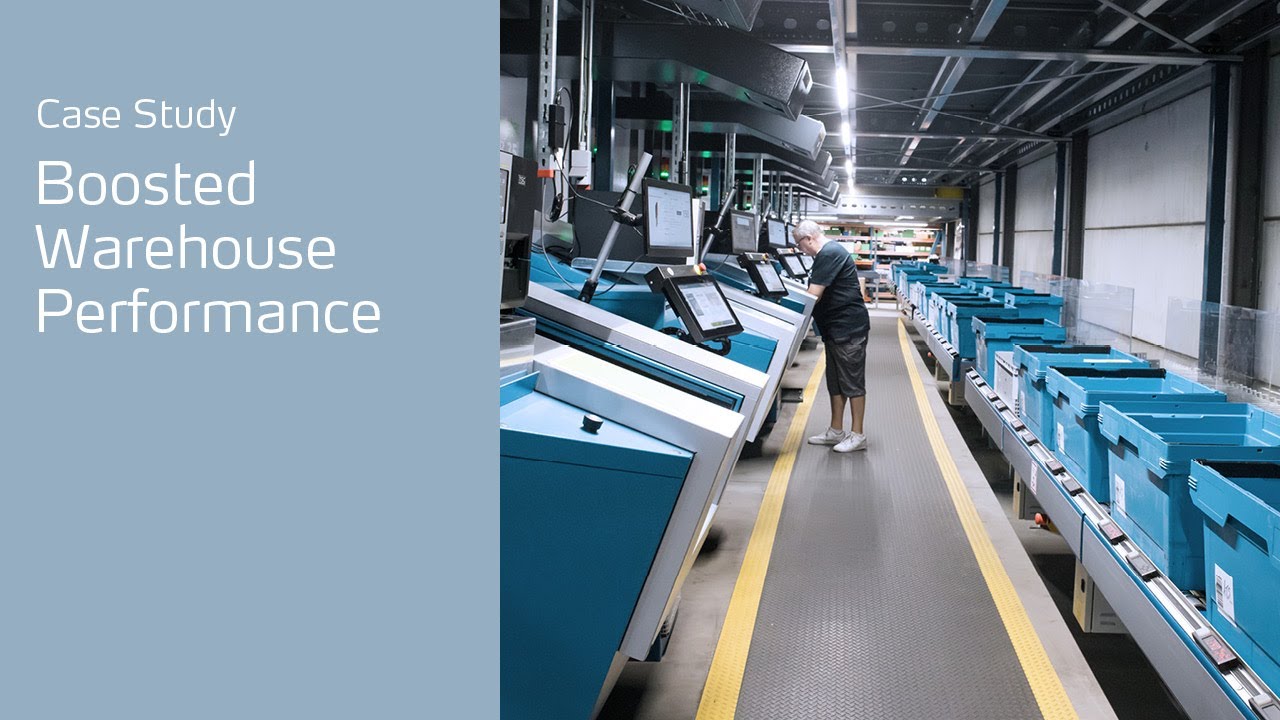
ATS Group - Merelbeke Belgium Electrical Components Automated Warehouse
Kardex
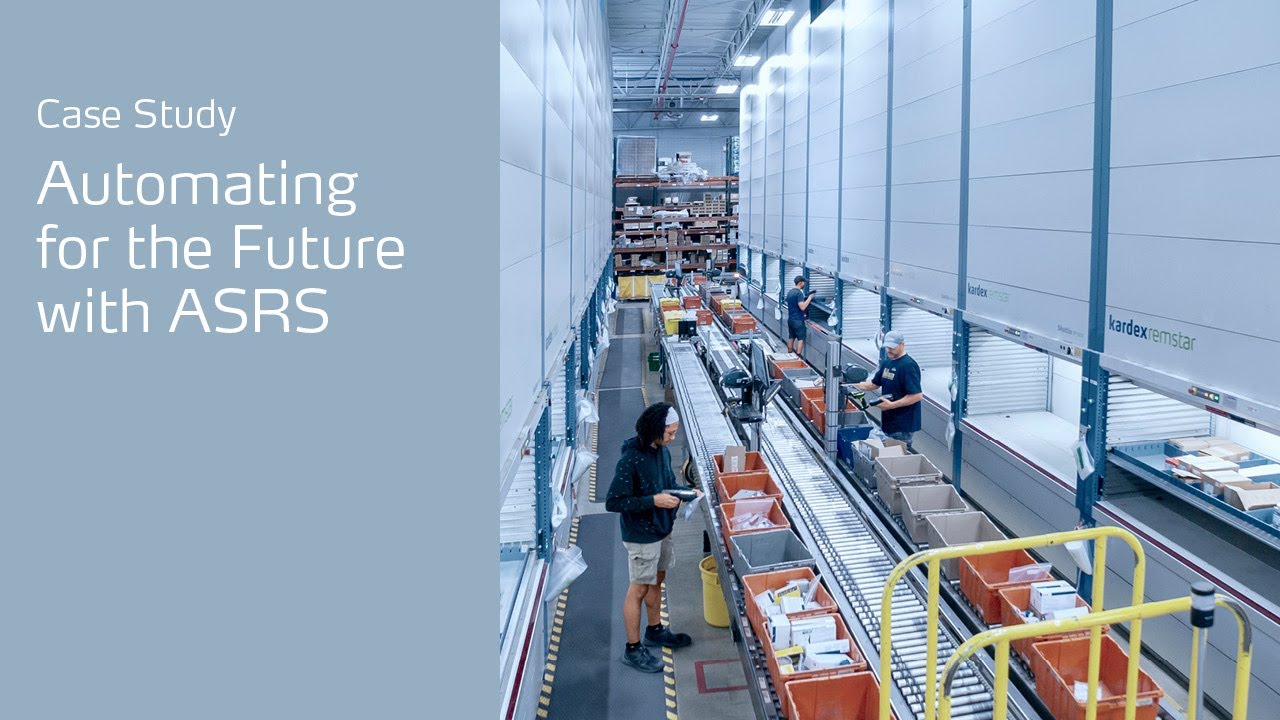
Van Meter - Cedar Rapids Electrical Distribution Warehouse Automation
Kardex
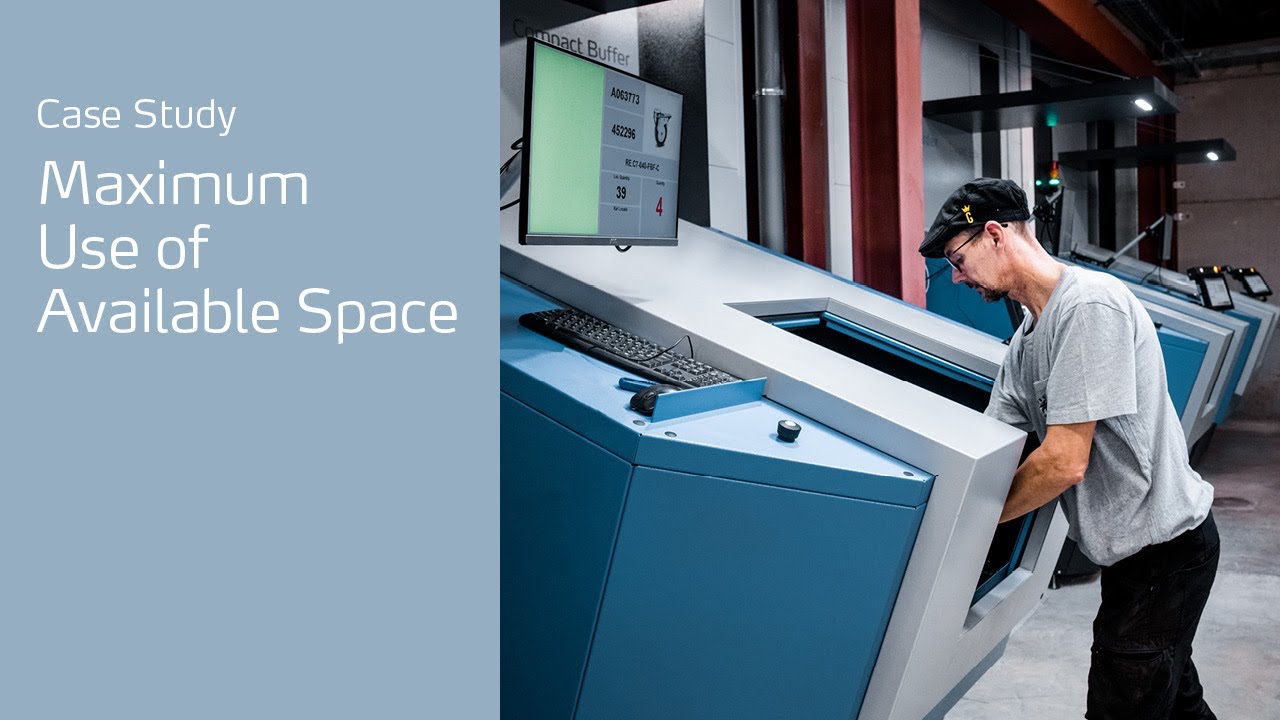
SHAKE-HAND - Belgian Standard Elements Automated Storage
Kardex
Related Suppliers(3)

Exotec
Elegant Solutions to Simplify Logistic Operations

Symbotic
AI-Powered Warehouse Automation Systems

Boston Dynamics
Advanced robotics company developing mobile robots for industrial automation and logistics applications.