AutoStore (Cubic Storage)
AutoStore uses robots traveling on top of a cubic grid of stacked bins to retrieve containers from below, providing ultra-high-density automated storage with flexible scalability and minimal footprint.
AutoStore Cubic Storage System Overview
Core Components
- •Cubic Grid StructureAluminum framework
- •Storage BinsStandardized containers
- •Autonomous RobotsTravel on top of grid
- •Ports & WorkstationsPicking interfaces
Robot Types
- •R5 Robot3 bins/minute standard
- •R5 Pro4 bins/minute enhanced
- •R5+ Robot5+ bins/minute high-performance
- •Black LineLatest generation
Applications
- •E-commerce FulfillmentHigh-volume orders
- •Spare PartsLarge SKU counts
- •PharmaceuticalRegulated storage
- •Micro-FulfillmentUrban locations
Key Benefits
- •4x Storage Densityvs. traditional shelving
- •Modular ScalabilityAdd robots & bins anytime
- •50-70% Labor ReductionAutomated operations
- •99.9%+ AccuracyOrder fulfillment
Investment
- •Small: $1-2M10K bins, 10 robots
- •Medium: $3-6M30K bins, 25 robots
- •Large: $10-20M100K+ bins, 50+ robots
- •ROI: 2-5 yearsTypical payback period
Future Trends
- •Enhanced RobotsFaster, more efficient
- •AI OptimizationPredictive slotting
- •Temperature ControlMulti-temp zones
- •SustainabilityEnergy efficiency
How AutoStore Works
Robots travel on rails forming a grid on top of the bin stack, moving at speeds of 10-13 feet per second. Each robot uses a lifting mechanism to reach down into the grid, grab bins by their handles, and lift them to the surface. When the target bin is buried beneath others, robots temporarily relocate upper bins to adjacent grid positions, then retrieve the target bin and return the relocated bins. Multiple robots work simultaneously across the grid, with traffic management algorithms preventing collisions and optimizing paths.
Ports (workstations) at the grid edges receive bins delivered by robots. Workers at ports pick items from bins for orders, then return bins to the grid for storage. Conveyor integration can automate bin transport between ports and packing stations. Control software coordinates robot movements, manages inventory locations, and integrates with warehouse management systems for automated order fulfillment.
Key Benefits
Maximum storage density of 85-90% utilization enables facilities to store 4-5x more inventory in the same footprint compared to shelving. The elimination of aisles and vertical stacking to 16+ levels maximizes every cubic foot of space. Small footprint makes AutoStore viable in expensive urban real estate or constrained facilities where expansion is impossible.
Scalability and flexibility allow systems to start with as few as 1,000 bins and grow to 100,000+ bins incrementally. Modular expansion adds bins, robots, and ports without disrupting existing operations. Relocatable design enables systems to be moved to new facilities if needed, protecting the investment.
Energy efficiency results from lightweight robots (66 pounds) consuming minimal power compared to traditional automation. Quiet operation and minimal heat generation reduce facility requirements. No special flooring or structural reinforcement needed in most facilities, lowering installation costs.
Common Applications
E-commerce fulfillment uses AutoStore for storing thousands of SKUs in small bins, with robots delivering bins to picking stations for order fulfillment. High SKU density supports diverse product assortments in minimal space. Scalable throughput grows by adding robots and ports as order volumes increase.
Spare parts distribution in automotive, industrial, and electronics sectors leverages AutoStore's density for managing thousands of slow-moving SKUs. Small parts storage in bins maximizes space efficiency. Rapid retrieval enables quick order fulfillment when parts are needed.
Pharmacy and healthcare operations use AutoStore for medication storage and order fulfillment. Controlled access and automated tracking support regulatory compliance. Compact footprint fits in constrained hospital or pharmacy spaces. FIFO rotation ensures proper product dating.
Grocery micro-fulfillment deploys AutoStore in urban stores or dark stores for online grocery fulfillment. High density enables thousands of SKUs in small footprints. Ambient and refrigerated configurations support diverse product requirements.
Implementation Considerations
Building requirements are minimal—standard ceiling heights (12-20 feet), normal floor capacity (300-500 PSF), and no special infrastructure. Modular installation allows phased deployment starting with small systems. Capital investment of $500K-5M+ depending on size, with typical payback of 3-5 years.
Bin sizing and slotting determine system efficiency. Standard bins (16x24x12 inches) hold 20-40 pounds of products. Item-to-bin assignment should optimize space utilization while maintaining accessibility. High-velocity items should be stored near the top for faster retrieval.
Throughput planning determines robot and port quantities. Each robot handles 60-100 bin deliveries per hour, while each port supports 100-200 picks per hour depending on order complexity. Simulation modeling validates design before installation.
Best Practices
Inventory slotting places fast-moving items in top layers and near ports to minimize retrieval time. ABC analysis guides placement decisions. Dynamic slotting adjusts locations based on velocity changes.
Preventive maintenance includes daily robot inspections, weekly grid cleaning, and monthly professional service. Spare robot inventory enables rapid replacement during failures. Remote monitoring identifies issues proactively.
Order batching groups picks to minimize bin retrievals. Wave picking processes orders in batches. Zone picking divides work across multiple ports to maximize throughput.
Measuring Success
Key metrics include system uptime (target 99%+), picks per hour per port (target 100-200+), robot utilization, and inventory accuracy (target 99.9%+). ROI materializes over 3-5 years through space savings, labor productivity, and operational flexibility. Space efficiency and scalability validate the investment.
By implementing AutoStore with attention to bin sizing, slotting optimization, and throughput planning, facilities achieve ultra-high-density storage with flexible scalability that adapts to changing business needs.
Related Technologies (6)
Dark Warehouse: Fully Automated Warehouse Operations
byAddverb
Momentum WES: Next-Generation Warehouse Execution and Control
byHoneywell Intelligrated
On-Grid Robotic Pick: Ocado's Grocery Picking and Packing Solution
byOthers
Robotic Piece-Picking for AutoStore: Integrating RightHand Robotics
byElement Logic
RapidPick XT: Goods-to-Robot Piece Picking System
byDematic
AutoStore: Robotic Cube Storage ASRS for High-Density Fulfillment
byAutoStore
Related Storage Topics
Carousel Systems
Carousel systems use rotating shelves or bins that automatically deliver items to stationary operators, improving picking productivity and space utilization through goods-to-person automation.
Mini Load AS/RS
Mini load AS/RS uses automated cranes to store and retrieve totes, trays, or cartons in high-density racking, providing efficient automated storage for small parts and individual items in order fulfillment operations.
Shuttle Systems
Shuttle systems use autonomous vehicles traveling on rails within racking structures to store and retrieve totes or cartons, providing flexible high-density automated storage with scalable throughput.
Unit Load AS/RS
Unit load AS/RS uses automated cranes traveling in narrow aisles to store and retrieve full pallets in high-density racking, providing efficient automated storage for large quantities of palletized goods.
Vertical Lift Modules (VLM)
Vertical lift modules use automated extractors to retrieve trays from vertically stacked storage positions, delivering items to ergonomic access openings for picking while maximizing vertical space utilization.
About This Topic
Related Projects(6)
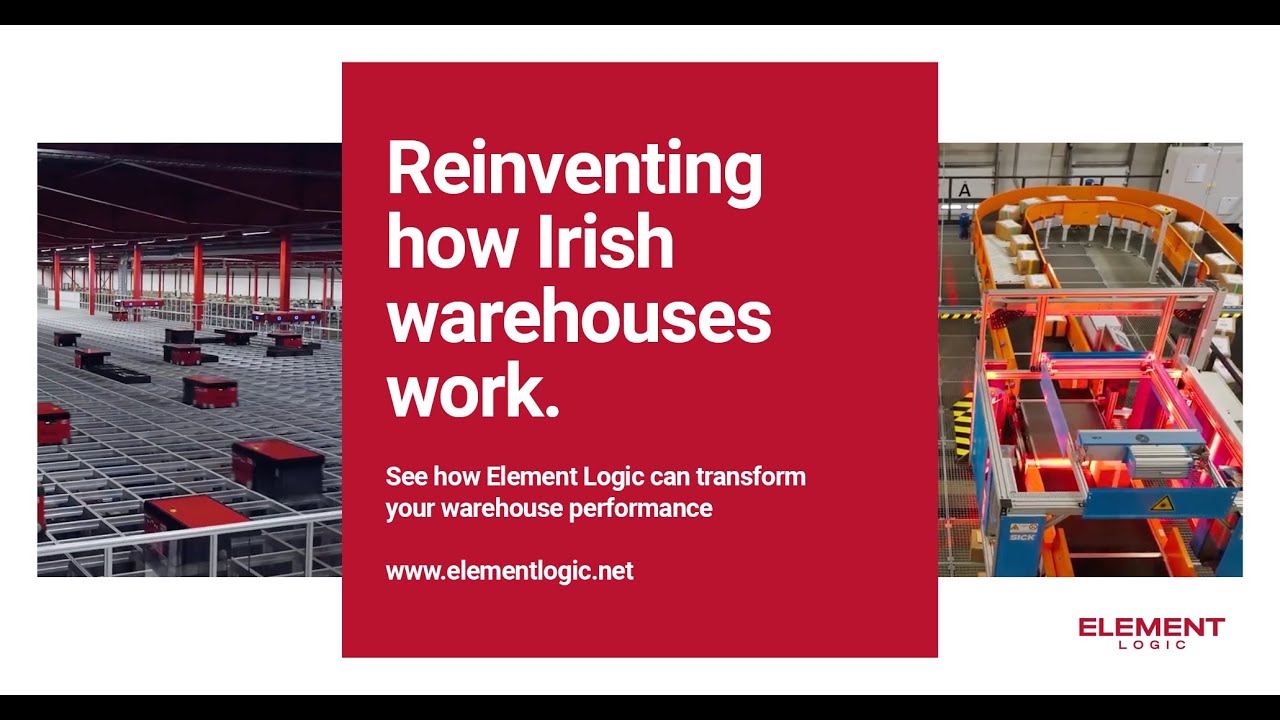
Element Logic Ireland Warehouse Automation Solutions
Element Logic
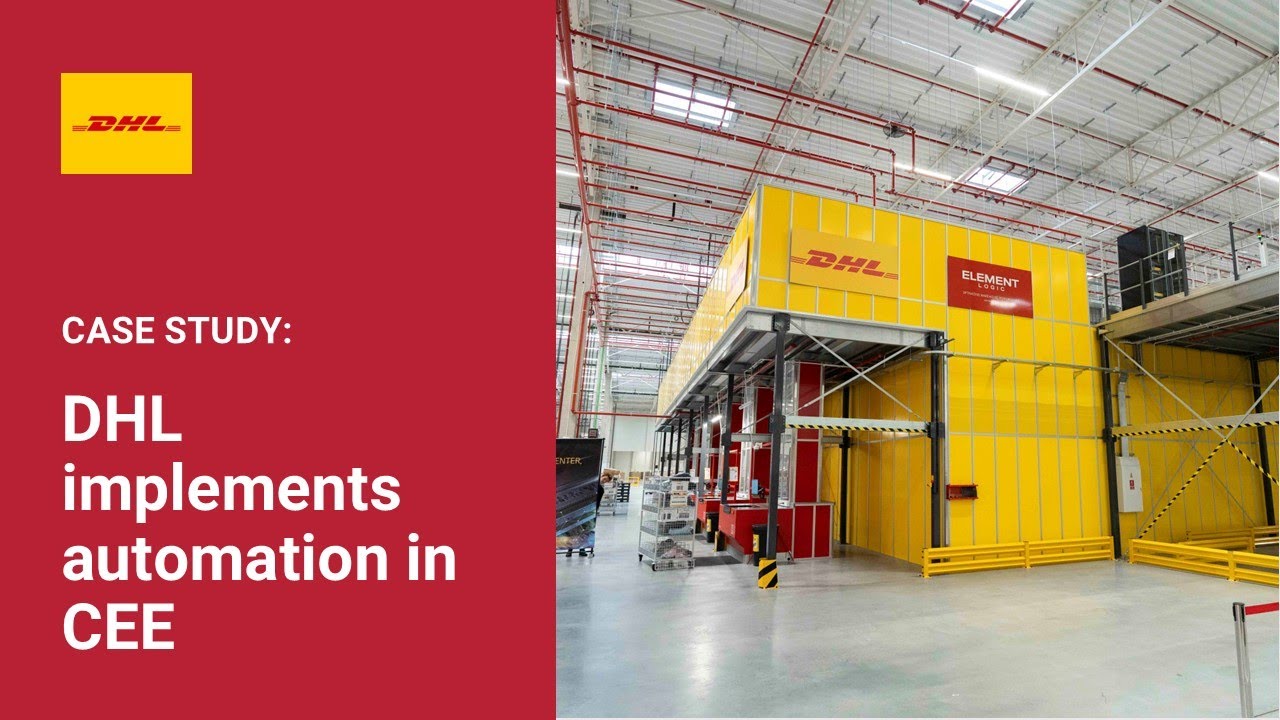
DHL Supply Chain Greater Poland E-commerce Hub
Element Logic
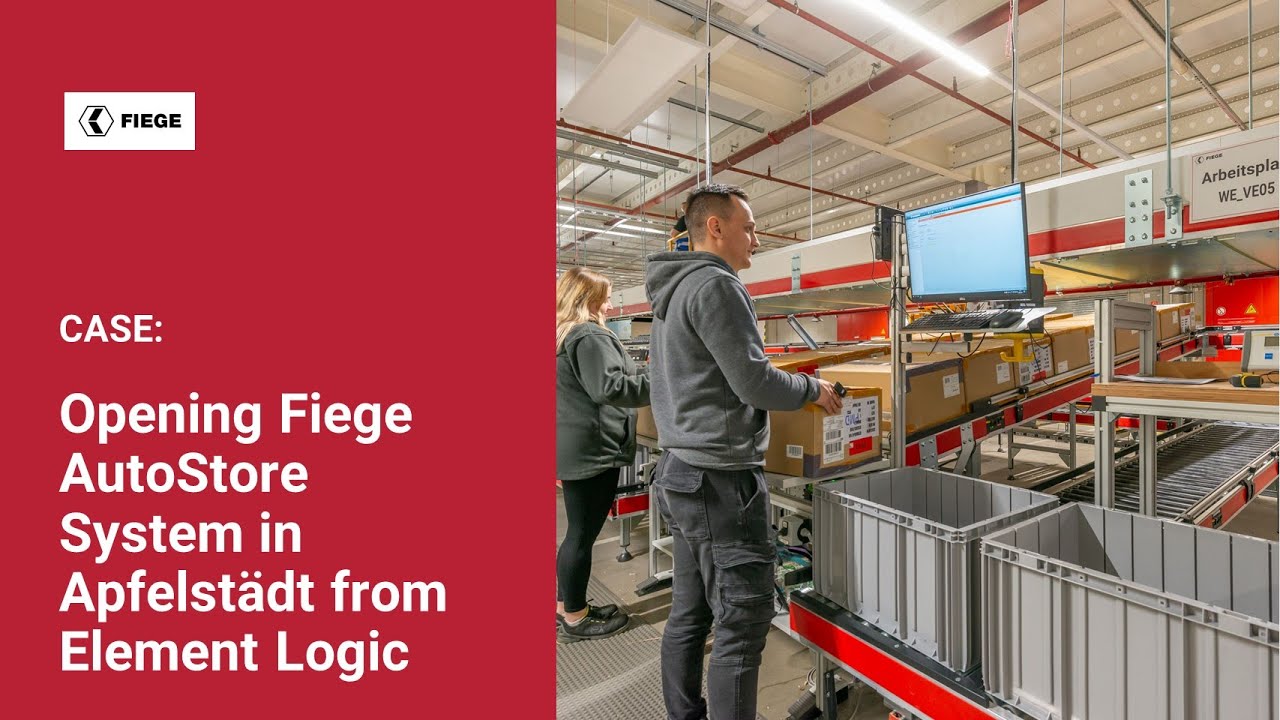
FIEGE Apfelstädt Logistics Center AutoStore System
Element Logic
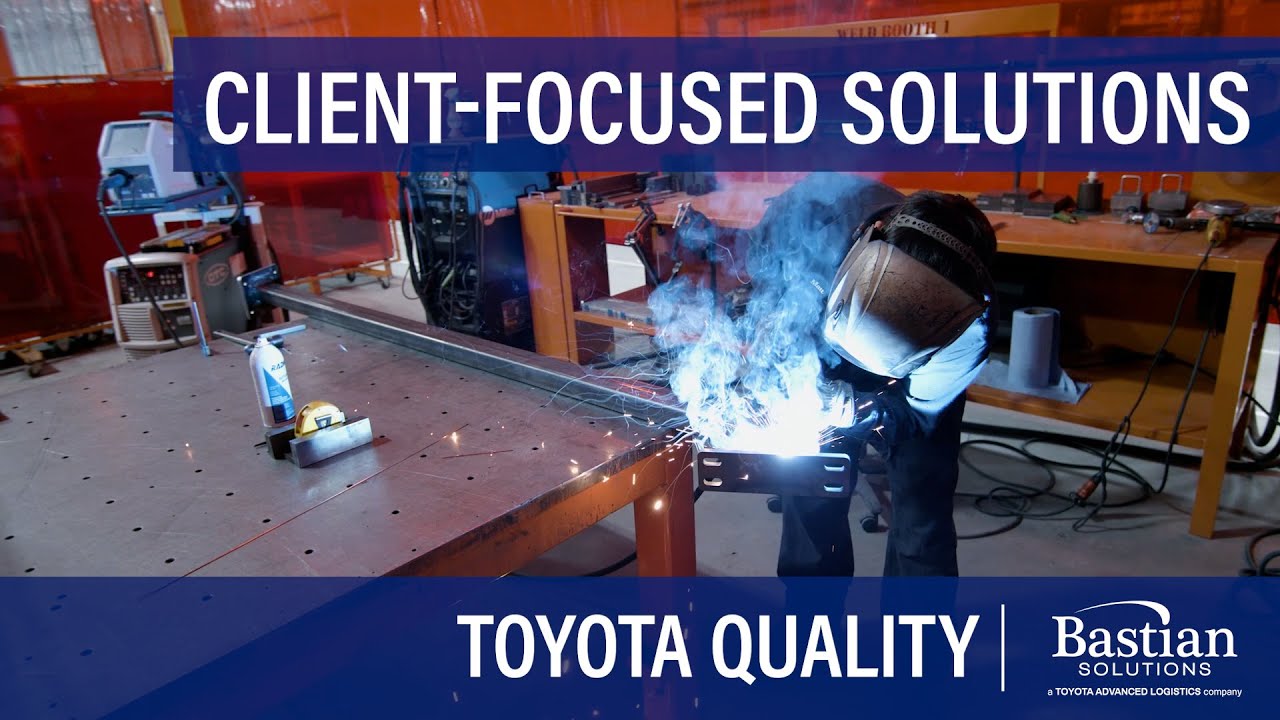
Bastian Solutions Corporate Profile: Toyota Advanced Logistics
Bastian Solutions
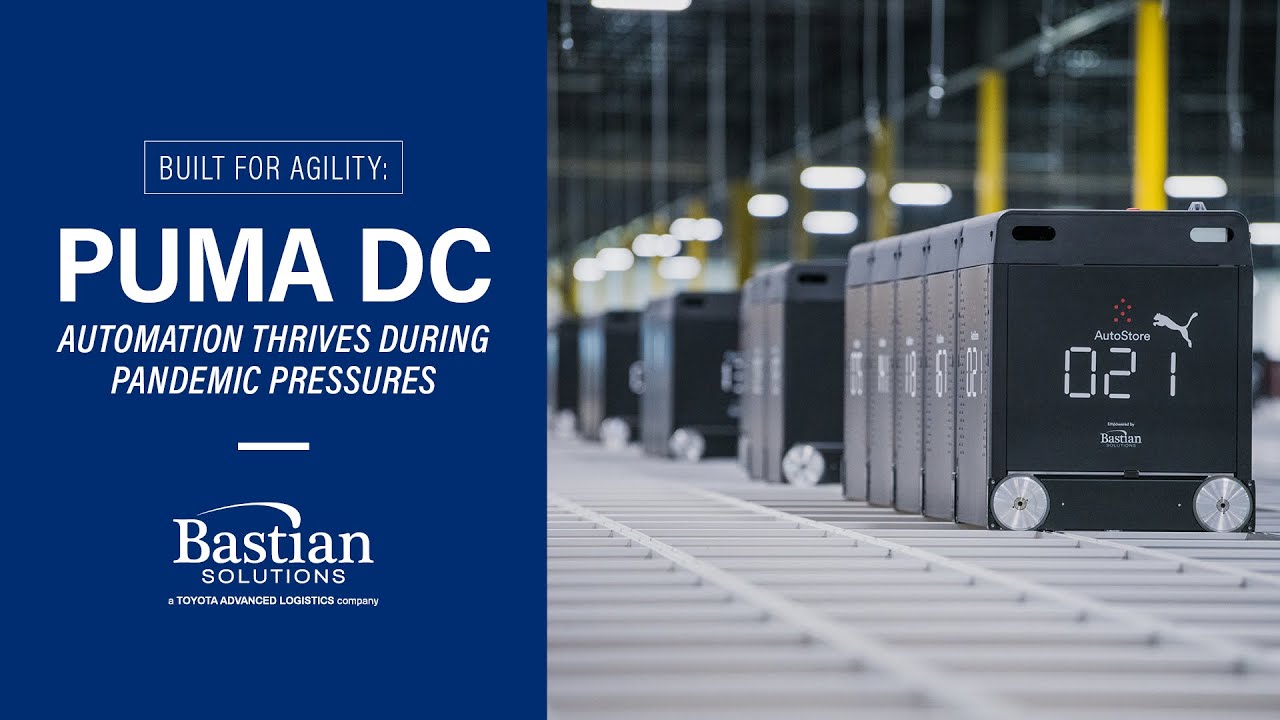
PUMA Indianapolis Pandemic-Resilient Distribution Center
Bastian Solutions
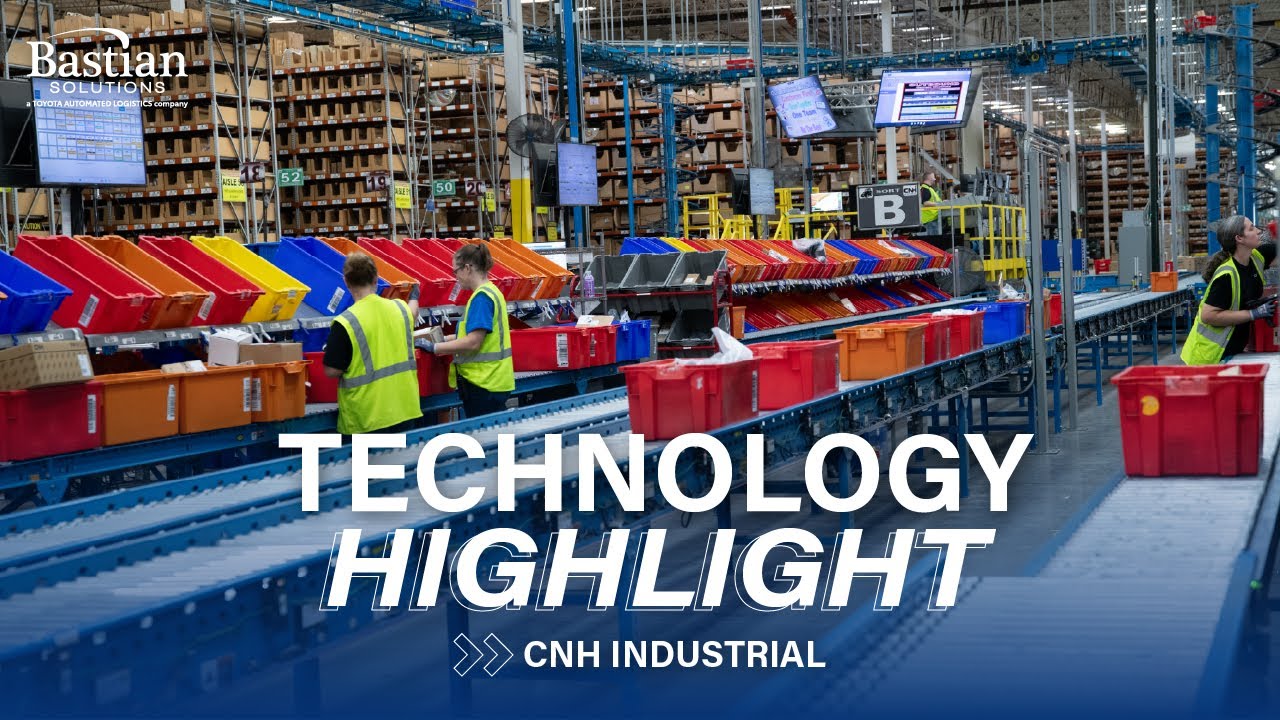
CNH Industrial Indianapolis Distribution Center
Bastian Solutions
Related Suppliers(3)

Exotec
Elegant Solutions to Simplify Logistic Operations

Symbotic
AI-Powered Warehouse Automation Systems

Boston Dynamics
Advanced robotics company developing mobile robots for industrial automation and logistics applications.