Modula Flexibox: Next-Generation Automated VLM Picking Solution
Quick Facts
Technology Performance Metrics
⭐Key Features
Benefits
Applications
Detailed Information
Technology Overview
The Modula Flexibox represents the evolution of Vertical Lift Module (VLM) technology, engineered specifically to meet the demanding speed and flexibility requirements of modern order fulfillment and kitting operations. It moves beyond traditional VLM storage to function as an integrated, high-throughput automated picking solution. At its core, it combines the space-saving vertical density of a VLM with an intelligent system for handling individual bins or trays. This system is designed to process a continuous stream of bins—up to 180 per hour—managing hundreds of order lines simultaneously. By delivering the exact bins needed to the operator in a pre-optimized sequence, it transforms the picking process into a highly efficient, ergonomic, and accurate operation. A key differentiator is its emphasis on scalability and accessibility, offering a solution that promises significant performance benefits without the massive upfront investment and prolonged installation times often associated with large-scale automation, making it suitable for a wide range of business sizes.
How It Works
Core Principles
The system operates on the principle of high-velocity, sequenced goods-to-person automation. It utilizes a Vertical Lift Module's vertical storage density and an integrated conveyor or shuttle mechanism to automatically retrieve and present individual storage bins to an operator in a precise, workflow-optimized order, based on real-time picking instructions.
Key Features & Capabilities
High-Throughput Bin Processing (up to 180 bins/hour) is the standout performance feature. This rate signifies a system designed for active picking environments rather than just storage, enabling it to support a high volume of order lines and fast-paced operations.
Intelligent Sequencing and Order Consolidation software is a critical capability. The system doesn't just retrieve bins; it sequences them intelligently to batch picks from multiple orders, minimizing operator wait time and maximizing the number of lines completed per hour.
Scalable and Disruption-Free Expansion is a core design philosophy. The system is built to allow additional modules or capacity to be added as business grows, purportedly without requiring significant downtime or a complete system overhaul, which protects the initial investment.
Advantages & Benefits
The primary advantage is a significant increase in picking speed, accuracy, and productivity. By automating retrieval and presenting items in an optimal sequence, it drastically reduces picker travel and search time, leading to higher picks per hour and near-perfect accuracy.
It delivers exceptional space efficiency and density. As a VLM-based system, it stores inventory in a minimal footprint, freeing up valuable floor space for other operations or allowing a business to operate within a smaller, more cost-effective facility.
The system offers a lower barrier to entry and reduced risk compared to large custom automation projects. The promise of no massive upfront investment and quick installation makes advanced goods-to-person automation accessible to smaller businesses and provides a scalable path for growing companies.
Implementation Considerations
While throughput is high, it is ultimately a single-workstation or zone solution. For facilities with extremely high order volumes, multiple Flexibox units or integration with a broader material handling system may be necessary to meet total demand.
Successful operation depends on effective bin and slotting management. The efficiency gains rely on well-organized bins and smart software that optimally assigns items to storage locations based on size, weight, and picking frequency.
The claim of no long installation times and easy expansion should be validated for specific site conditions. While modular, any automation installation requires careful planning regarding power, data, and facility layout.
Use Cases & Applications
Ideal For
This system is ideal for e-commerce fulfillment centers, third-party logistics (3PL) providers, manufacturing kitting and assembly support, and wholesale distributors that have a high volume of small-item picks and need to improve speed and accuracy without a monumental capital project.
Performance Metrics
The key performance metric specified is a throughput of up to 180 bins processed per hour. The system is also described as capable of managing hundreds of order lines at once. The benefits of space-saving and scalability are key qualitative performance indicators.
Conclusion
The Modula Flexibox presents a compelling and pragmatic approach to automating small parts picking. It effectively packages the density of VLM storage with the speed of automated bin delivery into a scalable, accessible solution. For businesses seeking to overcome the limitations of manual picking carts or static shelving but wary of the complexity and cost of large-scale AS/RS or shuttle systems, Flexibox offers a attractive middle path. Its focus on high throughput, intelligent sequencing, and gradual scalability makes it a future-proof investment for growing operations. Companies considering this technology should carefully analyze their order profiles, SKU characteristics, and growth projections to ensure alignment. When implemented effectively, it can deliver transformative gains in picker productivity, order accuracy, and floor space utilization, establishing a efficient and adaptable core for modern fulfillment operations.
Related Projects

Balluff Inc. Sensor Solutions Automated Warehouse
Balluff Inc. achieved a 177% throughput increase with an AutoStore system implemented by Kardex, featuring an innovative cross-building design installed in just 6 months.
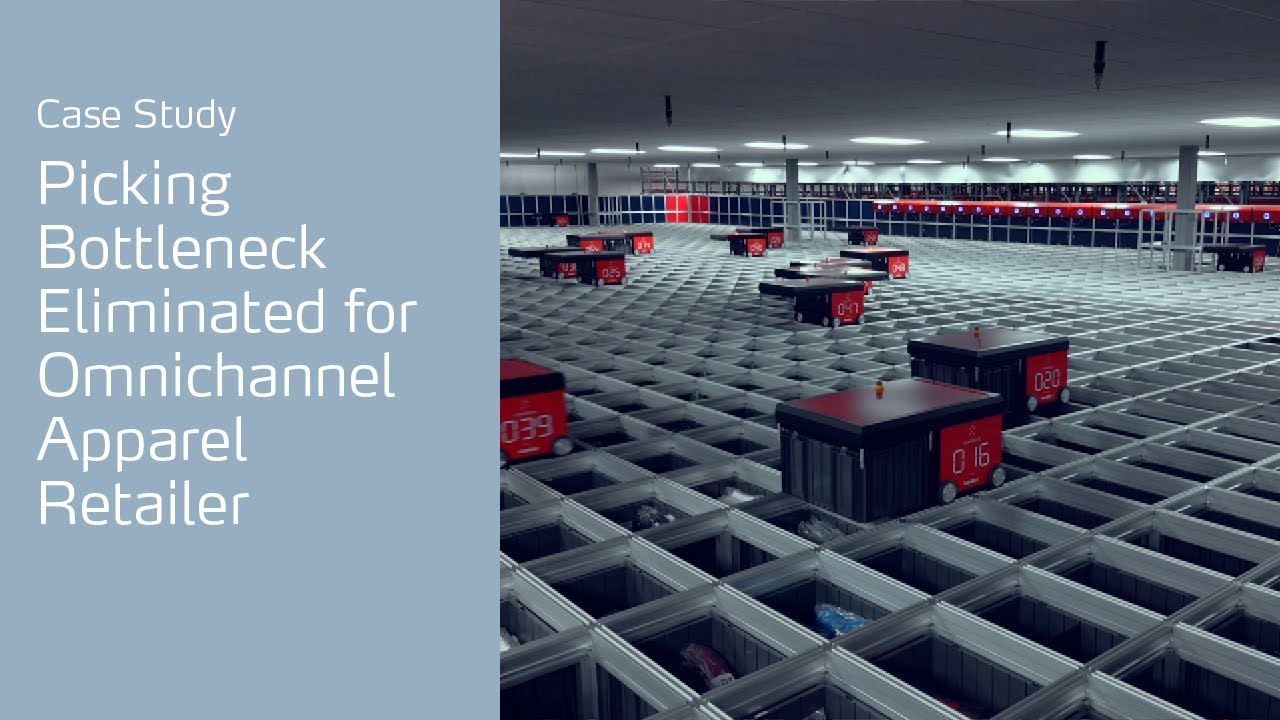
Cutter & Buck Seattle Apparel Fulfillment Center
Cutter & Buck deployed an AutoStore system with 34,000 bins and 54 robots, implemented by Kardex, to streamline apparel fulfillment, reduce storage footprint by 50%, and achieve order turnaround in under 10 minutes.
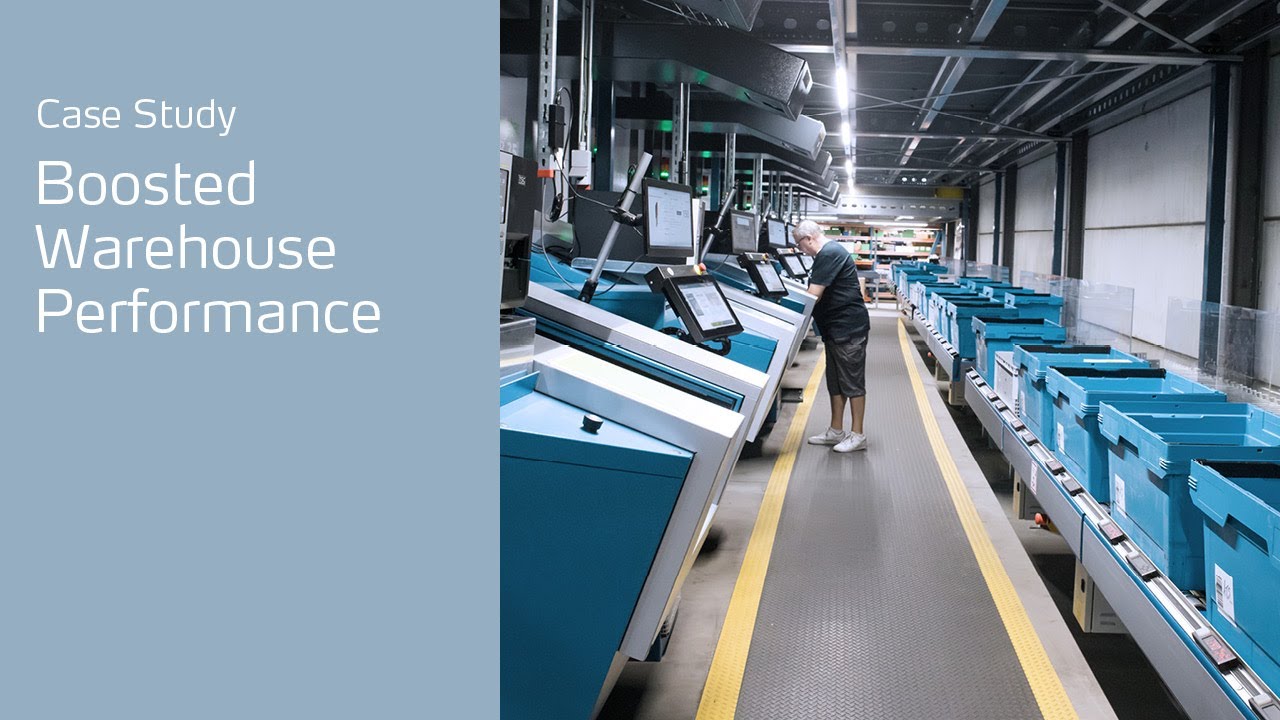
ATS Group - Merelbeke Belgium Electrical Components Automated Warehouse
ATS Group implemented Kardex's 8 Vertical Buffer Module system with automated inbound and conveyor integration, saving over 50% floor space while increasing throughput from 500 to 900 orders.
Related Knowledge
Robotic Case Picking
Advanced robotic case picking systems that combine industrial robotics with intelligent vision systems to automate the handling of full cases and cartons, delivering exceptional speed, precision, and reliability in high-volume distribution operations.
Robotic Piece Picking
Advanced robotic systems that use AI and computer vision to automatically select and pick individual items from diverse inventory, revolutionizing warehouse fulfillment operations with human-like dexterity and intelligence.
Voice Picking Systems
Voice picking systems revolutionize warehouse operations by enabling hands-free, eyes-free order fulfillment through speech recognition technology. Workers receive spoken instructions through wireless headsets and confirm actions verbally, dramatically improving productivity, accuracy, and safety while reducing training time.
Vendor
KardexRelated Technologies

Dark Warehouse: Fully Automated Warehouse Operations
Addverb
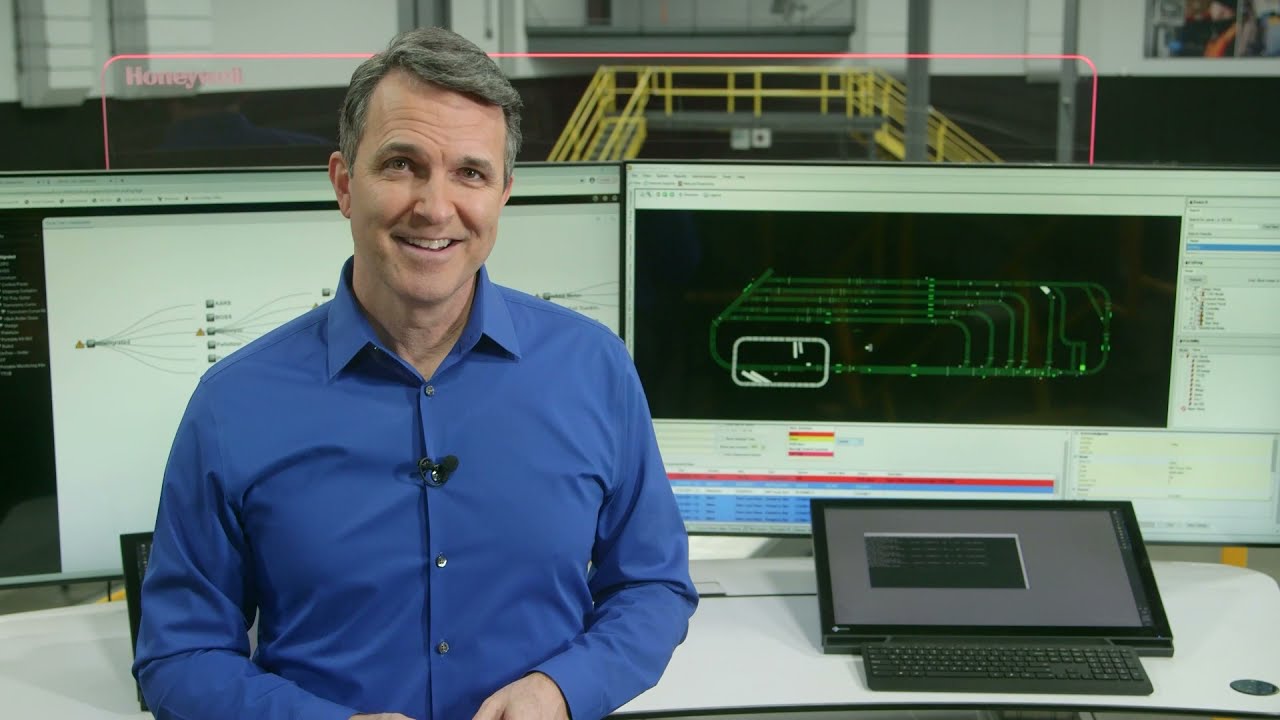
Momentum WES: Next-Generation Warehouse Execution and Control
Honeywell Intelligrated
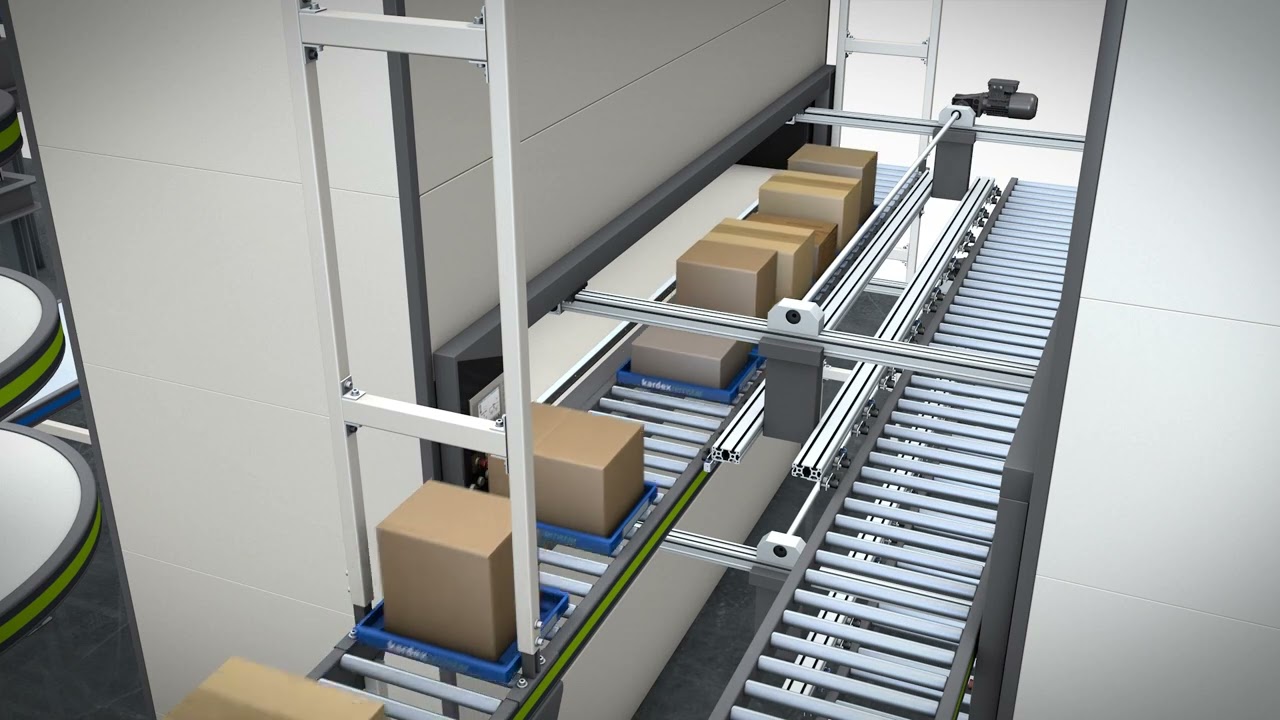
Smart Sequencing for Mixed Palletizing: Vertical Buffer Solutions
Kardex