Unit Load AS/RS
Unit load AS/RS uses automated cranes traveling in narrow aisles to store and retrieve full pallets in high-density racking, providing efficient automated storage for large quantities of palletized goods.
Unit Load AS/RS System Overview
Core Components
- •Stacker CraneAutomated S/R machine
- •Racking StructureHigh-density storage
- •Control SystemWCS/WMS integration
- •I/O StationsConveyor interfaces
Key Specifications
- •Height: 100+ feetVertical storage capacity
- •Aisle Width: 5-6 feetNarrow aisle design
- •Load: 1,000-2,500 lbsFull pallet capacity
- •Throughput: 30-40 cycles/hrPer crane performance
Applications
- •Distribution CentersHigh-volume operations
- •ManufacturingBuffer storage
- •Cold StorageTemperature-controlled
- •Hazmat StorageDangerous materials
Key Benefits
- •60-80% Space Savingsvs. traditional racking
- •50-70% Labor ReductionAutomated operations
- •99.9%+ AccuracyInventory precision
- •24/7 OperationContinuous availability
Investment
- •Small: $3-5M5,000 positions, 1 crane
- •Medium: $8-15M15,000 positions, 2-3 cranes
- •Large: $20-40M30,000+ positions, 4+ cranes
- •ROI: 3-7 yearsTypical payback period
Future Trends
- •AI & Machine LearningPredictive maintenance
- •Advanced Sensors3D vision, LiDAR
- •Energy EfficiencyRegenerative braking
- •AMR IntegrationHybrid systems
How Unit Load AS/RS Works
The system consists of storage racks on both sides of narrow aisles, with storage/retrieval (S/R) cranes traveling along floor-mounted rails in each aisle. The crane's horizontal carriage moves along the aisle at speeds of 300-600 feet per minute, while a vertical mast raises and lowers at 60-150 feet per minute to access storage locations. Telescoping forks or shuttle platforms extend from the mast to place pallets into storage locations or retrieve them, with load handling devices designed to accommodate standard pallet dimensions (typically 40x48 or 48x48 inches) and weights up to 3,000-5,000 pounds per pallet.
Rack structures are specifically engineered for AS/RS operation, with precise tolerances for pallet positioning and structural capacity for the concentrated loads. Storage locations are typically single-deep (one pallet per position) to maintain full selectivity, though double-deep configurations with specialized telescoping forks can increase density at the cost of some selectivity. The racks extend to heights of 40-100+ feet depending on building constraints and operational requirements, with seismic bracing and structural engineering ensuring safe operation in all conditions.
Control systems coordinate crane movements, manage inventory locations, and integrate with warehouse management systems. Warehouse control systems (WCS) optimize task sequencing to minimize crane travel time, often achieving 30-40 dual cycles (storage and retrieval) per hour per crane through intelligent batching and routing. Real-time inventory tracking maintains precise records of what's stored in each location, enabling accurate inventory management and rapid order fulfillment. Safety systems including laser scanners, light curtains, and emergency stops prevent personnel from entering aisles during crane operation.
Key Benefits
The primary advantage of unit load AS/RS is maximum storage density for palletized goods, achieving 80-90% space utilization compared to 40-50% for selective racking with forklifts. The narrow aisles (5-6 feet vs. 10-12 feet for forklifts) and extreme heights (up to 100+ feet vs. 30-40 feet for forklifts) enable facilities to store 2-3 times more pallets in the same building footprint. This density improvement often eliminates the need for facility expansion or enables operations to consolidate multiple warehouses, delivering significant real estate cost savings particularly in expensive markets or temperature-controlled environments.
Labor cost reduction of 50-70% in storage and retrieval operations results from the automated crane operation that replaces multiple forklift operators. The 24/7 operational capability without breaks, shift changes, or fatigue enables continuous material flow that maximizes facility utilization. Consistent cycle times of 1-3 minutes per pallet provide predictable performance for planning and scheduling, eliminating variability from operator skill or experience. The reduced labor dependency also addresses workforce challenges in markets with labor shortages or high turnover.
Improved safety comes from eliminating forklift traffic and manual pallet handling in storage areas. The automated operation removes personnel from high-risk activities including operating at height, maneuvering in narrow aisles, and handling heavy loads. Restricted access to crane aisles through safety gates and interlocks prevents accidents, while the controlled environment reduces product damage from forklift impacts or improper handling. Facilities typically experience 80-90% reductions in storage-related accidents after implementing AS/RS.
Inventory accuracy improves to 99.9%+ through automated tracking and controlled access. Every pallet movement is recorded by the control system, eliminating manual data entry errors or lost inventory from misplaced pallets. The precise positioning ensures pallets are always stored in assigned locations, while cycle counting can be performed automatically by the system without disrupting operations. The improved accuracy reduces inventory carrying costs, prevents stockouts, and improves customer service.
Common Applications
High-volume distribution centers use unit load AS/RS for storing reserve inventory that feeds forward picking areas. The high-density storage maximizes capacity for slow-moving SKUs, while the automated retrieval delivers pallets to picking areas on demand. Replenishment operations run continuously, ensuring forward pick locations remain stocked without manual coordination. The system handles 10,000-50,000+ pallet positions, supporting large-scale distribution operations for retail, e-commerce, or wholesale.
Manufacturing facilities leverage AS/RS for raw materials storage and finished goods warehousing. The just-in-time delivery of materials to production lines reduces work-in-process inventory while ensuring continuous production. Finished goods storage in AS/RS maximizes capacity in constrained facilities, with automated retrieval supporting efficient order fulfillment. The FIFO or LIFO rotation can be enforced automatically based on product requirements.
Cold storage and freezer warehouses achieve significant benefits from AS/RS through maximized density in expensive temperature-controlled space. The reduced building volume requiring cooling lowers both construction costs and ongoing energy expenses by 30-50%. The automated operation eliminates the need for personnel to work in harsh sub-zero environments, improving safety and productivity. The lights-out operation in unmanned aisles further reduces energy consumption and maintenance requirements.
Third-party logistics (3PL) providers use AS/RS to maximize storage capacity for multiple clients in shared facilities. The high density enables more clients to be served from a single location, while the precise inventory tracking maintains separation between client inventories. The scalable capacity allows 3PLs to accommodate client growth without facility expansion, improving asset utilization and profitability.
Implementation Considerations
Successful AS/RS implementation requires thorough building assessment to verify structural capacity for the loads imposed by high-bay racking and crane systems. The floor slab must support concentrated loads at rack columns and crane rails, typically requiring 5,000-8,000 PSF capacity. Seismic requirements in earthquake-prone regions necessitate specialized engineering and bracing. Ceiling height of 40-100+ feet is needed to justify AS/RS investment, as the density benefits increase with height.
Capital investment of $3-8 million per aisle (including racking, crane, controls, and installation) represents a significant commitment requiring careful financial analysis. Payback periods typically range from 5-10 years through labor savings, space efficiency, and operational improvements. The total cost of ownership including maintenance, energy, and spare parts must be evaluated against alternatives. Financing options and tax incentives for automation may improve project economics.
Throughput analysis must verify that the system can handle peak demand periods. Each crane typically achieves 30-40 dual cycles per hour, so facilities requiring higher throughput need multiple aisles or supplementary systems. Simulation modeling helps validate that the design will meet operational requirements before installation. Scalability planning should consider future growth, with provisions for adding aisles or extending existing aisles as needs evolve.
Integration requirements include connections to conveyor systems, warehouse management systems, and facility infrastructure. Inbound and outbound conveyors must interface precisely with crane pickup and delivery points. WMS integration enables automated task generation and inventory tracking. Electrical infrastructure must provide adequate power for cranes, controls, and safety systems. Fire suppression systems must be designed for high-bay storage with appropriate sprinkler coverage and detection.
Best Practices
Pallet quality standards are critical for reliable AS/RS operation. Standardized pallets with consistent dimensions and good structural condition prevent jams and equipment damage. Incoming inspection should reject damaged pallets before they enter the system. Load stability requirements including proper stretch wrapping ensure products don't shift during handling. Many operations invest in dedicated AS/RS pallets (plastic or high-quality wood) to ensure reliability.
Preventive maintenance programs keep systems running reliably. Daily inspections check for unusual noises, proper operation, and safety system function. Weekly maintenance includes lubrication of moving parts, checking rail alignment, and verifying positioning accuracy. Monthly professional maintenance provides comprehensive assessments of mechanical, electrical, and control systems. Well-maintained AS/RS systems operate reliably for 20-30 years with proper care.
Inventory management strategies should optimize AS/RS utilization. ABC analysis places high-velocity items in the most accessible locations (lower heights, near I/O points) to minimize cycle times. Interleaving storage and retrieval tasks maximizes crane productivity by combining inbound and outbound moves. Load balancing across aisles prevents bottlenecks and ensures even wear on equipment.
Redundancy planning addresses the risk of crane failures disrupting operations. Spare parts inventory including critical components enables rapid repairs. Maintenance cranes or manual access provisions allow product retrieval during crane downtime. Multiple aisles provide redundancy, as other cranes can continue operating if one fails. Service contracts with equipment suppliers ensure rapid response to issues.
Measuring Success
Key performance indicators include system uptime (target 98%+), throughput (cycles per hour per crane), inventory accuracy (target 99.9%+), and space utilization (pallets stored per square foot). ROI typically materializes over 5-10 years through labor savings, space efficiency, and operational improvements. Operational metrics including order cycle time, labor productivity, and safety performance validate the investment.
By implementing unit load AS/RS with careful attention to building requirements, throughput analysis, and operational integration, facilities can achieve maximum storage density and automated material handling that dramatically reduces labor costs while improving safety and inventory accuracy.
Related Technologies (6)
Piolax Canton Georgia Automotive Parts Distribution Center
byDaifuku
Meyer Corporation USA Cookware Distribution Center
byDaifuku
Intralogistics Innovation Center: Integrated Solutions Showcase
byDaifuku
Mid-Load Automated Storage & Retrieval System (AS/RS)
by Conveyco
Dark Warehouse: Fully Automated Warehouse Operations
byAddverb
Momentum WES: Next-Generation Warehouse Execution and Control
byHoneywell Intelligrated
Related Storage Topics
AutoStore (Cubic Storage)
AutoStore uses robots traveling on top of a cubic grid of stacked bins to retrieve containers from below, providing ultra-high-density automated storage with flexible scalability and minimal footprint.
Carousel Systems
Carousel systems use rotating shelves or bins that automatically deliver items to stationary operators, improving picking productivity and space utilization through goods-to-person automation.
Mini Load AS/RS
Mini load AS/RS uses automated cranes to store and retrieve totes, trays, or cartons in high-density racking, providing efficient automated storage for small parts and individual items in order fulfillment operations.
Shuttle Systems
Shuttle systems use autonomous vehicles traveling on rails within racking structures to store and retrieve totes or cartons, providing flexible high-density automated storage with scalable throughput.
Vertical Lift Modules (VLM)
Vertical lift modules use automated extractors to retrieve trays from vertically stacked storage positions, delivering items to ergonomic access openings for picking while maximizing vertical space utilization.
About This Topic
Related Projects(6)
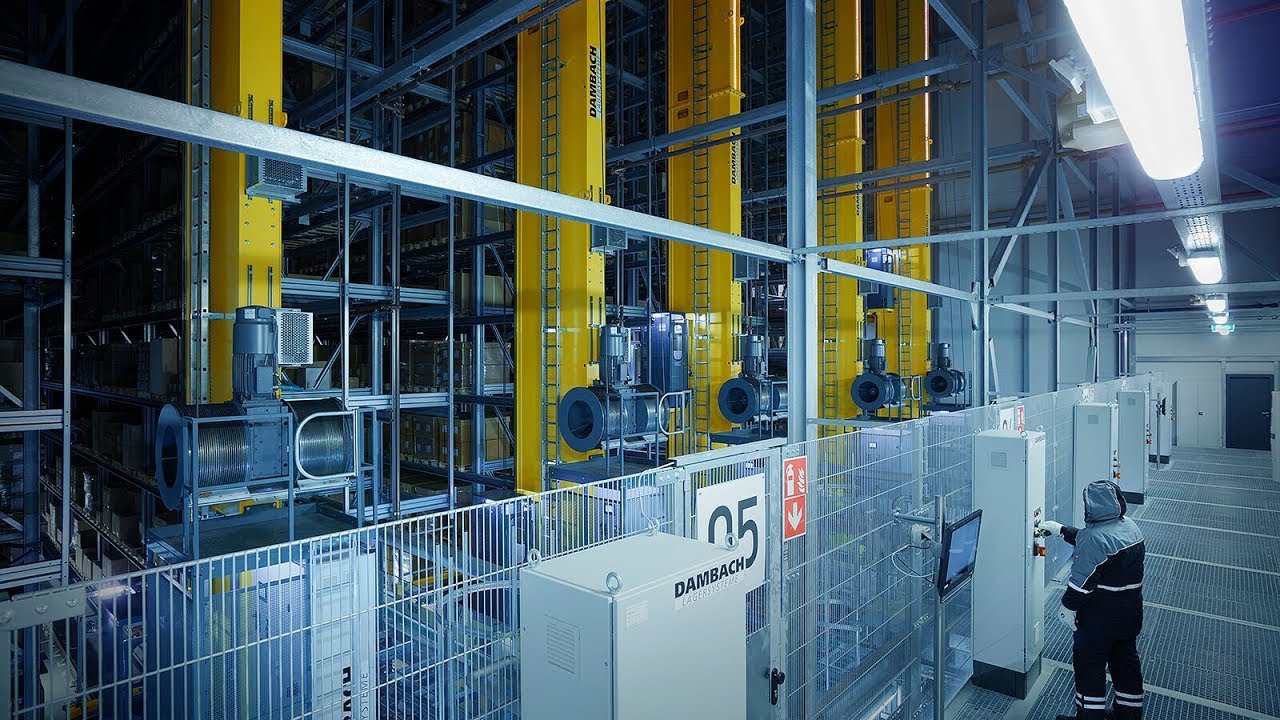
LIEKEN High Bay Cold Store for Baked Goods
DAMBACH
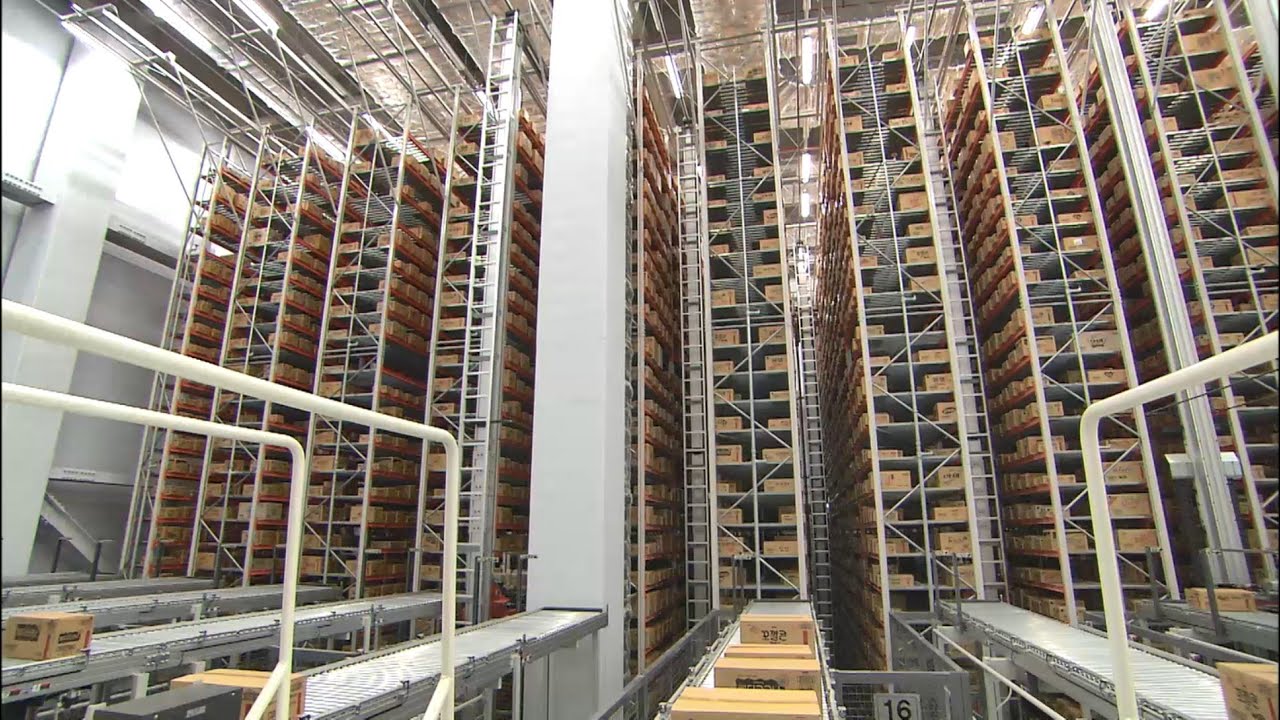
Lotte Korea Confectionery Centralized Distribution Center
Daifuku
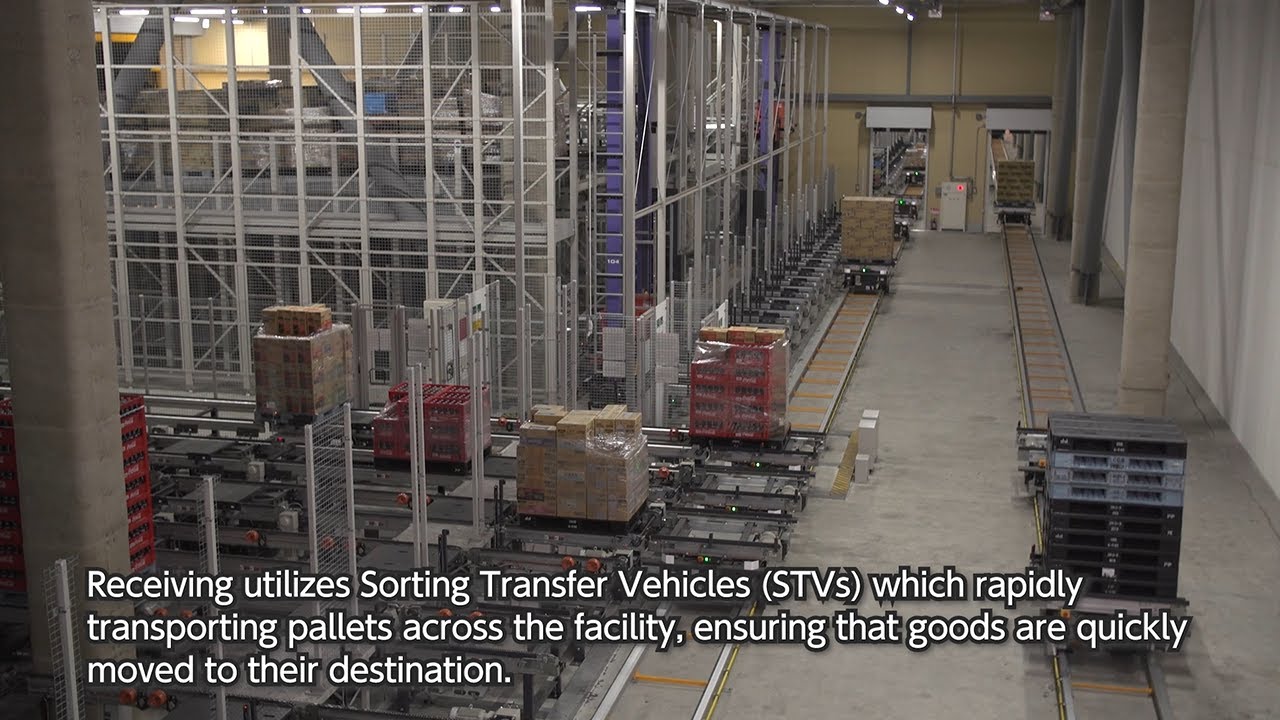
Coca-Cola Bottlers Japan Akashi Mega Distribution Center
Daifuku
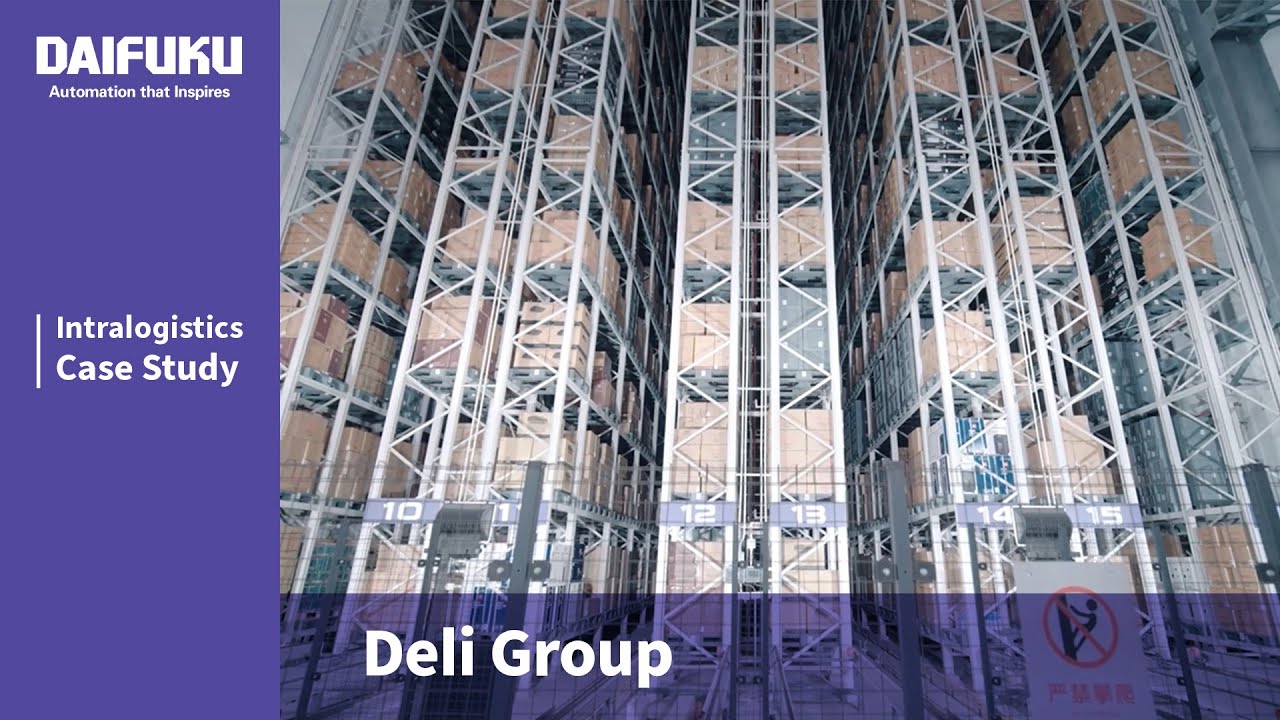
Deli Group Ninghai Intelligent Logistics Center
Daifuku
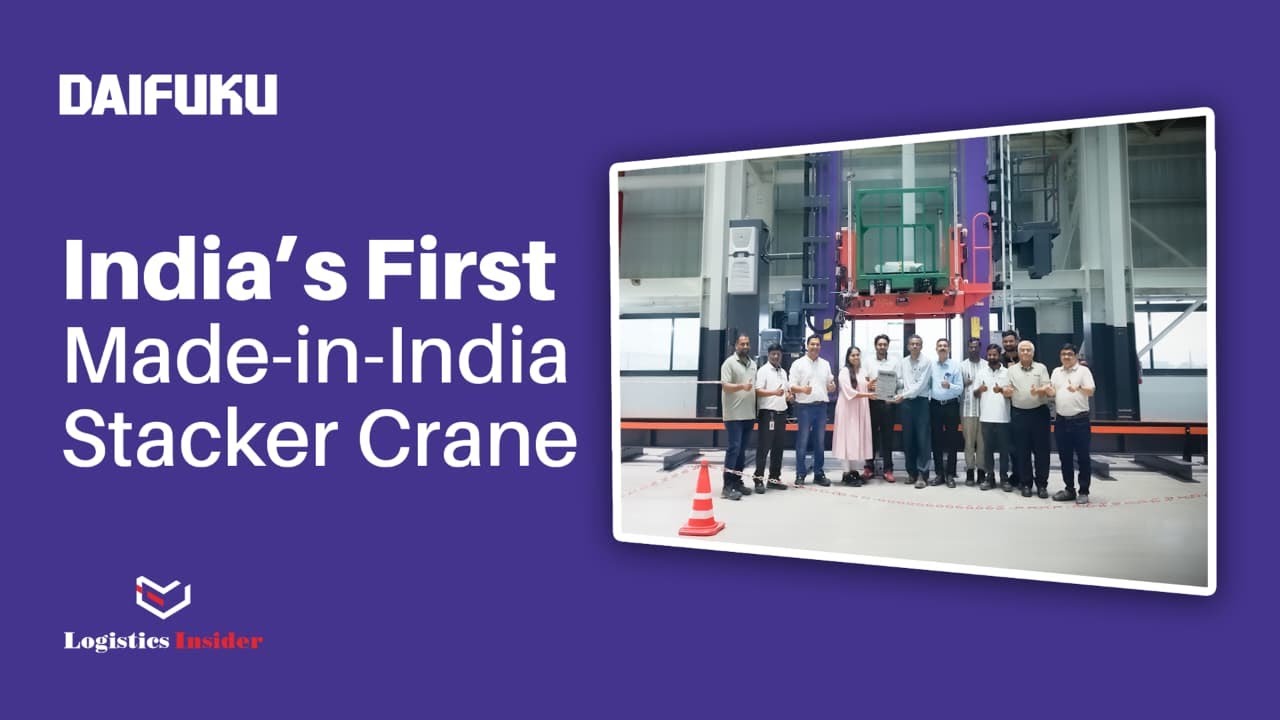
Daifuku Intralogistics India Hyderabad Manufacturing Facility
Daifuku
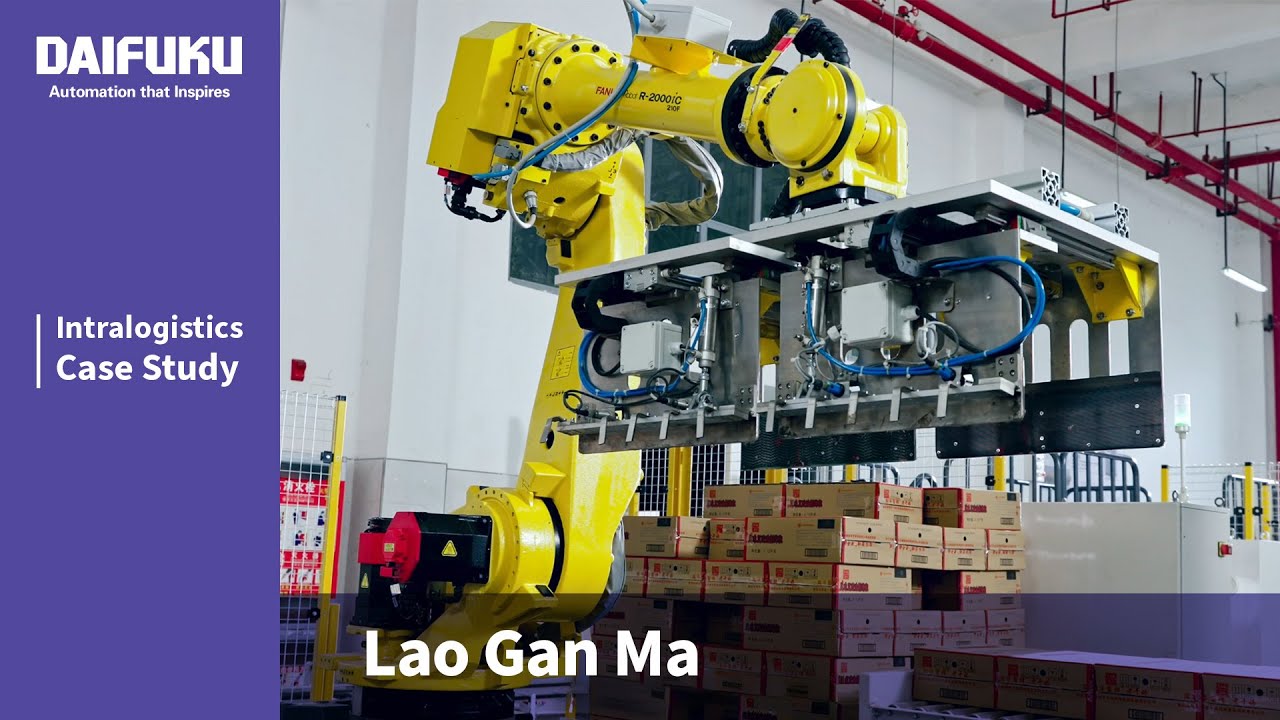
Lao Gan Ma Guiyang Guizhou Production Warehouse
Daifuku
Related Suppliers(3)

Exotec
Elegant Solutions to Simplify Logistic Operations

Symbotic
AI-Powered Warehouse Automation Systems

Boston Dynamics
Advanced robotics company developing mobile robots for industrial automation and logistics applications.