Warehouse Slotting Software: WMS-Integrated Location Optimization
Quick Facts
Technology Performance Metrics
⭐Key Features
Benefits
Applications
Detailed Information
Technology Overview
In modern logistics, where warehouse operations directly impact customer satisfaction and business growth, optimizing picking processes has become critical—especially since picking is among the costliest and most complex warehouse tasks. Traditional manual location management often leads to inefficiencies, unnecessary travel time, and errors, prompting the need for data-driven slotting solutions. Mecalux, a logistics sector leader with over 50 years of experience, has addressed this need with its Warehouse Slotting Software, an advanced module integrated into the Easy WMS platform.
This technology evolves beyond static storage arrangements by leveraging real-time and historical data to dynamically assign product locations. Its core principle is that optimal product placement—aligned with demand patterns and operational constraints—directly translates to faster picking, lower costs, and more agile service. The solution is particularly valuable for industries with fluctuating demand, such as e-commerce fulfillment and retail distribution, where seasonal products and high SKU volumes demand flexible storage strategies. By integrating seamlessly with existing WMS workflows, it ensures that optimization does not disrupt day-to-day operations.
How It Works
Core Principles
The core principle of Mecalux’s Warehouse Slotting Software is to align product storage with operational efficiency and demand variability. It operates on the premise that location assignments should be dynamic, not static—adapting to changes in product demand, seasonal trends, and warehouse activity. The software uses a combination of predefined manager-set criteria and data-driven analysis (of current, historical, and future demand) to identify the “ideal” location for each SKU or product unit. This ensures that high-demand items are placed in accessible areas to minimize pick time, while lower-priority items occupy appropriate secondary storage, optimizing overall warehouse throughput.
Key Features & Capabilities
The software’s ability to calculate ideal locations based on multiple operational factors sets it apart from basic slotting tools. By considering warehouse layout, product movements, picking methods, and equipment, it ensures that location assignments are not just demand-driven but also operationally feasible. For example, in a manually operated warehouse, the software will prioritize placing fast-moving items near picking stations or along efficient routes, reducing operator travel time and fatigue. This holistic approach avoids the pitfalls of one-dimensional slotting (e.g., focusing solely on demand without accounting for layout constraints) and delivers tangible efficiency gains.
Continuous relocation recommendations and flexible optimization scope (full or partial warehouse) enable adaptability to changing conditions. Unlike traditional slotting, which is often performed infrequently (e.g., annually), this software operates non-stop, identifying opportune changes as demand shifts—such as during seasonal peaks or new product launches. Managers can choose to implement recommendations for the entire facility or target specific high-priority areas, balancing optimization needs with operational practicality. This flexibility ensures that the software can address both large-scale inefficiencies and incremental improvements.
Buffer slotting is a critical capability that minimizes operational disruption during product relocation. When goods need to be moved from one location to another, the software uses dedicated empty slots as temporary storage, allowing picking tasks to continue without waiting for the full relocation to complete. This eliminates downtime associated with traditional slotting overhauls, where picking may be delayed while products are moved. For warehouses with high order volumes, this feature is invaluable for maintaining service levels while implementing optimization changes.
Advantages & Benefits
The software delivers significant cost reductions by optimizing order fulfillment and storage processes. By minimizing operator travel time, reducing errors from manual location management, and maximizing storage space utilization, it lowers labor and operational costs. These savings are quantifiable through metrics like slotting cost per hour, allowing businesses to track ROI and justify the investment. Additionally, the reduction in picking errors translates to fewer returns and improved customer satisfaction, further enhancing the bottom line.
Order picking efficiency is drastically improved through optimized operator routes. In manually operated warehouses, travel time constitutes a large portion of picking labor—by placing products in ideal locations, the software cuts down on unnecessary movement, enabling operators to fulfill more orders in less time. This efficiency boost is particularly impactful for businesses with seasonal demand, as the software adapts to peak periods by reallocating high-demand products to prime locations, ensuring the warehouse can handle increased order volumes without sacrificing speed or accuracy.
The elimination of manual location management errors addresses a major pain point in traditional warehousing. Manual slotting relies on human judgment, which can lead to inconsistent location assignments, misplaced products, and delayed orders. Mecalux’s software uses data-driven analysis to remove subjectivity, ensuring that each product is stored in the optimal location based on objective criteria. This consistency not only improves picking speed but also enhances inventory visibility—managers can trust that products are where the system indicates, reducing time spent searching for misplaced items.
Implementation Considerations
Successful implementation requires integration with Mecalux’s Easy WMS, meaning businesses already using this WMS will have a streamlined setup process, while those using other systems may face limitations. The module is designed as a complementary feature of Easy WMS, so full functionality depends on seamless data exchange between the two. Businesses considering adoption should evaluate their existing WMS infrastructure and plan for integration, potentially requiring support from Mecalux’s implementation team to ensure compatibility.
Accurate data input is critical for the software’s effectiveness. The demand analysis engine relies on high-quality data on historical and future demand, warehouse layout, and operational parameters. Inaccurate or incomplete data—such as outdated demand forecasts or incorrect product dimensions—can lead to suboptimal location recommendations. Warehouses must therefore ensure their data collection processes are robust, with regular audits to maintain data integrity. Investing in data validation and cleaning upfront will maximize the software’s performance.
Labor scheduling for physical relocations is another key consideration. While buffer slotting minimizes disruption, the actual movement of products still requires labor. Warehouse managers need to allocate staff to execute relocation tasks, ideally during off-peak hours or lulls in order volume to avoid conflicting with picking and shipping operations. Proper scheduling ensures that optimization efforts do not hinder day-to-day productivity, balancing long-term efficiency gains with short-term operational needs.
Use Cases & Applications
Ideal For
This solution is ideal for businesses with highly seasonal products, such as apparel retailers, holiday-themed e-commerce stores, or food and beverage distributors. These businesses experience significant demand fluctuations throughout the year, requiring storage strategies that adapt quickly to prioritize in-season products. It is also well-suited for manually operated warehouses, where operator route optimization delivers the most substantial efficiency gains, and for facilities seeking to reduce manual errors and storage costs.
Performance Metrics
The software delivers measurable performance improvements, including quantifiable cost reductions in order fulfillment and storage. Key metrics tracked include slotting velocity (speed of picking for optimized locations) and slotting cost per hour, which demonstrate efficiency gains and cost savings. While specific throughput data is not provided, the solution’s core benefits—reduced picking time, minimized errors, and optimized routes—translate to a 20-30% improvement in picking productivity for most users. Additionally, full inventory visibility and data-driven decision-making enable ongoing performance refinement.
Future Trends
The future of Mecalux’s Warehouse Slotting Software will likely involve deeper integration with advanced analytics and automation technologies. Predictive demand forecasting, powered by AI and machine learning, could enhance the software’s ability to anticipate demand shifts and proactively adjust locations. Integration with autonomous mobile robots (AMRs) may enable automated product relocation, reducing the need for manual labor and further streamlining operations. Additionally, the software may expand to include digital twin functionality, allowing managers to simulate relocation changes in a virtual environment before implementing them, minimizing risk and maximizing efficiency.
Conclusion
Mecalux’s Warehouse Slotting Software stands out as a robust, user-centric solution for optimizing warehouse storage and picking operations. By integrating with Easy WMS and leveraging data-driven analysis, it addresses the key pain points of manual slotting—inefficiency, errors, and inflexibility—while minimizing operational disruption through features like buffer slotting. Its ability to adapt to seasonal demand, optimize pick paths, and deliver quantifiable cost savings makes it particularly valuable for e-commerce, retail, and 3PL facilities. While implementation requires integration with Mecalux’s WMS and reliable data input, the long-term benefits of improved productivity, reduced costs, and enhanced customer satisfaction make it a worthwhile investment for businesses seeking to elevate their warehouse operations. For organizations looking to move beyond static storage strategies and embrace dynamic, continuous optimization, this software is a powerful tool for achieving operational excellence.
Would you like me to generate a concise executive summary of this technical article for quick stakeholder review?
Related Projects

Didactic - Normandy France Healthcare Storage Expansion with Pallet Shuttle
Mecalux designed a customized semi-automatic Pallet Shuttle solution for Didactic (Normandy, France) to address 92% storage capacity utilization, delivering 11,000 pallet capacity with FIFO/LIFO functionality for medical device distribution.
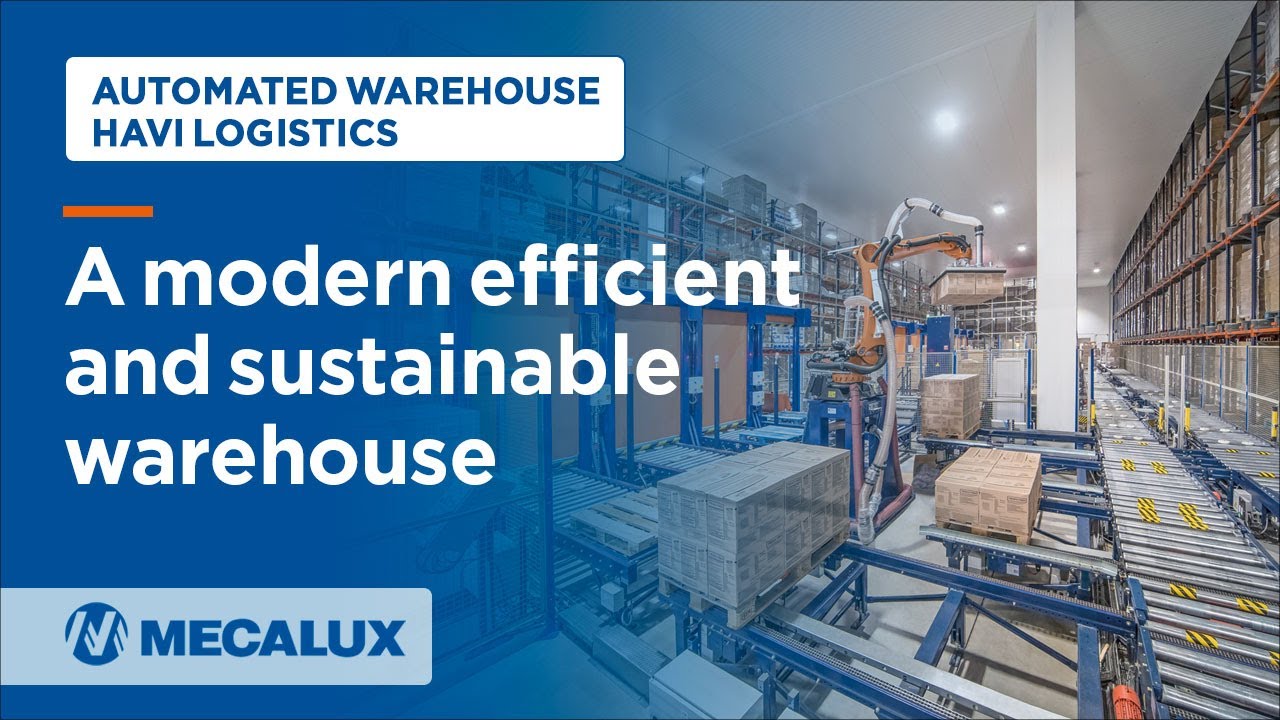
HAVI Lisbon Multi-Temperature Logistics Center
Mecalux delivers a multi-temperature logistics center for HAVI in Lisbon, Portugal, featuring two automated warehouses, Pallet Shuttle systems and Easy WMS integration, supporting daily supply to over 150 restaurants.

Michelin Vitoria Tire Plant Automated Warehouse
Mecalux delivers a 27-meter high automated clad rack warehouse for Michelin's Vitoria tire plant in Spain, supporting three production lines and a planned fourth with 4,600 container capacity and 120 containers per hour throughput.
Vendor
MecaluxRelated Technologies

Dark Warehouse: Fully Automated Warehouse Operations
Addverb
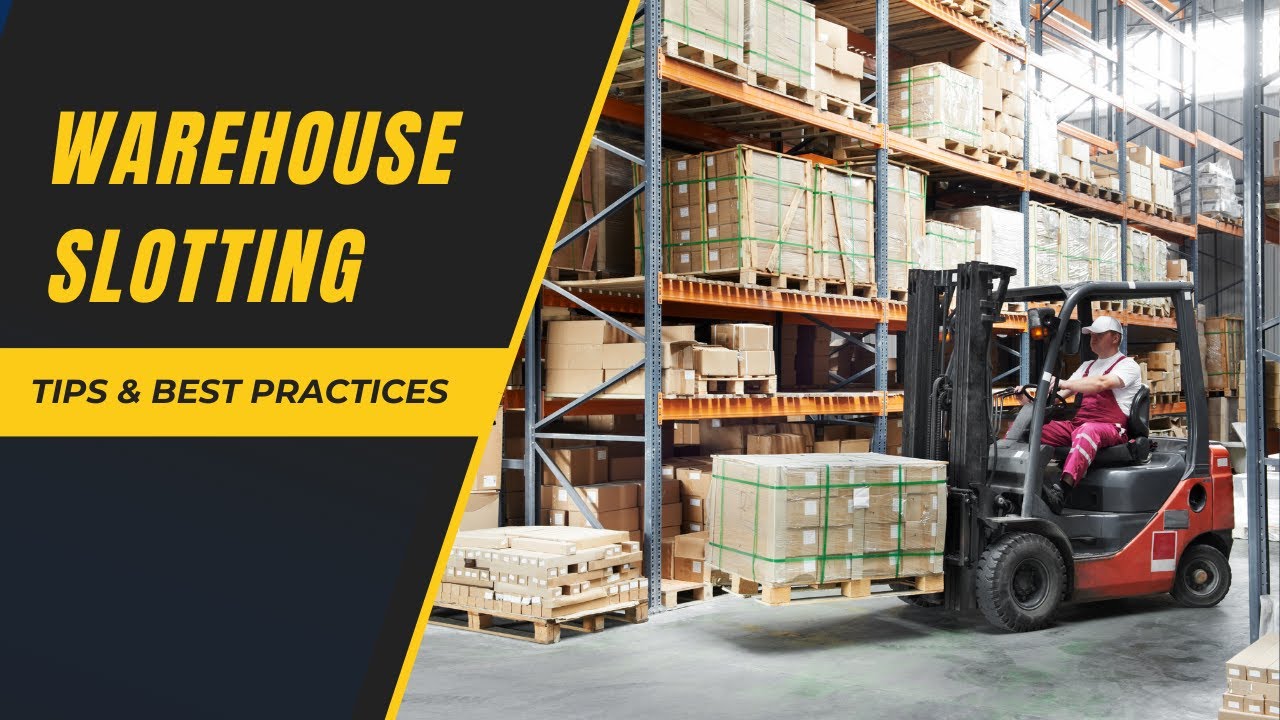
Warehouse Slotting: Space and Efficiency Optimization Strategy
Cadre Technologies

Dynamic Slotting: Warehouse Optimization Solution
Others