Autopicker: Multi-Purpose AI-Powered Picking AMR
Quick Facts
Technology Performance Metrics
⭐Key Features
Benefits
Applications
Detailed Information
Technology Overview
The Brightpick Autopicker represents a new generation of warehouse automation: a multi-purpose, AI-powered autonomous mobile robot (AMR) designed to replicate and extend human capabilities in material handling. It is a holistic system that combines mobility, dexterity, and intelligence to automate complex workflows, moving beyond single-task automation. At its core is "Physical AI," a suite of proprietary models that allow the robot to perceive its environment (via 3D vision and LiDAR), make decisions, and manipulate objects with precision. This enables it to perform a wide array of tasks—from picking individual items in aisles to transporting totes for goods-to-person operations—within a single fleet. The system is designed for practicality, working in existing warehouse environments with standard equipment and integrating into brownfield sites, making advanced automation accessible for retrofit projects.
How It Works
Core Principles
The system operates on the principle of multi-agent, AI-driven collaboration. A fleet of identical Autopicker AMRs is orchestrated by a central software platform ("Intuition"). Each robot is an independent agent capable of navigation, perception, and manipulation, working concurrently with others to fulfill a continuous stream of tasks (replenishment, picking, transport) generated by the warehouse management system.
Key Features & Capabilities
Multi-Purpose, Single Fleet Design is the foundational feature. Unlike dedicated picking or transport robots, the Autopicker can switch between tasks (picking, replenishment, transport, buffering) based on real-time system needs, maximizing robot utilization and simplifying fleet management.
Out-of-the-Box Picking with Physical AI eliminates the need for per-SKU training. The advanced 3D vision and AI models allow the robot to identify and grasp a vast array of items it has never seen before, handling diversity and change without reprogramming.
Resilient Operation in Imperfect Environments ensures broad applicability. The robots are engineered to navigate brownfield warehouses with uneven floors and non-uniform rack layouts, and they interface with standard shelving and existing infrastructure like conveyors, lowering the barrier to automation.
Advantages & Benefits
The system delivers unprecedented flexibility and scalability in automation. A single type of robot can be deployed to address multiple bottlenecks, and the fleet size can be scaled up or down incrementally to match seasonal demand or business growth.
It drives extremely high throughput and accuracy. The example of over 70,000 picks per day with minimal human intervention demonstrates the system's capacity to handle high-volume e-commerce fulfillment while maintaining precision through AI vision and controlled manipulation.
The technology future-proofs warehouse operations. Its ability to handle diverse products and adapt to multiple workflows means it can evolve with changing business needs, product lines, and order profiles, protecting the automation investment over the long term.
Implementation Considerations
A key prerequisite is the decanting process to transfer inventory into the standardized totes the robots handle. This upstream process must be efficient and integrated to feed the automated system.
Success hinges on the central orchestration software (Intuition). The complexity of managing a large fleet of multi-purpose robots in real-time requires a robust, intelligent software layer, making the choice and configuration of this software critical.
While designed for brownfields, facility readiness is still important. Considerations include floor condition (for reliable navigation), wireless network coverage, space for charging stations, and clear traffic pathways for AMRs and humans to coexist safely.
Use Cases & Applications
Ideal For
This system is ideal for mid-to-large-scale e-commerce retailers, third-party logistics (3PL) providers, and omnichannel fulfillment centers that have a high mix of SKUs, require fast and accurate piece-picking, and are looking for a scalable automation solution that can adapt to various workflows.
Performance Metrics
A specific performance example from the content is a facility processing over 70,000 picks per day using a fleet of 73 Brightpick Autopicker robots operating 24/7. This highlights the system's high-volume capability. The "out-of-the-box" picking and reliability in imperfect environments are key qualitative performance indicators.
Future Trends
This technology embodies the trend of converging AI, robotics, and real-time data (digital twin) to create flexible, cognitive automation. The move away from fixed automation and single-purpose robots towards multi-purpose, software-defined fleets managed by a central "brain" is a clear direction for the industry.
Conclusion
The Brightpick Autopicker system represents a significant leap towards the adaptable, efficient "warehouse of the future." By combining autonomous mobility, dexterous manipulation, and powerful AI in a single platform, it solves multiple warehouse challenges simultaneously. It is particularly compelling for businesses facing the complexities of e-commerce fulfillment—SKU proliferation, labor variability, and the need for speed and accuracy. While the implementation requires careful planning around upstream processes and software integration, the payoff is a highly flexible, scalable, and productive operation that can keep pace with evolving market demands. For companies ready to move beyond traditional automation, this AI-powered, multi-purpose robotic fleet offers a path to transformative efficiency.
Related Projects
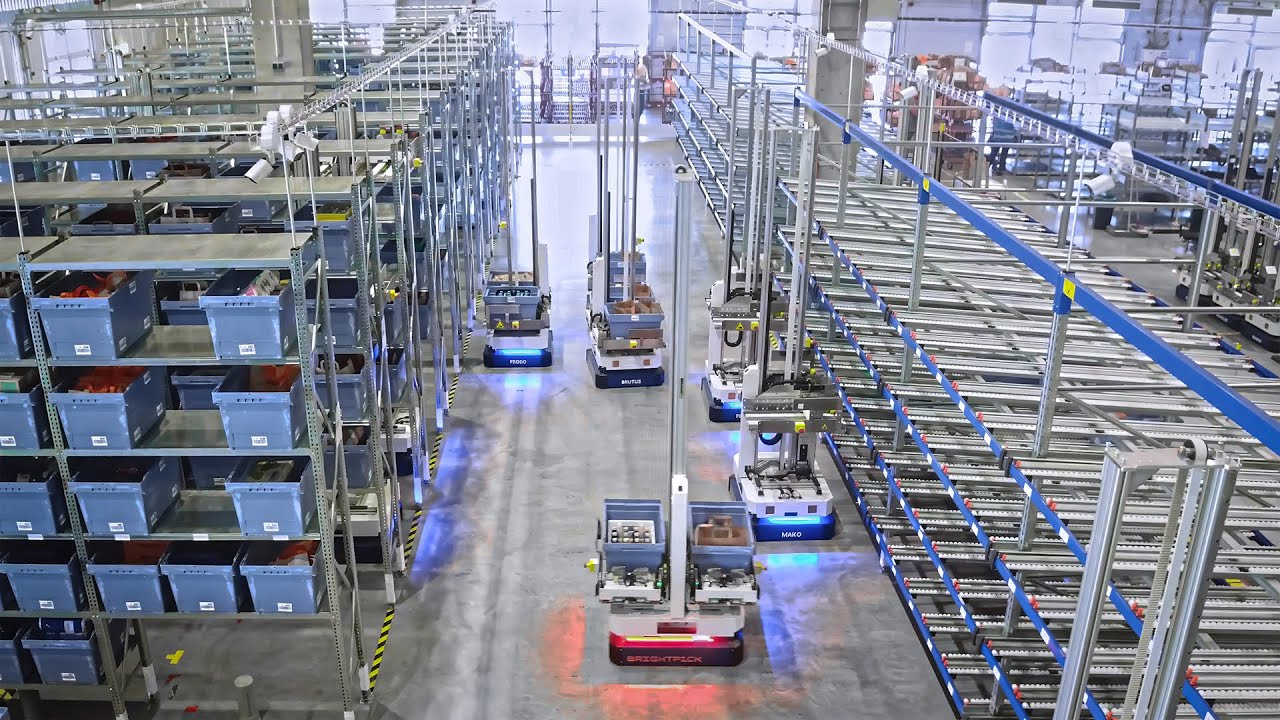
Knuspr Germany Micro Fulfillment Center
A leading German e-grocer automated post-pick order buffering, staging, consolidation, and dispatch using Brightpick Dispatcher robots in its micro-fulfillment center to drive down costs and enable 3-hour delivery.
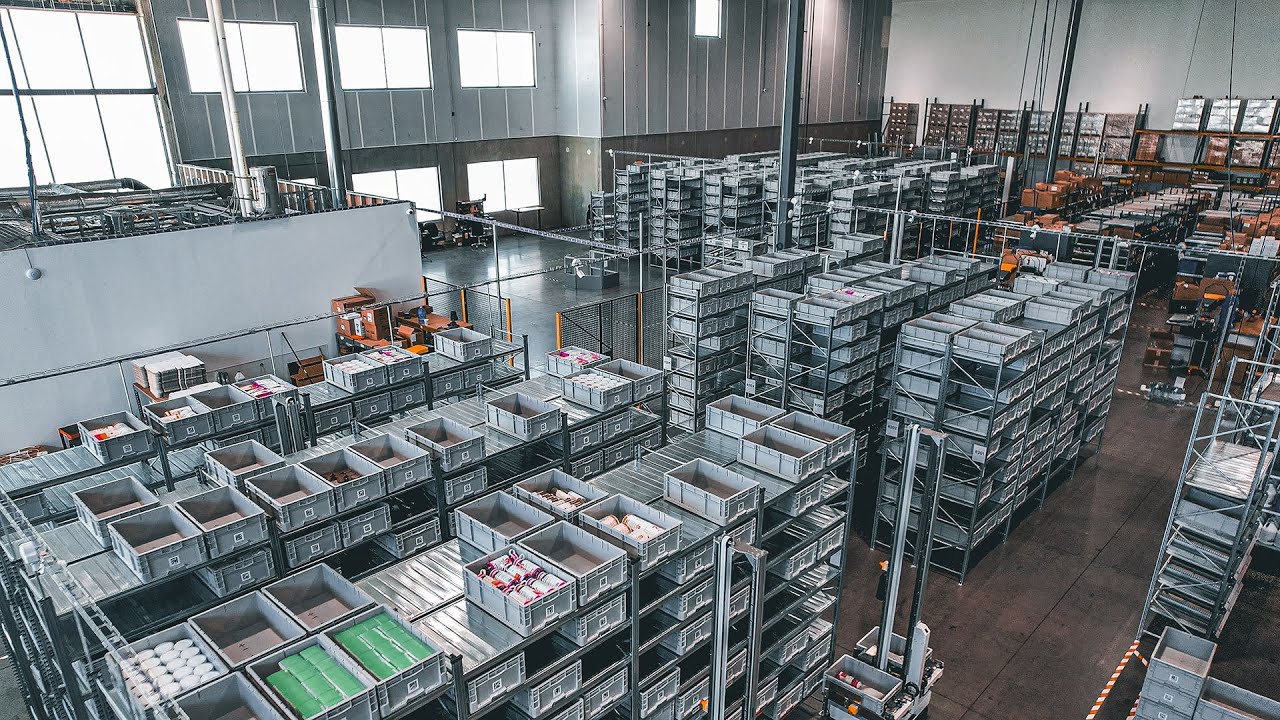
Netrush Kentucky E-commerce Fulfillment Warehouse
A US 3PL automated order picking and replenishment with Brightpick Retriever robots, a Goods-to-Person solution, to handle 20,000 daily orders with peaks 4-5x higher.
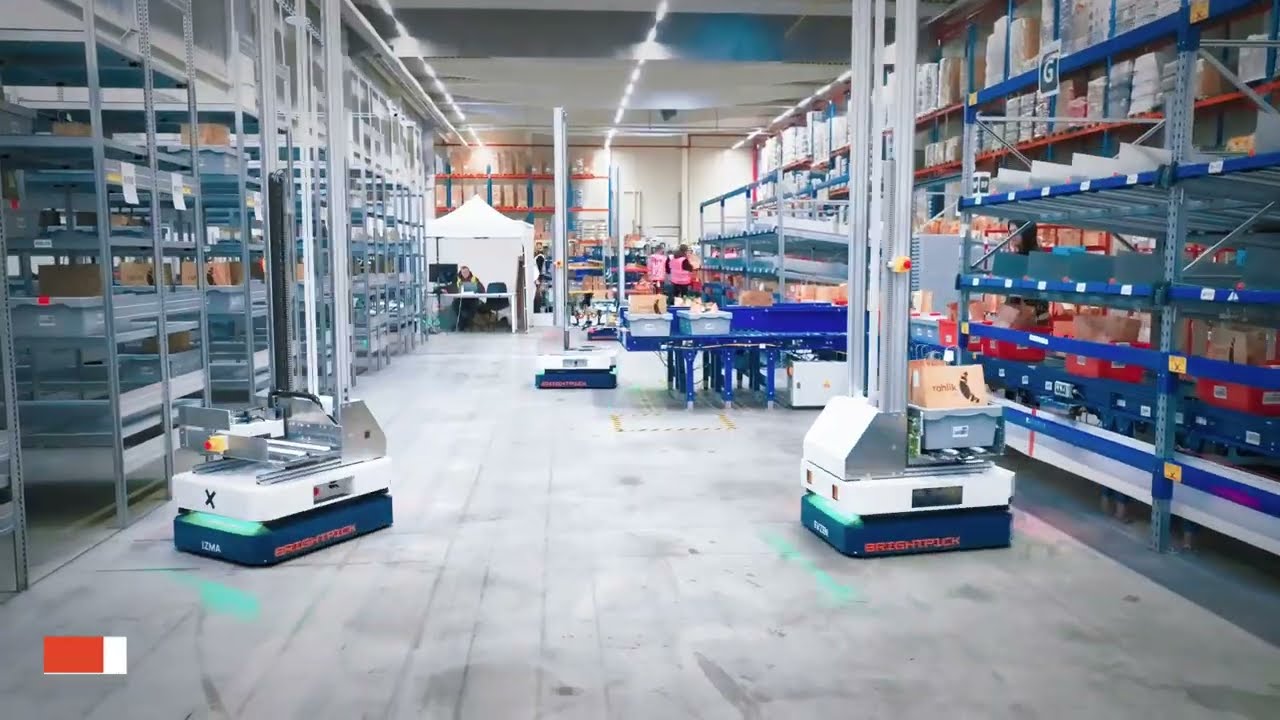
Rohlik.cz Prague Fulfillment Center
Rohlik Group automated its Prague e-grocery fulfillment center with Brightpick Dispatcher robots for intelligent order consolidation and dispatch, smoothing daily picking volumes.
Related Knowledge
Robotic Case Picking
Advanced robotic case picking systems that combine industrial robotics with intelligent vision systems to automate the handling of full cases and cartons, delivering exceptional speed, precision, and reliability in high-volume distribution operations.
Robotic Piece Picking
Advanced robotic systems that use AI and computer vision to automatically select and pick individual items from diverse inventory, revolutionizing warehouse fulfillment operations with human-like dexterity and intelligence.
Voice Picking Systems
Voice picking systems revolutionize warehouse operations by enabling hands-free, eyes-free order fulfillment through speech recognition technology. Workers receive spoken instructions through wireless headsets and confirm actions verbally, dramatically improving productivity, accuracy, and safety while reducing training time.
Vendor
BrightpickRelated Technologies
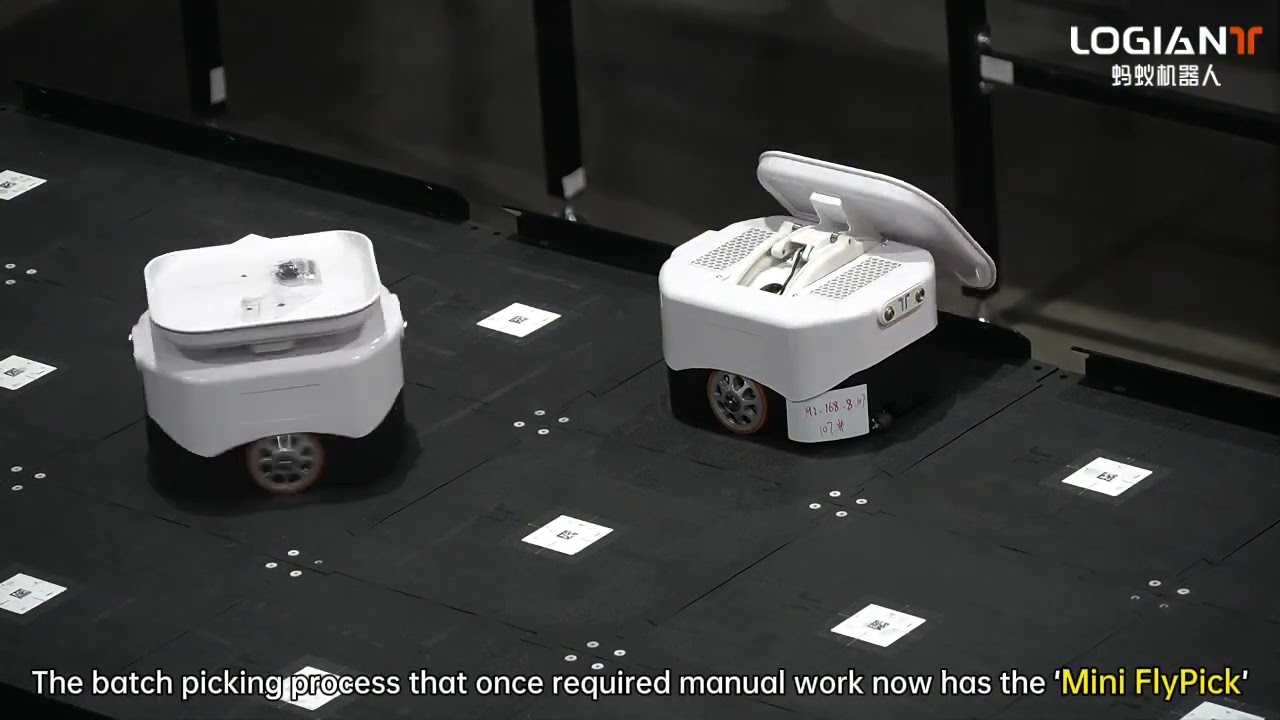
Mini FlyPick Robot: Compact High-Speed Sorting AMR
Others
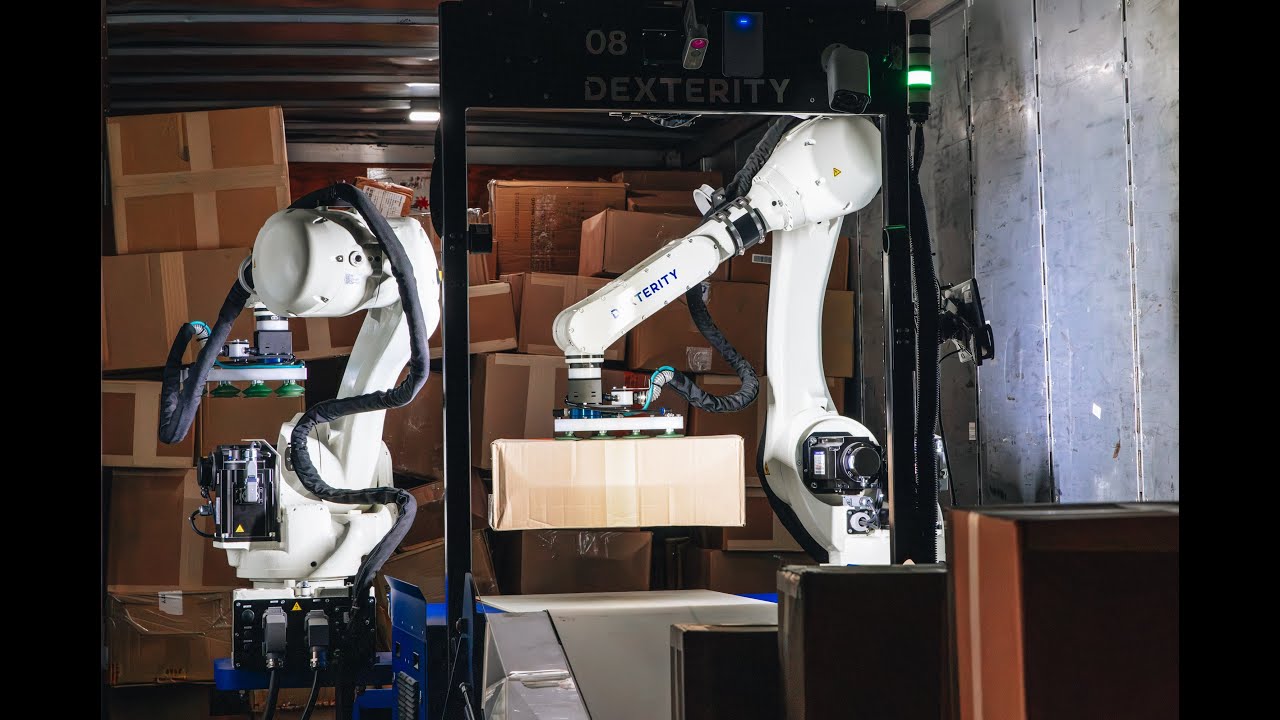
AI-Powered Robotic Truck Loading System
Others
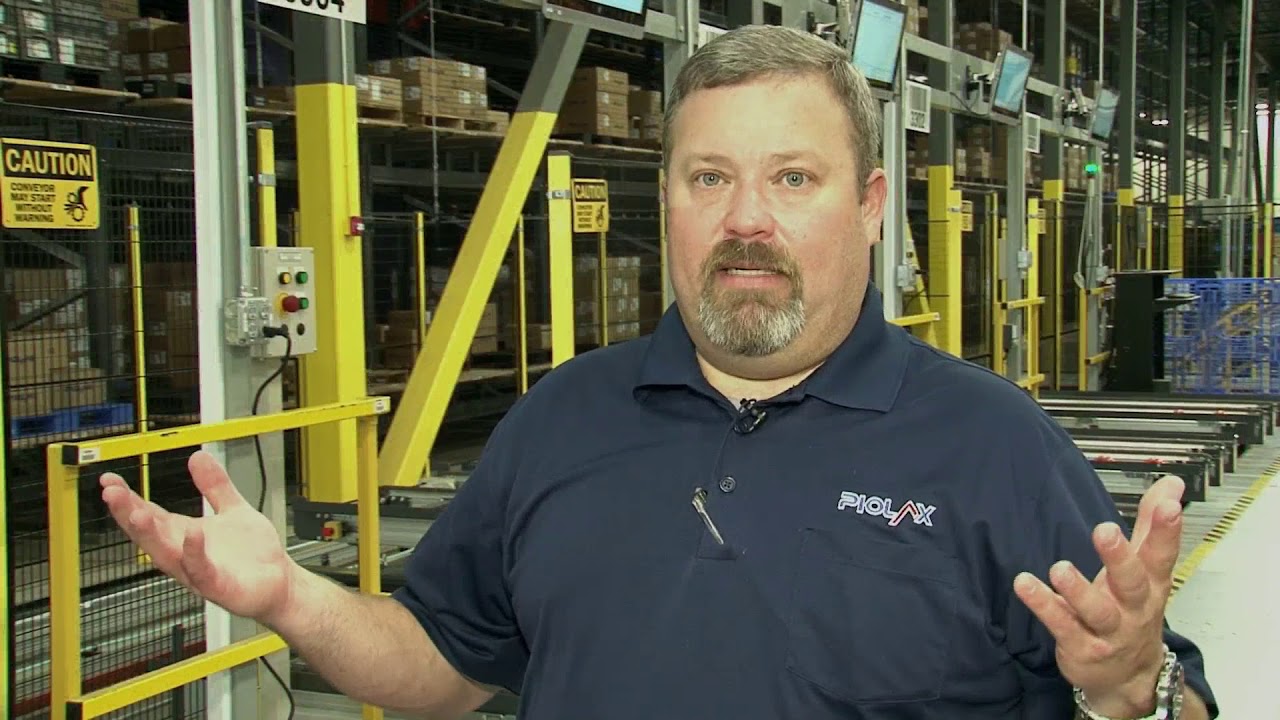
Piolax Canton Georgia Automotive Parts Distribution Center
Daifuku