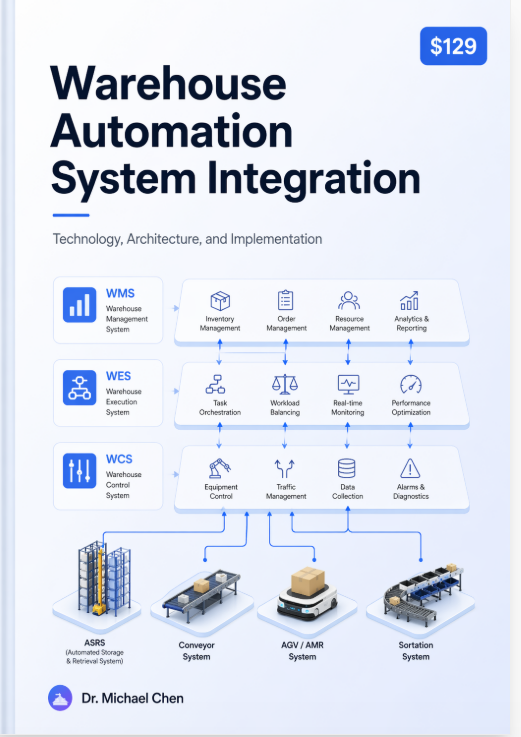
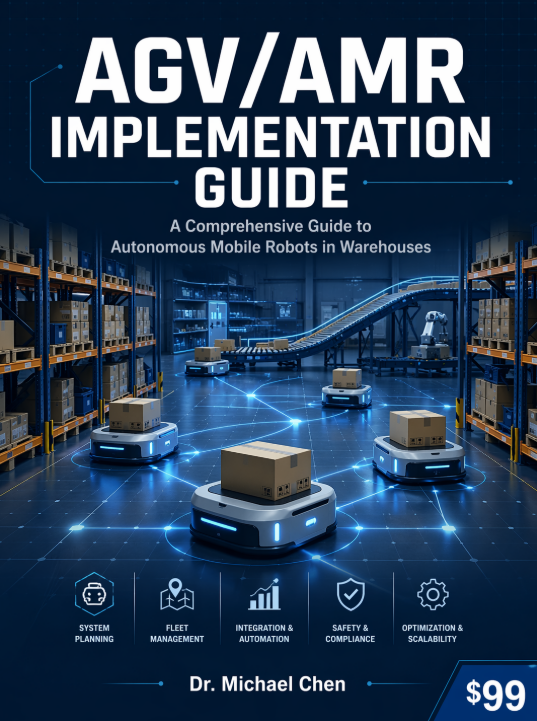
Automated Guided Vehicles (AGVs): Comprehensive Warehouse Automation
Quick Facts
Technology Performance Metrics
⭐Key Features
Benefits
Applications
Detailed Information
Technology Overview
In the face of unprecedented growth rates and the demand for 24/7 operation, intralogistics is pushing warehouse performance to its limits. Jungheinrich positions its Automated Guided Vehicles (AGVs) as the foundational solution to master these challenges and achieve "efficiency in motion." More than just transport vehicles, these AGVs are intelligent, software-controlled systems designed to be the heart of an automated warehouse. By automating tried-and-tested standard vehicle models, Jungheinrich provides tailored solutions that transform inefficient, ergonomically demanding manual processes—particularly person-to-goods picking—into streamlined, automated goods-to-person workflows. Supported by a global service network and a comprehensive portfolio, Jungheinrich AGVs aim to deliver the efficiency, reliability, and flexibility needed to remain competitive in complex modern logistics environments across all industries.
How It Works
Core Principles
The core principle is the automation of internal material transport and storage/retrieval using a fleet of laser-guided vehicles controlled by a central software brain. The system automates recurrent transport tasks, moving goods to people or between points autonomously and safely.
Key Features & Capabilities
Comprehensive and Specialized AGV Portfolio: Jungheinrich offers an extensive range of automated vehicles for almost every application:
- Tow Tractor: For production supply, with automatic trailer coupling.
- Stacker/Pallet Trucks (ERCi, EREA, EKSA, ERCA): For transporting pallets/boxes in confined spaces, multi-pallet transport, and operations up to 6 meters high.
- Automated VNA Trucks (ETXA, EKXA): For narrow-aisle and high-bay warehousing, capable of independent aisle changing for multi-aisle use by a single truck. Support step-by-step automation.
Intelligent Navigation and Safe Integration: AGVs move fully autonomously using intelligent laser navigation, requiring no physical reconstruction of the warehouse. They are equipped with protection sensors that monitor travel routes, enabling safe mixed operation with manual forklifts. The award-winning Logistics Interface ensures easy connectivity to existing IT ecosystems.
Global Support and Phased Project Implementation: Jungheinrich provides a unique global network for sales, implementation, and 24/7 after-sales support. Their structured approach divides automation projects into six clear phases: Proposal, Definition, Preparation, On-site Implementation, Startup Assistance, and Ongoing Maintenance & Support, ensuring a methodical and supported transition to automation.
Advantages & Benefits
Transformed Picking Efficiency and Productivity: By implementing automated goods-to-person picking, the system minimizes errors, reduces returns, and significantly boosts productivity compared to manual, person-to-goods methods. This directly addresses labor challenges and ergonomic concerns.
Maximum Operational Uptime and Flexibility: AGVs are designed for continuous 24/7 operation. Intelligent battery management, including direct bus-bar charging for VNA trucks, ensures constant availability. The systems are inherently flexible and scalable, allowing additional vehicles to be integrated easily to accommodate business growth or demand peaks.
Industry-Specific Expertise and Process Reliability: Jungheinrich understands the unique requirements of various sectors, from cold storage and hazardous material handling in pharma/chemical to strict hygiene in food. Their solutions are designed to comply with regulations and ensure seamless process reliability under special conditions.
Implementation Considerations
Implementing a Jungheinrich AGV system is a structured, phased project. It begins with a thorough analysis of current processes and needs to create a tailored offer. A real-time simulation phase may be used for planning. Success relies on clear process definition and integration with the client's IT infrastructure. The support extends long-term with a vast service network.
Use Cases & Applications
Ideal For
Jungheinrich AGVs are ideal for manufacturing plants, distribution centers, and warehouses across a broad spectrum of industries (metal processing, food, pharma, retail) seeking to automate internal transport, production supply, and order picking to improve efficiency and cope with labor or throughput challenges.
Conclusion
Jungheinrich's Automated Guided Vehicle systems offer a robust, comprehensive, and highly adaptable pathway to warehouse and intralogistics automation. By combining a wide portfolio of purpose-built vehicles with intelligent software, safe navigation, and a structured, globally supported implementation methodology, they provide a solution that goes beyond simple transport to address core efficiency challenges like picking accuracy and 24/7 productivity. Their deep industry knowledge ensures solutions are tailored to specific operational and regulatory environments. For companies aiming to set their intralogistics on a future-proof course, reduce costs, save time, and achieve true "efficiency in motion," Jungheinrich AGVs represent a partnership-driven approach to automation that spans from initial concept to ongoing operational excellence.
Related Knowledge
Robotic Case Picking
Advanced robotic case picking systems that combine industrial robotics with intelligent vision systems to automate the handling of full cases and cartons, delivering exceptional speed, precision, and reliability in high-volume distribution operations.
Robotic Piece Picking
Advanced robotic systems that use AI and computer vision to automatically select and pick individual items from diverse inventory, revolutionizing warehouse fulfillment operations with human-like dexterity and intelligence.
Voice Picking Systems
Voice picking systems revolutionize warehouse operations by enabling hands-free, eyes-free order fulfillment through speech recognition technology. Workers receive spoken instructions through wireless headsets and confirm actions verbally, dramatically improving productivity, accuracy, and safety while reducing training time.
Vendor
JungheinrichRelated Technologies
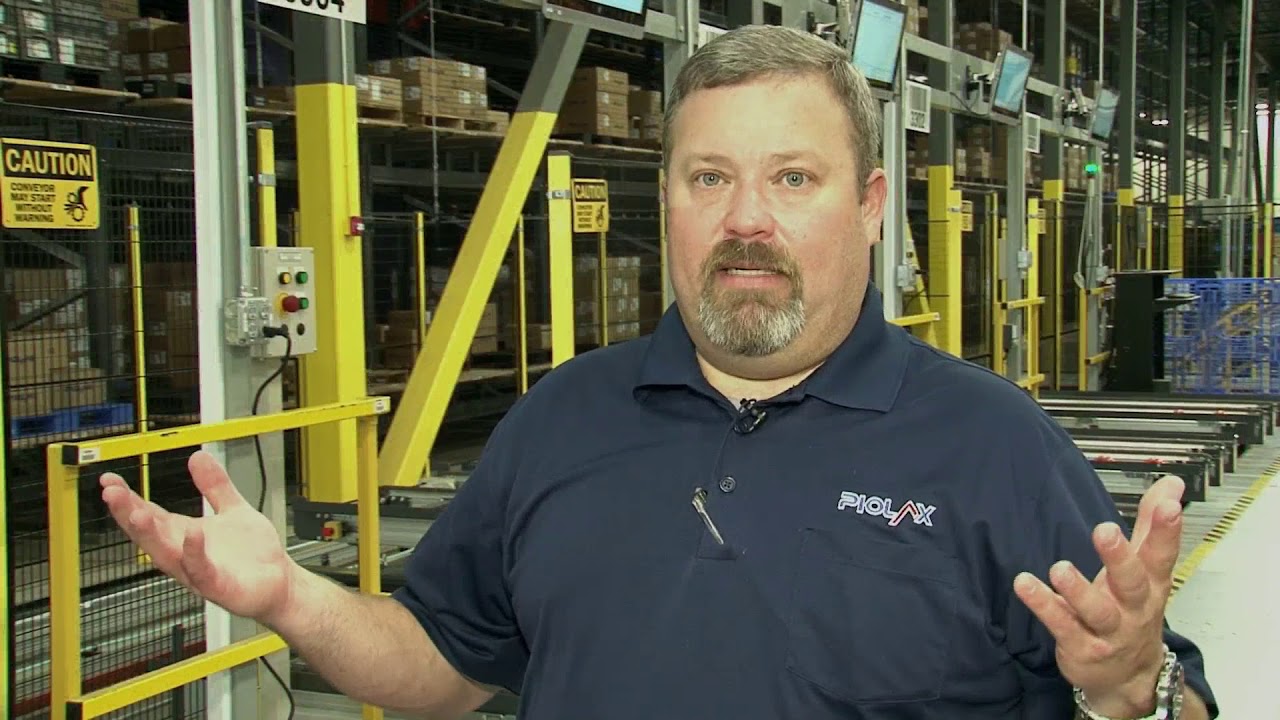
Piolax Canton Georgia Automotive Parts Distribution Center
Daifuku
Meyer Corporation USA Cookware Distribution Center
Daifuku
Intralogistics Innovation Center: Integrated Solutions Showcase
Daifuku