Ospelt Food Sargans Cold Storage Automation
⭐Key Features
- •AGV system for efficient space utilization
- •Transfer area between uncooled and cooled storage zones
- •Transport prioritization for refrigerated products
- •Chrome steel construction for food industry compliance
- •Enclosed AGV design for transport safety
- •Four-floor facility integration
Results & Benefits
- Replaced manual forklift-based processes
- Maintained uninterrupted cold chain
- Improved production facility efficiency
- Fast and efficient transport compared to forklifts
- Continuous process improvement achieved
Challenges & Solutions
Manual forklift-based processes could not handle increased production facility efficiency
Implemented GEBHARDT AGV system with efficient space utilization and faster operation
Maintaining cold chain integrity during product transport
Designed transfer area between temperature zones with refrigerated product prioritization
Project Overview
Project Overview
Ospelt Food AG, a leading food manufacturer founded in 1958 as a family business, operates five branches across Switzerland and Germany with headquarters in Sargans. The company employs approximately 2,000 people across the organization, with 320 working at the Sargans location. As a food industry company focused on continuous improvement of internal processes, Ospelt faced challenges with their manual forklift-based material handling systems.
The increasing efficiency of production facilities created bottlenecks in the flow of goods through the existing manual solution, necessitating an automated approach to material handling. A critical requirement for Ospelt was maintaining the cold chain integrity, which plays a crucial role in food industry operations particularly for temperature-sensitive products.
The company decided to partner with GEBHARDT to optimize pallet transport to cold storage facilities, addressing both efficiency improvements and cold chain maintenance requirements in their food production operations.
Technical Solution
AGV System Implementation
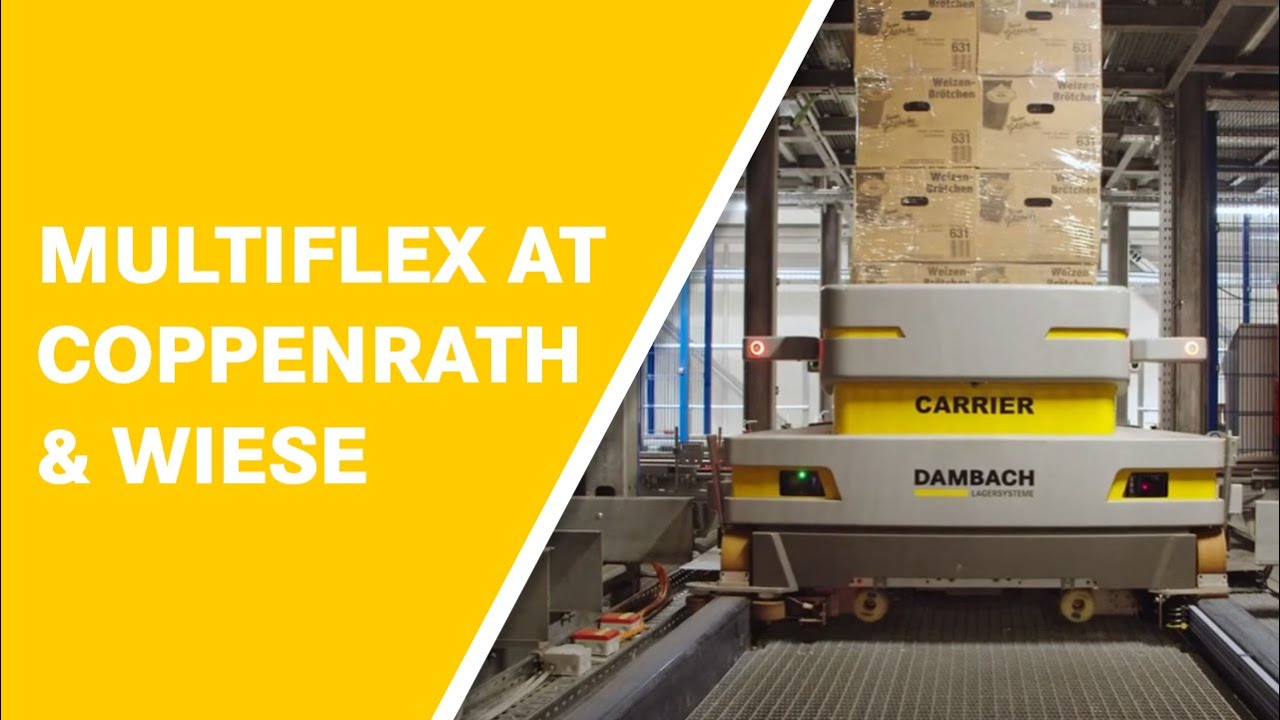
GEBHARDT implemented an Automated Guided Vehicle (AGV) system that convinced Ospelt with its efficient space utilization and faster, more efficient operation compared to the previous forklift-based solution. The system includes enclosed AGV designs that enhance transport safety while meeting food industry requirements.
Automated Guided Vehicles (AGVs): Comprehensive Warehouse Automation
Vendor: Jungheinrich
Key Features
The AGV system provides efficient space utilization compared to traditional forklift operations, optimizing facility layout while enabling faster and more efficient material transport throughout the multi-floor production environment.
The transfer area between uncooled and cooled storage zones with refrigerated product prioritization ensures uninterrupted cold chain maintenance, addressing one of the most critical requirements in food industry logistics.
The enclosed AGV design enhances transport safety while meeting food industry hygiene standards, providing protected material movement that minimizes contamination risks in food production areas.
Results & Benefits
Manual forklift-based processes have been successfully replaced with automated AGV transport, addressing the bottleneck created by increased production facility efficiency that could no longer be handled by manual solutions.
Uninterrupted cold chain maintenance has been achieved through the specialized transfer area design and transport prioritization system, ensuring food safety and quality standards are maintained throughout material movement.
Continuous process improvement goals have been met through the implementation of faster, more efficient transport compared to forklift operations, supporting Ospelt's commitment to operational excellence in food manufacturing.
Challenges & Solutions
The challenge of manual forklift-based processes being unable to handle increased production facility efficiency was addressed through the implementation of GEBHARDT's AGV system, which provides more efficient space utilization and faster operational capabilities.
Maintaining cold chain integrity during product transport was solved through the design of a specialized transfer area between temperature zones with prioritization of refrigerated products, ensuring temperature-sensitive items maintain proper conditions throughout the logistics process.
System Integrator
GEBHARDT served as the system integrator, supporting Ospelt from the sales phase through planning and realization of the automated transport solution. The joint solution development process was described as a great experience by Ospelt, with collaborative problem-solving addressing specific requirements like temperature zone transfers and transport prioritization. The partnership successfully delivered a system that meets food industry standards while improving operational efficiency in cold chain logistics.
Project Gallery
Related Technologies (6)
Nipper AGV: Compact, High-Capacity Pallet Transport AGV
byNipper
Side Loading & Unloading AGV: Strategic Partnership Announcement
byAncra Systems
Truck Loading and Unloading AGV: Automated Trailer Handling
by Ancra Systems
Laser-Guided Vehicles (LGVs) for Automated Truck Loading and Unloading
byOthers
AI Visual Inspection & Automated Packing Solution for Textiles
bySUNTECH
Automated Guided Vehicles (AGV) for Air Cargo ULDs
byLödige Industries
Related Knowledge Articles (4)
AGV Unit Load
AGV unit load vehicles are automated guided vehicles designed to transport individual pallets, containers, or large items along fixed routes, providing reliable, predictable material movement in warehouses and manufacturing facilities.
Food & Beverage Warehousing
Food and beverage warehousing requires specialized automation that addresses unique challenges including temperature control, food safety compliance, and rapid order fulfillment for both retail and foodservice channels.
Cold Storage Strategy
Cold storage and temperature-controlled warehousing are critical for preserving perishable goods throughout the supply chain. From frozen foods to pharmaceuticals, these specialized facilities maintain precise temperature conditions while optimizing energy efficiency and operational performance.
Multi-Robot Orchestration
Intelligent fleet management systems that coordinate multiple autonomous robots to work together efficiently, optimizing task allocation, traffic management, and resource utilization across complex warehouse environments.