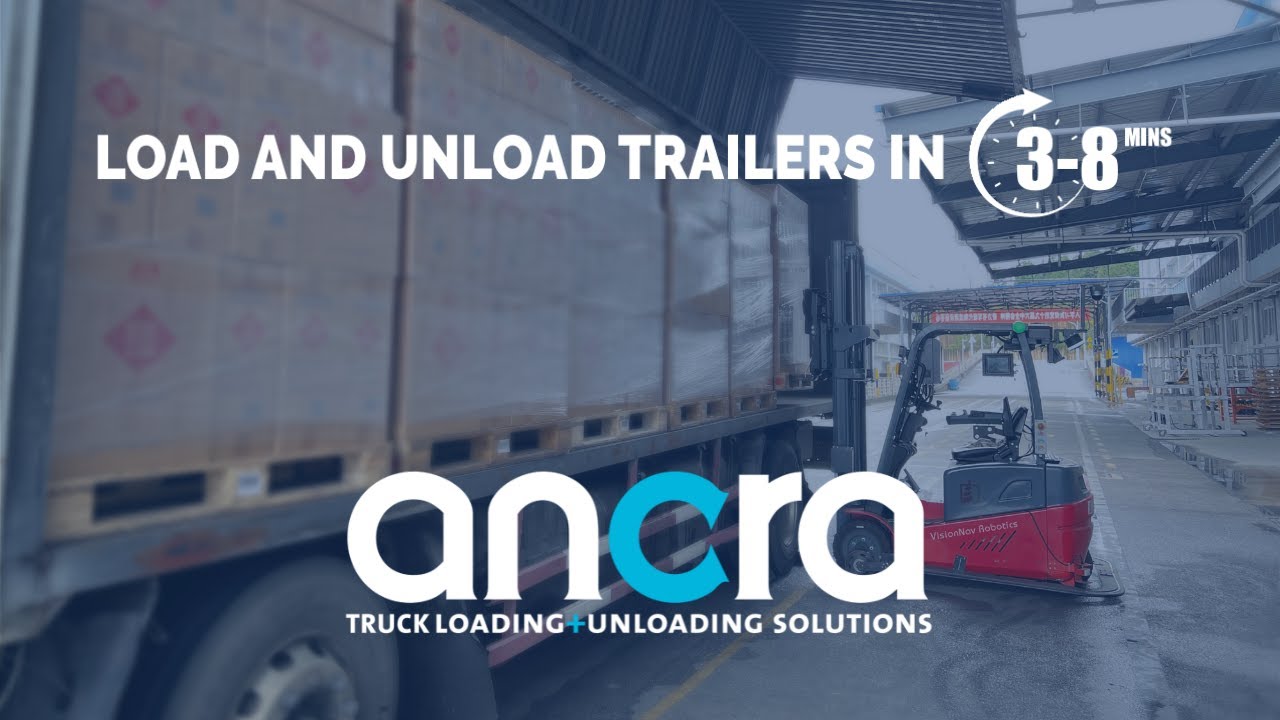
Truck Loading and Unloading AGV: Automated Trailer Handling
Quick Facts
Technology Performance Metrics
⭐Key Features
Benefits
Applications
Detailed Information
Technology Overview
The Truck Loading and Unloading AGV is an advanced automation technology designed specifically for the critical logistics interface at the shipping dock. It targets the manual, time-consuming, and sometimes hazardous processes of moving palletized goods in and out of trailers. By automating these tasks, the system aims to create a safer, more efficient, and predictable flow for both inbound and outbound operations. This technology integrates several cutting-edge fields, including 5G communication, artificial intelligence, and machine learning, to perform complex material handling in challenging semi-outdoor environments.
How It Works
Core Principles
The system operates on the principle of replacing manual forklift operations within trailer cavities with a fully automated guided vehicle. It uses environmental perception and deep learning algorithms to navigate the confined and often variable space inside a truck trailer, accurately locate pallets, and execute precise pickup and placement maneuvers.
Key Features & Capabilities
The environmental resilience is a standout feature, allowing the AGV to operate in semi-outdoor spaces and tolerate temperatures as low as -5℃, making it suitable for many warehouse dock environments. Its high payload capacity of 3000kg covers a wide range of unit load types commonly found in logistics. The dual-orientation handling capability (short-side and long-side leading) provides significant flexibility when dealing with varied pallet loading patterns without requiring manual intervention or re-staging.
Advantages & Benefits
The primary advantage is a significant improvement in safety by removing human operators from the potentially dangerous environment inside trailers and from repetitive heavy lifting tasks. This leads to a reduction in workplace accidents. Operational efficiency is enhanced through consistent, uninterrupted automated cycles, which can accelerate dock turnaround times. Over the long term, the automation delivers strong cost-effectiveness by reducing labor dependency, minimizing product damage, and increasing throughput capacity.
Implementation Considerations
Implementation requires a compatible dock infrastructure and likely some process re-engineering to integrate the AGV seamlessly into existing receiving and shipping workflows. The reliance on advanced technologies like 5G and AI implies a need for corresponding IT infrastructure and technical support. The initial capital investment is a key factor to evaluate against the expected labor savings and efficiency gains.
Use Cases & Applications
Ideal For
This solution is ideal for high-volume distribution centers, third-party logistics (3PL) providers, and manufacturing facilities where trailer loading and unloading are frequent, labor-intensive bottlenecks.
Conclusion
The Truck Loading and Unloading AGV represents a targeted automation solution for a critical yet often overlooked warehouse process. By applying AGV technology specifically to trailer handling, it addresses key challenges in safety, efficiency, and labor availability at the dock. For operations with sufficient volume and seeking to modernize their dock operations, this technology offers a pathway to a more streamlined, safe, and data-driven logistics interface.
Vendor
Ancra SystemsRelated Technologies
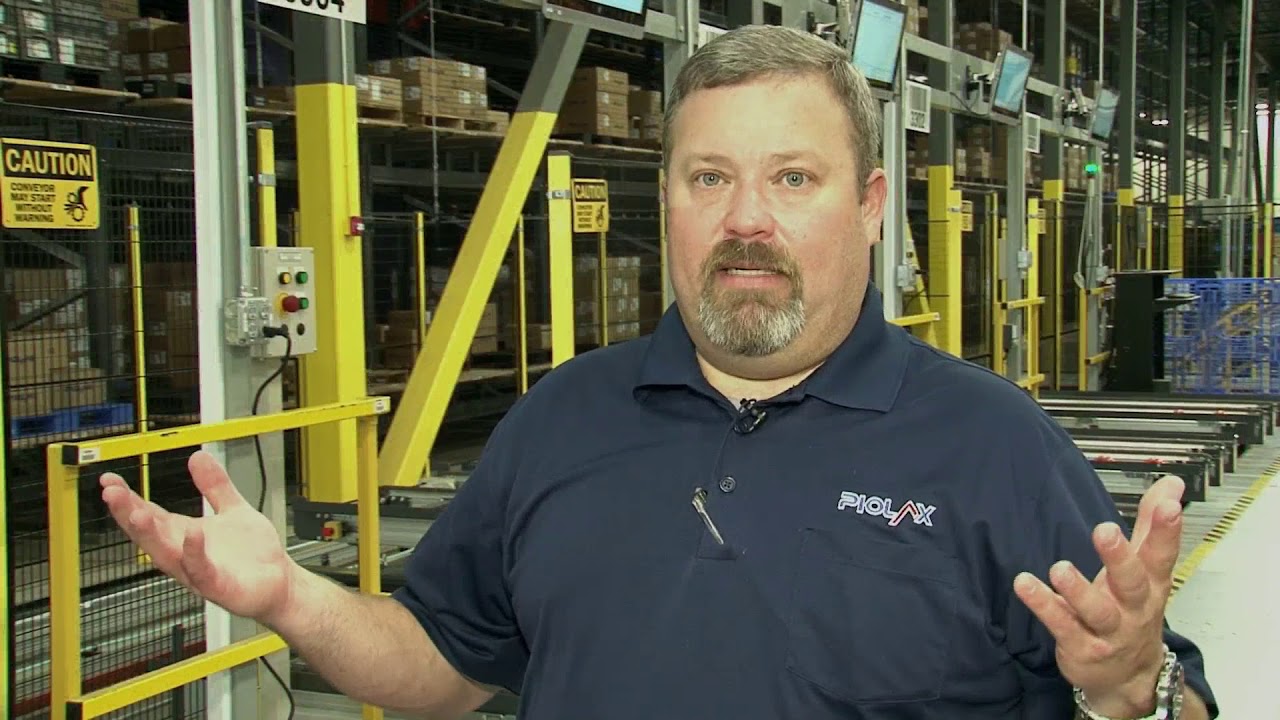
Piolax Canton Georgia Automotive Parts Distribution Center
Daifuku

Meyer Corporation USA Cookware Distribution Center
Daifuku
Side Loading & Unloading AGV: Strategic Partnership Announcement
Ancra Systems
Supplier Profile

Ancra Systems
Efficient Loading