Automated Guided Vehicles (AGV) for Air Cargo ULDs
Quick Facts
Technology Performance Metrics
⭐Key Features
Benefits
Applications
Detailed Information
Technology Overview
Lödige Industries introduces a transformative automation solution for the air cargo industry: intelligent Automated Guided Vehicles (AGVs) specifically designed for the transportation of Unit Load Devices (ULDs). These AGVs address the growing demands for efficiency, scalability, and reliability in modern air cargo terminals. Serving as the dynamic connective tissue within a facility, they automate the horizontal movement of loaded ULDs between critical nodes such as import/export docks, build-up and break-down workstations, and automated storage systems. Whether deployed as the core transport layer in a greenfield automated terminal or as a strategic first automation step in a manual facility, these AGVs leverage data-based intelligence to revolutionize cargo flows, offering a pathway to 24/7 operations with enhanced accuracy and control.
How It Works
Core Principles
The system operates on the principle of autonomous, WMS-directed material transport. AGVs receive transportation orders from the central Warehouse Management System (WMS), navigate autonomously through the terminal to pick up ULDs at a source location, transport them along optimized routes, and deliver them precisely to a designated destination.
Key Features & Capabilities
ULD-Specific Design is engineered to handle the standard sizes and weights of air cargo containers and pallets. WMS Integration allows for seamless, instruction-driven operation within the broader terminal logistics software ecosystem. Data-Based Intelligence enables features like real-time route optimization, traffic management, and precise positioning. Flexible Deployment allows the system to function as the backbone of a fully automated terminal or as a modular upgrade in existing facilities.
Advantages & Benefits
The primary advantage is a significant increase in terminal throughput and efficiency through continuous, unmanned operation. It introduces exceptional flexibility and scalability; routes can be changed via software, and the fleet size can be adjusted to match demand, reducing reliance on fixed conveyors. The system enhances cargo safety by minimizing manual handling, thereby reducing ULD damage. It enables 24/7 operations and reallocates human labor to more complex, value-added tasks such as inspection and build/break processes.
Implementation Considerations
Implementing an AGV system requires robust integration with the existing or new WMS to function effectively. Terminal layout and floor conditions must be assessed and potentially modified to ensure safe and efficient AGV navigation (smooth floors, clear lanes). A phased implementation approach is often beneficial, especially in brownfield sites, to minimize disruption. The total investment includes vehicles, software, infrastructure adjustments, and ongoing maintenance.
Use Cases & Applications
Ideal For
This solution is ideal for air cargo carriers, ground handlers, and airport authorities operating cargo terminals seeking to improve efficiency, reduce damage, and move towards higher levels of automation, either incrementally or in a single project.
Conclusion
Lödige Industries' AGV system represents a strategic leap forward for air cargo terminal automation. By providing a flexible, intelligent, and scalable alternative to fixed conveyor systems or manual tow-tractor operations, it directly addresses the core challenges of modern cargo handling: efficiency, accuracy, and adaptability. The ability to integrate seamlessly with WMS and other automated systems makes it a future-proof investment. For any cargo terminal aiming to optimize flows, reduce operational costs, and build a foundation for tomorrow's logistics demands, implementing an intelligent AGV transport system is a compelling and transformative solution.
Vendor
Lödige IndustriesRelated Technologies
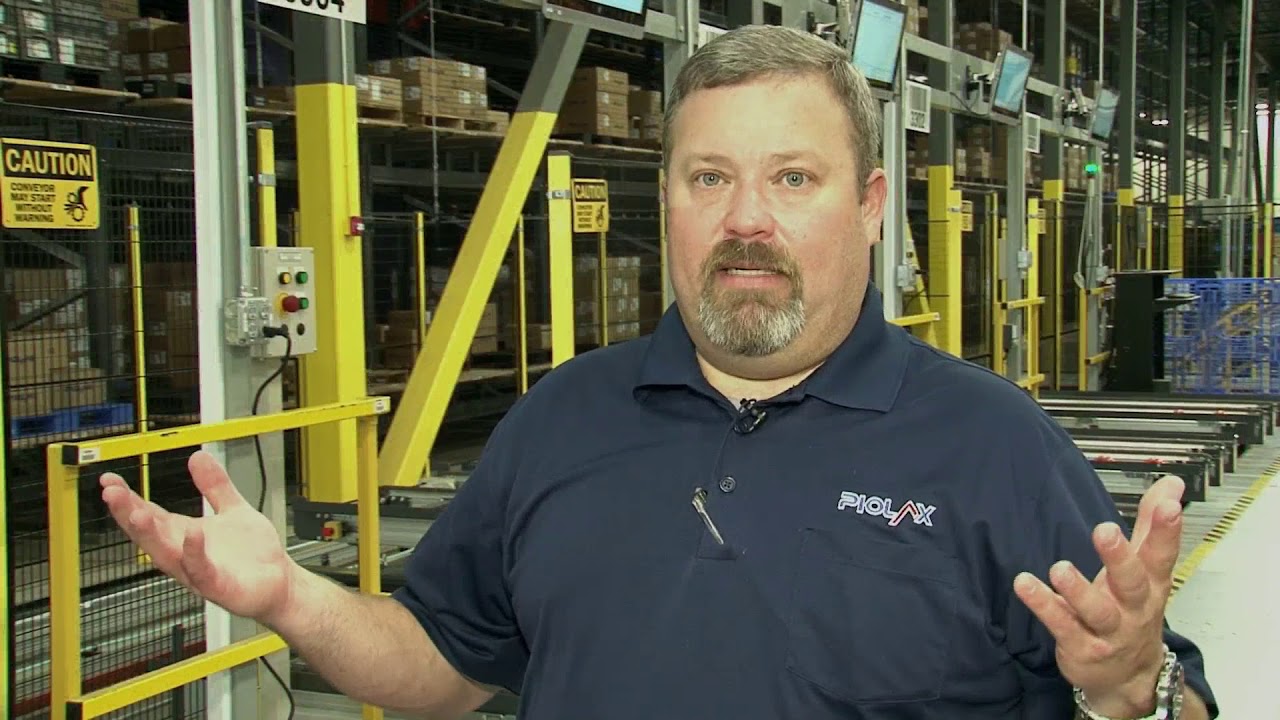
Piolax Canton Georgia Automotive Parts Distribution Center
Daifuku

Meyer Corporation USA Cookware Distribution Center
Daifuku
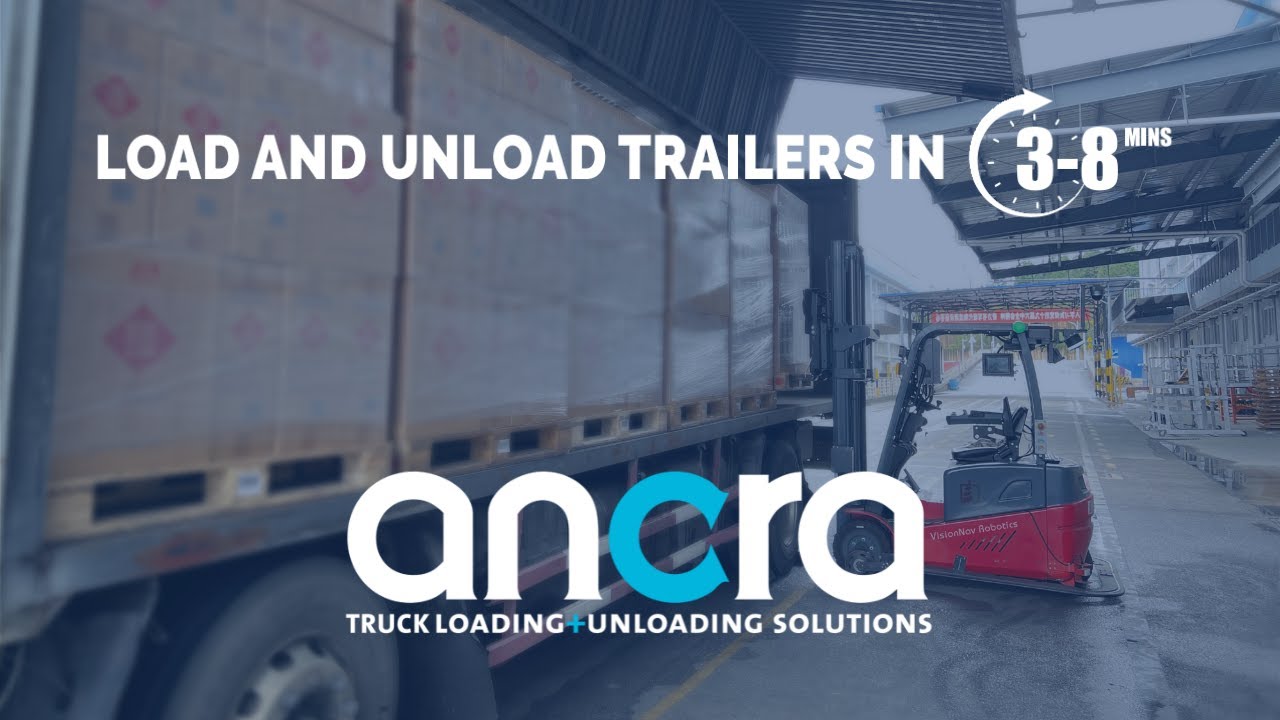
Side Loading & Unloading AGV: Strategic Partnership Announcement
Ancra Systems