GTP: Decision-Driven Goods-to-Person AMR
Quick Facts
Technology Performance Metrics
⭐Key Features
Benefits
Applications
Detailed Information
Technology Overview
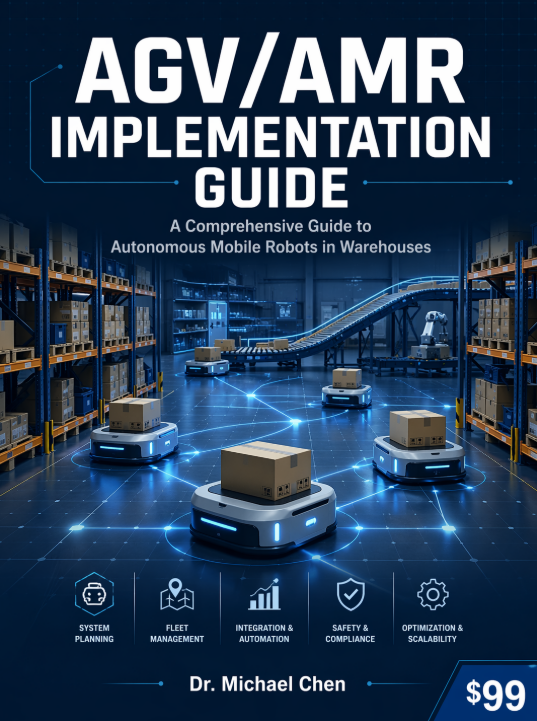
The Ranger GTP (Goods-to-Person) is an autonomous mobile robot (AMR) solution developed by GreyOrange to tackle the core challenge of modern fulfillment: speed. In the current era of e-commerce, where customer expectations for fast and flexible delivery are paramount, the efficiency of the warehouse picking and packing process directly impacts the overall "click-to-door" timeline. GreyOrange positions the Ranger GTP as a response to the limitations of traditional, fixed automation, which can be inflexible and costly to adapt. By leveraging a fleet of autonomous, decision-driven robots to bring inventory directly to human workers, the system aims to provide the agility and throughput needed to satisfy today's on-demand economy.
How It Works
Core Principles
The core principle is Decision-Driven Goods-to-Person Fulfillment. The system uses software intelligence ("decision-driven science") to dynamically orchestrate a fleet of Ranger GTP robots. Based on real-time order data, the system decides which inventory pods or totes need to be delivered to which packing stations and in what sequence to maximize throughput and minimize order cycle time.
Key Features & Capabilities
Decision-Driven Orchestration is the defining feature. Unlike simple retrieval systems, the platform uses algorithms to continuously optimize the entire fleet's movements based on changing order priorities, worker availability, and real-time facility conditions, aiming for the most efficient overall flow.
Autonomous Inventory Transport enables the core Goods-to-Person workflow. The Ranger GTP robots are responsible for all horizontal movement of inventory, eliminating walking time for pickers and allowing them to focus on the value-added tasks of selecting and packing items.
Built for Flexibility and Speed is a central design tenet. The system is contrasted with "fixed infrastructure and rigid automation," suggesting it can be more easily reconfigured, scaled up or down, and adapted to seasonal peaks or changes in product mix compared to conveyor-based or AS/RS systems.
Advantages & Benefits
The primary benefit is Accelerated Speed-to-Fulfill. By streamlining the in-warehouse segment of the order journey, the system directly contributes to reducing the total "click-to-door" time, which is critical for meeting customer promises and competing in fast-delivery markets.
It offers Operational Agility. The use of a mobile robot fleet allows the fulfillment operation to adapt more quickly to changes in demand patterns, new product introductions, or facility layout changes without the major capital project typically associated with modifying fixed automation.
The technology Enhances Labor Productivity. By bringing goods to the worker, it drastically cuts down on unproductive travel time. Workers can achieve significantly higher pick and pack rates, improving overall facility throughput without a proportional increase in labor.
Implementation Considerations
A major consideration is the Paradigm Shift from Fixed to Flexible Automation. Organizations accustomed to traditional conveyor or AS/RS systems need to evaluate their processes and metrics for this different model, which emphasizes software intelligence and robotic mobility over fixed mechanical pathways.
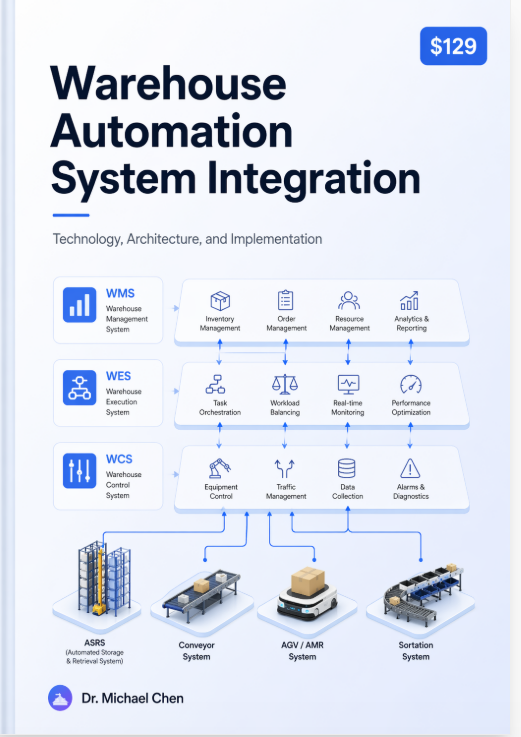
Total System Integration is crucial. The value of the "decision-driven" software depends on its ability to seamlessly connect with the company's order management system (OMS), warehouse management system (WMS), and possibly enterprise resource planning (ERP) system for real-time data flow.
Economic and Strategic Justification should focus on speed and flexibility gains. The ROI case may hinge less on pure labor displacement and more on the ability to handle higher volumes, meet stricter service-level agreements (SLAs), and adapt to future business needs more cost-effectively than alternative systems.
Conclusion
The GreyOrange Ranger GTP system represents a modern approach to warehouse automation, prioritizing software intelligence and robotic flexibility to meet the urgent demands of e-commerce fulfillment. It is an ideal solution for businesses where speed-to-customer, operational agility, and the ability to handle volatile demand are top priorities. This solution is particularly compelling for those looking to move beyond the constraints of older, fixed automation systems. Success requires embracing the decision-driven, software-centric model and ensuring deep integration with upstream commerce systems. When implemented effectively, it can be a powerful tool for compressing the order fulfillment timeline and delivering the immediacy that today's customers expect.
Related Knowledge
Robotic Case Picking
Advanced robotic case picking systems that combine industrial robotics with intelligent vision systems to automate the handling of full cases and cartons, delivering exceptional speed, precision, and reliability in high-volume distribution operations.
Robotic Piece Picking
Advanced robotic systems that use AI and computer vision to automatically select and pick individual items from diverse inventory, revolutionizing warehouse fulfillment operations with human-like dexterity and intelligence.
Voice Picking Systems
Voice picking systems revolutionize warehouse operations by enabling hands-free, eyes-free order fulfillment through speech recognition technology. Workers receive spoken instructions through wireless headsets and confirm actions verbally, dramatically improving productivity, accuracy, and safety while reducing training time.
Vendor
GreyOrangeRelated Technologies
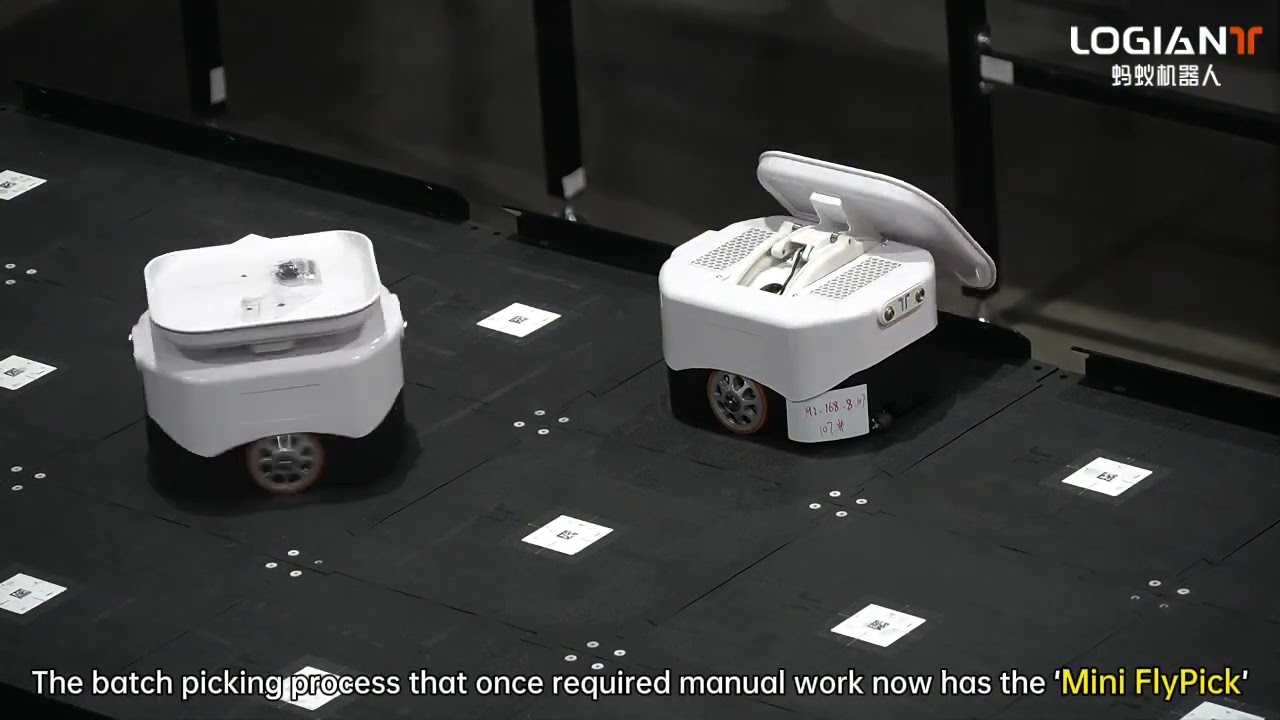
Mini FlyPick Robot: Compact High-Speed Sorting AMR
Others
AI-Powered Robotic Truck Loading System
Others

TiltSort-Bot: Autonomous Mobile Robot (AMR) for Sortation
Conveyco