Healthcare & Pharmaceutical Distribution
Healthcare and pharmaceutical distribution requires stringent regulatory compliance, precise temperature control, and rigorous traceability while handling life-critical products including medications, medical devices, and biologics with strict handling and storage requirements.
Healthcare & Pharmaceutical Distribution
Operations Profile
- •Strict regulatory compliance
- •Temperature-controlled storage
- •Lot & expiration tracking
- •High-value inventory
Regulatory Requirements
- •FDA/GMP compliance
- •DEA controlled substances
- •DSCSA track & trace
- •Audit trail requirements
Storage Technologies
- •Mini-load AS/RS
- •Vertical lift modules
- •Secure cages (controlled substances)
- •Cold storage chambers
Accuracy Systems
- •Barcode verification (99.99%+)
- •Vision inspection
- •Weight verification
- •RFID tracking
Temperature Management
- •Multi-zone storage (2-8°C, 15-25°C)
- •Real-time monitoring
- •Alarm systems
- •Backup power systems
Software Systems
- •WMS with FEFO logic
- •Serialization tracking
- •Recall management
- •Electronic pedigree
🌐 Industry Overview
Healthcare and pharmaceutical distribution handles life-critical products requiring the highest standards of quality, safety, and regulatory compliance. This sector encompasses prescription medications, over-the-counter drugs, medical devices, surgical supplies, biologics, and controlled substances. Unlike general distribution, errors can have serious health consequences, making accuracy, traceability, and compliance non-negotiable requirements.
The industry operates under strict regulatory oversight from agencies like FDA (US), EMA (Europe), and equivalent bodies globally. Good Distribution Practice (GDP) and Good Manufacturing Practice (GMP) standards govern facility design, operational procedures, quality systems, and documentation. Facilities must maintain detailed records of every product movement, environmental condition, and quality event. Regular audits by regulators, customers, and third-party certifiers ensure ongoing compliance.
🏭 Warehouse Operations Characteristics
Healthcare distribution facilities are designed and operated to pharmaceutical standards. This includes controlled access, environmental monitoring, segregated storage for different product types, and quarantine areas for products pending quality release. Clean rooms or controlled environments may be required for sterile products or compounding operations. Security is paramount for controlled substances, requiring DEA registration and strict inventory controls.
Temperature management is critical. Many pharmaceuticals require refrigerated storage (2-8°C), while biologics and vaccines may need frozen storage (-20°C or colder). Temperature excursions outside specified ranges can render products unusable, creating significant waste and potential patient safety issues. Continuous monitoring with automated alerts and backup systems is mandatory. Temperature-controlled transportation extends the cold chain to delivery.
Traceability requirements exceed other industries. Serialization regulations require tracking individual packages from manufacturer through distribution to dispensing. This enables rapid recalls if quality issues are discovered and helps combat counterfeit drugs. Every transaction must be documented with detailed pedigree information. Automation must support this level of tracking without impacting operational efficiency.
⚠️ Key Challenges
Regulatory compliance creates operational complexity and cost. Facilities must maintain extensive documentation, conduct regular quality audits, validate all processes and systems, and train staff continuously. Changes to operations or automation require validation studies proving they don't impact product quality. This regulatory burden increases implementation time and cost compared to general distribution.
Product diversity complicates operations. A single facility may handle thousands of SKUs with varying storage requirements, handling procedures, and regulatory classifications. Controlled substances require separate secure storage and strict inventory reconciliation. Hazardous materials need special handling. High-value biologics demand extra security. Each product category adds operational complexity.
Expiration date management is critical. Unlike general retail where expired products are a financial loss, expired pharmaceuticals create patient safety risks and regulatory issues. FEFO (First-Expired-First-Out) picking is mandatory. Short-dated products require rapid distribution or return to manufacturers. Waste from expired inventory impacts profitability in an already cost-pressured industry.
🤖 Suitable Technologies
Storage Solutions: Pharmaceutical-grade racking and shelving designed for easy cleaning and compliance with GMP standards. Automated storage systems (AS/RS) for high-value products provide security and precise inventory control. Temperature-controlled storage with redundant refrigeration and backup power. Segregated areas for different product classifications with controlled access.
Transport Systems: AGVs and conveyors designed for pharmaceutical environments with smooth surfaces, easy cleaning, and minimal particle generation. Temperature-controlled transport for cold chain products. Automated material handling reduces human contact with products, improving quality and reducing contamination risk.
Picking Technologies: Goods-to-person systems minimize worker time in cold storage and improve picking accuracy for small pharmaceutical packages. Pick-to-light and voice systems guide workers through FEFO-compliant selection. Vision systems verify correct product selection. Automated dispensing systems for controlled substances provide security and audit trails.
Serialization and Tracking: Barcode and RFID systems capture product movement at every step. Serialization systems aggregate package-level data to case and pallet levels for regulatory reporting. Integration with manufacturer and customer systems enables end-to-end traceability. Automated verification systems ensure serialization data accuracy.
Quality Systems: Environmental monitoring systems track temperature, humidity, and other critical parameters continuously. Automated alerts notify staff of excursions. Quality management software documents deviations, investigations, and corrective actions. Electronic batch records replace paper documentation, improving accuracy and audit readiness.
🎯 Technology Selection Criteria
Regulatory compliance is the primary consideration. All automation must be validated according to pharmaceutical standards. This includes Installation Qualification (IQ), Operational Qualification (OQ), and Performance Qualification (PQ) studies. Choose vendors with pharmaceutical industry experience who understand validation requirements. Budget for validation costs—typically 20-30% of automation investment.
Quality and reliability take precedence over speed. A slower system that maintains product integrity and regulatory compliance is preferable to a faster system with quality risks. Build redundancy into critical systems—backup refrigeration, emergency power, redundant tracking systems. Product recalls due to distribution errors are extremely costly and damage reputation.
Traceability capabilities must meet current and anticipated regulatory requirements. Serialization is now mandatory in many markets, with additional requirements emerging. Systems should support track-and-trace at the package level, aggregate data hierarchically, and integrate with regulatory reporting systems. Future-proof investments by choosing flexible systems that can adapt to evolving regulations.
💡 Implementation Considerations
Start with thorough requirements definition including regulatory compliance needs. Engage quality and regulatory teams early—their input is critical for successful implementation. Document all requirements in a User Requirements Specification (URS) that will guide design, validation, and acceptance testing.
Plan for extended implementation timelines. Pharmaceutical automation projects take 18-24+ months from start to operation due to validation requirements. Design and build phases are similar to general distribution, but commissioning and validation add significant time. Factor this into business planning and client commitments.
Validation is not optional. Develop comprehensive validation plans covering all aspects of the automation—equipment, software, processes, and integrations. Execute validation protocols rigorously with documented evidence. Maintain validation documentation for regulatory inspections. Budget adequately for validation—it's a significant cost but essential for compliance.
Training is more extensive than general distribution. Workers must understand not just how to operate equipment, but why procedures exist and the consequences of errors. GMP training, quality procedures, and regulatory requirements are mandatory. Document all training and maintain records for audits. Plan for ongoing training as staff turnover occurs.
Change control procedures govern all modifications after validation. Even minor changes require evaluation, approval, and potentially revalidation. Implement robust change control processes from day one. This discipline prevents compliance issues but requires cultural adaptation for organizations new to pharmaceutical operations.
Partner with experienced vendors and consultants. Pharmaceutical automation has unique requirements that general warehouse automation vendors may not understand. Choose partners with proven pharmaceutical experience, regulatory knowledge, and validation expertise. Their experience accelerates implementation and reduces compliance risks.
Consider the total cost of compliance. Pharmaceutical distribution is more expensive than general distribution due to regulatory requirements, quality systems, and specialized facilities. Price services accordingly—clients understand and accept higher costs for pharmaceutical-grade distribution. Attempting to compete on price alone is unsustainable given the compliance burden.
Related Technologies (6)
Pick-it-Easy Robot: Industry-Grade Robotic Picking Solution
byKnapp
RackBot™ Tote ASRS: Flexible Goods-to-Person Automation
byOthers
Monorail Systems for High-Volume Commercial Laundry
byOthers
SSI SCHAEFER Miniload Crane (SMC): Automated Storage for Small Loads
bySSI Schaefer
Hänel Rotomat Office Carousel: High-Tech Office Filing System
byHänel
Modula Horizontal Carousel (HC): Goods-to-Man Picking Solution
byModula
Related Topics
Third-Party Logistics (3PL)
Third-party logistics providers operate warehouses and fulfillment centers for multiple clients, requiring flexible automation solutions that can handle diverse products, varying service levels, and rapid client onboarding while maintaining operational efficiency.
Parcel & Express Delivery
Parcel and express delivery operations handle millions of small packages daily with strict time commitments, requiring high-speed sortation, automated tracking, and efficient last-mile delivery coordination to meet customer expectations for speed and reliability.
Wholesale B2B Distribution
Wholesale B2B distribution serves business customers with bulk orders, pallet-level shipments, and specialized services, requiring efficient case-picking, pallet building, and customer-specific handling while managing diverse product catalogs and delivery requirements.
Logistics & Healthcare Segments Comparison
| Segment | Characteristics | Key Challenge | Automation Focus | Implementation |
|---|---|---|---|---|
| Third-Party Logistics (3PL) | Multi-client operations, diverse products, flexible services | Client diversity and capacity utilization | Flexible, reconfigurable systems serving multiple clients | 9-12 months, modular approach |
| Parcel & Express | High-speed sortation, millions of packages daily, tight time windows | Volume volatility and speed requirements | High-speed sorters, automated tracking, DWS systems | 12-18 months, peak capacity design |
| Healthcare & Pharma | Regulatory compliance, cold chain, serialization, life-critical products | GMP/GDP compliance and traceability | Validated systems, temperature control, serialization | 18-24+ months, extensive validation |
| Wholesale B2B | Bulk orders, pallet-level shipments, customer-specific requirements | Customer diversity and inventory management | Case-picking, pallet building, route optimization | 9-12 months, customer-focused approach |
Click on segment names to view detailed information about each logistics and healthcare segment.
Quick Navigation
Overview
Related Projects(6)
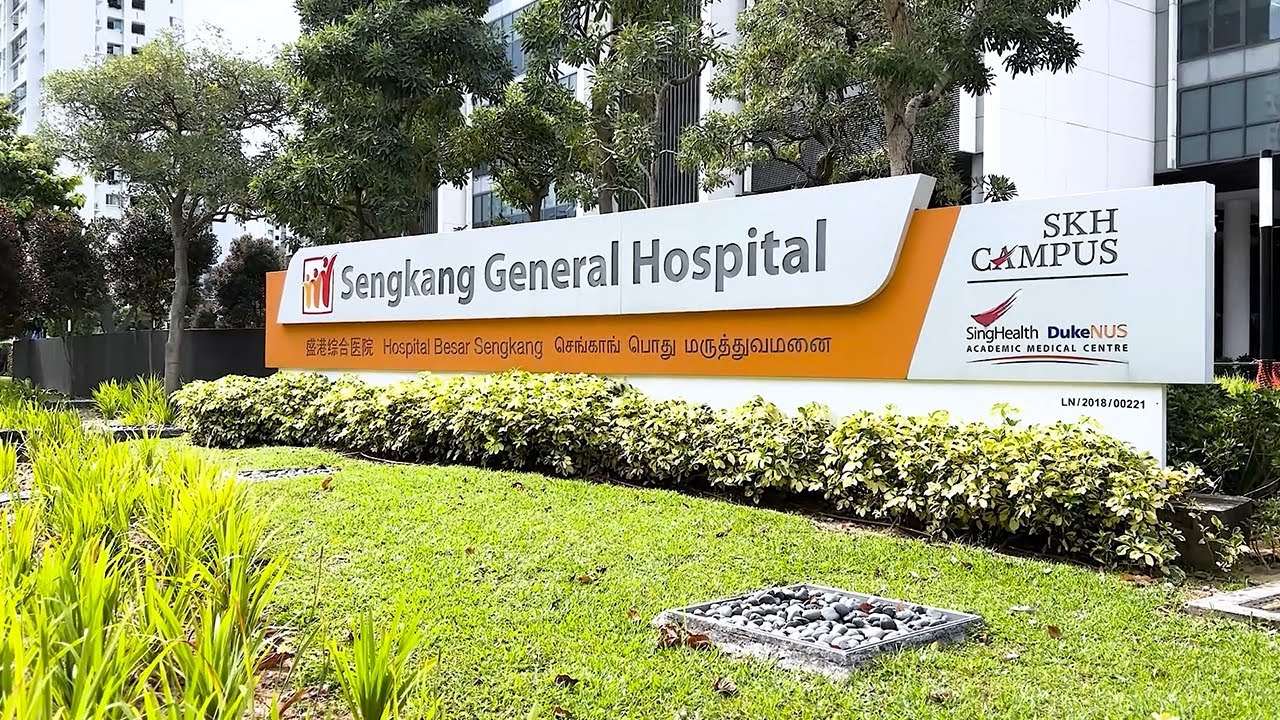
Sengkang General Hospital Singapore Central Sterile Supply Unit
Daifuku
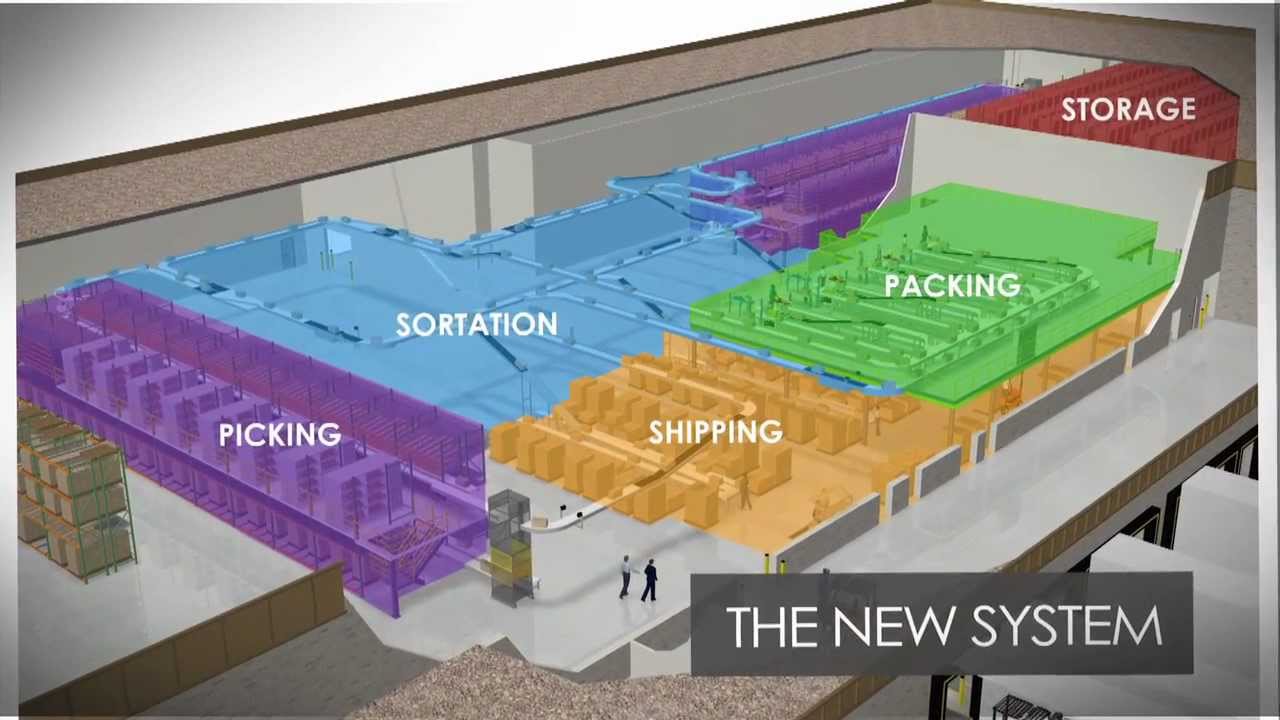
Roche Diagnostics Indianapolis Distribution Center
Bastian Solutions
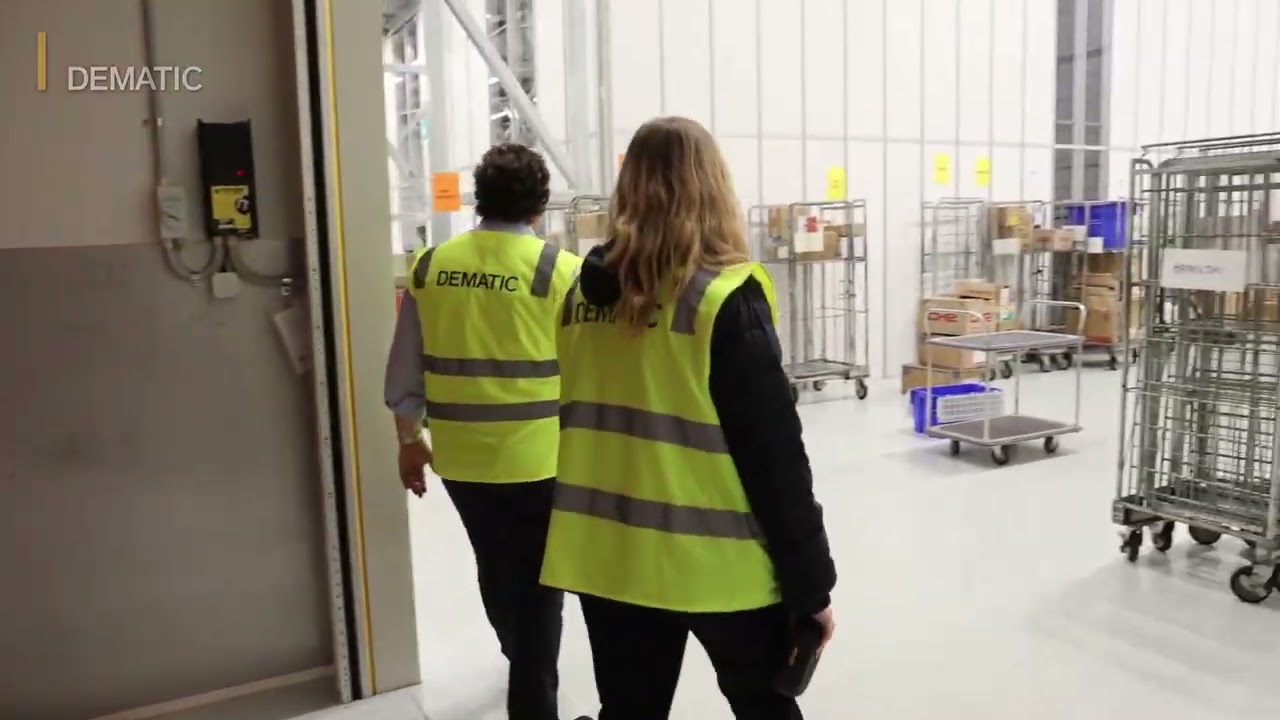
South West Healthcare Warrnambool Regional Logistics Distribution Centre
Dematic
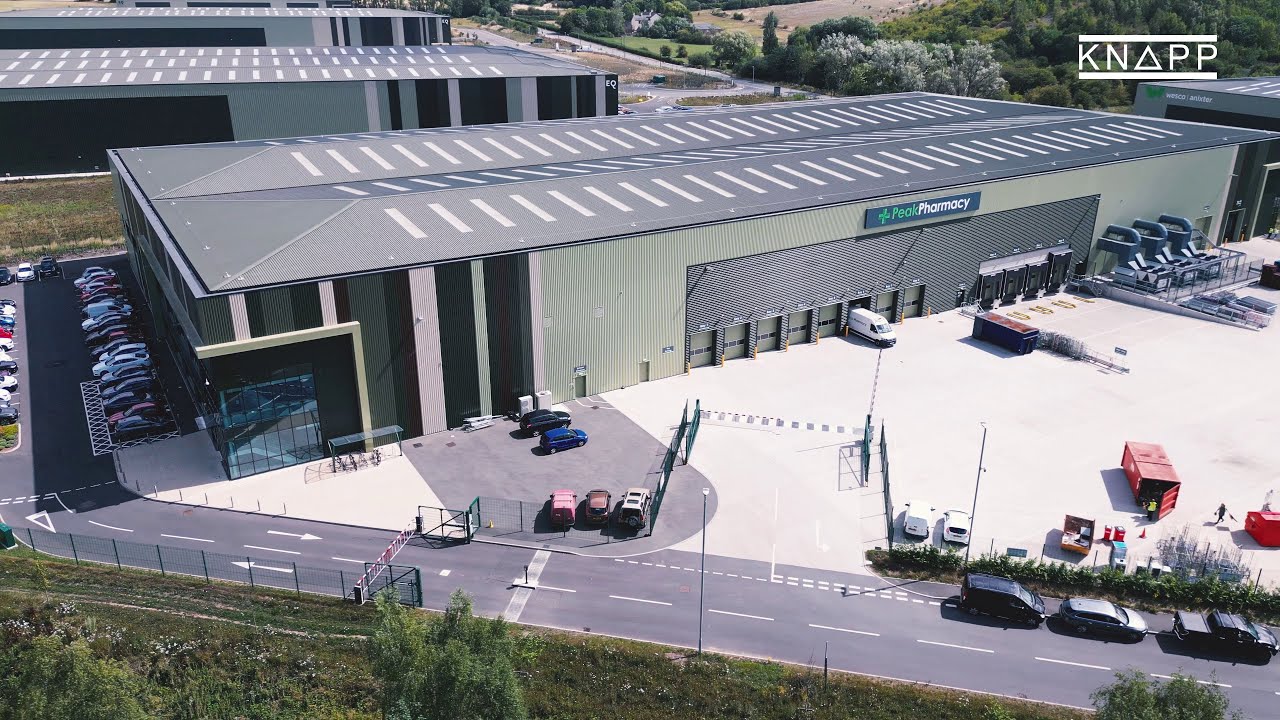
Peak Pharmacy Bolsover Distribution Center
Knapp
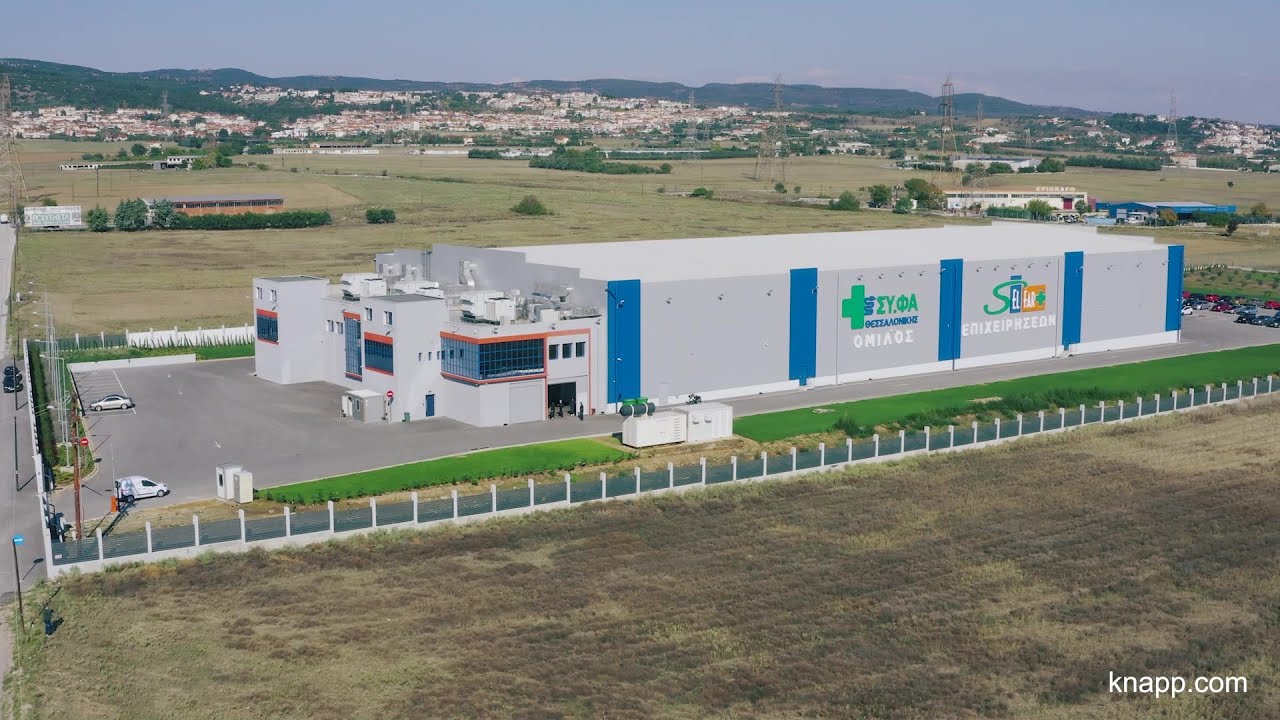
Selfar SA Thessaloniki Pharmaceutical Distribution Center
Knapp
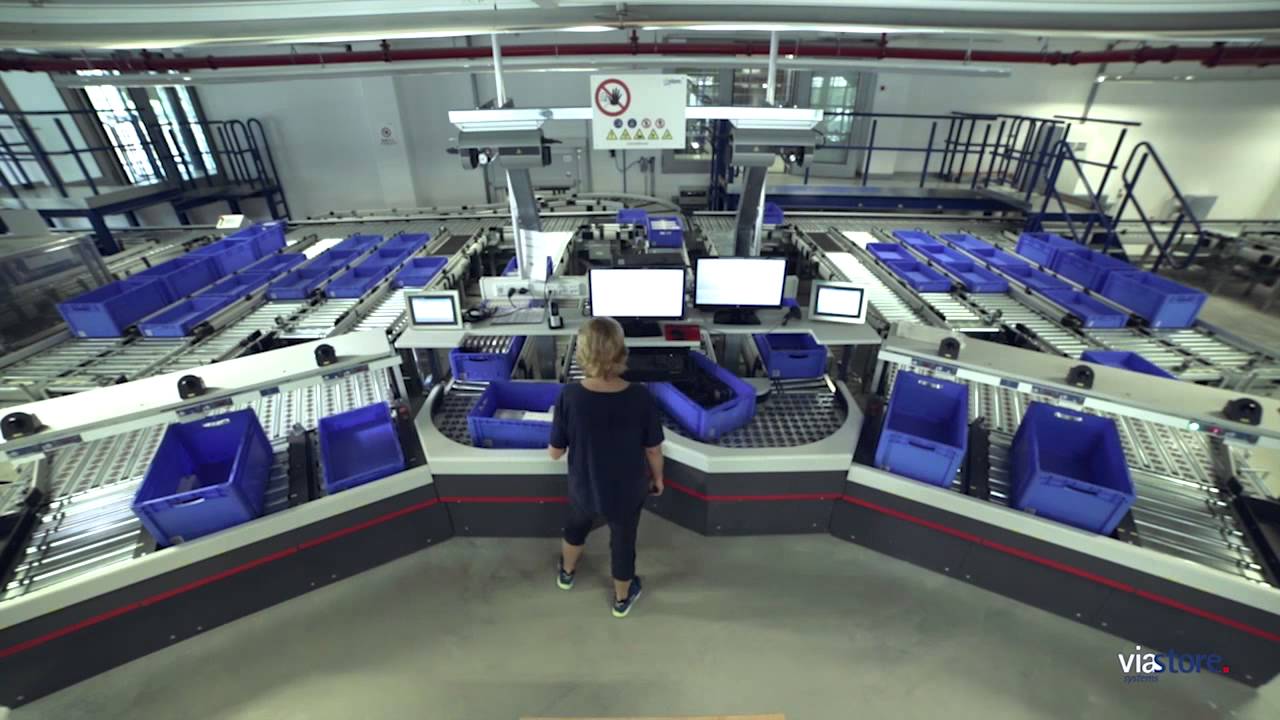
BORT Logistics Center
Viastore
Related Suppliers(3)

Addverb
Warehouse Automation that delivers value!

AR Racking
Storage Solutions and Industrial Racking

AutoStore
The World's Fastest AS/RS Solution