Zippy Robotic Sorter: High-Speed AI-Powered Sortation
Quick Facts
Technology Performance Metrics
⭐Key Features
Benefits
Applications
Detailed Information
Technology Overview
Addverb's Zippy Robotic Sorter represents a modern, flexible approach to automated sortation, leveraging autonomous mobile robot (AMR) technology. Unlike traditional fixed conveyor-based sorters, this system utilizes a fleet of "table-top" robots that navigate freely across the warehouse floor using ground-based markers. Designed for high-speed operations, it is capable of handling up to 20,000 sorts per hour, making it suitable for dynamic environments like e-commerce fulfillment and third-party logistics. The system's intelligence lies in its AI-enabled software, which performs real-time order sorting, obstacle detection, and efficient fleet orchestration. This technology is particularly valuable for optimizing both forward logistics and the increasingly critical reverse logistics processes, offering a scalable solution that adapts to fluctuating demand.
How It Works
Core Principles
The system operates on a decentralized robotic sortation principle. A fleet of individual robots, each with a carrying surface (table-top), navigates a defined area on the floor. They follow paths determined by grid-based ground markers and are coordinated by a central fleet management system. The AI software assigns sortation tasks in real-time, directing robots to pick up items, transport them, and drop them at designated locations, all while dynamically avoiding obstacles.
Key Features & Capabilities
High-Speed Robotic Sortation: The system is engineered for speed, capable of up to 20,000 sorts per hour through the coordinated action of its robot fleet. This provides throughput competitive with many traditional mid-range sortation systems.
Flexible, Floor-Based Navigation: Utilizing grid-based ground markers and AMR technology, the system requires no fixed conveyor infrastructure. This allows for easy reconfiguration of sorting lanes and layouts, offering exceptional flexibility compared to hardwired systems.
AI-Powered Intelligence: The robots are equipped with obstacle detection and avoidance, and the overarching system performs intelligent, real-time sortation. This allows for dynamic decision-making, optimizing sort paths and fleet utilization on the fly.
24/7 Operations with Automated Charging: Designed for continuous operation, the system includes automated charging. Robots can autonomously dock at charging stations when needed, ensuring the fleet is always available without manual intervention.
Advantages & Benefits
The primary benefit is the significant optimization of warehouse efficiency. By automating sortation, it reduces manual labor, increases sorting accuracy, and dramatically improves the speed of fulfilling orders, especially during peak periods. For reverse logistics, it provides a powerful tool to automate the sorting and routing of returned items, making this costly process more efficient and improving the customer experience. The system's inherent flexibility and scalability allow it to handle sudden surges in demand and adapt to changing operational needs without major physical changes. Furthermore, it automates material movement for sortation, reducing human effort and increasing throughput.
Implementation Considerations
Implementing a robotic sorter requires preparing the operating area with the grid-based navigation markers on the floor, which defines the navigable paths. The performance and scalability are heavily dependent on the fleet management software's ability to efficiently orchestrate a large number of robots in real-time without traffic jams. The system requires adequate space for robot travel, induction, discharge, and charging stations. While flexible, the maximum throughput is ultimately limited by the number of robots, induction/discharge station capacity, and the physics of floor-based travel speeds.
Use Cases & Applications
Ideal For
This technology is ideal for e-commerce fulfillment centers, parcel distribution hubs, and 3PL warehouses that require high-speed, flexible sortation and are looking for an alternative to fixed conveyor sortation systems, especially where layout changes are frequent or space is at a premium.
Performance Metrics
The source provides a key throughput metric: up to 20,000 sorts per hour. The real-time intelligent sorting capability is a qualitative performance enhancer for order accuracy and responsiveness. The 24/7 operational capability with auto-charging contributes to overall system uptime and efficiency. The benefits of reduced manual labor and increased accuracy are central to its operational ROI.
Conclusion
Addverb's Zippy Robotic Sorter exemplifies the shift towards flexible, software-driven automation in warehouse sortation. By replacing fixed conveyors with a fleet of intelligent, navigating robots, it offers a unique combination of high speed, reconfigurability, and intelligent processing. This makes it an excellent fit for modern logistics operations grappling with volatile e-commerce volumes, complex reverse logistics, and the need for adaptable infrastructure. While the reliance on sophisticated fleet management software is a critical success factor, the potential rewards in labor savings, accuracy, and operational agility are substantial. For facilities seeking a future-proof, high-performance sorting solution that breaks free from traditional static designs, this robotic sorter presents a compelling and innovative path forward.
Related Projects
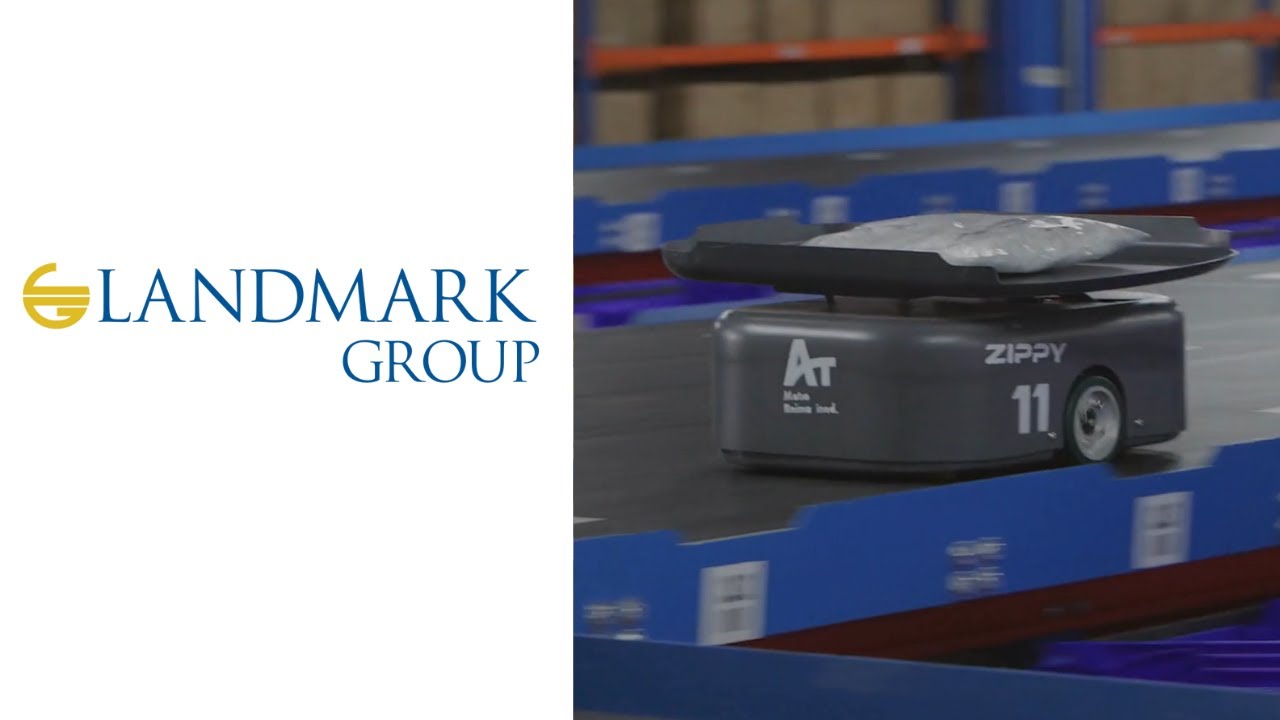
Landmark Group Kuwait Fulfillment Center
Landmark Group partnered with Addverb to modernize its Kuwait fulfillment center with robotic sorters and carton shuttles, achieving up to 1,000 sorts per hour for enhanced e-commerce operations.

Addverb 3PL Omnichannel Fulfillment Center
Addverb transformed a 330,000 sq. ft. 3PL facility with integrated fixed and flexible automation, enabling seamless B2B and B2C operations and a dispatch of 100,000 pieces daily.
Dongfeng Motor R&D Center Smart Logistics Warehouse
A compact 470㎡ intelligent warehouse with 15-level high-density storage supporting 10,000+ SKUs for automotive R&D supply chain optimization.
Related Knowledge
Transport
Transport is the warehouse process of moving materials, products, and equipment between locations within the facility to support receiving, storage, picking, and shipping operations.
AMR Sortation
AMR sortation systems use autonomous mobile robots to transport and sort items, providing flexible, scalable alternatives to traditional conveyor-based sortation infrastructure.
Vendor
AddverbRelated Technologies
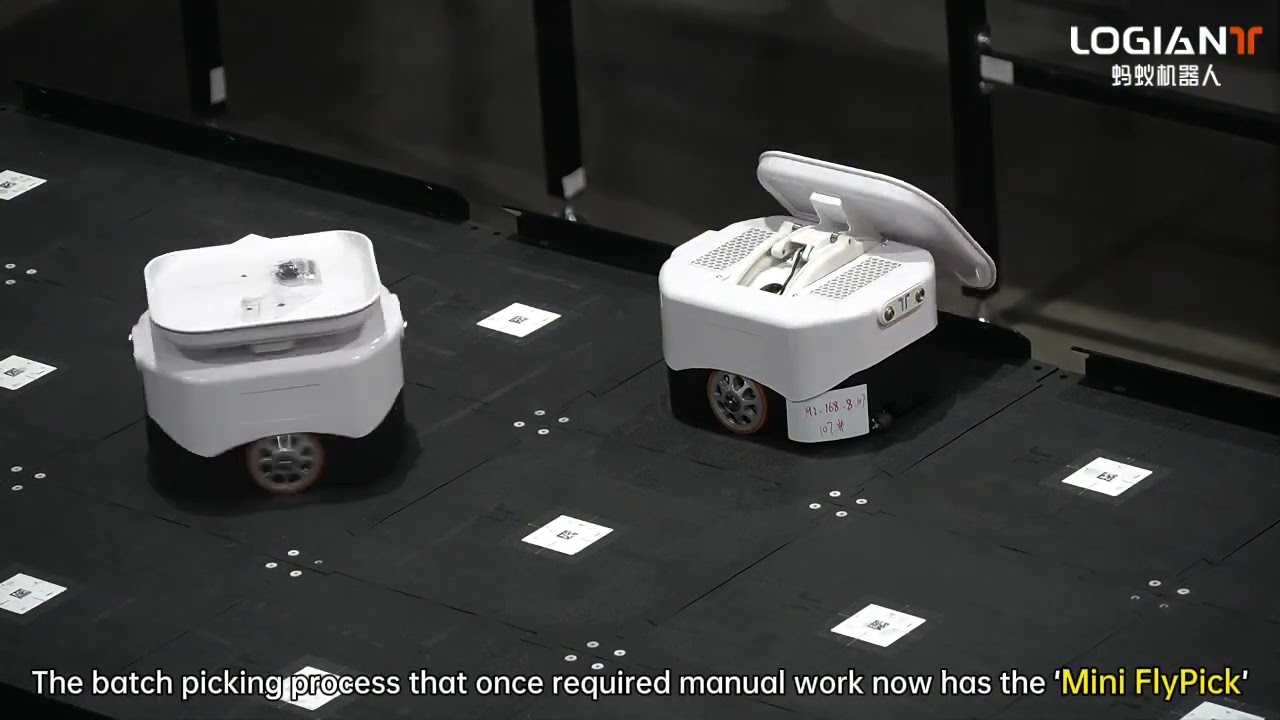
Mini FlyPick Robot: Compact High-Speed Sorting AMR
Others
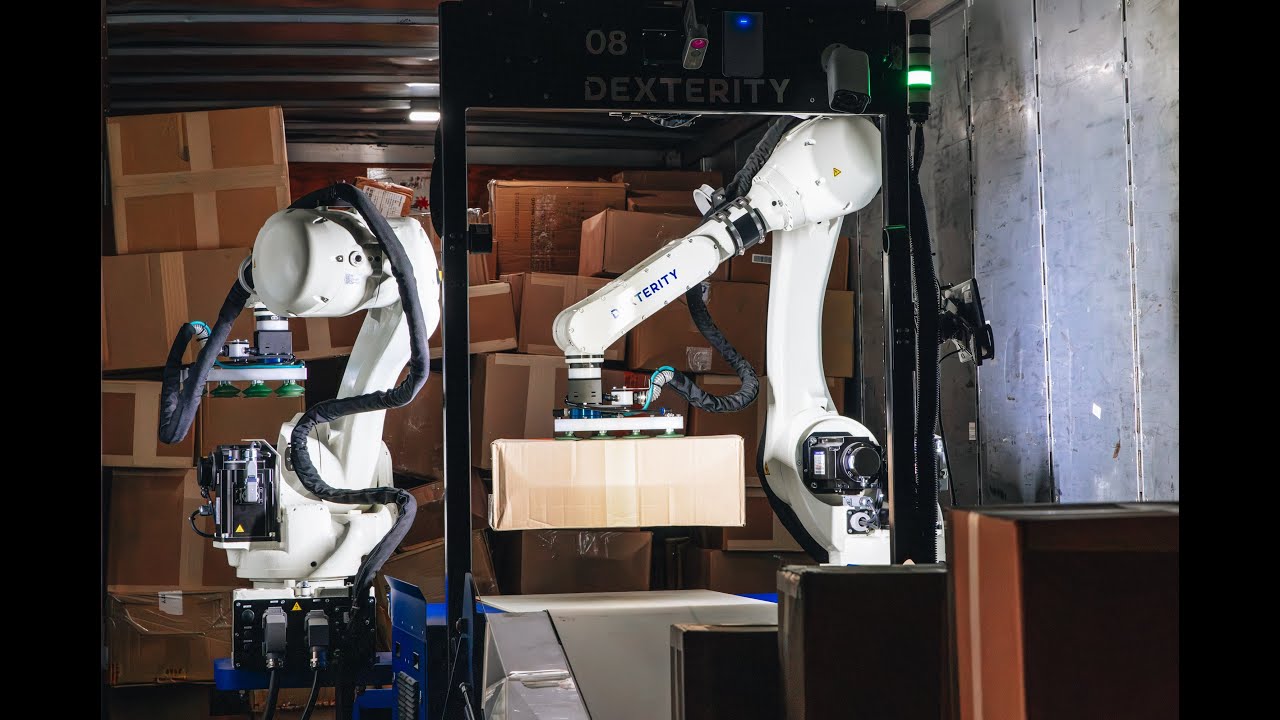
AI-Powered Robotic Truck Loading System
Others

TiltSort-Bot: Autonomous Mobile Robot (AMR) for Sortation
Conveyco