Robotic Palletizing Systems for Diverse Packaging
Quick Facts
Technology Performance Metrics
⭐Key Features
Benefits
Applications
Detailed Information
Technology Overview
NūMove's robotic palletizing systems are designed to provide versatile automation for end-of-line packaging across multiple industries, with a particular noted expertise in the food and beverage sector. These systems are engineered to handle an exceptionally wide array of packaging containers, moving beyond standard closed cases to include specialized formats like open-top cases (commonly used for bottled beverages), trays (both wrapped and unwrapped), totes, and even bags. This flexibility is combined with the ability to configure the palletizing system—including layout, speed, and pallet handling—to match the specific product mix, throughput requirements, and facility constraints of each customer. The technology addresses the need for automation that can adapt to diverse and sometimes delicate products, such as glass bottles in open cases.
How It Works
Core Principles
The core principle is the use of industrial robotic arms equipped with specialized or adaptive end-of-arm tooling (EOAT) to pick and place various packaging types onto pallets. For layer palletizing, the system can handle pre-formed layers of items (like bottles in an open-top case) or build layers from individual items. The configuration of the robot's work cell, infeed conveyors, and pallet handling is customized based on the application.
Key Features & Capabilities
Broad Packaging Compatibility: This is the system's standout feature. The ability to handle closed cases, open-top cases, trays, totes, and bags with a single provider's technology offers significant simplification for facilities with mixed packaging lines.
Open-Top Case Palletizing Expertise: A specific highlighted capability is the gentle and precise palletizing of layers of open-top cases containing beverage glass bottles (wine, beer). This requires tooling that can securely grip the case without damaging the exposed bottles.
Fully Configurable Systems: The palletizing solution is not a one-size-fits-all product. NūMove designs systems that can be configured in "multiple" ways to suit the number of product lines, the desired palletizing rate, and the specific pallet sizes and formats used by the customer.
Advantages & Benefits
The primary advantage is operational flexibility and future-proofing. A single automation partner can provide solutions for vastly different packaging needs, protecting investments against product or packaging changes. Reduced complexity is achieved by dealing with one integrator for diverse palletizing challenges. The configurable nature ensures the system is optimally sized and laid out for the customer's specific space and throughput, avoiding over- or under-automation. For beverage producers, the specialized handling of open-top cases improves efficiency and reduces risk of damage compared to manual handling.
Implementation Considerations
Success requires a detailed analysis of all packaging types, dimensions, weights, and required throughputs to design the correct system configuration and select the appropriate robotic tooling. Integrating multiple infeed lines into a single cell requires careful layout planning. The gentle handling required for open-top cases with bottles necessitates precise engineering of the vacuum or gripping system.
Use Cases & Applications
Ideal For
This technology is ideal for food and beverage manufacturers, consumer packaged goods companies, and third-party logistics providers that deal with a variety of packaging formats and require a flexible, automated palletizing solution.
Conclusion
NūMove's robotic palletizing systems offer a highly adaptable and comprehensive approach to end-of-line automation. Their strength lies in not being limited to a single packaging type, making them a valuable partner for operations with diverse or evolving packaging needs. The specific expertise in handling delicate items like beverage bottles in open cases demonstrates a depth of application knowledge. For companies looking to automate palletizing across multiple lines or with complex packaging mixes, this configurable and flexible technology provides a path to significant efficiency gains, reduced labor costs, and improved handling quality. The key to success is a collaborative design process to tailor the system precisely to the operational requirements.
Related Knowledge
Robotic Case Picking
Advanced robotic case picking systems that combine industrial robotics with intelligent vision systems to automate the handling of full cases and cartons, delivering exceptional speed, precision, and reliability in high-volume distribution operations.
Robotic Piece Picking
Advanced robotic systems that use AI and computer vision to automatically select and pick individual items from diverse inventory, revolutionizing warehouse fulfillment operations with human-like dexterity and intelligence.
Voice Picking Systems
Voice picking systems revolutionize warehouse operations by enabling hands-free, eyes-free order fulfillment through speech recognition technology. Workers receive spoken instructions through wireless headsets and confirm actions verbally, dramatically improving productivity, accuracy, and safety while reducing training time.
Vendor
OthersRelated Technologies
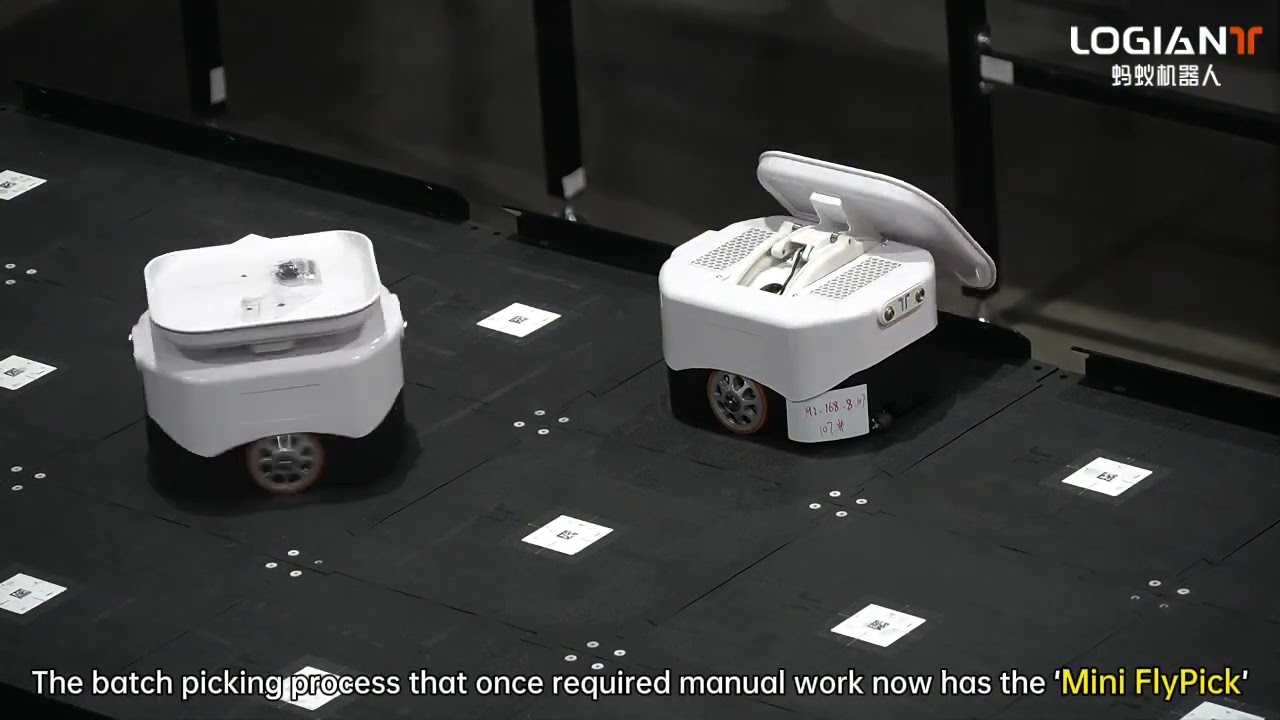
Mini FlyPick Robot: Compact High-Speed Sorting AMR
Others

Split Tray (Bomb Bay) Sorter Compilation: Versatile High-Speed Sortation
Others
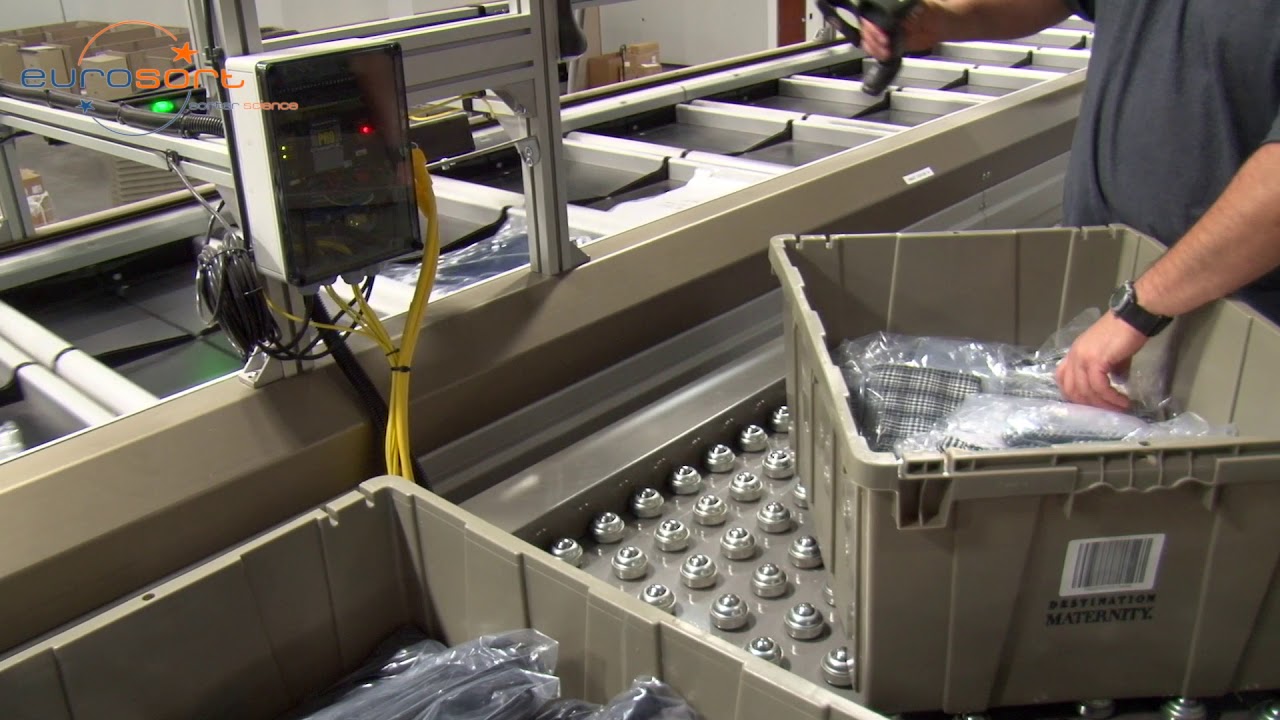
Patented Dual Split Tray (Bomb Bay) Sorter with Batch Induction
Others