Putwall Systems: Technology for Multi-Zone Order Consolidation
Quick Facts
Technology Performance Metrics
⭐Key Features
Benefits
Applications
Detailed Information
Technology Overview
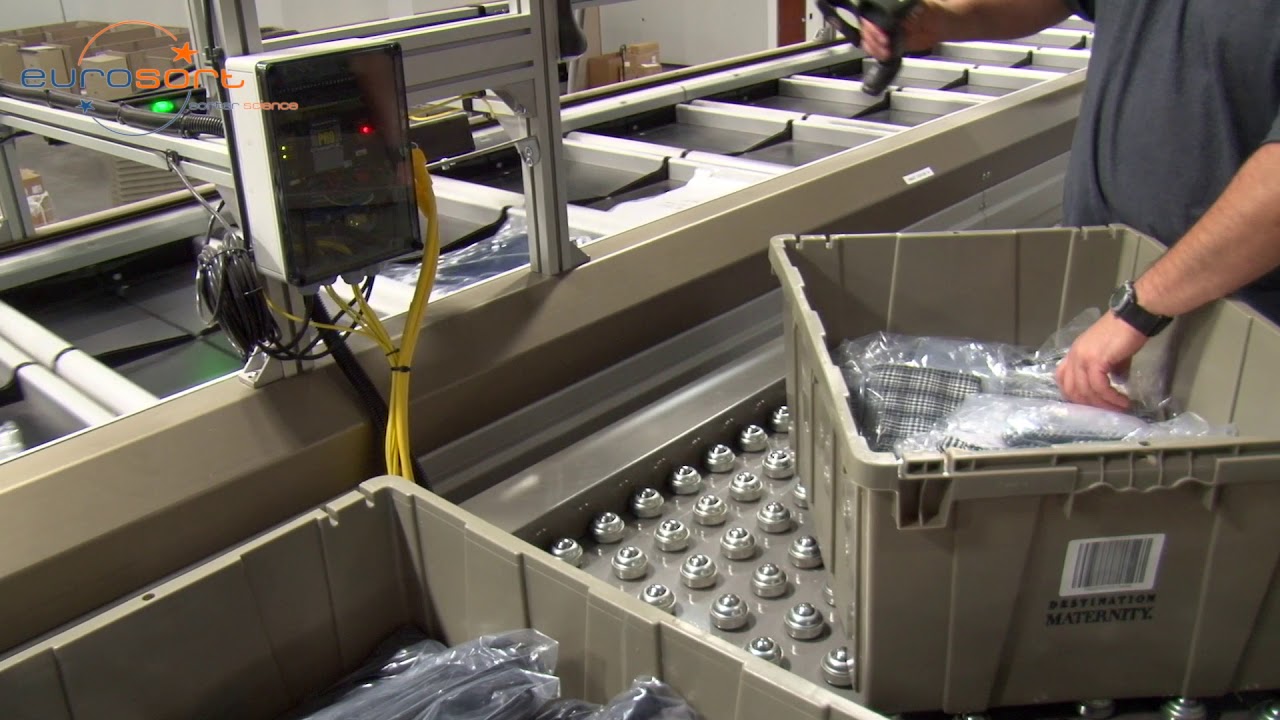
Putwall systems are a pivotal technology in modern warehouse automation, specifically designed for the order consolidation phase of fulfillment. They serve as a central hub where items sourced from various specialized picking zones converge to be assembled into complete customer orders. This approach decouples the picking process from the final order assembly, allowing each upstream zone to operate at peak efficiency using the most appropriate technology (e.g., pick-to-light, voice, robotics). The putwall itself acts as a dynamic sorting buffer and visual management tool, orchestrating the final steps before an order is packed and shipped, making it ideal for operations with complex SKU mixes and high order volumes.
How It Works
Core Principles
The core principle is the physical and logical separation of picking and order consolidation. The system uses a wall structure as a shared buffer where picked items are inducted and sorted into their final destination orders based on real-time system instructions, enabling parallel processing and error reduction.
Key Features & Capabilities
The multi-zone order consolidation capability is fundamental, allowing warehouses to specialize their picking areas without complicating the final assembly. The bi-directional guidance system—using lights/voice on the induction side and lights on the extraction side—creates an intuitive, error-proof workflow for two different operator roles. The system functions as a dynamic order buffer, holding partially complete orders until all items arrive, which smooths out workflow imbalances between different picking zones. Its design supports continuous operation, enabling a high-throughput, assembly-line style process for order fulfillment.
Advantages & Benefits
A key advantage is operational flexibility and optimization, as it allows the use of different picking technologies (e.g., goods-to-person for small items, cart picking for cases) in different zones, all feeding into a single, unified consolidation point. This leads to maximized overall picking efficiency. The putwall dramatically improves order accuracy by providing unambiguous, system-directed put instructions, virtually eliminating order mixing errors. It also increases throughput by enabling parallel work—picking continues in zones while consolidation and packing happen simultaneously at the wall. The visual management aspect simplifies workflow management for supervisors.
Implementation Considerations
Successful implementation requires careful design of upstream picking zones and material flow to ensure a steady, balanced supply of items to the putwall station. The size and configuration of the putwall (number of cells) must be sized to match order volume and profile to avoid bottlenecks. Integration with Warehouse Execution Software (WES) is critical for real-time order tracking, cell assignment, and light control. Physical layout must provide adequate space for operators on both sides of the wall and for replenishment of empty totes/cubbies.
Use Cases & Applications
Ideal For
This system is ideal for medium to high-volume fulfillment operations that process a high number of multi-item orders, especially those already using or planning to use zone picking strategies.
Conclusion
Putwall systems offer a highly effective and scalable solution for the complex challenge of assembling multi-item orders in modern fulfillment centers. By creating a clear, system-directed interface between picking and packing, they bring structure, accuracy, and speed to the consolidation process. For operations growing in volume and complexity, implementing a putwall can be a strategic step to improve accuracy, leverage zone picking efficiencies, and create a more streamlined and manageable path from pick to ship, ultimately enhancing customer satisfaction and operational control.
Related Knowledge
Robotic Case Picking
Advanced robotic case picking systems that combine industrial robotics with intelligent vision systems to automate the handling of full cases and cartons, delivering exceptional speed, precision, and reliability in high-volume distribution operations.
Robotic Piece Picking
Advanced robotic systems that use AI and computer vision to automatically select and pick individual items from diverse inventory, revolutionizing warehouse fulfillment operations with human-like dexterity and intelligence.
Voice Picking Systems
Voice picking systems revolutionize warehouse operations by enabling hands-free, eyes-free order fulfillment through speech recognition technology. Workers receive spoken instructions through wireless headsets and confirm actions verbally, dramatically improving productivity, accuracy, and safety while reducing training time.
Vendor
OthersRelated Technologies
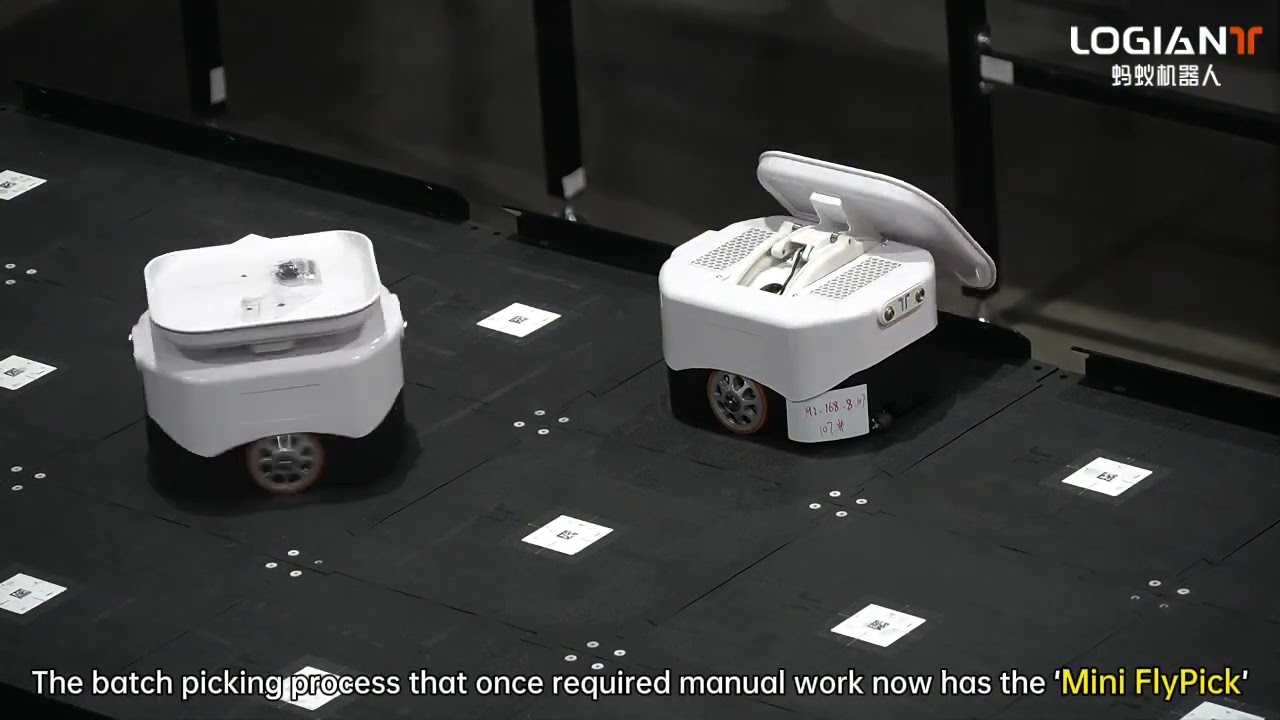
Mini FlyPick Robot: Compact High-Speed Sorting AMR
Others

Split Tray (Bomb Bay) Sorter Compilation: Versatile High-Speed Sortation
Others
Patented Dual Split Tray (Bomb Bay) Sorter with Batch Induction
Others