Putwall Order Fulfillment System: Order Consolidation Buffer
Quick Facts
Technology Performance Metrics
⭐Key Features
Benefits
Applications
Detailed Information
Technology Overview
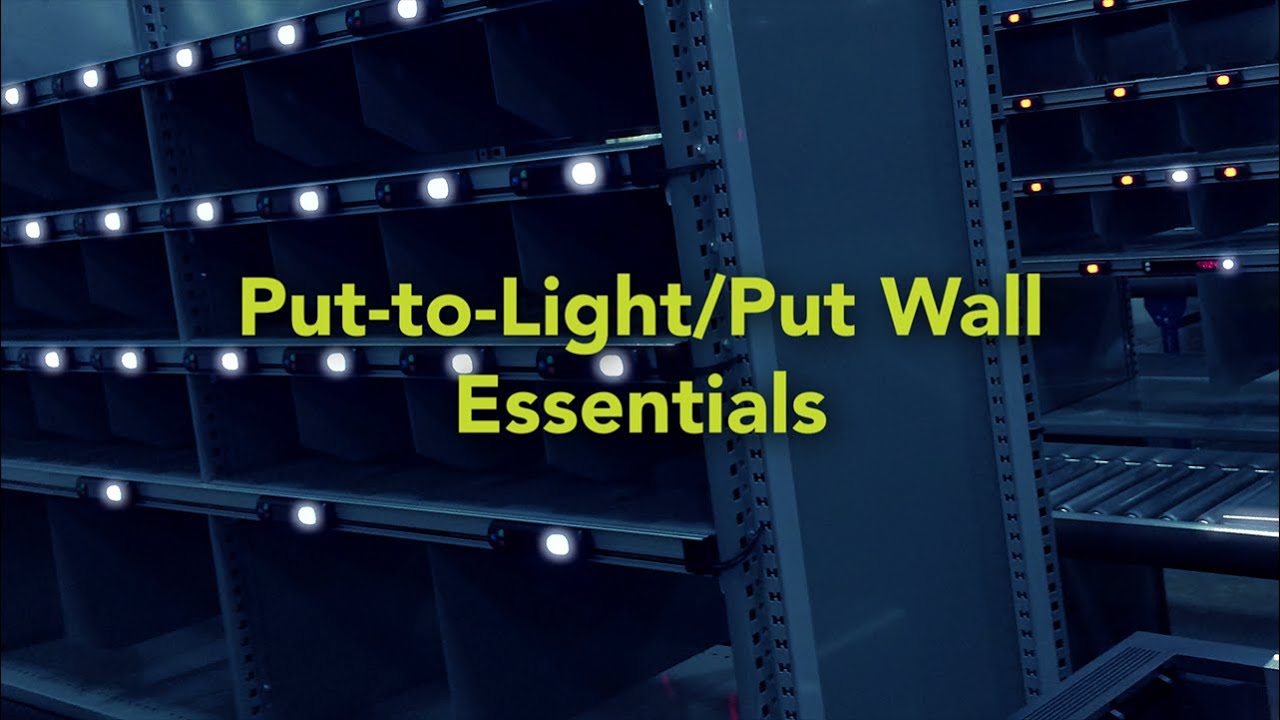
The putwall order fulfillment system is a technology designed to streamline the critical process of assembling complete customer orders from items picked in separate zones. It addresses the common challenge in modern warehouses where efficiency gains from zone-based picking create a downstream bottleneck in order consolidation. The putwall itself serves as a physical and logical buffer—a dynamic work-in-progress area managed by software. By providing real-time, light-directed instructions and tracking order completion, it transforms a potentially chaotic manual sorting task into a systematic, efficient, and accurate assembly line for orders.
How It Works
Core Principles
The core principle is using a software-managed physical buffer wall to manually sort and consolidate batch-picked items into discrete customer orders, with the system providing step-by-step guidance and tracking progress to completion.
Key Features & Capabilities
The software-driven cubbie assignment and light guidance is the central feature, ensuring each item is placed in the correct order location without manual look-up or decision-making. The system enables continuous, batched tasking for the putting operator, who is automatically given the next assignment upon completion of the current one, maximizing productivity. The dual-sided operation with separate roles (putting vs. picking/packing) clearly divides labor and optimizes each specialized task. The putwall's fundamental role as a buffer between picking zones allows upstream picking to continue at high speed without waiting for downstream packing to catch up.
Advantages & Benefits
The primary benefit is the creation of an efficient and accurate order consolidation process that can keep pace with high-productivity zone picking. This eliminates bottlenecks and prevents the pile-up of partially complete orders. The system drastically reduces errors by providing unambiguous visual instructions and requiring confirmation for each action. It increases overall throughput by enabling parallel work—consolidation happens at the wall while picking continues in the zones and packing happens on the other side. The process also improves labor utilization by simplifying tasks and reducing walking and search time.
Implementation Considerations
Implementing this system effectively requires robust software capable of real-time order management, cubbie status tracking, and directing the light matrix. The design of upstream processes must ensure a consistent and logical flow of partial orders to the putwall station. Physical space planning is crucial to accommodate the wall itself and provide efficient work areas for operators on both sides, including staging for incoming totes and outgoing cartons. The number of cubbies must be sized appropriately for the order volume and average order assembly time to avoid congestion.
Use Cases & Applications
Ideal For
This system is ideal for fulfillment centers, distribution hubs, and 3PLs that employ zone or batch picking and have a high volume of multi-item orders that need to be assembled before shipping.
Conclusion
The putwall order fulfillment system is a proven and effective solution for mastering the complexity of modern order assembly. By combining simple hardware with intelligent software, it brings clarity, speed, and accuracy to a process that is often a major pain point in warehouses. For operations struggling to efficiently merge items from multiple picking areas, implementing a putwall system can deliver immediate improvements in throughput, accuracy, and operational smoothness, providing a solid foundation for scalable growth.
Related Knowledge
Robotic Case Picking
Advanced robotic case picking systems that combine industrial robotics with intelligent vision systems to automate the handling of full cases and cartons, delivering exceptional speed, precision, and reliability in high-volume distribution operations.
Robotic Piece Picking
Advanced robotic systems that use AI and computer vision to automatically select and pick individual items from diverse inventory, revolutionizing warehouse fulfillment operations with human-like dexterity and intelligence.
Voice Picking Systems
Voice picking systems revolutionize warehouse operations by enabling hands-free, eyes-free order fulfillment through speech recognition technology. Workers receive spoken instructions through wireless headsets and confirm actions verbally, dramatically improving productivity, accuracy, and safety while reducing training time.
Vendor
ConveycoRelated Technologies
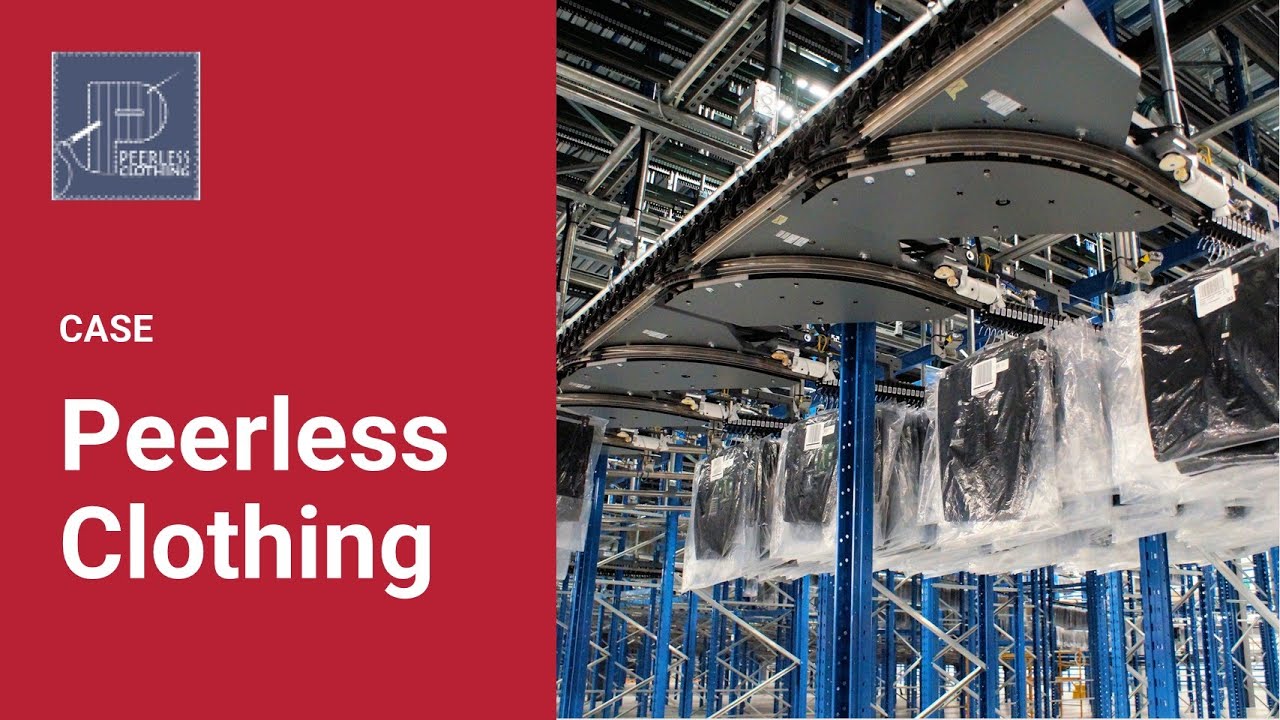
Peerless Clothing USA Apparel Distribution Warehouse
Element Logic
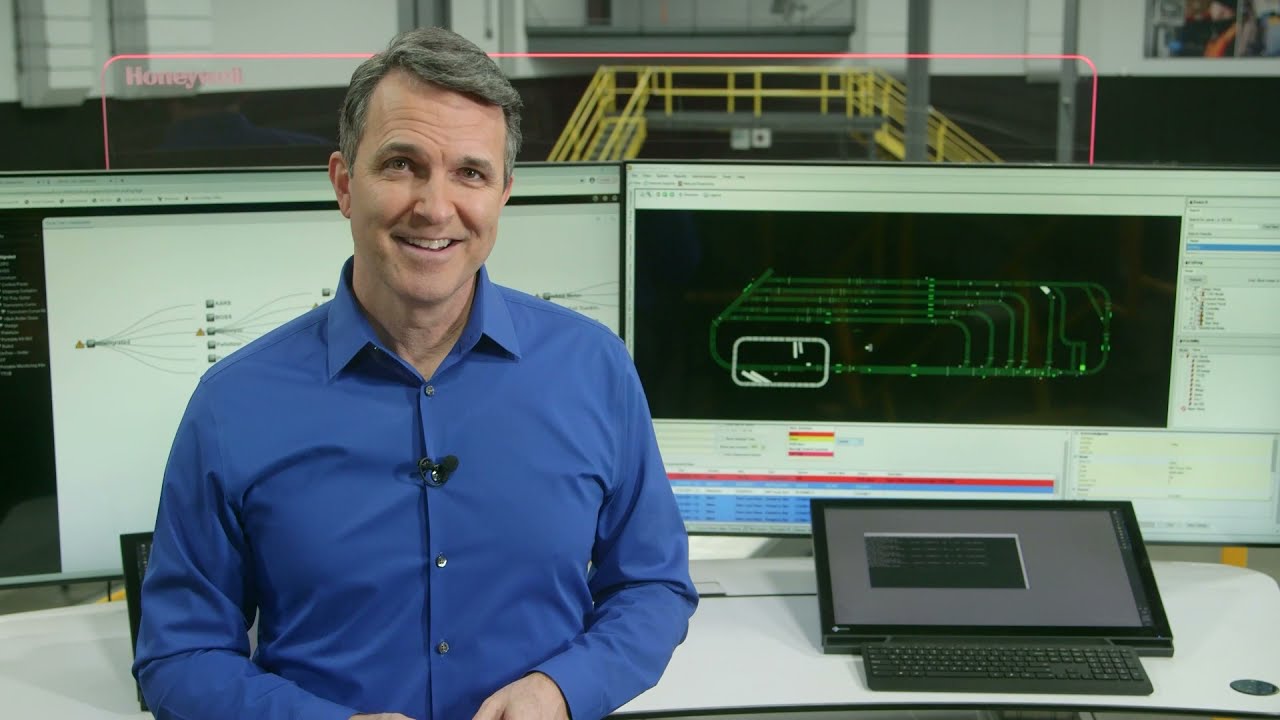
Momentum WES: Next-Generation Warehouse Execution and Control
Honeywell Intelligrated
LP Put Wall System (Put-to-Light): Order Consolidation and Sortation
Matthews Automation Solutions