Pick-to-Light Systems: Accuracy and Efficiency for Manufacturing
Quick Facts
Technology Performance Metrics
⭐Key Features
Benefits
Applications
Detailed Information
Technology Overview
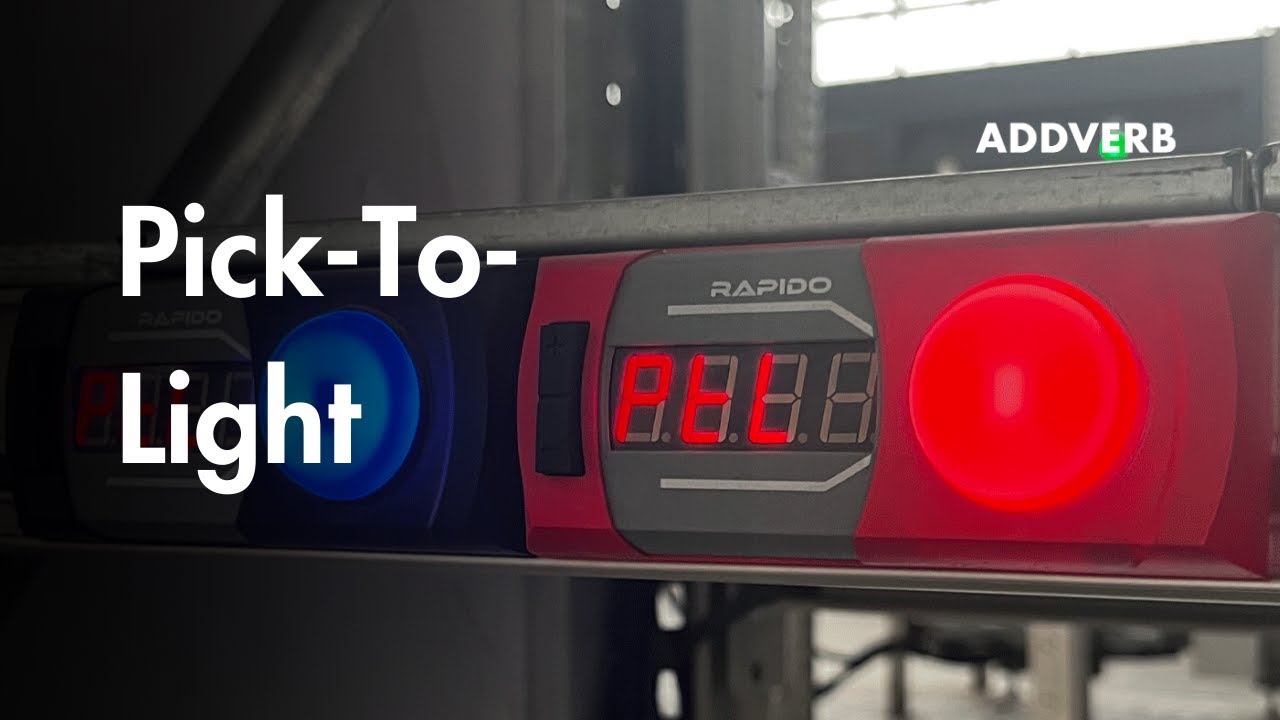
Pick-to-Light systems from Banner Engineering are light-directed solutions designed to enhance manual processes in industrial automation, manufacturing, and order fulfillment. They address the inherent challenges of manual picking and assembly, which are often prone to being slow and error-prone. By providing clear, intuitive visual cues and instant verification feedback, these systems transform complex search-and-pick tasks into simple, guided actions. This technology is versatile, supporting applications from discrete part picking on assembly lines to large-scale e-commerce fulfillment, with the overarching goal of improving quality, speed, and cost-efficiency.
How It Works
Core Principles
The core principle is visual guidance with closed-loop verification. The system uses light to direct the worker to the exact location and uses integrated sensors or buttons to confirm the action, creating an error-proofing loop that prevents mistakes from moving downstream.
Key Features & Capabilities
The visual guidance with verification is the foundational feature, combining clear indication with a mistake-proofing step. The availability of wireless pick-to-light options provides significant flexibility, allowing systems to be deployed on mobile carts or in areas without fixed wiring, enabling agile responses to "calls-for-parts." The dual functionality as pick-to-light and put-to-light with the same hardware maximizes the utility of the investment. Advanced features like programmable secondary buttons add operational intelligence, such as allowing workers to signal low inventory directly from the station, preventing stock-outs.
Advantages & Benefits
The primary benefit is a significant reduction in human error, which directly translates to higher product quality, fewer defects, and less rework. This leads to substantial cost savings in waste and correction. The system dramatically increases picking speed and efficiency by eliminating time spent searching and reading instructions, allowing workers to "pick faster and more accurately." This efficiency gain improves throughput and can reduce labor costs per unit. Furthermore, it enhances customer satisfaction and brand reputation in fulfillment applications by ensuring order accuracy and faster shipment times.
Implementation Considerations
Implementation requires an analysis of the specific application—whether it's assembly, kitting, or order fulfillment—to design an optimal workflow. The choice between wired and wireless solutions must consider factors like facility layout, need for mobility, and installation constraints. Integration with existing production or warehouse management software is necessary for task assignment and data exchange. While scalable, the system design must match the deployment scale, from a single kitting station to a vast network of pick faces across a distribution center.
Use Cases & Applications
Ideal For
This technology is ideal for any manufacturing or logistics environment where manual picking, assembly, or restocking is a critical and error-sensitive part of the process.
Conclusion
Pick-to-Light systems from Banner Engineering offer a proven, cost-effective method to bridge the gap between fully manual and highly automated processes. By providing simple, error-proof guidance, they deliver immediate improvements in accuracy, speed, and operational cost. For companies in manufacturing and distribution looking to boost quality, satisfy customers, and improve their bottom line without a massive capital investment in robotics, implementing a tailored Pick-to-Light solution is a strategic and highly effective step toward smarter, more efficient operations.
Related Knowledge
Robotic Case Picking
Advanced robotic case picking systems that combine industrial robotics with intelligent vision systems to automate the handling of full cases and cartons, delivering exceptional speed, precision, and reliability in high-volume distribution operations.
Robotic Piece Picking
Advanced robotic systems that use AI and computer vision to automatically select and pick individual items from diverse inventory, revolutionizing warehouse fulfillment operations with human-like dexterity and intelligence.
Voice Picking Systems
Voice picking systems revolutionize warehouse operations by enabling hands-free, eyes-free order fulfillment through speech recognition technology. Workers receive spoken instructions through wireless headsets and confirm actions verbally, dramatically improving productivity, accuracy, and safety while reducing training time.
Vendor
Banner EngineeringRelated Technologies
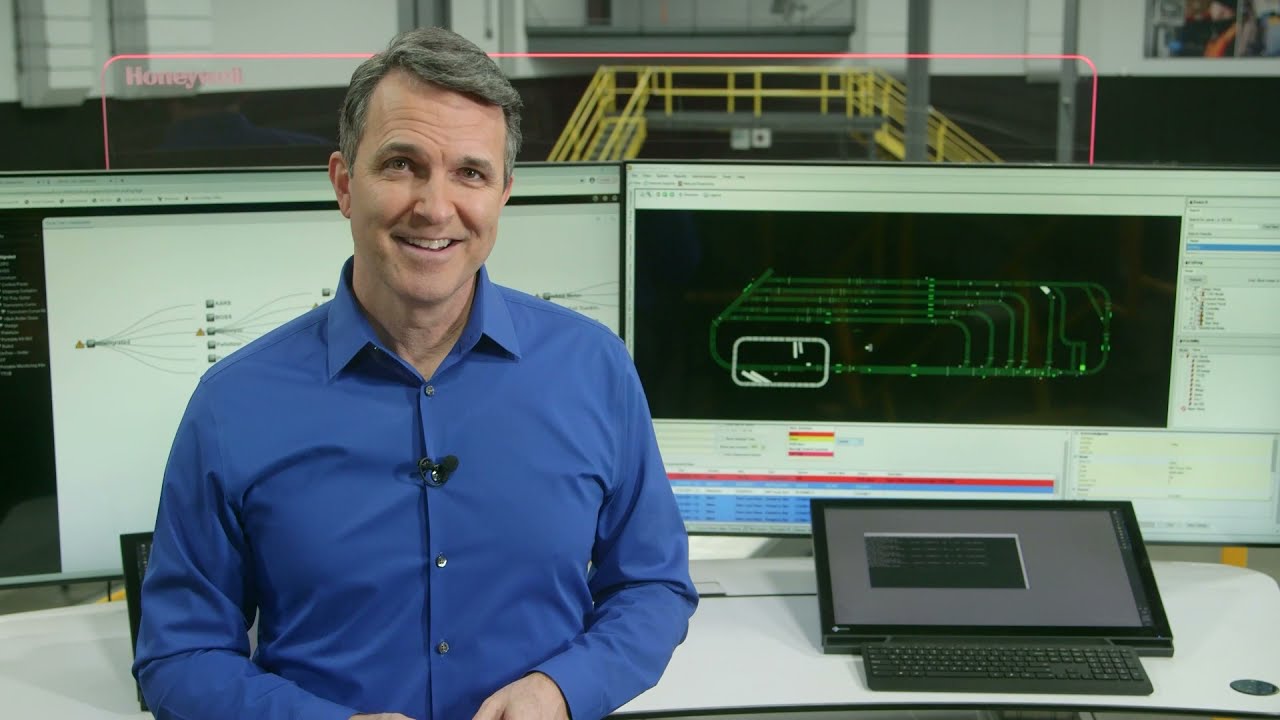
Momentum WES: Next-Generation Warehouse Execution and Control
Honeywell Intelligrated

Pick2Pallet: Integrated Pick-to-Light System for Pallet Jacks
The Raymond Corporation
Rapido Pick to Light System: Paperless Warehouse Picking
Addverb