PalLinear: High-Speed Inline Layer Palletizer
Quick Facts
Technology Performance Metrics
⭐Key Features
Benefits
Applications
Detailed Information
Technology Overview
The PalLinear is a high-speed, inline palletizing platform designed for maximum throughput and space efficiency in layer-based palletizing applications. Its defining characteristic is an "inline arrangement with the product fed from above," meaning products are conveyed into the machine at an elevated height and then lowered or placed directly onto the forming layer. This high-level infeed, combined with a mobile pallet carrier that moves beneath it, creates a compact footprint that makes optimal use of valuable floor space. The system is engineered to handle a broad range of secondary packaging, from standard cases and trays to more specialized formats like shrink-wrapped bundles (with or without stabilizing pads) and hi-cone/mid-cone multipacks, making it suitable for diverse industries like beverage and food production.
How It Works
Core Principles
The core principle is continuous, inline layer formation with gravity-assisted or controlled placement from a high level. Products enter the machine at an elevated point (the "high-level infeed") and are directed onto a layer-forming platform. Once a complete layer is assembled, it is transferred onto a pallet that is positioned on a mobile carrier below. The inline design suggests a straight-through product flow, contributing to high-speed operation.
Key Features & Capabilities
High-Speed Inline Operation: The combination of inline product flow and high-level feeding enables a very fast cycle time, achieving a rate of 10 complete layers per minute. This is a key performance metric for high-volume lines.
Space-Optimized Design: The use of high-level infeed and a mobile pallet carrier (as opposed to a stationary pallet lift) allows the machine to have a smaller footprint relative to its throughput, freeing up valuable production floor space.
Broad Product Compatibility: The system is designed to handle not just uniform cases, but also trays, shrink-wrapped bundles (with or without corrugated pads underneath), and plastic ring carrier multipacks (hi-cones/mid-cones for cans or bottles). This flexibility is valuable for production lines with multiple packaging formats.
Advantages & Benefits
The primary advantage is exceptional throughput in a compact footprint, enabling high production lines to meet output goals without consuming excessive floor space. The versatility in handling different packaging types reduces the need for multiple dedicated palletizers, simplifying the end-of-line layout. Automation and high speed lead to significant labor savings and consistent pallet quality.
Implementation Considerations
The high-level infeed requires sufficient ceiling clearance and may necessitate elevating the entire upstream packaging line or using lifts to feed product into the palletizer. The high speed of 10 layers per minute demands a reliably consistent and fast supply of product from upstream equipment. The system is best suited for applications where products can be reliably formed into stable layers at high speed; highly irregular or extremely fragile items may require evaluation.
Use Cases & Applications
Ideal For
The PalLinear is ideal for high-speed beverage canning/bottling lines, food processing plants, and consumer goods manufacturers where space is at a premium and production output requires fast, reliable palletizing of layered products.
Conclusion
The PalLinear high-speed inline palletizer represents an efficient and space-conscious solution for high-volume layer palletizing. Its innovative design of feeding product from above onto a mobile pallet carrier allows it to achieve impressive speeds while minimizing its footprint. The ability to handle a variety of common packaging formats adds to its versatility. For production facilities looking to maximize their output per square foot of floor space and automate a high-speed palletizing process, the PalLinear offers a compelling combination of speed, efficiency, and flexibility. Successful implementation requires careful integration with upstream processes to ensure a consistent product flow that matches the machine's rapid pace.
Related Knowledge
Robotic Case Picking
Advanced robotic case picking systems that combine industrial robotics with intelligent vision systems to automate the handling of full cases and cartons, delivering exceptional speed, precision, and reliability in high-volume distribution operations.
Robotic Piece Picking
Advanced robotic systems that use AI and computer vision to automatically select and pick individual items from diverse inventory, revolutionizing warehouse fulfillment operations with human-like dexterity and intelligence.
Voice Picking Systems
Voice picking systems revolutionize warehouse operations by enabling hands-free, eyes-free order fulfillment through speech recognition technology. Workers receive spoken instructions through wireless headsets and confirm actions verbally, dramatically improving productivity, accuracy, and safety while reducing training time.
Vendor
OthersRelated Technologies
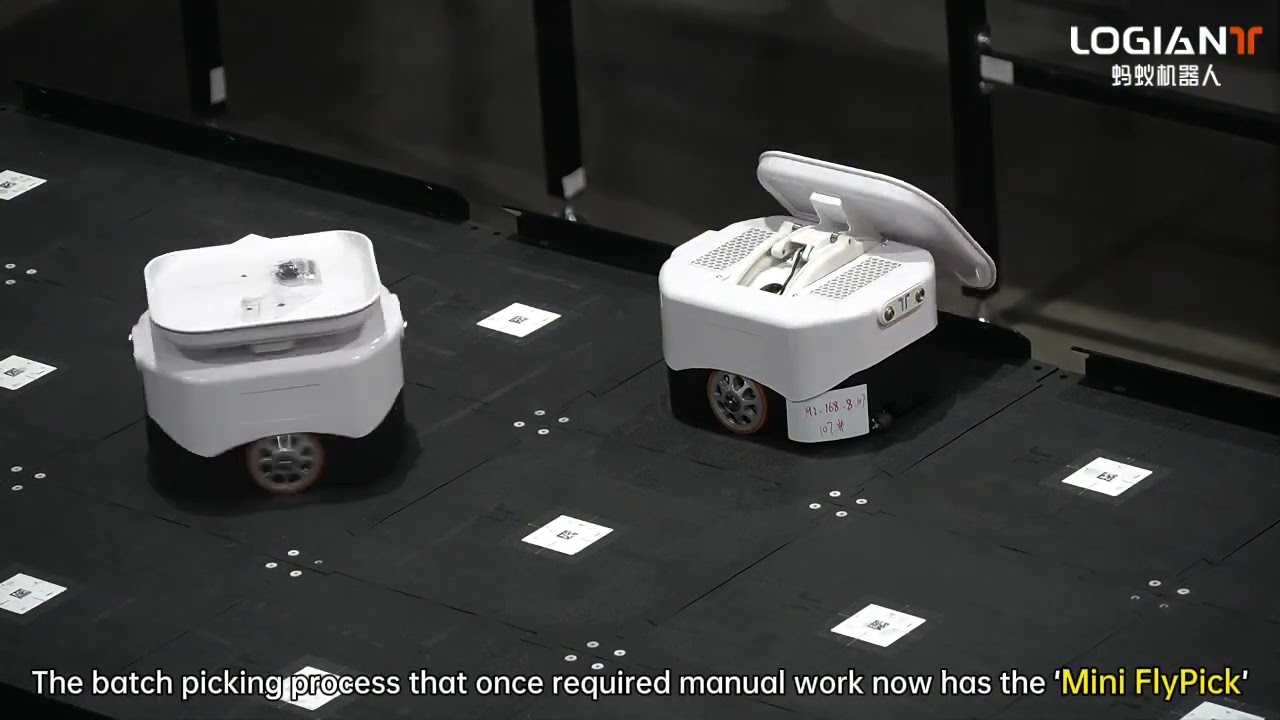
Mini FlyPick Robot: Compact High-Speed Sorting AMR
Others

Split Tray (Bomb Bay) Sorter Compilation: Versatile High-Speed Sortation
Others
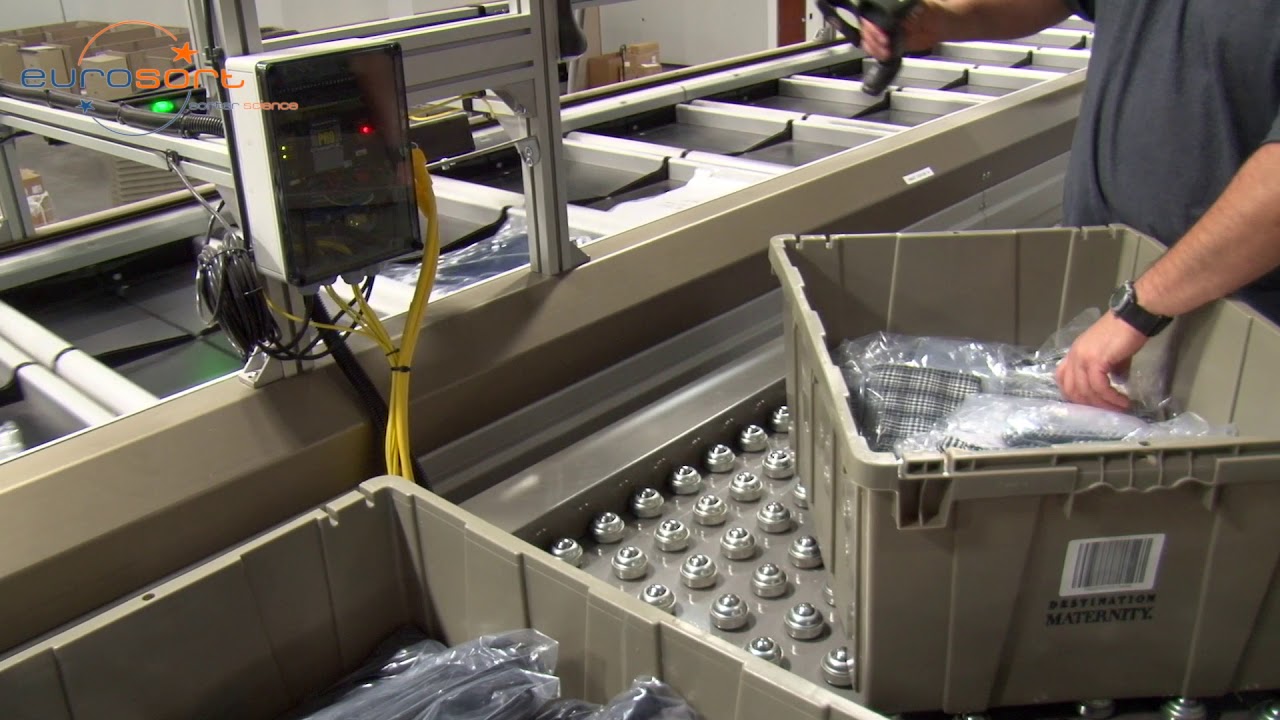
Patented Dual Split Tray (Bomb Bay) Sorter with Batch Induction
Others