PalletizHD: High-Payload Collaborative Robot Palletizer
Quick Facts
Technology Performance Metrics
⭐Key Features
Benefits
Applications
Detailed Information
Technology Overview
The PalletizHD is a robotic palletizing system specifically engineered for applications requiring the handling of heavier products. It represents a fusion of collaborative robot (cobot) technology with specialized palletizing hardware. Unlike traditional industrial robots that often operate behind safety cages, collaborative robots are designed to work alongside human operators with reduced safety barriers. The PalletizHD leverages a cobot with a significant 20 kg payload capacity, making it suitable for palletizing cases, bags, or bundles that are too heavy for standard lower-payload cobots. This system is presented as a versatile and integrated solution to automate the end-of-line process in various manufacturing and distribution settings.
How It Works
Core Principles
The core principle is to use a high-payload collaborative robotic arm as the primary manipulation tool within a pre-engineered palletizing work cell. The cobot is mounted on a specialized base that is likely optimized for the reach and movements required in palletizing tasks. The system is designed to be programmed for specific pick-and-place patterns to build stable pallet loads.
Key Features & Capabilities
High-Payload Collaborative Robot: The defining feature is the use of a cobot with a 20 kg payload. This bridges the gap between light-duty cobots and traditional heavy-duty industrial robots, offering a blend of safety, ease of use, and sufficient strength for many palletizing applications.
Integrated Palletizing Base: The system includes a custom base designed specifically for palletizing. This base likely optimizes the robot's footprint, provides a sturdy mounting point, and may house necessary controllers, simplifying installation and setup compared to building a cell from individual components.
Versatility for End-of-Line Needs: The system is marketed as versatile, suggesting it can be adapted to handle different product types and pallet patterns through re-programming and potentially interchangeable tooling, making it a flexible investment.
Advantages & Benefits
The primary advantage is increased safety and flexibility due to the collaborative nature of the robot, which can reduce the need for extensive safety fencing and allow for easier human-robot interaction. Easier implementation and deployment is another benefit, as the system comes as an integrated package (cobot + base) designed for palletizing, potentially reducing engineering and integration time. The 20 kg payload expands the range of products that can be automated with a cobot solution, bringing automation to heavier items that previously required more expensive and rigid industrial robots.
Implementation Considerations
While collaborative robots simplify safety setup, a full risk assessment is still required to ensure safe operation, especially given the 20 kg moving payload. The system's effectiveness depends on selecting the appropriate end effector for the product type. For very high-speed applications, the cycle time of a cobot may be a limiting factor compared to traditional industrial robots. The total solution cost, including necessary peripherals (conveyors, pallet dispensers), must be considered.
Use Cases & Applications
Ideal For
The PalletizHD is ideal for small to medium-sized manufacturing facilities, food and beverage producers, or chemical plants that need to automate the palletizing of medium-weight bags, cases, or pails but have space constraints or desire the flexibility of a collaborative workspace.
Conclusion
The PalletizHD presents a compelling option for businesses looking to automate palletizing tasks that fall within a medium payload range. By combining the user-friendly and safe characteristics of a collaborative robot with a payload sufficient for many industrial items, it lowers the barrier to entry for robotic palletizing. Its integrated design promises simpler deployment. However, potential users must carefully evaluate their required cycle times and the total cost of the complete work cell (robot + base + tooling + peripherals) against their operational needs and budget. For the right application, it offers a flexible and modern path to end-of-line automation.
Related Knowledge
Robotic Case Picking
Advanced robotic case picking systems that combine industrial robotics with intelligent vision systems to automate the handling of full cases and cartons, delivering exceptional speed, precision, and reliability in high-volume distribution operations.
Robotic Piece Picking
Advanced robotic systems that use AI and computer vision to automatically select and pick individual items from diverse inventory, revolutionizing warehouse fulfillment operations with human-like dexterity and intelligence.
Voice Picking Systems
Voice picking systems revolutionize warehouse operations by enabling hands-free, eyes-free order fulfillment through speech recognition technology. Workers receive spoken instructions through wireless headsets and confirm actions verbally, dramatically improving productivity, accuracy, and safety while reducing training time.
Vendor
OthersRelated Technologies
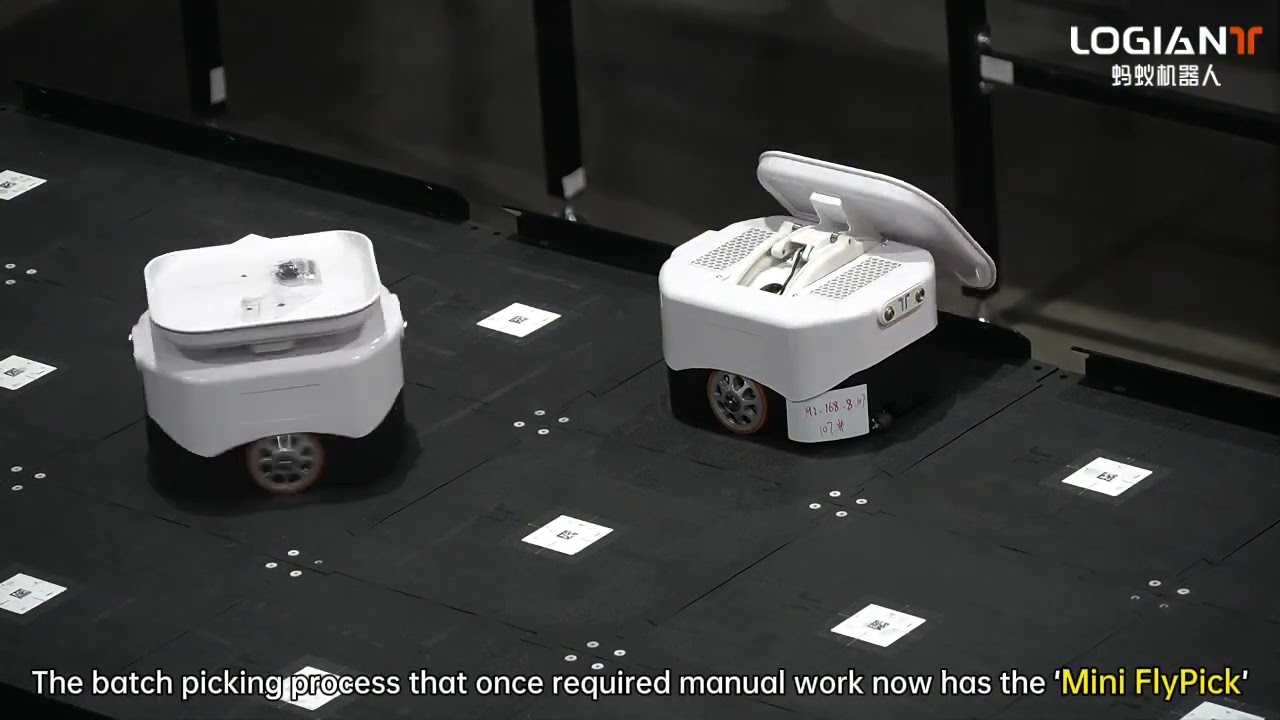
Mini FlyPick Robot: Compact High-Speed Sorting AMR
Others

Split Tray (Bomb Bay) Sorter Compilation: Versatile High-Speed Sortation
Others
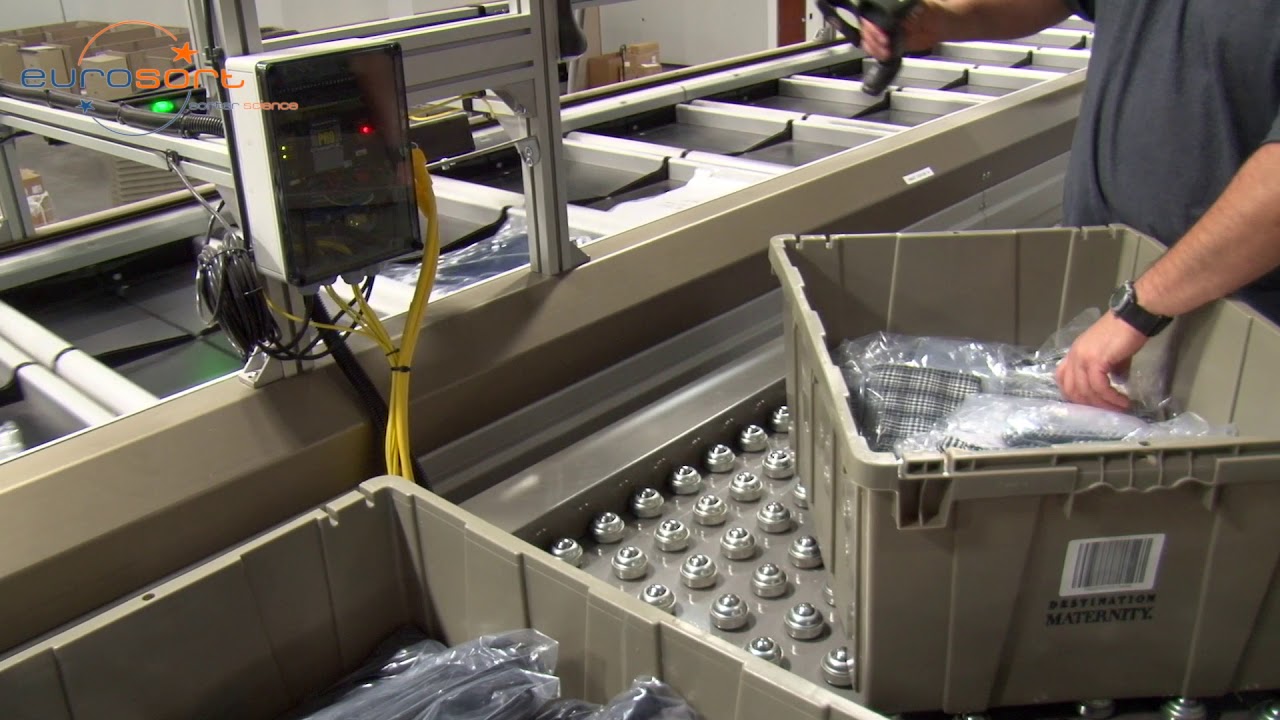
Patented Dual Split Tray (Bomb Bay) Sorter with Batch Induction
Others