MXRP (Mixed Row Palletizer): Integrated Mixed Case Palletizing
Quick Facts
Technology Performance Metrics
⭐Key Features
Benefits
Applications
Detailed Information
Technology Overview
The MXRP (Mixed Row Palletizer) represents a significant advancement in automated palletizing technology, specifically targeted at the complex challenge of building mixed-product pallets in distribution centers. Traditional palletizing systems often struggle with the variability inherent in mixed SKU loads. The MXRP addresses this by integrating three core technologies: a sophisticated adjustable-finger gripper, a banderol unit for stabilization, and industrial robotics. This integration is designed to create a seamless, efficient process for assembling stable pallets containing a variety of product sizes and packaging types, which is a common requirement in grocery, retail, and wholesale distribution.
How It Works
Core Principles
The core principle of the MXRP is to use an intelligent, adaptive gripping system combined with in-process stabilization to handle mixed cases. The adjustable-finger gripper can conform to different product dimensions on the fly, allowing it to securely pick a row of mixed-sized cases. The integrated banderol unit then applies a stabilizing band or wrap around the picked row before or after it is placed on the pallet, ensuring the layered structure remains secure as the pallet is built.
Key Features & Capabilities
Revolutionary Adjustable-Finger Gripper (MCS): This is the heart of the system. Unlike standard vacuum or clamp grippers, its fingers can independently adjust to clamp onto cases of different widths within the same row, enabling it to handle true product mix without pre-sorting by size.
Integrated Banderol Stabilization: The inclusion of a banderol unit within the work cycle is a key differentiator. By applying a band around each row as it is picked, the system addresses the core instability problem of mixed pallets at the source, during the build process, rather than as a separate post-palletizing step.
Streamlined Mixed-Pallet Building: The technology combines gripping, stabilization, and placement into a single, fluid robotic operation. This streamlining is aimed at maximizing throughput and reliability compared to systems that handle mixing and stabilization as separate, sequential processes.
Advantages & Benefits
The primary benefit is a dramatic improvement in operational efficiency for mixed-pallet building, a task that is notoriously slow and labor-intensive when done manually. The system provides exceptional load stability through row-level banding, which reduces product damage and claims. It also future-proofs operations by being inherently designed for product variety, accommodating changes in packaging without requiring major retooling.
Implementation Considerations
As a highly integrated system combining advanced mechanics (gripper), material application (banderol), and robotics, implementation requires careful planning and expertise. Integration with upstream sortation and conveyance to present the correct mix of cases for each row is critical. The total cost of ownership must be evaluated against the gains in labor savings, throughput, and reduction in damaged goods.
Use Cases & Applications
Ideal For
The MXRP is ideal for high-volume grocery distribution centers, wholesale clubs (B2B), and retail distribution hubs that specialize in building store-ready pallets containing a full assortment of products (e.g., a pallet for a specific supermarket aisle containing cereals, canned goods, and paper products).
Conclusion
The MXRP (Mixed Row Palletizer) sets a new standard for automating one of the most challenging tasks in distribution logistics. By intelligently integrating adaptive gripping with in-process stabilization, it offers a robust solution for building secure, mixed-product pallets at speed. For distribution centers facing pressures to increase throughput, reduce labor costs, and minimize shipping damage for mixed loads, this technology represents a potentially transformative investment. Its success hinges on seamless integration into the material flow and is best suited for operations with sufficient mixed-case volume to justify its advanced capabilities.
Related Knowledge
Robotic Case Picking
Advanced robotic case picking systems that combine industrial robotics with intelligent vision systems to automate the handling of full cases and cartons, delivering exceptional speed, precision, and reliability in high-volume distribution operations.
Robotic Piece Picking
Advanced robotic systems that use AI and computer vision to automatically select and pick individual items from diverse inventory, revolutionizing warehouse fulfillment operations with human-like dexterity and intelligence.
Voice Picking Systems
Voice picking systems revolutionize warehouse operations by enabling hands-free, eyes-free order fulfillment through speech recognition technology. Workers receive spoken instructions through wireless headsets and confirm actions verbally, dramatically improving productivity, accuracy, and safety while reducing training time.
Vendor
OthersRelated Technologies
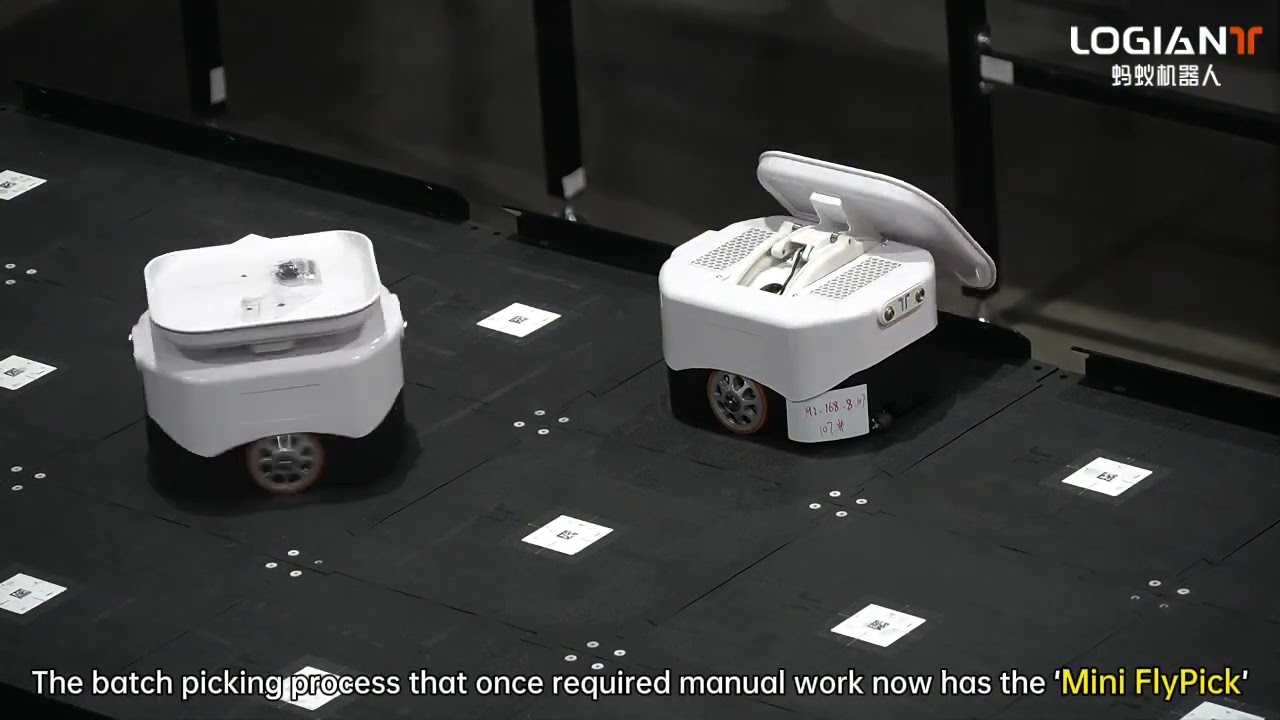
Mini FlyPick Robot: Compact High-Speed Sorting AMR
Others

Split Tray (Bomb Bay) Sorter Compilation: Versatile High-Speed Sortation
Others
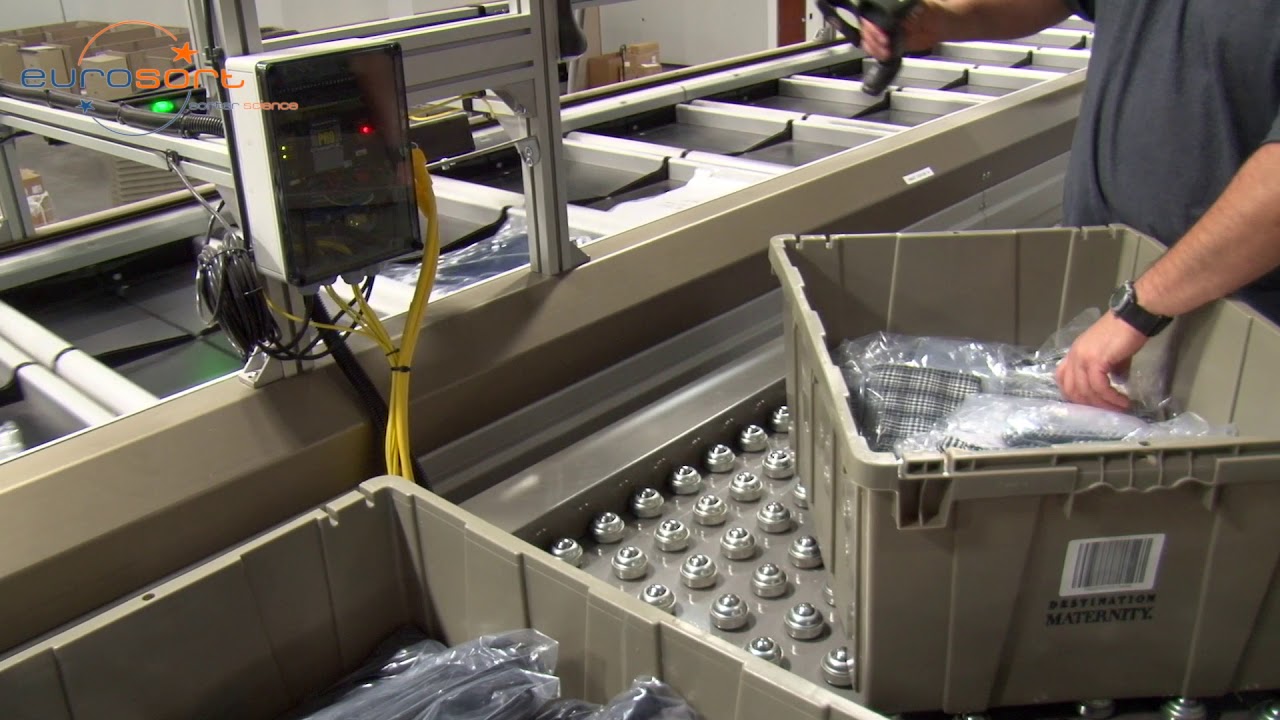
Patented Dual Split Tray (Bomb Bay) Sorter with Batch Induction
Others