MOD-PAL: AI-Powered Robotic Depalletizing System
Quick Facts
Technology Performance Metrics
⭐Key Features
Benefits
Applications
Detailed Information
Technology Overview
The MOD-PAL robotic depalletizing system is a collaborative automation solution developed by APT Manufacturing and FlexPAC with engineering and AI software support from FANUC America. It was specifically created to address complex depalletizing challenges, as exemplified by its deployment at Lakeside Book Company. The system is engineered to meet critical operational demands: improving worker ergonomic safety, achieving a required throughput rate, providing flexibility to handle variable loads, and delivering a clear return on investment (ROI). At its core, the system leverages FANUC's advanced 3D vision and AI-powered software to intelligently perceive and manipulate items on pallets, even when they are unevenly stacked or consist of mixed box types. This technology represents a move towards smarter, more adaptive robotic material handling in receiving and production areas.
How It Works
Core Principles
The system operates on the principle of AI-guided, vision-based robotic depalletizing. FANUC's 3D vision system captures precise images of the pallet load from the robot's perspective, accounting for uneven stacking. AI software then analyzes these images to identify individual boxes, determine their orientation and stability, and prioritize the picking sequence—especially important for mixed boxes on a conveyor. The robot then executes the picks based on this intelligent plan.
Key Features & Capabilities
FANUC 3D Vision for Real-World Conditions: The vision system is highlighted for its ability to capture images "exactly as the robot sees them on uneven pallets." This accuracy is crucial for reliable operation with real-world, imperfectly stacked loads that are common in logistics.
AI-Powered Prioritization and Flexibility: The AI software adds a layer of intelligence beyond simple object detection. It can prioritize which mixed boxes to pick first, likely based on size, weight, location, or downstream requirements, enhancing overall system flow and efficiency.
Collaborative Development for Tailored Solutions: The system was not an off-the-shelf product but was developed through a partnership (APT Manufacturing, FlexPAC, FANUC) to meet Lakeside Book Company's specific needs for safety, throughput, flexibility, and ROI. This suggests the MOD-PAL approach can be adapted to different applications.
Advantages & Benefits
The foremost benefit is dramatic ergonomic improvement, as demonstrated by eliminating over 45 million pounds of manual lifting annually for staff, reducing injury risk and worker fatigue. The system meets demanding operational targets for speed (throughput rate) and adaptability (flexibility), making it a viable replacement for manual processes. The use of AI and advanced vision ensures reliable performance on challenging, mixed, and uneven pallets, increasing automation uptime and reducing exception handling.
Implementation Considerations
As a solution developed through a multi-vendor collaboration, implementation requires close coordination and clear definition of requirements. The performance hinges on the effectiveness of the FANUC AI and vision system in the specific application environment. The ROI must be calculated based on labor savings, injury reduction, and throughput gains specific to the facility's volume and pain points.
Use Cases & Applications
Ideal For
This system is ideal for industries with heavy, repetitive depalletizing tasks and variable inbound pallets, such as book distribution, print media, consumer packaged goods, and manufacturing receiving where raw materials arrive on mixed pallets.
Conclusion
The MOD-PAL robotic depalletizing system exemplifies how collaborative engineering and advanced AI/vision technology can solve specific, high-impact industrial challenges. By successfully addressing ergonomics, throughput, and flexibility for Lakeside Book Company, it demonstrates a viable model for automating complex depalletizing tasks. For operations struggling with the physical strain and inefficiency of manual pallet breakdown, especially with uneven or mixed loads, this AI-powered approach offers a path to significant improvements in safety, productivity, and operational cost. The success of such a system depends on a well-defined partnership between the user and technology providers to tailor the solution to the unique demands of the application.
Related Knowledge
Robotic Case Picking
Advanced robotic case picking systems that combine industrial robotics with intelligent vision systems to automate the handling of full cases and cartons, delivering exceptional speed, precision, and reliability in high-volume distribution operations.
Robotic Piece Picking
Advanced robotic systems that use AI and computer vision to automatically select and pick individual items from diverse inventory, revolutionizing warehouse fulfillment operations with human-like dexterity and intelligence.
Voice Picking Systems
Voice picking systems revolutionize warehouse operations by enabling hands-free, eyes-free order fulfillment through speech recognition technology. Workers receive spoken instructions through wireless headsets and confirm actions verbally, dramatically improving productivity, accuracy, and safety while reducing training time.
Vendor
OthersRelated Technologies
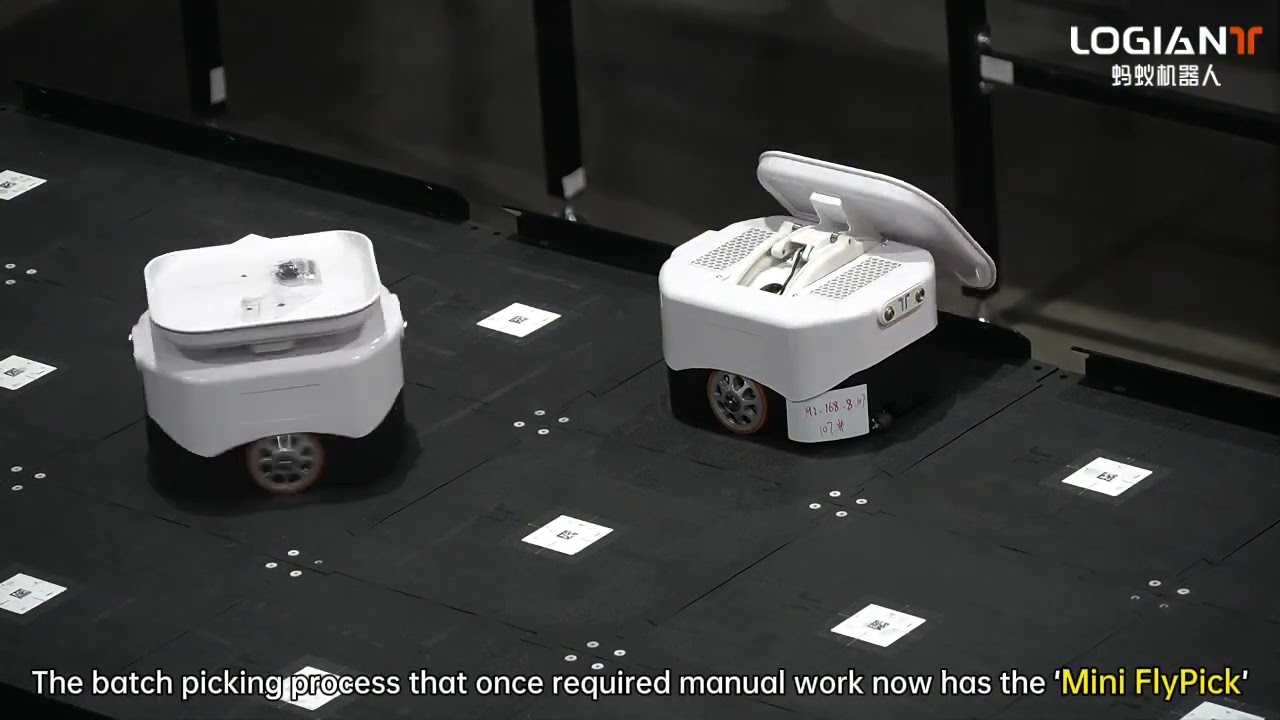
Mini FlyPick Robot: Compact High-Speed Sorting AMR
Others

Split Tray (Bomb Bay) Sorter Compilation: Versatile High-Speed Sortation
Others
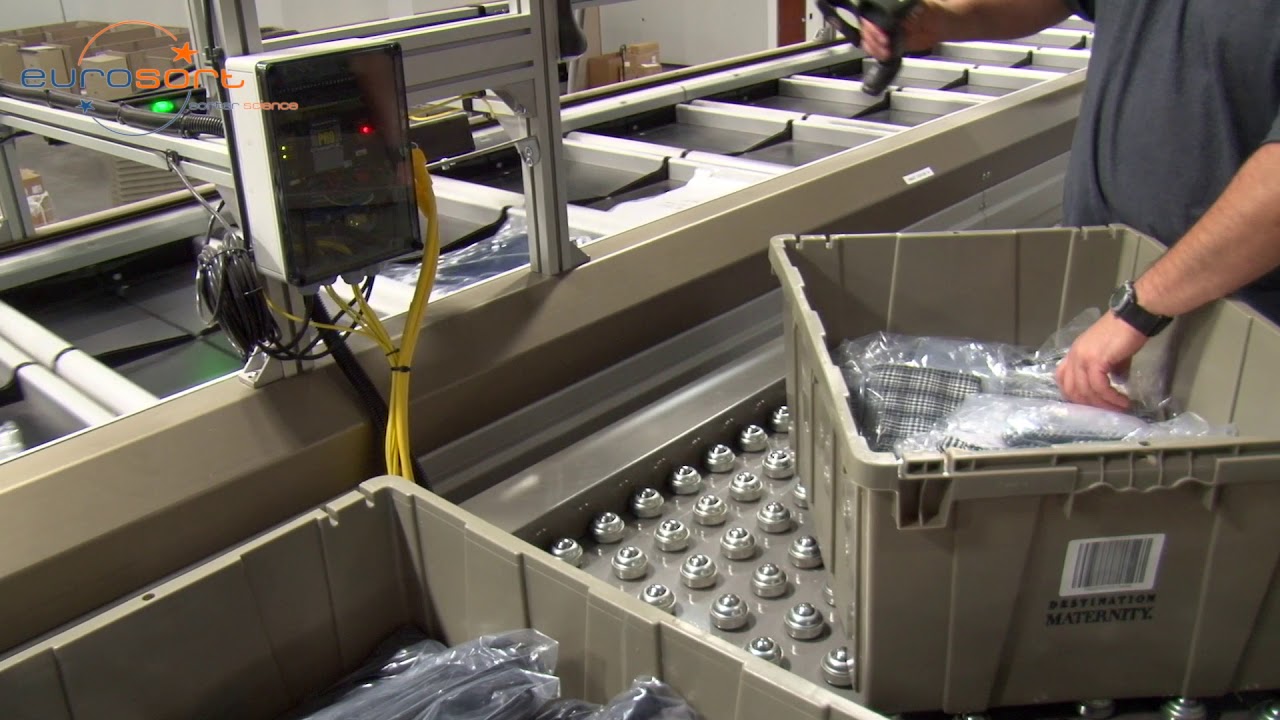
Patented Dual Split Tray (Bomb Bay) Sorter with Batch Induction
Others