Live Storage Systems: Gravity-Flow High-Density Storage
Quick Facts
Technology Performance Metrics
⭐Key Features
Benefits
Applications
Detailed Information
Technology Overview
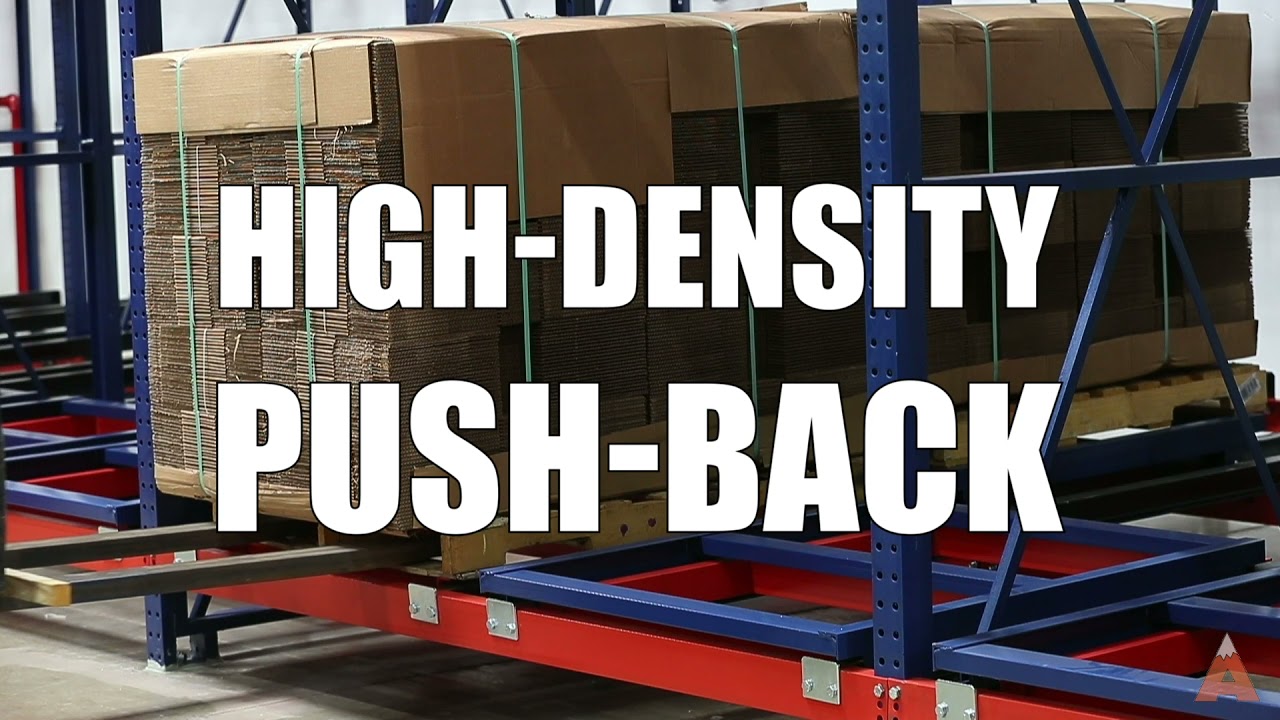
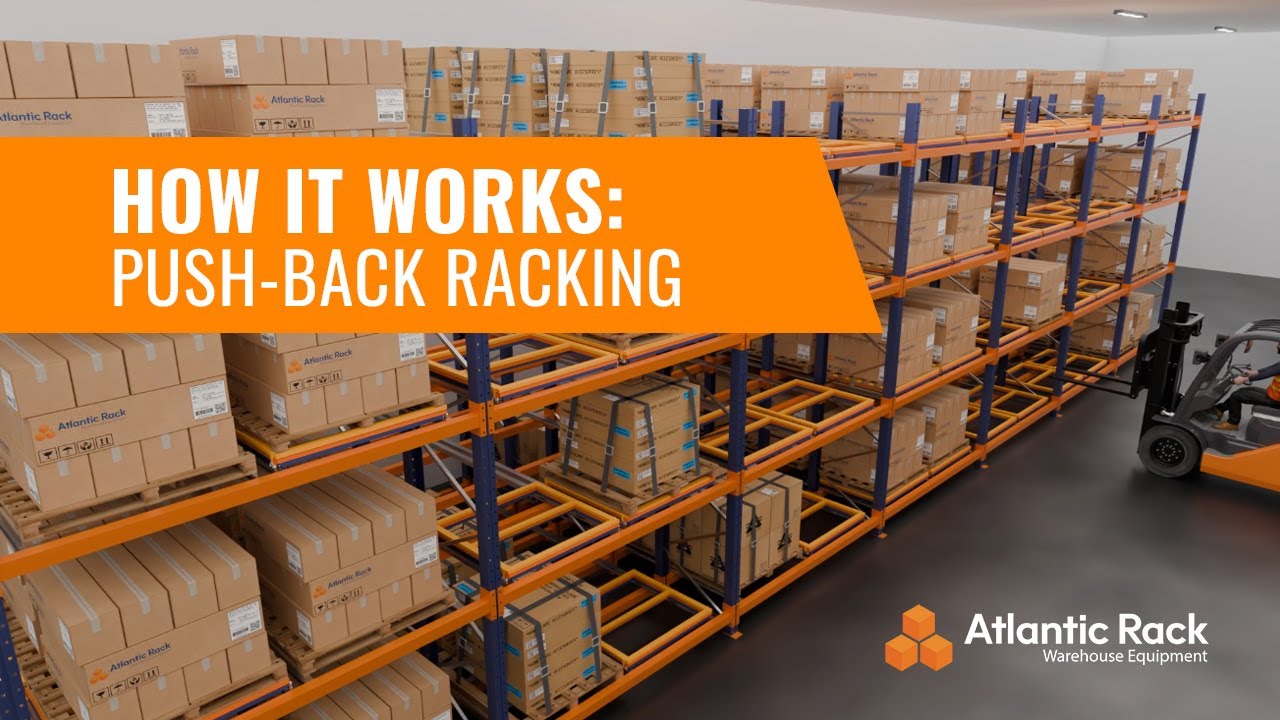
Live Storage Systems are a category of high-density storage solutions that leverage gravity to create dynamic, compact storage for both palletized and cartonized goods. Unlike static racking where loads remain in place, these systems feature slightly inclined roller or wheel beds that allow unit loads to slide gently from the loading point to the unloading point. This fundamental principle enables efficient space utilization and automates the movement of goods within the lane. Offered in configurations supporting both FIFO (First-In, First-Out) and LIFO (Last-In, First-Out) inventory management, they provide flexible solutions for various warehouse strategies, from bulk storage to active picking zones, including challenging environments like cold rooms.
How It Works
Core Principles
The core principle is gravity-driven movement within a sloped storage lane. Loads are placed at the higher (rear) end of a lane and move automatically towards the lower (front) pickup face due to gravity, ensuring constant product flow and easy access to the next available load.
Key Features & Capabilities
The gravity-flow mechanism is the defining feature, eliminating the need for external power to move goods within the lane and ensuring automatic replenishment of the pick face. The support for both FIFO and LIFO methodologies through different designs (lane flow vs. push-back) makes it versatile for different product types, from perishables (FIFO) to non-perishable bulk (LIFO). The systems are inherently high-density, storing more pallets or cartons in a given footprint by utilizing depth and reducing the number of access aisles. Their adaptability and compatibility allow them to be integrated into existing racking layouts or specific areas like cold storage. Built-in safety features like speed controllers prevent runaway loads.
Advantages & Benefits
The most significant benefit is superior space optimization, offering increased storage capacity within the same floor area compared to traditional selective racking. This leads directly to reduced storage costs per pallet position. The systems dramatically improve operational efficiency by reducing travel and access time for forklifts (fewer aisles) and automating the delivery of the next load to the pick face. This results in higher throughput and productivity. They enforce excellent stock rotation (FIFO or LIFO), which is critical for inventory management and reducing spoilage. Additionally, they enhance workplace safety by minimizing the need for forklifts to maneuver deep into racks.
Implementation Considerations
Selecting the right system requires a thorough analysis of SKU velocity, turnover, and inventory profiles to choose between FIFO and LIFO and to determine optimal lane depth. Floor flatness and levelness are critical for consistent and reliable gravity flow. The initial investment cost is higher than standard static racking, so a cost-benefit analysis based on space savings and productivity gains is essential. Product compatibility must be ensured—loads must be stable, uniform, and able to withstand the pressure from adjacent loads in deep lanes.
Use Cases & Applications
Ideal For
These systems are ideal for warehouses with high-SKU counts, high turnover products, or space constraints where maximizing storage density and improving pick efficiency are priorities.
Conclusion
Live Storage Systems represent a smart, mechanized step between static racking and fully automated storage. By harnessing gravity, they offer a reliable, low-maintenance, and highly efficient method to increase storage density, accelerate material flow, and improve inventory control. For operations looking to maximize their existing warehouse cube, reduce labor travel, and implement disciplined stock rotation, investing in a live storage solution tailored to their specific product flow can deliver substantial and rapid returns in both space savings and operational productivity.
Related Knowledge
Robotic Case Picking
Advanced robotic case picking systems that combine industrial robotics with intelligent vision systems to automate the handling of full cases and cartons, delivering exceptional speed, precision, and reliability in high-volume distribution operations.
Robotic Piece Picking
Advanced robotic systems that use AI and computer vision to automatically select and pick individual items from diverse inventory, revolutionizing warehouse fulfillment operations with human-like dexterity and intelligence.
Voice Picking Systems
Voice picking systems revolutionize warehouse operations by enabling hands-free, eyes-free order fulfillment through speech recognition technology. Workers receive spoken instructions through wireless headsets and confirm actions verbally, dramatically improving productivity, accuracy, and safety while reducing training time.
Vendor
AR RackingRelated Technologies

Supplier Profile

AR Racking
Storage Solutions and Industrial Racking