High-Speed Flexible Layer Palletizer
Quick Facts
Technology Performance Metrics
⭐Key Features
Benefits
Applications
Detailed Information
Technology Overview
This high-speed flexible layer palletizer represents an advanced evolution of traditional layer palletizing technology, designed to combine raw throughput with adaptability. It builds upon the proven principles of low-infeed layer palletizers—known for their speed and stability when handling uniform products—but adds significant flexibility in movement and product handling. This allows it to accommodate a wider range of product "morphologies" or shapes, including not just standard cases but also bags, clusters, and various packages. The system is engineered for high-volume production environments where both speed and the ability to handle a somewhat mixed or non-uniform product stream are required, and where facility layout may present challenges that a standard machine cannot solve.
How It Works
Core Principles
The core principle is layer-based palletizing with an enhanced degree of freedom. Products are accumulated and formed into a complete layer on a staging area or plate. Unlike some fixed-axis layer palletizers, this model has "greater flexibility of movement," likely meaning the layer transfer mechanism (the head) can move in more axes or can adjust its approach to accommodate different pallet positions or incoming product angles. The formed layer is then deposited as a single unit.
Key Features & Capabilities
High Throughput with Diversity: Achieving 6000 packs per hour while handling different product types (cases, bags, clusters) is a significant capability, bridging the gap between high-speed dedicated palletizers and slower, more flexible robots.
Enhanced Movement Flexibility: This allows the machine to be configured for non-standard layouts, such as palletizing onto conveyors at different angles or servicing multiple production lines from a central location, optimizing floor space.
Roller-Gate Deposition System: The symmetric opening of the roller-gate head is designed for precision and smoothness. This minimizes product shift during transfer, which is crucial for maintaining layer integrity, especially with unstable items like bags or clusters.
Advantages & Benefits
The primary benefit is consolidated high-speed automation for lines with moderate product variety, reducing the need for multiple specialized palletizers. The layout flexibility can lead to more efficient use of factory floor space and easier integration into existing facilities. The gentle, precise placement reduces product damage and improves pallet stability, leading to fewer downstream issues. Multi-line capability from a single machine can offer significant cost and footprint savings.
Implementation Considerations
The system's flexibility requires careful planning of the layout and product flow to fully utilize its capabilities. The high speed necessitates a robust and well-synchronized infeed system capable of delivering the diverse products reliably. While more flexible than a standard low-infeed palletizer, it may still have limitations compared to a fully articulated robotic system for extremely irregular or highly mixed SKU palletizing.
Use Cases & Applications
Ideal For
This palletizer is ideal for food processing plants, beverage facilities, and consumer goods manufacturers that have high-volume lines producing a family of products in different but somewhat standardized pack types (e.g., a snack line producing both bagged and boxed items).
Conclusion
This flexible layer palletizer offers a compelling solution for operations that need the throughput of traditional high-speed palletizers but with more adaptability in product type and plant layout. By incorporating greater movement flexibility and an innovative roller-gate deposition head, it extends the applicability of layer palletizing technology. For the right application—where product morphology varies but can still be handled in layers—it can deliver exceptional efficiency, space savings, and gentle product handling. It sits between rigid, ultra-high-speed palletizers and slower, more versatile robots, filling an important niche in the automation landscape.
Related Knowledge
Robotic Case Picking
Advanced robotic case picking systems that combine industrial robotics with intelligent vision systems to automate the handling of full cases and cartons, delivering exceptional speed, precision, and reliability in high-volume distribution operations.
Robotic Piece Picking
Advanced robotic systems that use AI and computer vision to automatically select and pick individual items from diverse inventory, revolutionizing warehouse fulfillment operations with human-like dexterity and intelligence.
Voice Picking Systems
Voice picking systems revolutionize warehouse operations by enabling hands-free, eyes-free order fulfillment through speech recognition technology. Workers receive spoken instructions through wireless headsets and confirm actions verbally, dramatically improving productivity, accuracy, and safety while reducing training time.
Vendor
OthersRelated Technologies
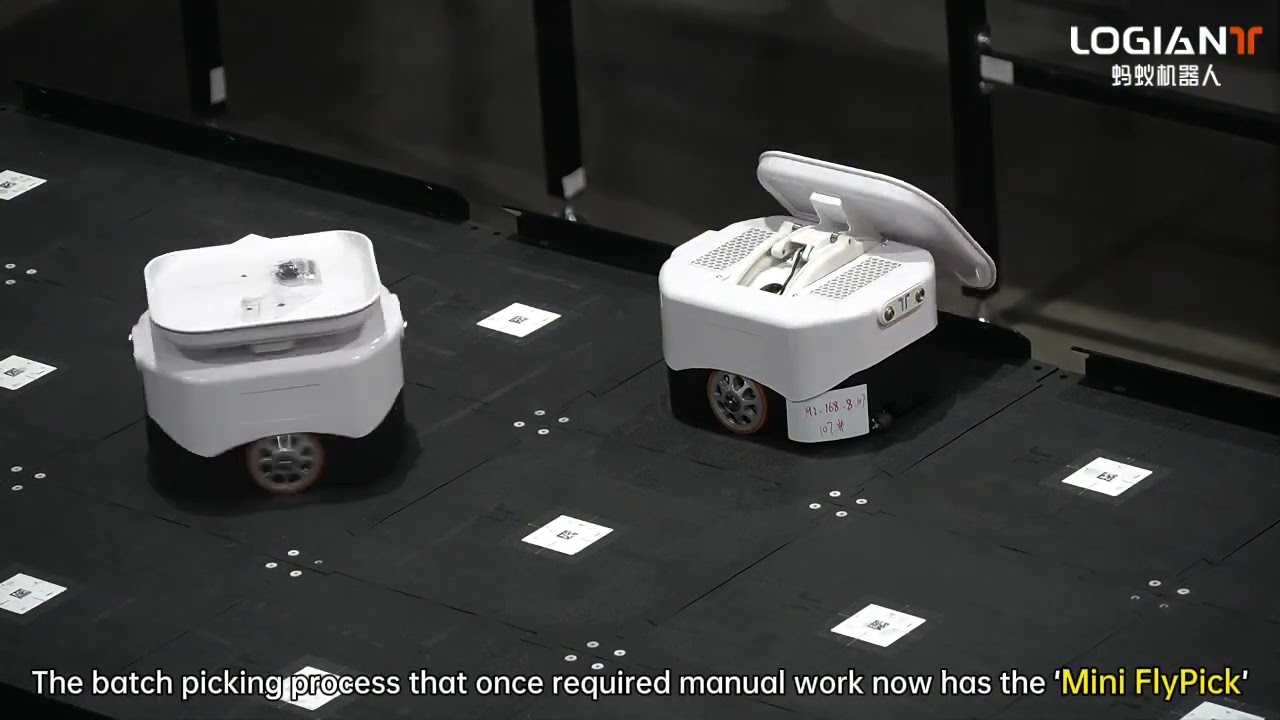
Mini FlyPick Robot: Compact High-Speed Sorting AMR
Others

Split Tray (Bomb Bay) Sorter Compilation: Versatile High-Speed Sortation
Others
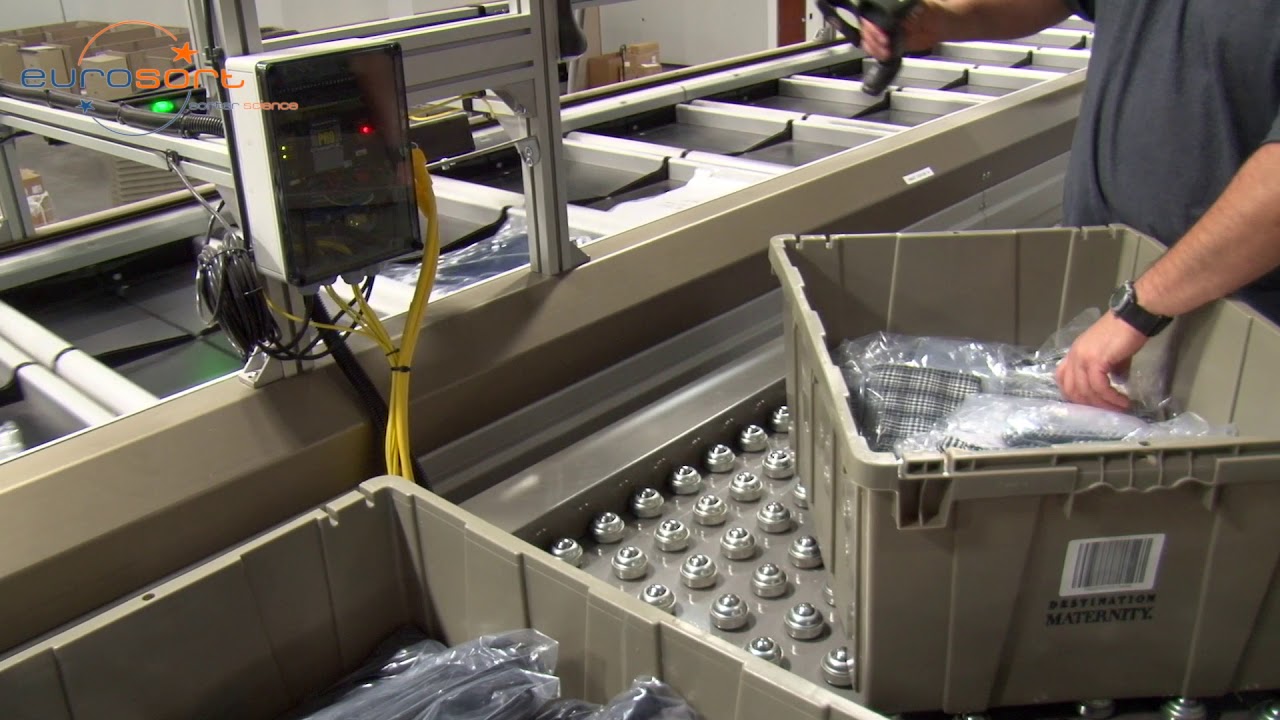
Patented Dual Split Tray (Bomb Bay) Sorter with Batch Induction
Others