Automated Packaging Line for Tube-to-Carton Loading
Quick Facts
Technology Performance Metrics
⭐Key Features
Benefits
Applications
Detailed Information
Technology Overview
This automated packaging line represents a tailored, turn-key solution for a specific manufacturing challenge: efficiently loading tubes into shipping cartons. It addresses common production bottlenecks associated with manual packaging, such as speed limitations, labor costs, and consistency. By integrating three core automated components—a carton erector, a robotic pick-and-place cell, and a carton sealer—the system creates a continuous, high-speed flow from loose products to sealed, ready-to-ship cases. The inclusion of remote monitoring capabilities underscores its design for reliable, modern industrial operation with an emphasis on uptime and support.
How It Works
Core Principles
The core principle is the sequential automation of the three primary steps in case packing: forming the container (carton), loading the product, and sealing the container, all linked by conveyors and controlled as a unified system.
Key Features & Capabilities
The integration of a robotic pick-and-place cell is the central feature, providing the speed, precision, and reliability needed for high-volume loading. The use of a crash lock carton erector offers a balance of speed and simplicity in box forming before final glue sealing. The hot-melt glue carton closer ensures a secure, professional seal suitable for shipping. A significant operational feature is the integrated IP camera system and remote connectivity, which enables proactive maintenance, troubleshooting, and after-sales support, minimizing downtime.
Advantages & Benefits
The primary benefits are the significant increase in throughput and the reduction in production costs achieved by automating a repetitive, labor-intensive task. This directly addresses and removes a bottleneck from the manufacturing operation, smoothing overall production flow. Automation ensures consistent packaging quality and reduces the risk of product damage compared to manual handling. The remote service capability enhances system reliability and reduces mean time to repair, protecting the investment.
Implementation Considerations
This system is a custom-engineered solution for a specific product (tubes) and carton size, meaning its flexibility for other products or package dimensions is limited. Implementing such a line requires significant floor space for the machinery and conveyors. Integration of the three primary machines and their synchronization with upstream production and downstream logistics is a critical engineering task. The total cost of ownership includes the capital equipment, installation, and ongoing maintenance, which must be justified by the labor savings and throughput gains.
Use Cases & Applications
Ideal For
This system is ideal for manufacturers producing a high volume of uniform, tube-shaped products (e.g., cosmetics, pharmaceuticals, adhesives, certain food items) that are packaged in standard cartons for distribution.
Conclusion
This automated tube-to-carton packaging line exemplifies a highly effective application of robotics and integrated machine design to solve a discrete production challenge. For manufacturers struggling with the speed, cost, or consistency of manual packaging, investing in such a tailored automation line can deliver transformative improvements in productivity and operational efficiency. While the initial outlay and specificity are considerations, the long-term benefits of higher output, lower unit cost, and improved process control make it a compelling solution for high-volume, standardized packaging operations.
Related Knowledge
Robotic Case Picking
Advanced robotic case picking systems that combine industrial robotics with intelligent vision systems to automate the handling of full cases and cartons, delivering exceptional speed, precision, and reliability in high-volume distribution operations.
Robotic Piece Picking
Advanced robotic systems that use AI and computer vision to automatically select and pick individual items from diverse inventory, revolutionizing warehouse fulfillment operations with human-like dexterity and intelligence.
Voice Picking Systems
Voice picking systems revolutionize warehouse operations by enabling hands-free, eyes-free order fulfillment through speech recognition technology. Workers receive spoken instructions through wireless headsets and confirm actions verbally, dramatically improving productivity, accuracy, and safety while reducing training time.
Vendor
OthersRelated Technologies
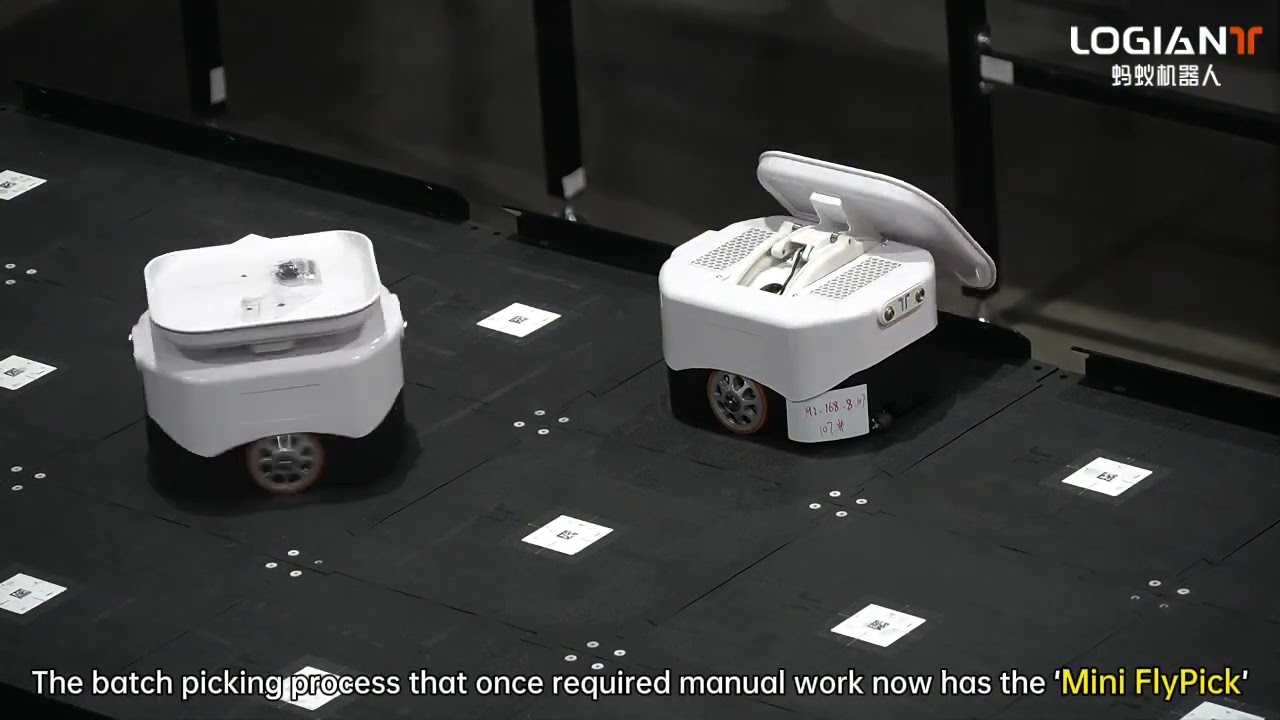
Mini FlyPick Robot: Compact High-Speed Sorting AMR
Others

Split Tray (Bomb Bay) Sorter Compilation: Versatile High-Speed Sortation
Others
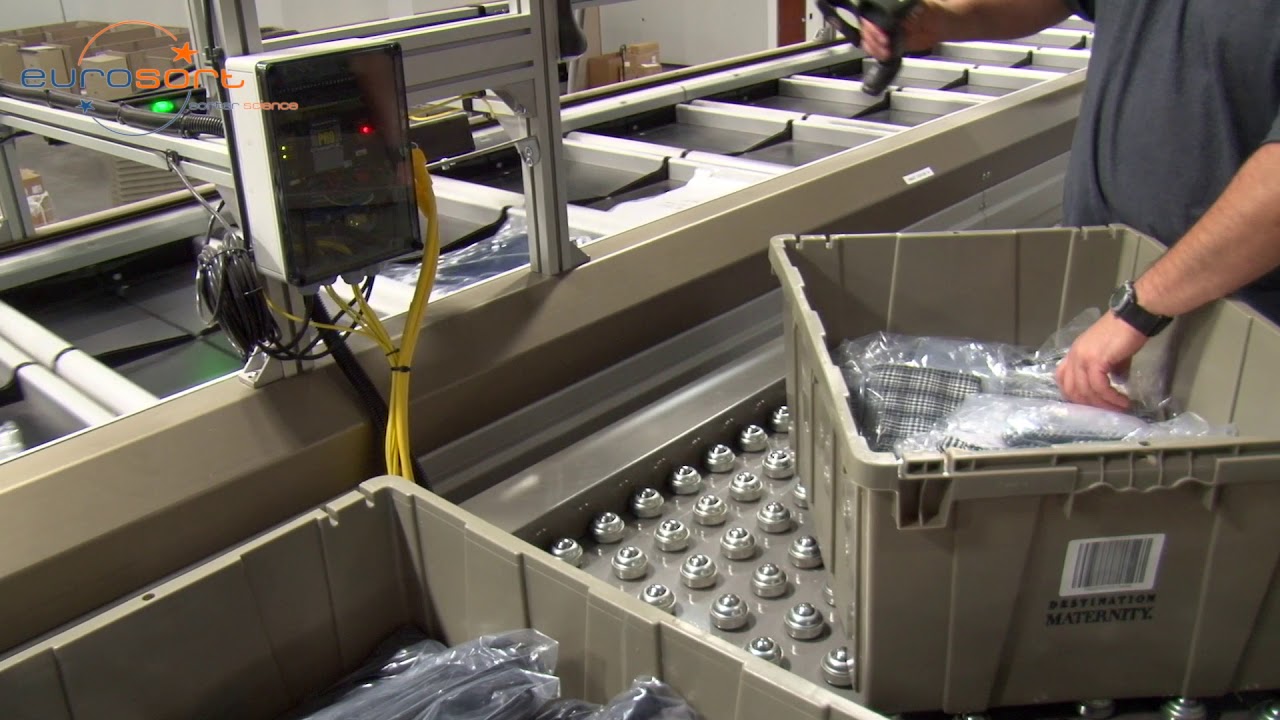
Patented Dual Split Tray (Bomb Bay) Sorter with Batch Induction
Others