AMR/AGV Tuggers: Autonomous Towing for Trailers and Trolleys
Quick Facts
Technology Performance Metrics
⭐Key Features
Benefits
Applications
Detailed Information
Technology Overview
AMR/AGV Tuggers represent a specialized class of autonomous mobile robots designed to automate the horizontal transport of materials that are loaded onto passive trailers or trolleys. This technology transforms a traditionally manual and vehicle-dependent task—towing—into a seamless, automated process. By autonomously coupling, moving, and uncoupling from load carriers, these tuggers create continuous, efficient, and safe material movement streams within warehouses, manufacturing plants, and across indoor-outdoor facility boundaries.
How It Works
Core Principles
The core principle is autonomous navigation and precise coupling. The tugger uses onboard sensors (LiDAR, cameras) and navigation software to map its environment and plan collision-free paths to its destination. It automatically identifies and couples with a designated trailer, securely tows it along the planned route, and decouples upon arrival, all without human intervention.
Key Features & Capabilities
The High-Capacity Towing capability, with models ranging from 6 to 20 tons, allows these systems to handle a wide variety of industrial loads, from light carts to heavily laden trailers, making them suitable for diverse sectors like automotive, aerospace, and heavy manufacturing.
Semi-Outdoor Operation is a critical feature for facilities with combined indoor-outdoor workflows. CE-certified models are engineered to operate reliably in such environments, bridging the gap between warehouses and loading yards without breaking the automated chain.
Autonomous Navigation and Safety is foundational. These tuggers are equipped with advanced perception systems that allow them to operate safely alongside human workers and other vehicles, dynamically adjusting their paths in real-time to avoid collisions.
Advantages & Benefits
The primary benefit is Enhanced Safety and Risk Reduction. By removing manual forklifts or tractors from towing duties, the risk of accidents, especially in high-traffic areas or involving heavy loads, is significantly minimized.
They provide Consistent and Reliable 24/7 Operation. Unlike human-operated equipment, autonomous tuggers can work continuously through shifts without breaks, fatigue, or scheduling constraints, leading to more predictable and efficient material flow.
This technology offers Operational Flexibility and Scalability. Businesses can start with a single tugger on a critical route and scale the fleet as needed. The ability to handle different capacities and operate in mixed environments adds to the strategic flexibility of the logistics operation.
Implementation Considerations
Successful implementation requires Compatibility Assessment of existing trailers, carts, and docking stations. The coupling interface must be standardized or adapted. Infrastructure and Pathway Readiness is crucial, especially for semi-outdoor routes which may require leveled paving and protection from extreme elements. Integration with Existing Systems (WMS, MES) is needed for seamless order dispatch and status reporting, which may involve software development and testing.
Conclusion
AMR/AGV Tuggers are a transformative solution for automating the movement of towed loads, offering significant advantages in safety, efficiency, and operational flexibility. They are particularly valuable for businesses with substantial horizontal transport needs involving trailers or trolleys, especially those operating across indoor and outdoor spaces. When evaluating such a system, careful attention must be paid to load carrier compatibility, the intended operating environment, and the depth of integration required with existing management software to fully realize the benefits of autonomous towing.
Vendor
VisionNav RoboticsRelated Technologies
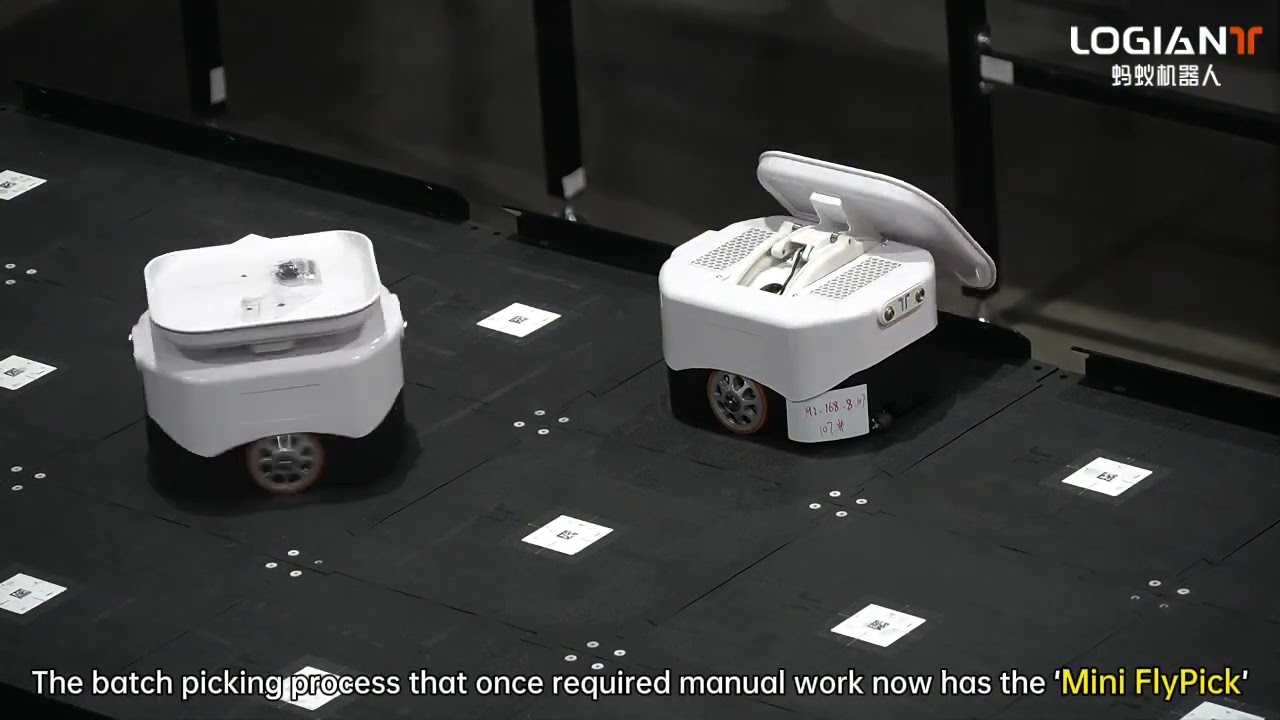
Mini FlyPick Robot: Compact High-Speed Sorting AMR
Others
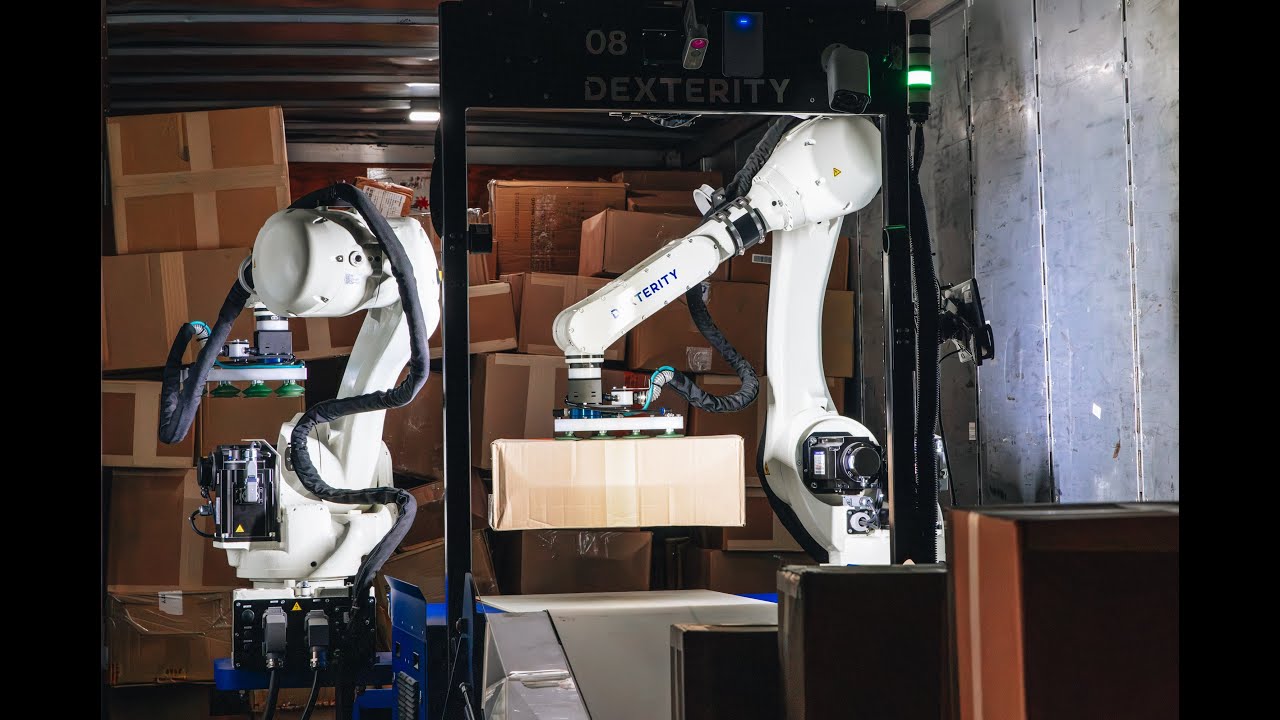
AI-Powered Robotic Truck Loading System
Others

TiltSort-Bot: Autonomous Mobile Robot (AMR) for Sortation
Conveyco