Shipping
Shipping is the warehouse process of preparing completed orders for carrier pickup, including manifesting, staging, loading, and documentation to ensure timely delivery to customers.
Shipping Operations Overview
Interactive overview of shipping technologies and strategies - click to explore each category
Shipping Management
Dock Management
Shipping Automation
Carrier Operations
Process Flow and Business Characteristics
Carrier selection and rate shopping determine optimal shipping methods based on service requirements (delivery speed, guaranteed delivery), costs (base rates, fuel surcharges, accessorial charges), and carrier performance (on-time delivery, damage rates, customer service). Multi-carrier shipping systems compare rates across carriers in real-time, selecting lowest-cost options meeting service requirements. Carrier contracts negotiate volume discounts and service commitments, while carrier scorecards track performance metrics driving continuous improvement discussions.
Manifesting closes out shipments with carriers, generating tracking numbers and transmitting shipment details for pickup and delivery. End-of-day manifesting finalizes all shipments for the day, real-time manifesting processes shipments as they complete, and wave-based manifesting handles groups of shipments together. Manifesting errors (wrong addresses, incorrect weights, missing documentation) cause delivery delays and additional charges, making data accuracy critical. Integration with carrier systems enables automatic tracking updates and delivery confirmation.
Shipment staging and consolidation organize completed orders by carrier, route, or delivery priority in dock areas. Carrier-based staging groups shipments by carrier (UPS, FedEx, LTL carriers) to streamline loading and pickup, route-based staging organizes shipments by delivery route for efficient truck loading, and priority-based staging separates time-sensitive shipments requiring immediate loading. Staging capacity (floor space, racks, flow racks) must accommodate peak volumes without creating congestion or safety hazards.
Dock scheduling and management coordinate carrier pickups to optimize dock utilization and prevent congestion. Appointment scheduling systems assign specific pickup times and dock doors to carriers, balancing workload across docks and shifts. Carrier compliance (arriving within scheduled windows) affects efficiency, with late arrivals disrupting schedules and reducing dock utilization. Detention management tracks carrier dwell time, assessing charges when carriers exceed allowed time. Real-time visibility shows dock status and upcoming appointments, enabling proactive management.
Trailer loading places shipments in trucks efficiently to maximize space utilization, prevent damage, and enable efficient unloading. Load planning determines optimal placement considering delivery sequence (last-off-first-on for multi-stop routes), weight distribution (heavier items forward and low, lighter items back and high), and product compatibility (separating incompatible products like food and chemicals). Floor-loaded trailers require manual placement of individual boxes or cases, while palletized loading uses forklifts to place pallets, reducing loading time by 60-80%.
Automation Technologies
Transportation management systems (TMS) optimize carrier selection, rate shopping, routing, and tendering. Rate shopping engines compare costs across carriers considering base rates, fuel surcharges, dimensional weight, and accessorial charges, selecting optimal options. Routing optimization determines efficient delivery sequences for multi-stop routes, reducing miles and improving delivery density. Carrier tendering electronically offers loads to carriers, with automated acceptance streamlining the process. Analytics identify cost savings opportunities and carrier performance issues.
Warehouse management systems (WMS) coordinate shipping operations with upstream processes, managing staging, generating shipping documents, and tracking shipments. Wave planning releases orders to meet shipping cutoffs while balancing workload, staging management assigns locations and tracks shipment status, and dock door assignment optimizes loading operations. Integration with TMS enables seamless data flow between warehouse and transportation systems. Real-time visibility shows order status from picking through loading.
Automated manifesting and labeling systems generate shipping labels, packing slips, and bills of lading automatically based on order and carrier data. Print-and-apply systems generate labels and apply them to packages at rates of 30-60 per minute, document printers produce packing slips and BOLs, and RFID encoding embeds tracking information for enhanced visibility. Compliance checking validates that shipments meet carrier requirements (weight limits, dimensional restrictions, hazmat regulations) before manifesting.
Automated dimensioning and weighing systems capture package characteristics for accurate carrier rating and freight audit. In-motion systems measure and weigh packages as they move on conveyors, processing 30-60 packages per minute without slowing flow. Static systems require packages to stop for measurement, providing higher accuracy for freight audit. Data integration with WMS and TMS enables automatic rate calculation and carrier billing verification, identifying overcharges that occur in 5-15% of shipments.
Dock management systems coordinate carrier arrivals, dock assignments, and loading operations. Appointment scheduling allows carriers to book pickup times through online portals, with the system balancing workload across docks. Yard management tracks trailers in the yard, directing drivers to assigned docks and monitoring dwell time. Real-time visibility shows dock status, loading progress, and upcoming appointments. Analytics identify bottlenecks and optimization opportunities, while mobile apps enable dock workers to update status and communicate with supervisors.
Automated loading systems reduce manual labor and improve loading speed. Extendable conveyors reach into trailers, enabling workers to place boxes on conveyors rather than carrying them into trailers, improving productivity by 30-50%. Robotic loading systems use vision and grippers to place boxes in trailers, handling 600-1,000 boxes per hour. Automated guided vehicles (AGVs) transport pallets from staging areas to trailers, eliminating forklift travel. Load optimization software calculates optimal placement patterns, maximizing trailer cube utilization.
Vision systems and AI enhance shipping operations through automated verification and optimization. Load verification uses cameras to photograph trailer contents before departure, providing evidence of shipment condition and preventing disputes. Damage detection identifies crushed boxes or torn packaging requiring attention before shipment. Load optimization uses AI to calculate efficient placement patterns considering delivery sequence, weight distribution, and product characteristics. Predictive analytics forecast shipping volumes and carrier capacity needs, enabling proactive planning.
Key Performance Indicators
On-time shipment measures the percentage of orders shipped by promised dates, with targets typically 98%+ for most operations. Carrier pickup compliance (carriers arriving within scheduled windows) affects on-time performance, as late pickups delay shipments. Dock door utilization (percentage of time docks are actively loading) indicates efficiency, with targets of 70-85%. Root cause analysis of late shipments identifies whether delays occur during picking, packing, staging, or loading, enabling targeted improvements.
Shipping cost per order combines carrier charges (base rates, fuel surcharges, accessorials), labor costs (staging, loading, documentation), and equipment costs (forklifts, conveyors, scales) divided by orders shipped. Rate shopping reduces carrier costs by 5-15% through optimal carrier selection, dimensional weight optimization through right-sized packaging saves 10-20%, and carrier contract negotiation delivers 10-25% savings through volume discounts. Freight audit recovers 2-5% of shipping costs through overcharge identification and correction.
Dock productivity measures shipments or pallets loaded per labor hour, with manual floor loading typically achieving 150-250 boxes per hour, palletized loading 15-25 pallets per hour, and automated loading systems 600-1,000+ boxes per hour. Trailer utilization (percentage of trailer volume occupied) affects transportation efficiency, with targets typically 80-90% for full truckloads. Load planning optimization improves utilization by 10-20% through better placement patterns.
Carrier performance tracks on-time delivery, damage rates, and service quality. On-time delivery targets typically 95-98% depending on service level, damage rates under 0.5-1.0%, and customer satisfaction scores above 4.0/5.0. Carrier scorecards track these metrics by carrier and service level, supporting performance discussions and carrier selection decisions. Service failures (missed pickups, late deliveries, damaged shipments) trigger root cause analysis and corrective actions.
Staging accuracy measures the percentage of shipments staged to correct locations, with targets of 99%+ for operations with barcode verification. Missorted shipments (staged to wrong carriers or routes) cause loading delays and potential missed pickups. Staging capacity utilization tracks the percentage of staging locations occupied, with targets of 70-85% to balance efficiency against flexibility. Dwell time (time shipments spend in staging) indicates flow efficiency, with targets typically under 2-4 hours.
Documentation accuracy measures the percentage of shipments with correct bills of lading, packing slips, and customs documents, with targets of 99%+. Documentation errors cause delivery delays, customs holds, and additional charges. Automated document generation improves accuracy from 95-98% (manual) to 99%+ while reducing labor. Compliance checking validates documents against carrier and regulatory requirements before shipment, preventing costly errors.
By implementing effective shipping processes supported by appropriate automation technologies, warehouses ensure timely, cost-effective delivery to customers while maintaining strong carrier relationships and operational efficiency.
Related Topics
Packing
Packing is the warehouse process of preparing picked items for shipment by placing them in appropriate containers with protective materials, labels, and documentation to ensure safe delivery.
Palletizing
Palletizing is the warehouse process of arranging products onto pallets in stable, efficient patterns for storage, transportation, and handling as unit loads.
Picking
Picking is the warehouse process of retrieving products from storage locations to fulfill customer orders, representing the most labor-intensive and cost-critical operation in most facilities.
Receiving
Receiving is the inbound warehouse process where shipments arrive, are verified, inspected, and documented before entering inventory, establishing the foundation for accurate warehouse operations.
Returns
Returns processing is the warehouse process of receiving, inspecting, dispositioning, and restocking products returned by customers, managing reverse logistics efficiently.
Sorting
Sorting is the warehouse process of separating and routing products to designated destinations based on order, carrier, route, or other criteria to enable efficient distribution.
Storage
Storage is the warehouse process of holding inventory in organized locations until needed, balancing space utilization, accessibility, and inventory control to support efficient operations.
Transport
Transport is the warehouse process of moving materials, products, and equipment between locations within the facility to support receiving, storage, picking, and shipping operations.
Truck Loading
Truck loading is the warehouse process of placing shipments into trailers efficiently to maximize space utilization, ensure load stability, and enable efficient delivery operations.
Quick Navigation
Overview
Related Projects(6)
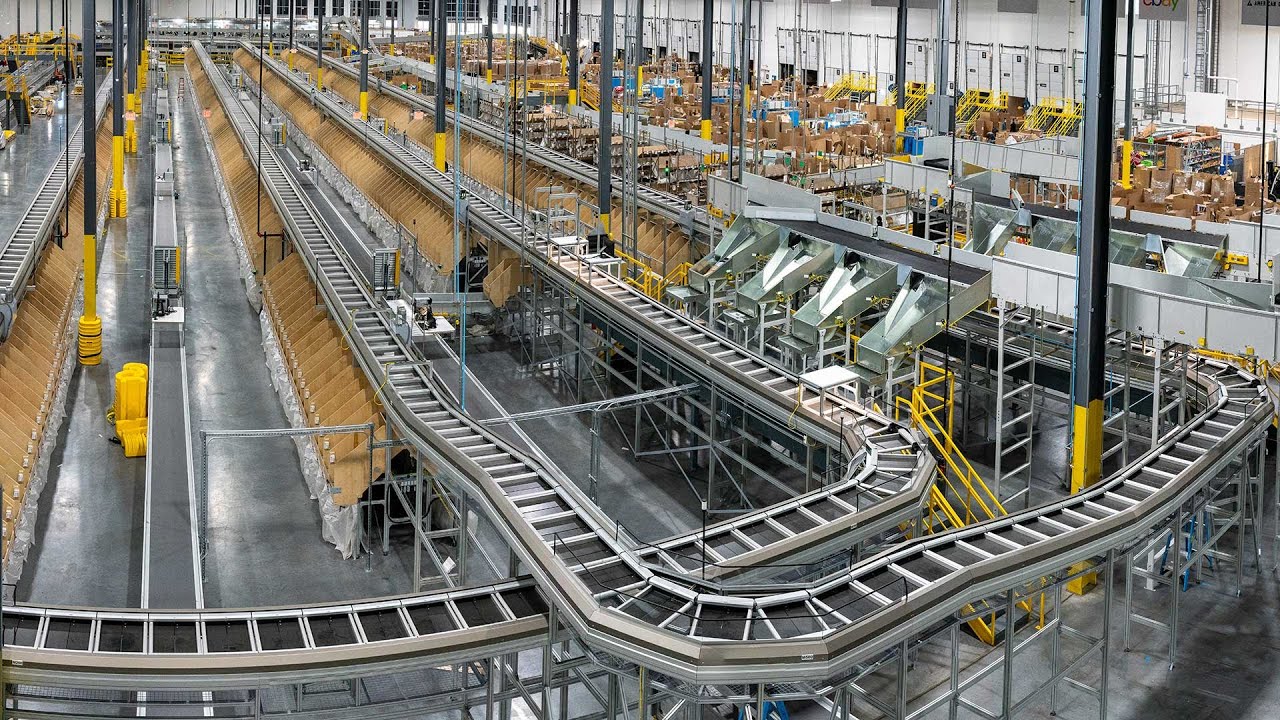
Pitney Bowes Facility High Throughput Sortation
EuroSort
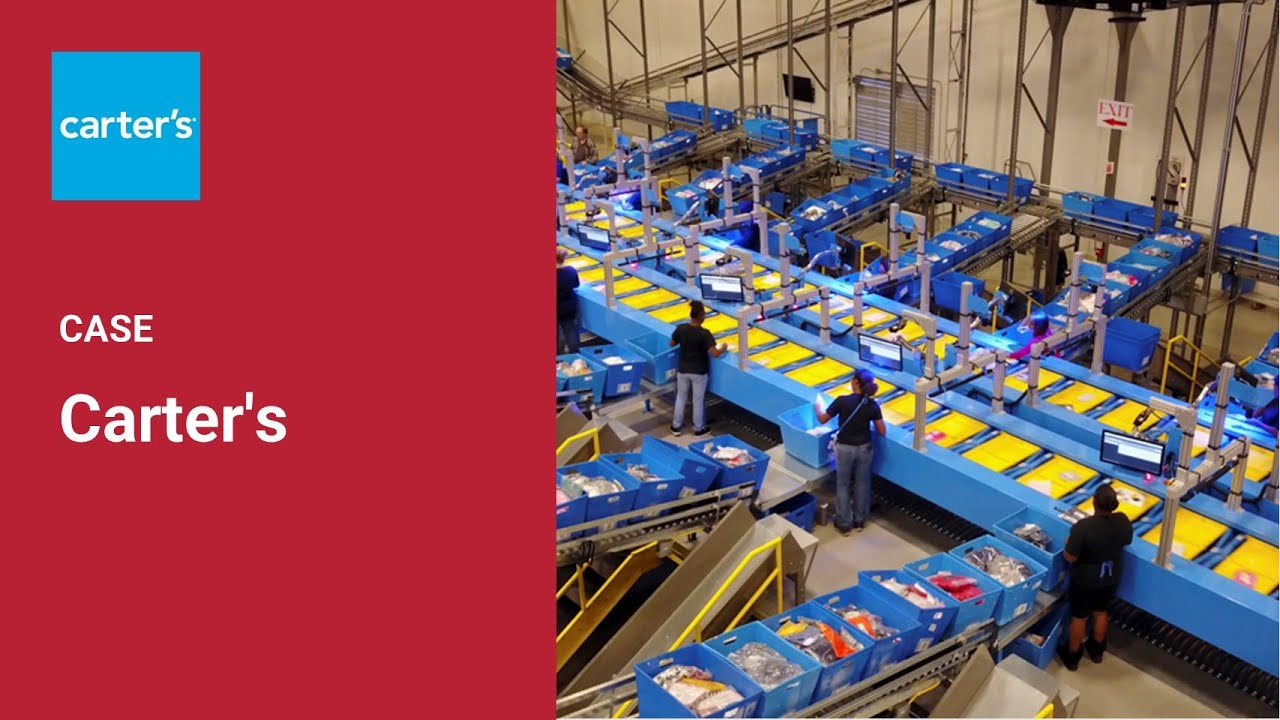
Carter's / OshKosh USA Distribution Center
Element Logic

MULTIFLEX Pallet Warehouse: High-Density Frozen Storage
MFI (implied contractor)
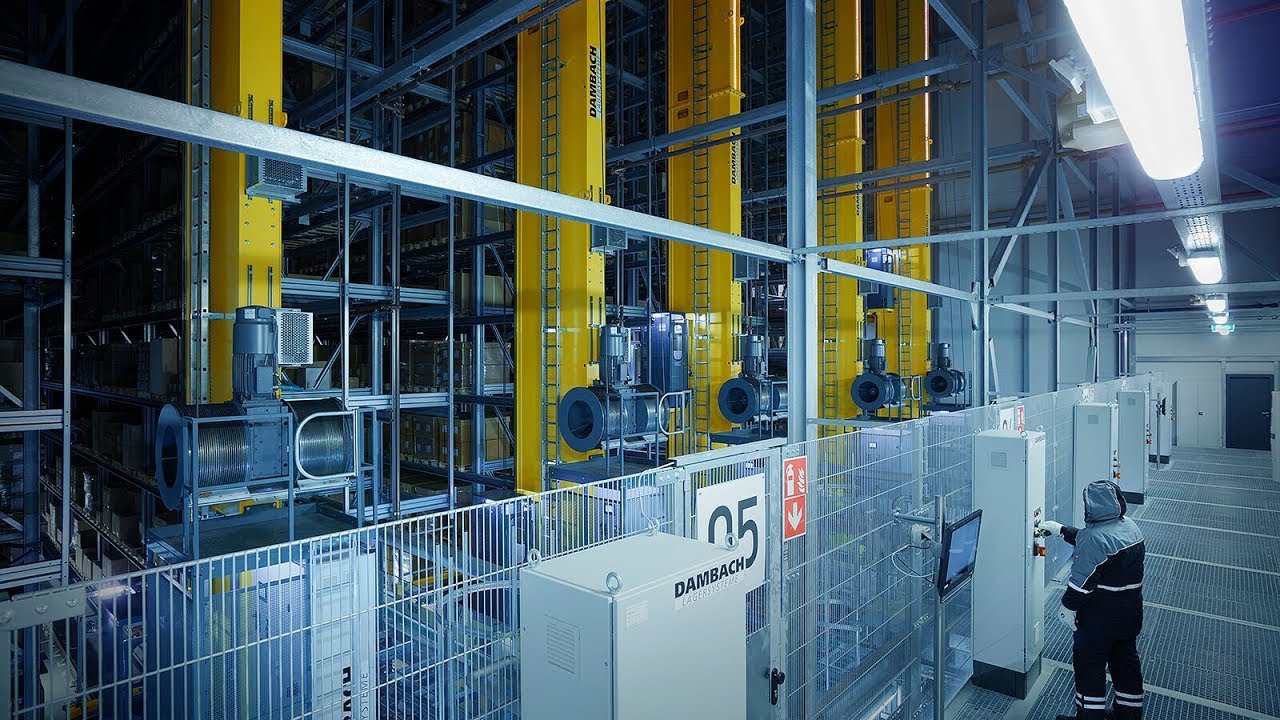
LIEKEN High Bay Cold Store for Baked Goods
DAMBACH
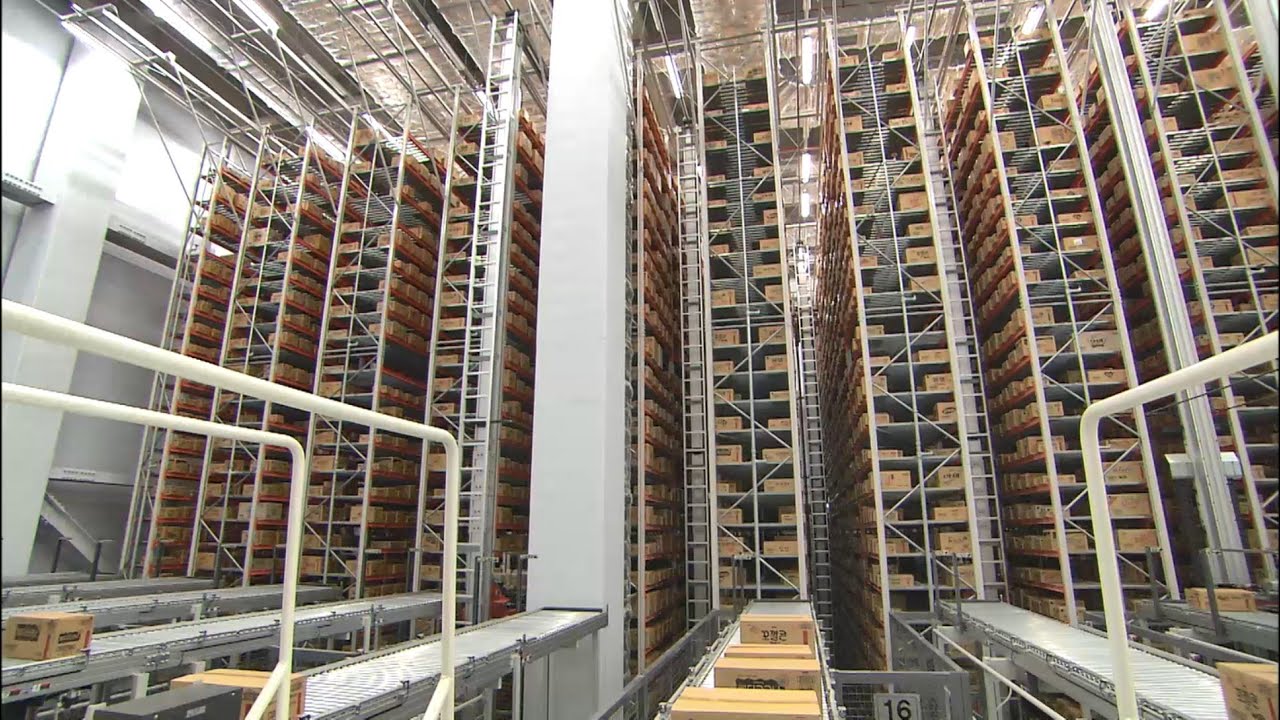
Lotte Korea Confectionery Centralized Distribution Center
Daifuku
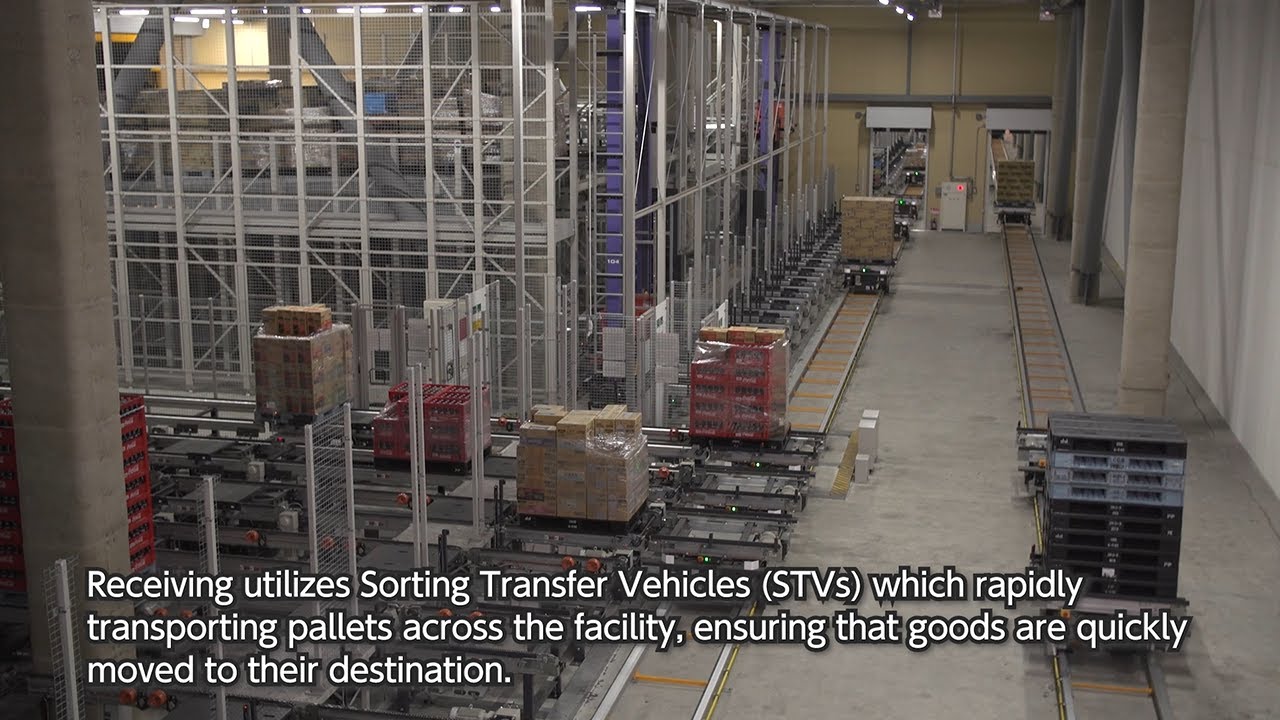
Coca-Cola Bottlers Japan Akashi Mega Distribution Center
Daifuku