Fashion & Apparel
Fashion and apparel fulfillment faces unique challenges with high SKU counts, seasonal volatility, and elevated return rates, requiring flexible automation that handles hanging garments, folded items, and accessories efficiently.
Fashion & Apparel Distribution
Operations Profile
- •High SKU count (size/color variants)
- •Seasonal collections
- •Fast fashion (quick turnaround)
- •Omnichannel fulfillment
Key Challenges
- •High return rates (20-40%)
- •Trend-driven demand volatility
- •End-of-season markdowns
- •Hanging vs. folded handling
Storage Technologies
- •Garment-on-hanger (GOH) systems
- •Tote-based storage (folded)
- •AutoStore for accessories
- •Carton flow racking
Picking Solutions
- •Goods-to-person (200-400 picks/hr)
- •Put walls for batch picking
- •Overhead GOH conveyors
- •RFID for inventory accuracy
Returns Management
- •Automated sortation
- •Quality inspection stations
- •Repackaging automation
- •Liquidation routing
Software Integration
- •OMS (order management)
- •Distributed order management
- •RFID inventory tracking
- •E-commerce platform sync
🌐 Industry Overview
Fashion and apparel fulfillment represents one of the most complex segments in warehouse automation due to extreme SKU proliferation, seasonal demand volatility, and high return rates. A single product style may have 50+ SKUs when accounting for sizes, colors, and variations. Seasonal collections create massive inventory turnover—spring/summer and fall/winter lines require complete warehouse reconfigurations twice yearly.
The industry is characterized by fast fashion's rapid product cycles (2-4 weeks from design to shelf) and traditional retail's seasonal patterns. E-commerce has transformed the sector, with online penetration reaching 30-40% for many brands. This creates dual fulfillment requirements: bulk shipments to stores and individual e-commerce orders, often from the same inventory pool.
🏭 Warehouse Operations Characteristics
Fashion warehouses handle both hanging garments (garment-on-hanger or GOH) and folded items, requiring different storage and handling systems. SKU counts typically range from 20,000 to 100,000+ items, with extreme velocity variation—bestsellers may turn 50+ times annually while slow movers sit for months. Size curves add complexity, with certain sizes (M, L) moving much faster than others (XS, XXL).
Return rates are significantly higher than other e-commerce sectors, often reaching 30-40% for online orders. Returns must be quickly inspected, processed, and returned to available inventory or marked for liquidation. This reverse logistics capability is critical for profitability. Seasonal transitions require rapid inventory changes, with old season merchandise cleared out and new collections deployed within tight windows.
⚠️ Key Challenges
High return rates create significant operational burden and cost. Each return must be inspected for condition, repackaged if necessary, and returned to inventory—or diverted to outlet channels or liquidation. Processing returns efficiently while maintaining quality standards is critical. The inspection process is largely manual, making it labor-intensive.
SKU proliferation makes inventory management extremely complex. With 50+ variations per style, maintaining optimal stock levels across all sizes and colors is challenging. Stockouts in popular sizes lose sales, while excess inventory in slow sizes ties up capital. Size curve optimization requires sophisticated analytics and frequent adjustments.
Seasonal volatility creates capacity planning challenges. Facilities must handle 2-3x normal volumes during peak seasons (back-to-school, holidays) and seasonal transitions. Labor scaling is difficult given the specialized knowledge required for fashion handling. Space utilization varies dramatically—peak season requires maximum capacity while off-season leaves facilities underutilized.
🤖 Suitable Technologies
Storage Solutions: Garment-on-hanger (GOH) systems with overhead conveyors or vertical carousels preserve garment quality and reduce handling. Automated storage for folded items uses shuttle systems or goods-to-person solutions. Dynamic slotting by size and velocity optimizes pick density. Reserve storage holds seasonal inventory awaiting deployment.
Transport Systems: Overhead conveyor systems transport hanging garments throughout the facility. AMRs handle totes and boxes of folded items. Sorters route items to different processing areas based on order type, destination, or return status. Vertical conveyors enable multi-floor operations separating GOH and folded item processing.
Picking Technologies: Goods-to-person systems achieve high pick rates for folded items. GOH picking from overhead systems maintains garment quality. Put walls enable batch picking across multiple orders. Automated bagging or poly-bagging systems prepare items for shipment. Pick-to-light or voice systems guide pickers through complex size/color matrices.
Software Systems: Advanced WMS with fashion-specific features: size curve management, seasonal planning, style/color/size matrix handling. Returns management systems automate inspection workflows and disposition decisions. Allocation engines optimize inventory distribution across channels and locations. Integration with PLM (Product Lifecycle Management) systems for new product introductions.
🎯 Technology Selection Criteria
Flexibility to handle both GOH and folded items is essential—many operations process both formats. Scalability must accommodate seasonal peaks without excessive capital investment in capacity used only part of the year. Consider modular systems that can be expanded incrementally. Returns processing capability should be evaluated carefully—this is often an afterthought but critical for fashion profitability.
Quality preservation is important—automation must not damage garments or packaging. This is particularly critical for luxury brands where presentation matters. Integration with fashion-specific systems (PLM, allocation, markdown optimization) is more complex than general e-commerce. ROI calculations should include benefits from improved inventory turnover and reduced markdowns, not just labor savings.
💡 Implementation Considerations
Start with high-velocity items and proven technologies before tackling complex GOH systems. Many operations begin with folded item automation and add GOH capabilities later. Returns processing should be addressed early—it's tempting to focus on outbound efficiency, but returns volume in fashion makes this a critical capability.
Seasonal timing is crucial—avoid implementations during peak seasons or seasonal transitions. Plan for 9-12 months from project start to operation. Build flexibility for future changes—fashion trends and business models evolve rapidly. Consider separate processing for different price points or brands if quality requirements vary significantly.
Workforce training is more extensive than general e-commerce due to product knowledge requirements and quality standards. Plan for longer ramp-up periods. Test thoroughly with actual product before going live—fashion items often behave differently than test materials used during installation.
Related Technologies (6)
Dual Split Tray (Bomb Bay) Sorter for Apparel E-Commerce
byOthers
Pouch Sorter: Overhead Handling for Flat-Packed Items
bypsb intralogistics GmbH
OmniPick Sorter System: Zero-Touch End-to-End Pocket Sortation
byTGW Logistics
CVP Impack: Automated Packaging Solution for E-commerce
bySparck Technologies
Pick-it-Easy Robot: Industry-Grade Robotic Picking Solution
byKnapp
RackBot™ Tote ASRS: Flexible Goods-to-Person Automation
byOthers
Related Topics
Consumer Goods
Consumer goods distribution serves retail stores and e-commerce channels with fast-moving packaged products, requiring high-throughput automation for case-picking, pallet building, and efficient store replenishment alongside direct-to-consumer fulfillment.
E-commerce Fulfillment
E-commerce fulfillment centers handle high-volume, small-order processing with strict time requirements, requiring flexible automation solutions for efficient order picking and shipping.
General Merchandise
General merchandise distribution handles diverse product categories from home goods to electronics, requiring versatile automation solutions that accommodate varying sizes, weights, and handling requirements across broad product ranges.
Omnichannel Retail
Omnichannel retail fulfillment integrates online and offline channels, requiring flexible warehouse operations that support store replenishment, e-commerce orders, and buy-online-pickup-in-store (BOPIS) simultaneously.
Retail & E-commerce Segment Comparison
Understanding the differences between retail and e-commerce segments helps in selecting the right warehouse technologies and strategies for your specific business model.
| Aspect | E-commerce Fulfillment | Omnichannel Retail | Fashion & Apparel | General Merchandise | Consumer Goods |
|---|---|---|---|---|---|
| Order Profile | 1-5 items per order, B2C focused | Mixed: Store replenishment + individual orders | High SKU variety, seasonal collections | Wide product range, mixed sizes | High-volume, standardized products |
| SKU Count | 10,000-100,000+ | 20,000-50,000 | 5,000-30,000 per season | 50,000-200,000+ | 1,000-10,000 |
| Order Volume | 50,000-200,000+ orders/day | 10,000-50,000 orders/day | 5,000-20,000 orders/day | 20,000-100,000 orders/day | 1,000-10,000 orders/day |
| Delivery Speed | Same-day to 2-day | Same-day to next-day | 2-5 days standard | 1-3 days | 1-2 days |
| Peak Seasonality | 2-3x during holidays | 2x during holidays | 3-5x during season launches | 1.5-2x during holidays | Relatively stable |
| Return Rate | 15-25% | 20-30% | 30-40% (highest) | 10-20% | 5-10% (lowest) |
| Storage Density | High-density G2P systems | Mixed: Pallets + G2P | Hanging garments + shelving | Multi-level racking | Pallet-based bulk storage |
| Picking Method | Piece picking, G2P | Mixed: Case + piece picking | Piece picking, manual + automated | Case + piece picking | Full pallet + case picking |
| Automation Level | High (60-80%) | Medium-High (40-60%) | Medium (30-50%) | Medium (40-60%) | Medium-High (50-70%) |
| Key Technologies | AutoStore, AMR, sorters | Shuttle systems, AGV, WMS | Hanging sorters, RFID, G2P | AS/RS, conveyors, WCS | Pallet AS/RS, AGV, layer picking |
| Typical Facility Size | 200,000-1M+ sq ft | 300,000-800,000 sq ft | 100,000-500,000 sq ft | 500,000-2M+ sq ft | 200,000-1M+ sq ft |
| Labor Intensity | High (but automating) | High | Very High (manual handling) | Medium-High | Medium |
| Inventory Turns | 8-12x per year | 6-10x per year | 4-6x per year | 6-8x per year | 10-15x per year |
| Primary Challenge | Peak capacity + speed | Channel integration | Trend forecasting + returns | SKU complexity | Cost efficiency |
| Investment Priority | G2P systems, sorters | Flexible automation, OMS | Returns processing, RFID | Storage density, WMS | Pallet automation, throughput |
E-commerce Fulfillment
Omnichannel Retail
Fashion & Apparel
General Merchandise
Consumer Goods
Key Insights
E-commerce Fulfillment excels at high-volume, small-order processing with the fastest delivery requirements. Automation focus is on goods-to-person systems and high-speed sortation to maximize picks per hour and reduce labor costs.
Omnichannel Retail must balance store replenishment (case/pallet level) with individual e-commerce orders, requiring flexible automation that can handle both. Integration between channels is the primary technical challenge.
Fashion & Apparel deals with the highest return rates and most complex inventory management due to size/color variations and seasonal collections. Hanging garment systems and RFID technology are industry-specific requirements.
General Merchandise handles the widest product variety from small items to large appliances, requiring diverse storage and handling solutions. SKU complexity and space optimization are key challenges.
Consumer Goods focuses on high-volume, standardized products with the most stable demand patterns. Automation emphasis is on pallet-level handling and maximizing throughput efficiency with lower labor intensity.
Quick Navigation
Overview
Related Projects(6)
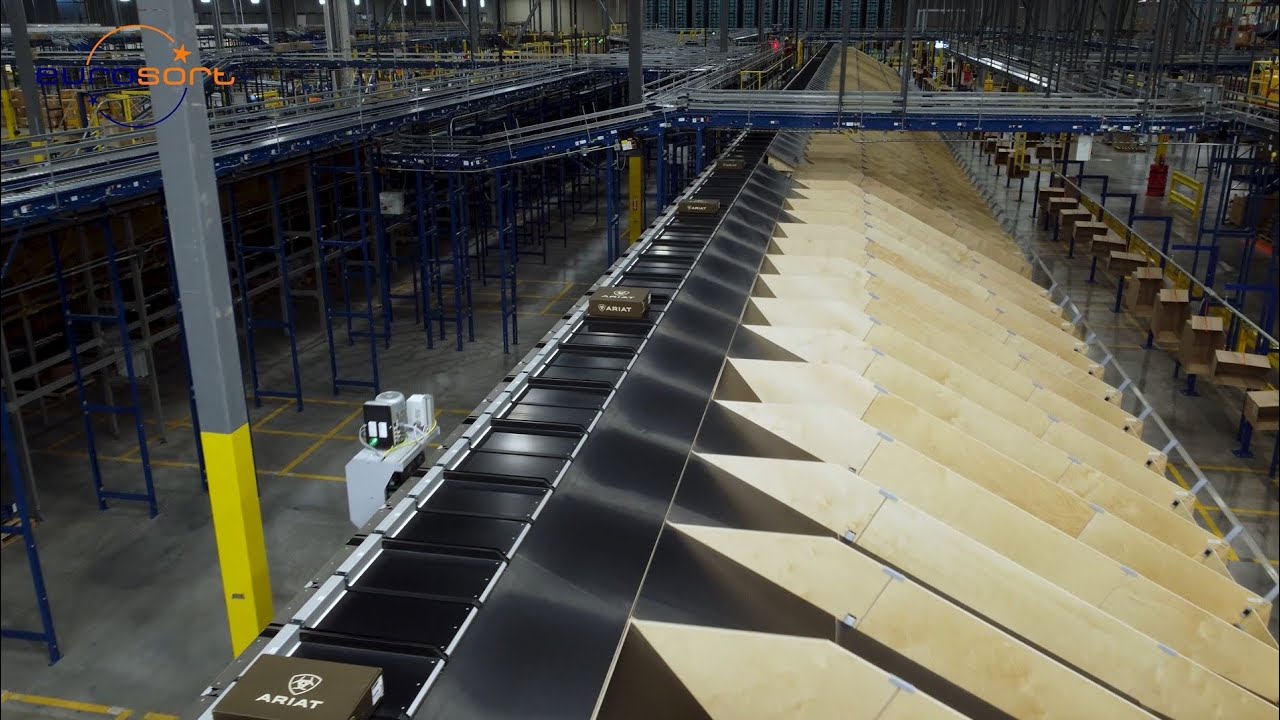
Ariat Wholesale Footwear & Apparel Order Fulfillment Center
EuroSort
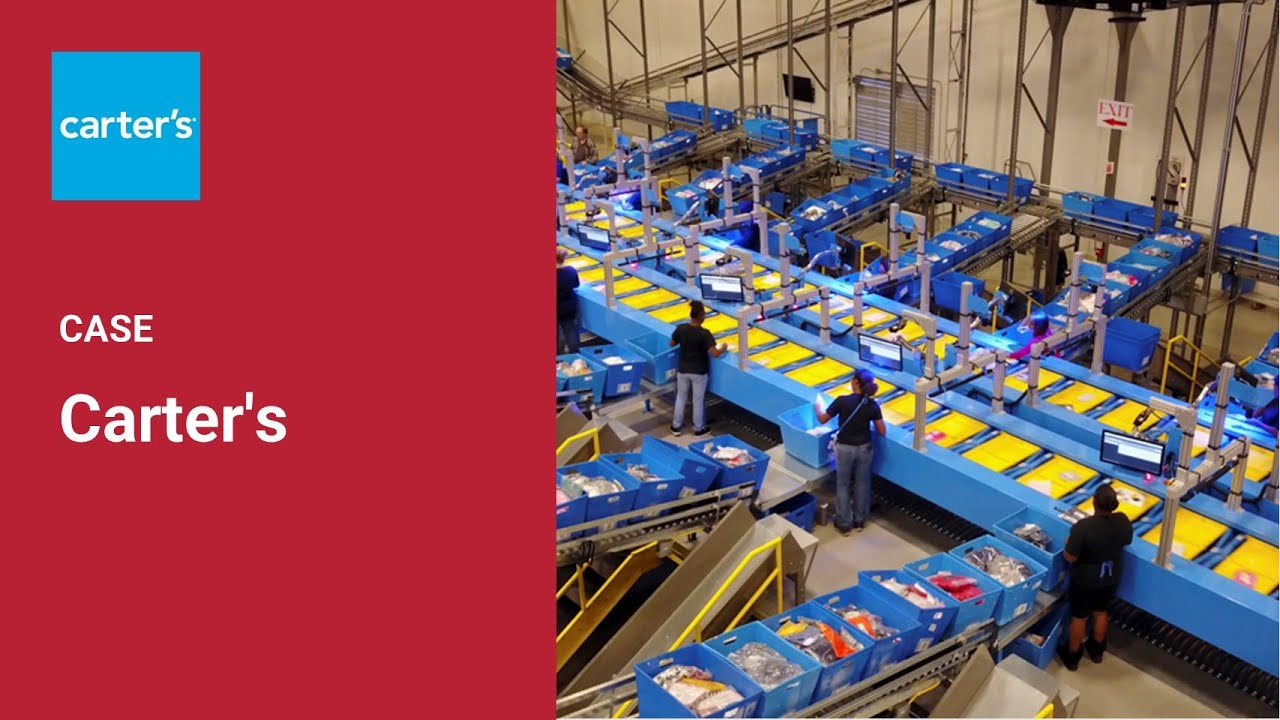
Carter's / OshKosh USA Distribution Center
Element Logic

Calzedonia Group Italian Distribution Center Pouch System
Beumer Group
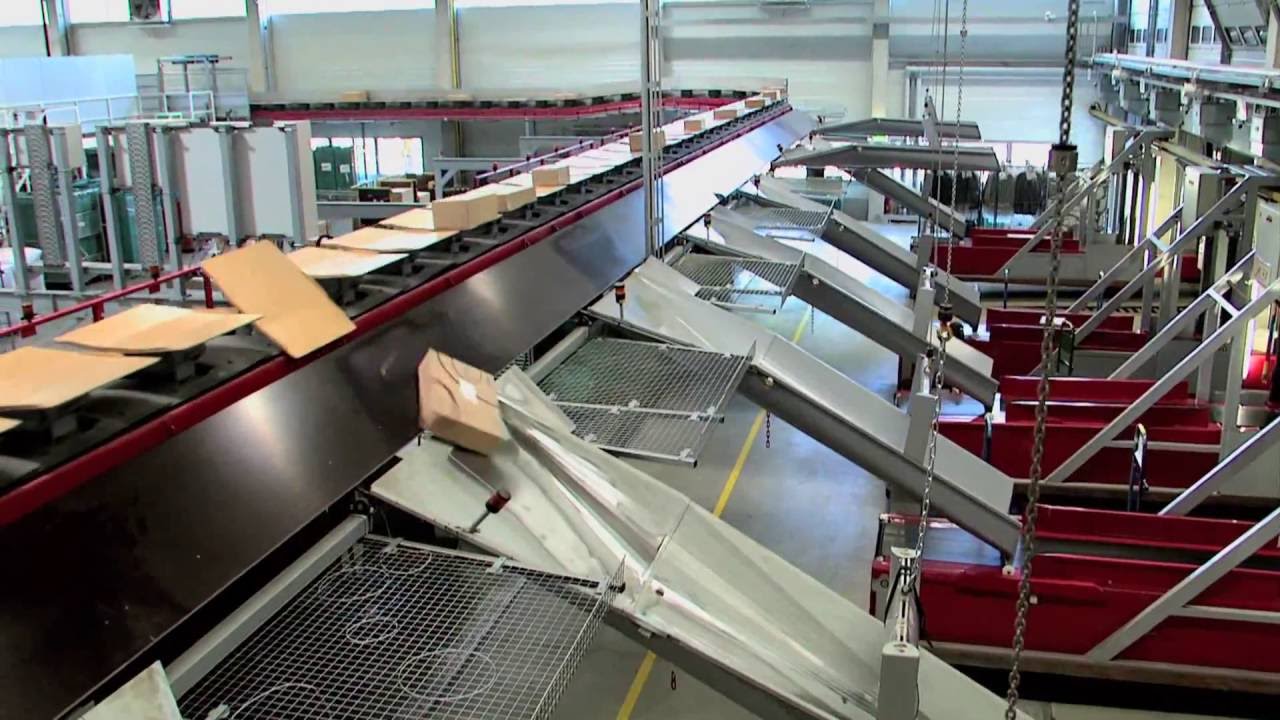
Witt-Gruppe Weiden Distribution Center
Beumer Group
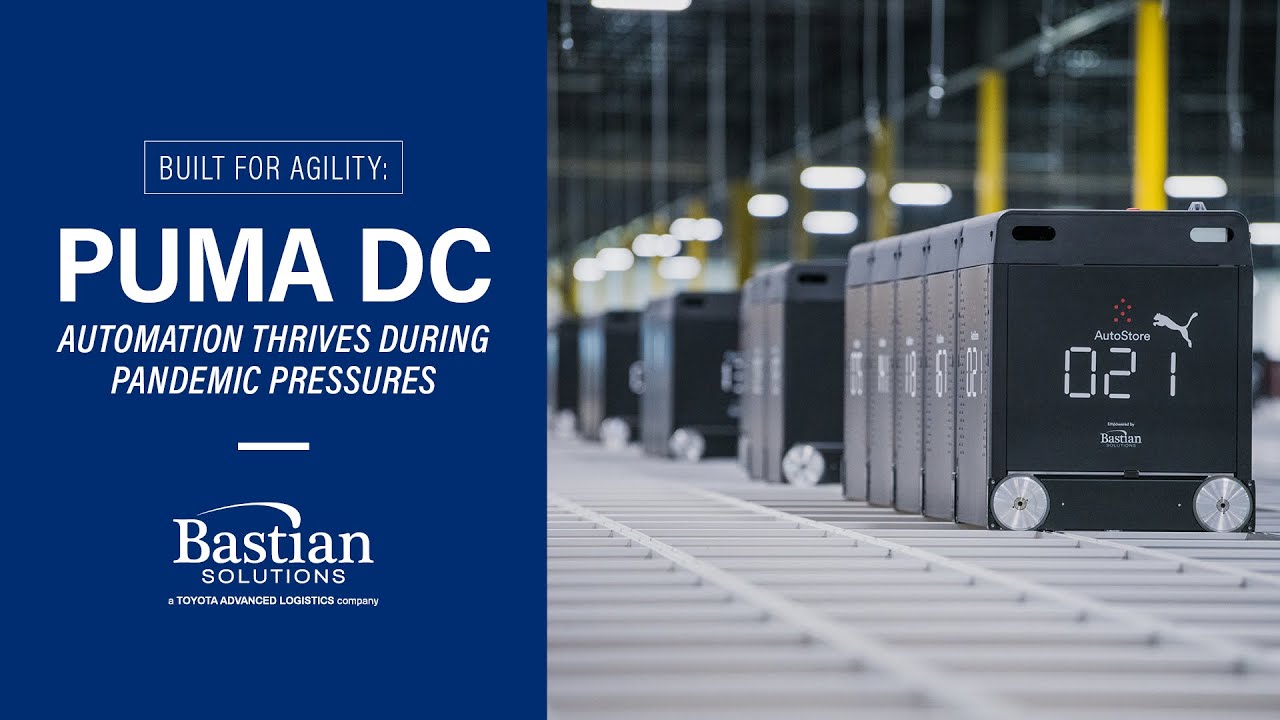
PUMA Indianapolis Pandemic-Resilient Distribution Center
Bastian Solutions
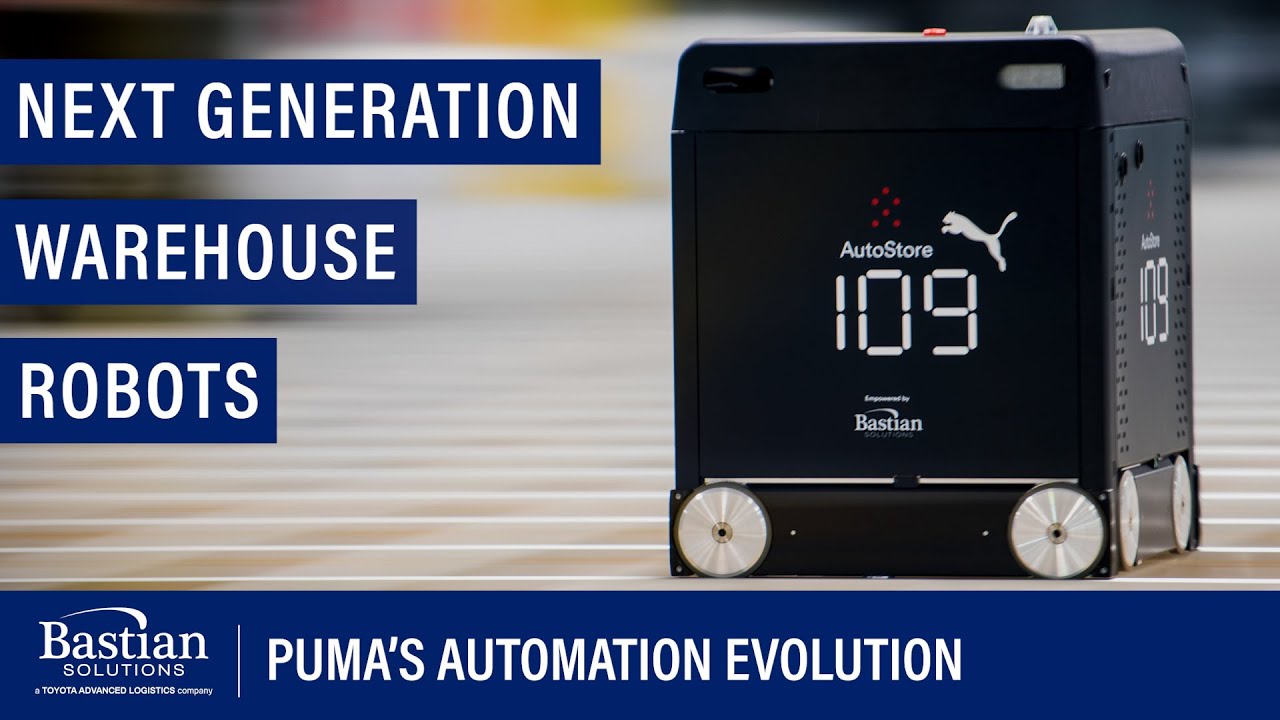
PUMA Indianapolis East Coast Distribution Center
Bastian Solutions
Related Suppliers(3)

Addverb
Warehouse Automation that delivers value!

AR Racking
Storage Solutions and Industrial Racking

Bastian Solutions
A Toyota Advanced Logistics Company