E-commerce Fulfillment
E-commerce fulfillment centers handle high-volume, small-order processing with strict time requirements, requiring flexible automation solutions for efficient order picking and shipping.
E-commerce Fulfillment Ecosystem
Operations Profile
- •50K-200K+ orders/day
- •1-5 items per order
- •10K-100K+ SKUs
- •Same/next-day delivery
Key Challenges
- •Peak season (2-3x volume)
- •High labor turnover (100%+)
- •Returns (20-30% rate)
- •Cost pressure (thin margins)
Storage Solutions
- •AutoStore systems
- •Shuttle systems
- •Vertical lift modules
- •Multi-deep storage
Picking Technologies
- •Goods-to-person (300-500 picks/hr)
- •Put walls (batch picking)
- •Robotic piece-picking
- •Vision systems
Transport & Sortation
- •AMRs (flexible scaling)
- •High-speed sorters (10K-30K/hr)
- •Automated packing stations
- •Right-sizing systems
Software Systems
- •WMS with wave planning
- •WES coordination
- •Order management systems
- •Real-time inventory visibility
🌐 Industry Overview
E-commerce fulfillment represents one of the fastest-growing segments in warehouse automation, driven by explosive online shopping growth and rising customer expectations for fast delivery. This sector processes millions of small, individual orders daily, with typical order sizes ranging from 1-5 items. The business model is predominantly B2C (business-to-consumer), though B2B e-commerce is also growing rapidly.
Market growth has been accelerated by consumer behavior shifts, with online penetration reaching 20-30% in developed markets and continuing to climb. Major players include pure-play e-commerce giants, omnichannel retailers, and third-party logistics providers specializing in e-commerce fulfillment. The sector is characterized by thin margins, intense competition, and constant pressure to reduce delivery times while maintaining profitability.
🏭 Warehouse Operations Characteristics
E-commerce fulfillment centers operate with distinct characteristics that differentiate them from traditional distribution. Order volumes are extremely high—often processing 50,000-200,000+ orders daily in large facilities. Each order typically contains 1-5 SKUs, requiring efficient small-item picking operations. SKU counts range from 10,000 to 100,000+ items, with significant variation in velocity—a small percentage of SKUs account for the majority of picks.
Time sensitivity is critical, with same-day and next-day delivery becoming standard expectations. This requires processing orders within 2-4 hour windows and maintaining high picking accuracy (99.5%+) to minimize returns and customer complaints. Operations often run 16-24 hours daily, with significant volume spikes during promotional events, holidays, and seasonal peaks that can double or triple normal volumes.
⚠️ Key Challenges
Peak season management represents the primary challenge, with facilities needing to handle 2-3x normal volumes during holidays while maintaining service levels. This requires flexible automation that can scale capacity and often necessitates temporary labor that must be quickly trained. Labor management is increasingly difficult due to tight labor markets, high turnover rates (often 100%+ annually), and the need for workers who can maintain high productivity and accuracy.
Inventory accuracy must be maintained at 99%+ levels across tens of thousands of SKUs, requiring robust cycle counting programs and real-time inventory tracking. Returns processing adds complexity, with e-commerce return rates of 20-30% (higher for apparel) requiring efficient reverse logistics capabilities. Cost pressure is relentless—facilities must continuously reduce cost-per-order while improving service levels, driving the business case for automation.
🤖 Suitable Technologies
Storage Solutions: Goods-to-person systems dominate, including AutoStore, shuttle systems, and vertical lift modules for high-density storage of fast-moving items. Conventional shelving remains important for slower-moving inventory. Multi-deep storage maximizes space utilization in expensive urban locations near customers.
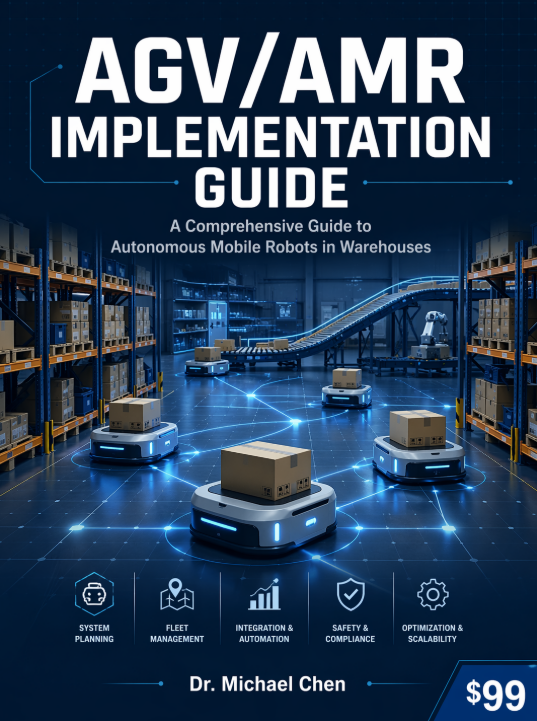
Transport Systems: Autonomous mobile robots (AMRs) provide flexible goods-to-person transport, easily scaling for peak seasons. Conveyor systems handle high-volume order consolidation and sorting. Vertical conveyors maximize use of building height in multi-floor facilities.
Picking Technologies: Goods-to-person workstations with pick-to-light or voice systems achieve 300-500+ picks per hour. Robotic piece-picking is emerging for specific applications. Put walls enable efficient batch picking and sorting for multiple orders simultaneously. Vision systems and barcode scanning ensure picking accuracy.
Sortation Systems: High-speed sorters (cross-belt, tilt-tray) process 10,000-30,000+ items per hour for order consolidation. Bomb-bay sorters provide cost-effective solutions for medium volumes. Automated packing stations with right-sizing capabilities reduce shipping costs.
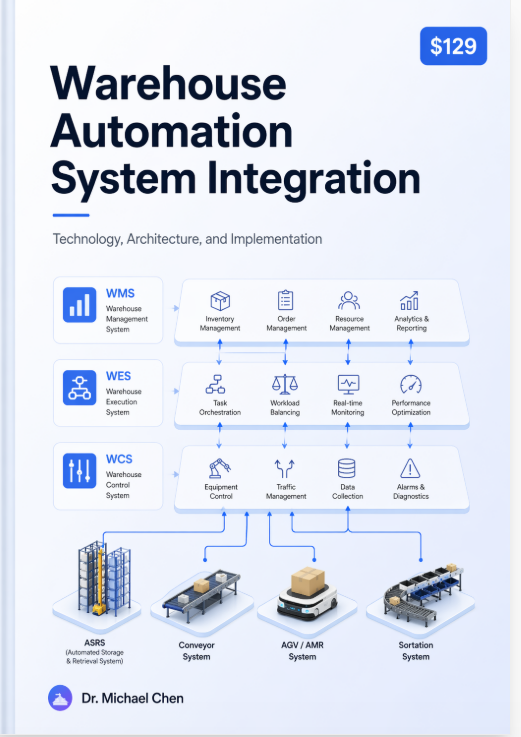
Software Systems: Advanced WMS with wave planning and order optimization is essential. WES (Warehouse Execution Systems) coordinate multiple automation systems. Order management systems integrate with e-commerce platforms. Real-time inventory visibility across channels is critical for omnichannel operations.
🎯 Technology Selection Criteria
ROI timelines of 2-4 years are typical, with payback driven by labor savings, increased throughput, and improved accuracy. Scalability is critical—systems must handle 2-3x peak volumes and allow incremental capacity additions as business grows. Flexibility to handle changing product mixes, order profiles, and seasonal variations is essential.
Integration complexity must be carefully evaluated—systems need to work together seamlessly and integrate with existing IT infrastructure. Vendor stability and support capabilities are important given the mission-critical nature of fulfillment operations. Total cost of ownership including maintenance, software updates, and operational costs should be considered beyond initial capital investment.
💡 Implementation Considerations
Phased implementation is recommended, starting with highest-ROI areas (typically fast-moving SKU storage and picking) and expanding incrementally. This reduces risk, allows learning, and matches capital investment to business growth. Existing operations can often continue during implementation with careful planning.
Change management is critical—workforce training, process redesign, and organizational adaptation require as much attention as technology installation. Plan for 6-12 months from project start to full operation for significant automation projects. Ensure adequate space for future expansion and technology upgrades.
Integration with existing systems (WMS, ERP, e-commerce platforms) requires careful planning and testing. Consider peak season timing—avoid going live just before major holidays. Build in redundancy and manual backup procedures for mission-critical operations.
Related Technologies (6)
Mini FlyPick Robot: Compact High-Speed Sorting AMR
byOthers
Sorting Technology Demonstration and Testing
byEuroSort
Split Tray (Bomb Bay) Sorter Compilation: Versatile High-Speed Sortation
byOthers
Patented Dual Split Tray (Bomb Bay) Sorter with Batch Induction
byOthers
Dual Split Tray (Bomb Bay) Sorter for Apparel E-Commerce
byOthers
MINI-LOAD Automated Small-Parts Storage System
byDAMBACH
Related Topics
Consumer Goods
Consumer goods distribution serves retail stores and e-commerce channels with fast-moving packaged products, requiring high-throughput automation for case-picking, pallet building, and efficient store replenishment alongside direct-to-consumer fulfillment.
Fashion & Apparel
Fashion and apparel fulfillment faces unique challenges with high SKU counts, seasonal volatility, and elevated return rates, requiring flexible automation that handles hanging garments, folded items, and accessories efficiently.
General Merchandise
General merchandise distribution handles diverse product categories from home goods to electronics, requiring versatile automation solutions that accommodate varying sizes, weights, and handling requirements across broad product ranges.
Omnichannel Retail
Omnichannel retail fulfillment integrates online and offline channels, requiring flexible warehouse operations that support store replenishment, e-commerce orders, and buy-online-pickup-in-store (BOPIS) simultaneously.
Retail & E-commerce Segment Comparison
Understanding the differences between retail and e-commerce segments helps in selecting the right warehouse technologies and strategies for your specific business model.
| Aspect | E-commerce Fulfillment | Omnichannel Retail | Fashion & Apparel | General Merchandise | Consumer Goods |
|---|---|---|---|---|---|
| Order Profile | 1-5 items per order, B2C focused | Mixed: Store replenishment + individual orders | High SKU variety, seasonal collections | Wide product range, mixed sizes | High-volume, standardized products |
| SKU Count | 10,000-100,000+ | 20,000-50,000 | 5,000-30,000 per season | 50,000-200,000+ | 1,000-10,000 |
| Order Volume | 50,000-200,000+ orders/day | 10,000-50,000 orders/day | 5,000-20,000 orders/day | 20,000-100,000 orders/day | 1,000-10,000 orders/day |
| Delivery Speed | Same-day to 2-day | Same-day to next-day | 2-5 days standard | 1-3 days | 1-2 days |
| Peak Seasonality | 2-3x during holidays | 2x during holidays | 3-5x during season launches | 1.5-2x during holidays | Relatively stable |
| Return Rate | 15-25% | 20-30% | 30-40% (highest) | 10-20% | 5-10% (lowest) |
| Storage Density | High-density G2P systems | Mixed: Pallets + G2P | Hanging garments + shelving | Multi-level racking | Pallet-based bulk storage |
| Picking Method | Piece picking, G2P | Mixed: Case + piece picking | Piece picking, manual + automated | Case + piece picking | Full pallet + case picking |
| Automation Level | High (60-80%) | Medium-High (40-60%) | Medium (30-50%) | Medium (40-60%) | Medium-High (50-70%) |
| Key Technologies | AutoStore, AMR, sorters | Shuttle systems, AGV, WMS | Hanging sorters, RFID, G2P | AS/RS, conveyors, WCS | Pallet AS/RS, AGV, layer picking |
| Typical Facility Size | 200,000-1M+ sq ft | 300,000-800,000 sq ft | 100,000-500,000 sq ft | 500,000-2M+ sq ft | 200,000-1M+ sq ft |
| Labor Intensity | High (but automating) | High | Very High (manual handling) | Medium-High | Medium |
| Inventory Turns | 8-12x per year | 6-10x per year | 4-6x per year | 6-8x per year | 10-15x per year |
| Primary Challenge | Peak capacity + speed | Channel integration | Trend forecasting + returns | SKU complexity | Cost efficiency |
| Investment Priority | G2P systems, sorters | Flexible automation, OMS | Returns processing, RFID | Storage density, WMS | Pallet automation, throughput |
E-commerce Fulfillment
Omnichannel Retail
Fashion & Apparel
General Merchandise
Consumer Goods
Key Insights
E-commerce Fulfillment excels at high-volume, small-order processing with the fastest delivery requirements. Automation focus is on goods-to-person systems and high-speed sortation to maximize picks per hour and reduce labor costs.
Omnichannel Retail must balance store replenishment (case/pallet level) with individual e-commerce orders, requiring flexible automation that can handle both. Integration between channels is the primary technical challenge.
Fashion & Apparel deals with the highest return rates and most complex inventory management due to size/color variations and seasonal collections. Hanging garment systems and RFID technology are industry-specific requirements.
General Merchandise handles the widest product variety from small items to large appliances, requiring diverse storage and handling solutions. SKU complexity and space optimization are key challenges.
Consumer Goods focuses on high-volume, standardized products with the most stable demand patterns. Automation emphasis is on pallet-level handling and maximizing throughput efficiency with lower labor intensity.
Related Tags
Quick Navigation
Overview
Related Projects(3)
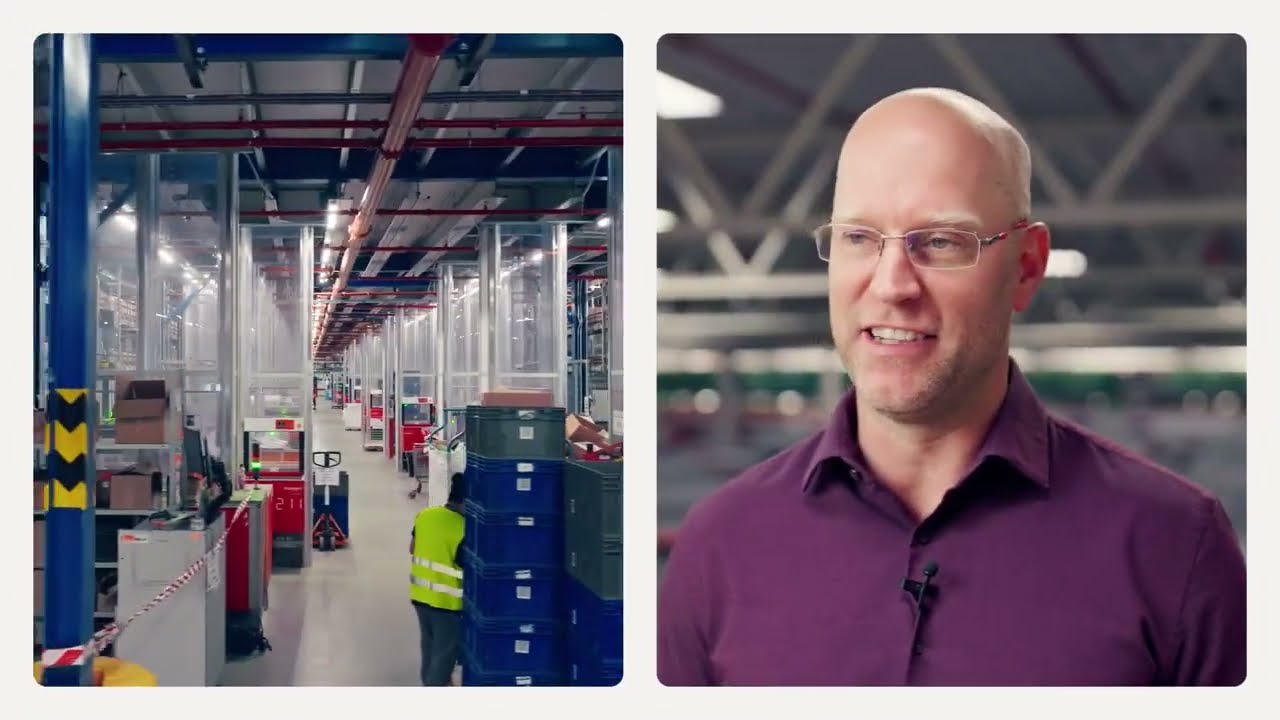
Alza Prague High-Throughput Fulfillment Center
Element Logic
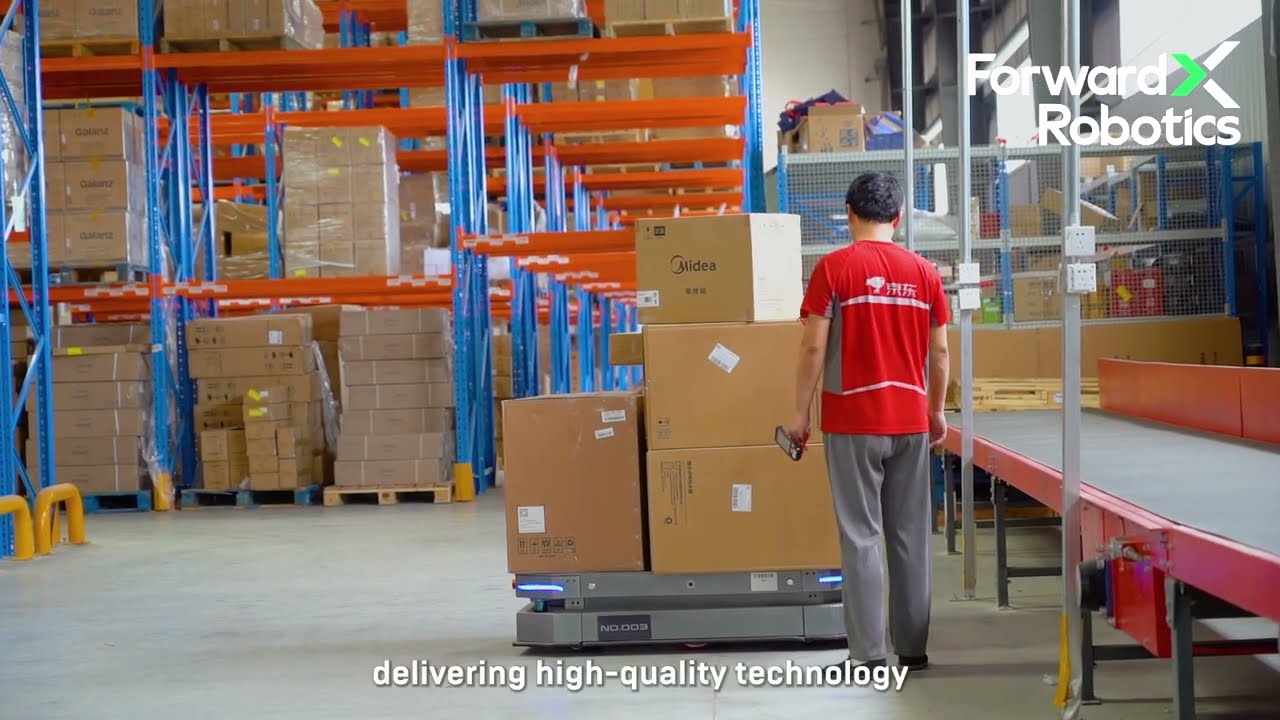
JD.com - Flexible Case Picking Automation with ForwardX Robotics AMRs
ForwardX Robotics
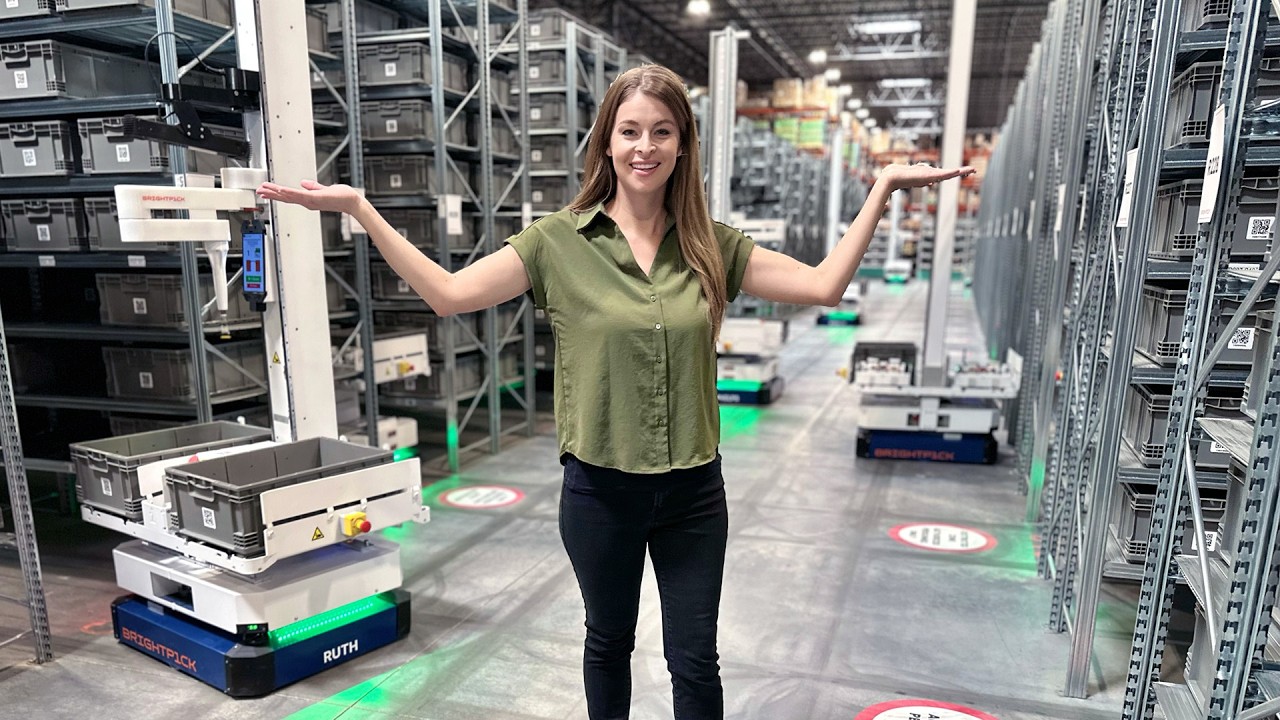
The Feed Sports Nutrition Automated Fulfillment Center with Brightpick
Brightpick