LS-4000flexbelt Sorter: Dual-Parcel and Large-Parcel Sorting
Quick Facts
Technology Performance Metrics
⭐Key Features
Benefits
Applications
Detailed Information
Technology Overview
The LS-4000flexbelt sorter is an innovative adaptation of the high-speed cross-belt loop sorter, designed to address the need for greater flexibility and capacity in parcel and postal sorting operations. The core idea is elegantly simple yet powerful: by modifying the induction and discharge logic, a single sorter cell can handle two small items at once or one large item, adapting to the real-time mix of traffic. This technology is particularly relevant for postal and courier services that manage a wide spectrum of items, from letters and small packets to larger parcels, seeking to optimize their capital investment in a single, versatile sorting system.
Its development stems from the demand to efficiently handle the volatile mix of parcel sizes in modern logistics, especially as e-commerce drives growth in both small-package and oversized item delivery. The design's true value emerges in its dual-mode operation, making it a strategic asset for organizations looking to consolidate sorting operations and enter new service markets without significant additional infrastructure.
How It Works
Core Principles
The system operates on the principle of a standard cross-belt sorter but with enhanced induction and control logic. The key innovation is the ability to place two compatible smaller items side-by-side on a single cross-belt carrier. The sorter's control system is then programmed to discharge these two items independently to two different destination chutes during its travel along the loop. This "two-for-one" principle is the foundation of its capacity-doubling potential.
Key Features & Capabilities
Dual-Parcel Sorting: The standout feature is the ability to sort two smaller packages simultaneously on one carrier. This is achieved through precise side-by-side placement on the cross-belt and independent discharge commands, effectively allowing two sort decisions per carrier cycle and maximizing throughput for small-item streams.
Size-Agnostic Flexibility: The sorter is designed to be just as efficient with a single large parcel as it is with two small ones. This flexibility means the system does not need to be dedicated to a specific parcel size profile. It can automatically adapt its processing mode based on what is presented at induction, making it a future-proof investment against changing shipment characteristics.
High-Speed Loop Platform: Built on a proven high-speed cross-belt loop sorter foundation, it maintains the throughput, reliability, and gentle handling characteristics of its base technology while adding a significant layer of capacity and operational flexibility.
Advantages & Benefits
The primary benefit is a theoretical doubling of sorting capacity when processing streams of small, compatible items. This can lead to massive throughput gains, delay or eliminate the need for a second sorter line, and improve return on investment. The operational flexibility to handle a wildly varying mix of item sizes—from letters to large parcels—within a single system simplifies facility planning, reduces operational complexity, and minimizes the need for multiple, specialized sortation systems. For postal services, this makes it extremely attractive for market expansion, such as profitably moving into the high-volume overnight letter market using existing or new parcel sorting infrastructure, thereby consolidating networks and reducing overall costs.
Implementation Considerations
Successful implementation hinges on a sophisticated induction system that can reliably and at high speed place two items correctly on a carrier without jamming or misalignment. The control software must be exceptionally robust to manage the complex routing logic, real-time decisions for dual discharges, and potential recirculation scenarios. Operations must analyze their parcel size and shape distribution to ensure a high percentage of items are compatible with dual sorting, making the capacity-doubling feature financially justifiable against the increased system complexity and potential cost.
Use Cases & Applications
Ideal For
This technology is ideal for national postal services, global parcel express carriers, and large third-party logistics (3PL) providers that handle a vast and unpredictable daily mix of item sizes and are driven by the need for high throughput, operational agility, and network consolidation.
Performance Metrics
While specific numeric throughput (e.g., parcels per hour) is not provided in the source, the core value proposition is a theoretical 100% capacity increase (doubling) for streams of small, pair-able items. The realized efficiency gain is directly proportional to the percentage of sortable traffic that can utilize the dual-parcel mode. The system's flexibility (ability to handle single large items) is a key performance attribute, potentially achieving near 100% utilization regardless of daily size mix fluctuations. The cost-effectiveness score is high due to the capacity multiplication effect on a largely fixed asset base.
Future Trends
The concept of adaptive, multi-item sorting on a single carrier aligns with broader trends in logistics towards greater flexibility, density, and automation. Future iterations may involve more advanced AI-vision at induction to optimally pair items of different shapes or even handle more than two small items per cycle, further pushing the boundaries of sortation density and throughput.
Conclusion
The LS-4000flexbelt sorter represents a smart evolution in sortation technology, moving beyond simple speed increases to intelligent capacity multiplication. Its strength lies in solving a common logistical challenge—the highly variable parcel mix—with an elegantly simple operational concept. For organizations with diverse sorting needs, especially postal and parcel carriers, it offers a compelling path to higher throughput, greater operational flexibility, and market expansion without proportionally increasing their physical footprint or capital expenditure. Careful analysis of item characteristics and induction capabilities is essential to fully capture its promised benefits.
Related Projects
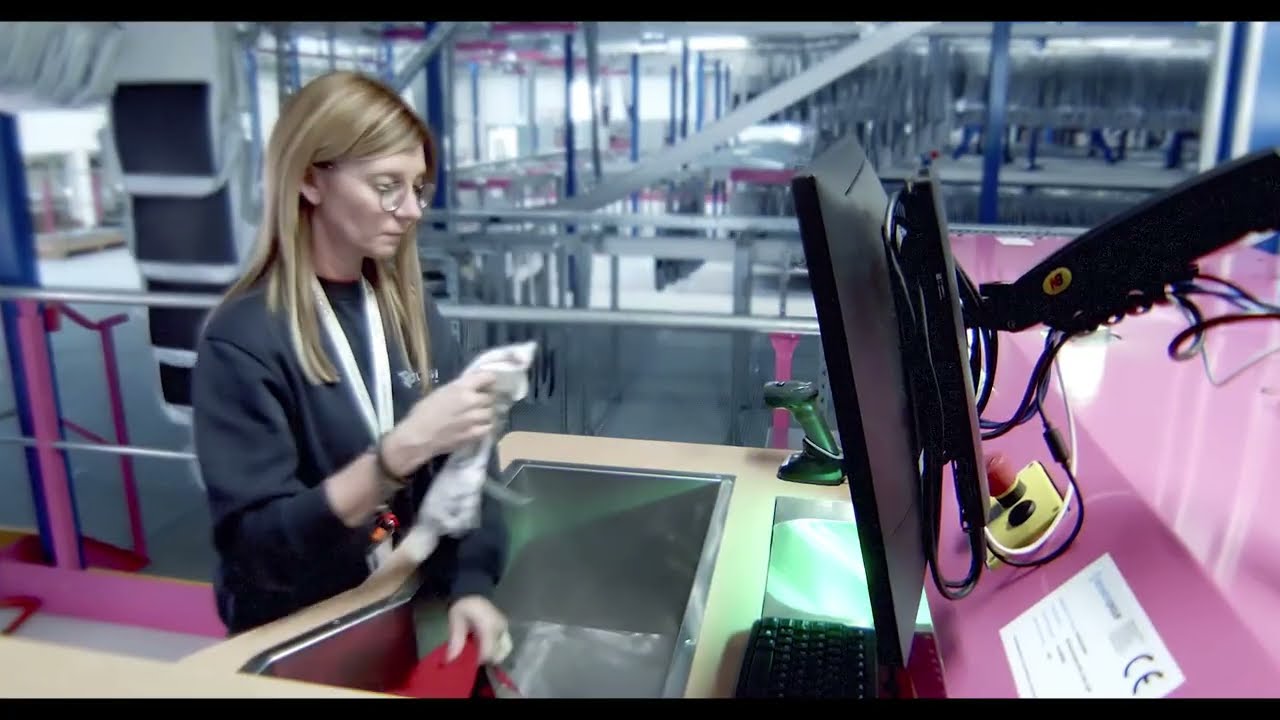
Calzedonia Group Italian Distribution Center Pouch System
Calzedonia Group implemented BEUMER Group's BG Pouch System to expand fulfillment and returns capacity within its existing Italian distribution center, saving floor space with a ceiling-mounted design.
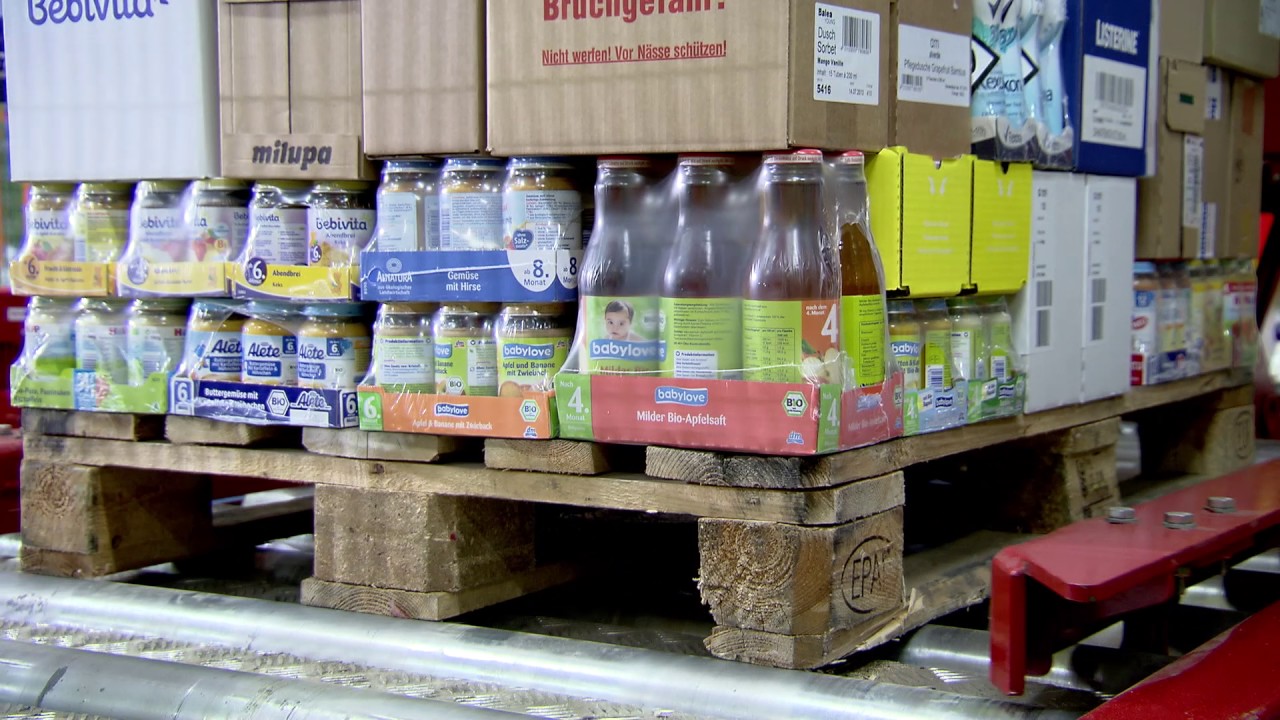
dm-drogerie markt Weilerswist Logistics Center Packaging Line
dm-drogerie markt deployed BEUMER stretch hood® S systems at its central distribution center, automating high-volume pallet packaging with 90 pallets per hour per line and exceptional energy efficiency.
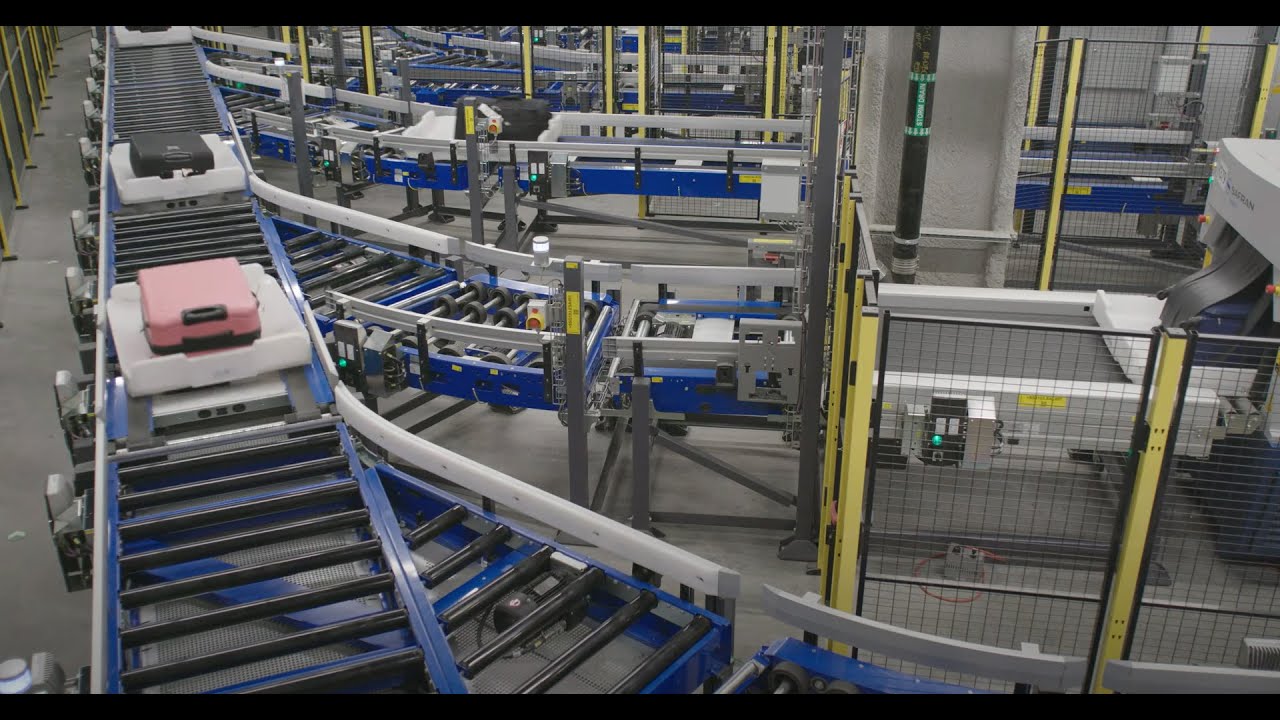
San Francisco International Airport Harvey Milk Terminal 1 Baggage Handling System
SFO partnered with BEUMER Group to deploy the United States' first Individual Carrier System (ICS) baggage handling system, enhancing efficiency and security in the new terminal.
Vendor
BEUMER GroupRelated Technologies

Sorting Technology Demonstration and Testing
EuroSort

TiltSort-Bot: Autonomous Mobile Robot (AMR) for Sortation
Conveyco
Momentum WES: Next-Generation Warehouse Execution and Control
Honeywell Intelligrated