Four-Way Pallet Shuttle System: Omni-Directional High-Density AS/RS
Quick Facts
Technology Performance Metrics
⭐Key Features
Benefits
Applications
Detailed Information
Technology Overview
The Four-Way Pallet Shuttle System represents a significant advancement in automated storage technology, designed to address the limitations of traditional two-way shuttle systems or stacker cranes. In an era where warehouse space is at a premium and operational efficiency is paramount, this system offers a transformative approach. By enabling shuttles to move not just forward and backward within a single aisle, but also laterally to adjacent aisles, it breaks free from fixed lane constraints. This omni-directional capability, combined with intelligent software control, allows for a dramatic rethinking of storage layout, prioritizing maximum density and speed while also incorporating energy-efficient design principles.
How It Works
Core Principles
The core principle is the use of autonomous shuttle vehicles that can travel in four directions within a dense grid of racking. They operate on rails at each storage level and can change their travel direction (moving longitudinally or laterally) to access any pallet location on their tier without being confined to a single aisle.
Key Features & Capabilities
True Omni-Directional Movement: This is the defining feature. Unlike two-way shuttles confined to a single lane, these shuttles can move left, right, forward, and backward. This allows a single shuttle to service multiple storage lanes on the same level, eliminating the need for a dedicated shuttle per aisle or complex transfer mechanisms.
High-Density Storage Optimization: The system is engineered to utilize both vertical space (through multi-level racking) and horizontal space efficiently. By drastically reducing the number of permanent access aisles—since shuttles can cross between storage lanes—it packs a significantly higher number of pallets into the same building footprint.
Intelligent, Automated Control: The system is not just about hardware movement. It is integrated with a sophisticated Warehouse Management System (WMS) that automates the precise placement and retrieval of pallets. The WMS intelligently assigns storage locations and tasks to shuttles, optimizing travel paths and inventory rotation.
Advantages & Benefits
Superior Space Utilization and Throughput: The combination of omni-directional movement and reduced aisle count leads to maximized storage density, allowing more inventory in a smaller area. Concurrently, the flexible shuttle routing decreases travel distances for retrieval tasks, speeding up operations and boosting overall system throughput.
Reduced Operational Costs and Manual Labor: Automation of pallet placement and retrieval minimizes the need for manual intervention with forklifts, reducing labor costs and improving safety. The smart WMS further streamlines operations, minimizing errors and optimizing workflow.
Enhanced Energy Efficiency and Sustainability: Engineered with efficiency in mind, the system consumes less energy than conventional automated storage systems or a fleet of forklifts. This translates directly into lower operational energy bills and a reduced carbon footprint, aligning with corporate sustainability goals.
Implementation Considerations
Adopting a Four-Way Pallet Shuttle System is a strategic upgrade from more traditional systems. It requires careful planning of the racking grid and shuttle fleet size to meet specific throughput demands. The integration of the WMS is critical to realizing the full benefits of smart automation. While offering long-term savings, the initial investment for the system hardware, software, and installation is significant and must be justified by gains in space, efficiency, and operational cost reduction.
Use Cases & Applications
Ideal For
This system is ideal for warehouses and distribution centers with high volumes of palletized goods where storage space is a major constraint or cost factor. It is particularly beneficial for operations looking to expand capacity without expanding their building footprint.
Conclusion
The Four-Way Pallet Shuttle System presents a compelling solution for modern warehouses seeking to revolutionize their storage operations. By surpassing the limitations of two-way systems and stacker cranes with omni-directional movement, it delivers unmatched storage density and operational speed. When combined with smart warehouse management software and an energy-efficient design, it offers a holistic upgrade path: smarter automation, faster retrieval, and a more sustainable operation. For businesses aiming to optimize their footprint, reduce costs, and future-proof their logistics, transitioning to a Four-Way Pallet Shuttle System represents a strategic investment in efficiency and growth.
Related Knowledge
Storage
Storage is the warehouse process of holding inventory in organized locations until needed, balancing space utilization, accessibility, and inventory control to support efficient operations.
Transport
Transport is the warehouse process of moving materials, products, and equipment between locations within the facility to support receiving, storage, picking, and shipping operations.
Cold Storage Strategy
Cold storage and temperature-controlled warehousing are critical for preserving perishable goods throughout the supply chain. From frozen foods to pharmaceuticals, these specialized facilities maintain precise temperature conditions while optimizing energy efficiency and operational performance.
Vendor
BlueSwordRelated Technologies
Double Deck Trailer Chain Track System
AncraSystems

Dark Warehouse: Fully Automated Warehouse Operations
Addverb
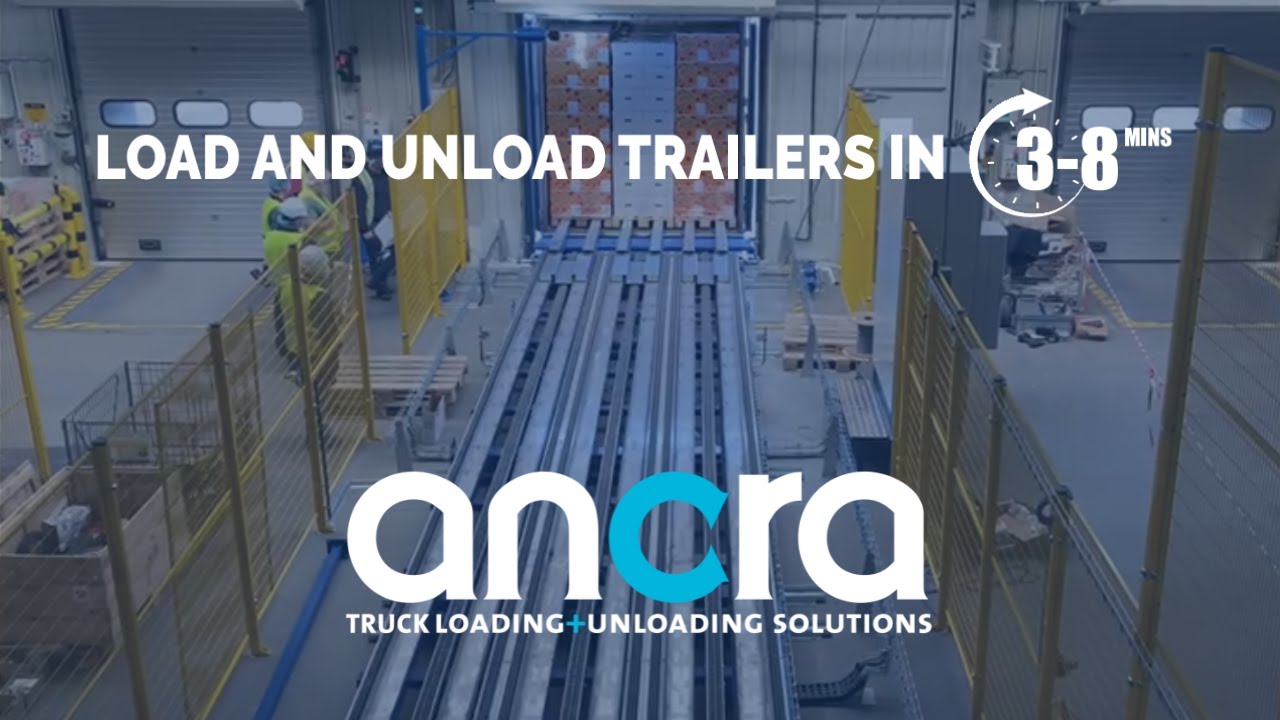
LoadRunner Plus: Non-Modified ATLS for Automated One-Shot Pallet Loading & Unloading
Ancra Systems