Cross Tray Sorter: High-Speed Sorting for Non-Conveyable Items
Quick Facts
Technology Performance Metrics
⭐Key Features
Benefits
Applications
Detailed Information
Technology Overview
EuroSort's Cross Tray Sorter represents a significant innovation in the field of automated sortation, specifically targeting a category of items that has traditionally challenged high-speed sorting systems: non-conveyable, fragile, and lightweight goods. Many conventional sorters struggle with items that cannot be easily conveyed on belts or that require gentle handling. This technology aims to disrupt the industry by providing a viable high-speed solution for these problematic items. The core of the innovation lies in its divert mechanism—a positive mechanical system that can sort items to both the left and right, without relying on expensive and complex motors installed in each individual carrier tray. This approach allows the system to achieve throughputs of up to 9,600 items per hour while handling products that were previously considered "unsortable" at such speeds.
How It Works
Core Principles
The system operates as a tilt-tray or cross-tray sorter where items are carried in trays. The key differentiator is the discharge mechanism. Instead of each tray having its own motorized tilt mechanism, a centralized, positive mechanical divert system interacts with the trays as they pass by. This external mechanism physically engages with the tray to tip it to the left or right, discharging the item into the appropriate sortation chute. This design simplifies the individual carriers and centralizes the actuation.
Key Features & Capabilities
Handling of Challenging Items: The primary capability is sorting "non-conveyable, fragile, and lightweight items." This includes bags of clothing, poly-mailers, padded envelopes, and other items that do not slide easily on belts or are easily damaged.
Simple, Motorless Carrier Design: By avoiding expensive motors and complex electronics in each tray, the system aims for higher reliability, lower carrier cost, and reduced maintenance compared to traditional tilt-tray sorters.
Bidirectional Positive Mechanical Divert: The ability to sort both left and right with a robust mechanical action provides sorting flexibility and ensures reliable discharge even for lightweight items that might not slide off a gently tilted tray.
Advantages & Benefits
The main advantage is opening high-speed automation to a new class of products, significantly expanding the scope of what can be efficiently sorted in facilities like e-commerce fulfillment centers. The simplified carrier design promises lower capital cost per carrier and potentially higher system uptime due to fewer points of failure. High throughput for delicate items enables faster order processing and reduces manual handling, improving both efficiency and product safety. The technology solves a recognized industry problem, offering a specialized tool where general-purpose sorters fall short.
Implementation Considerations
As a disruptive technology, thorough testing with the specific item mix of a facility is crucial to validate performance claims. The mechanical divert system, while simpler at the carrier level, is a critical centralized component whose reliability must be exceptional. The system is specialized; it may not be the optimal choice for facilities that primarily handle standard, conveyable cardboard boxes.
Use Cases & Applications
Ideal For
The Cross Tray Sorter is ideal for e-commerce operations with a high proportion of soft goods (apparel, bedding), fragile items, and shipments in polybags or non-rigid packaging. It is also suitable for parcel services handling a large volume of lightweight, irregular parcels.
Conclusion
EuroSort's Cross Tray Sorter introduces a compelling and specialized solution to a persistent challenge in logistics automation. By rethinking the tray discharge mechanism with a centralized, positive mechanical approach, it targets the high-speed sorting of items that have historically resisted automation. For businesses whose product mix is dominated by non-conveyable or fragile goods, this technology could represent a breakthrough, enabling labor savings and throughput levels previously unattainable. While its specialized nature means it is not a universal sorter, its potential impact on sectors like e-commerce fashion is significant. Adopters should conduct detailed pilot testing to ensure the system meets their specific item-handling and throughput requirements.
Related Projects
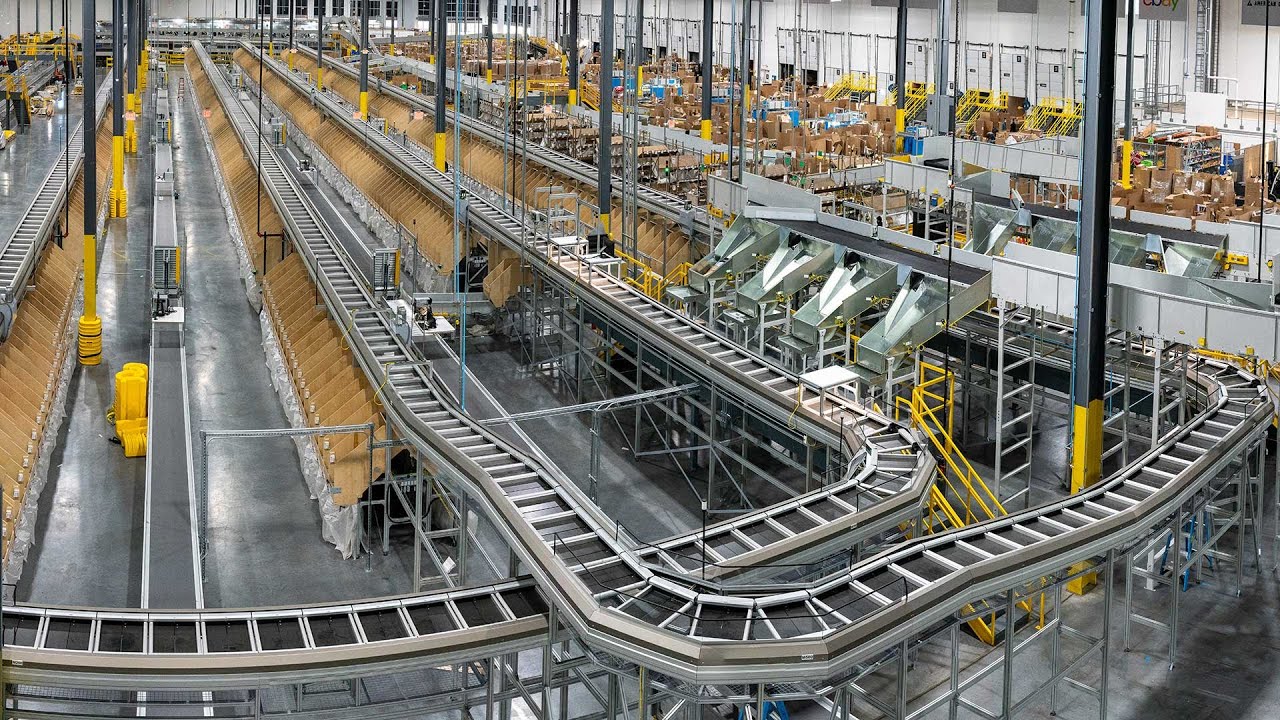
Pitney Bowes Facility High Throughput Sortation
Pitney Bowes installed a EuroSort Single Split Tray (Bomb Bay) Sorter to maximize the number of sort destinations within a limited area, reducing manual touches and errors.
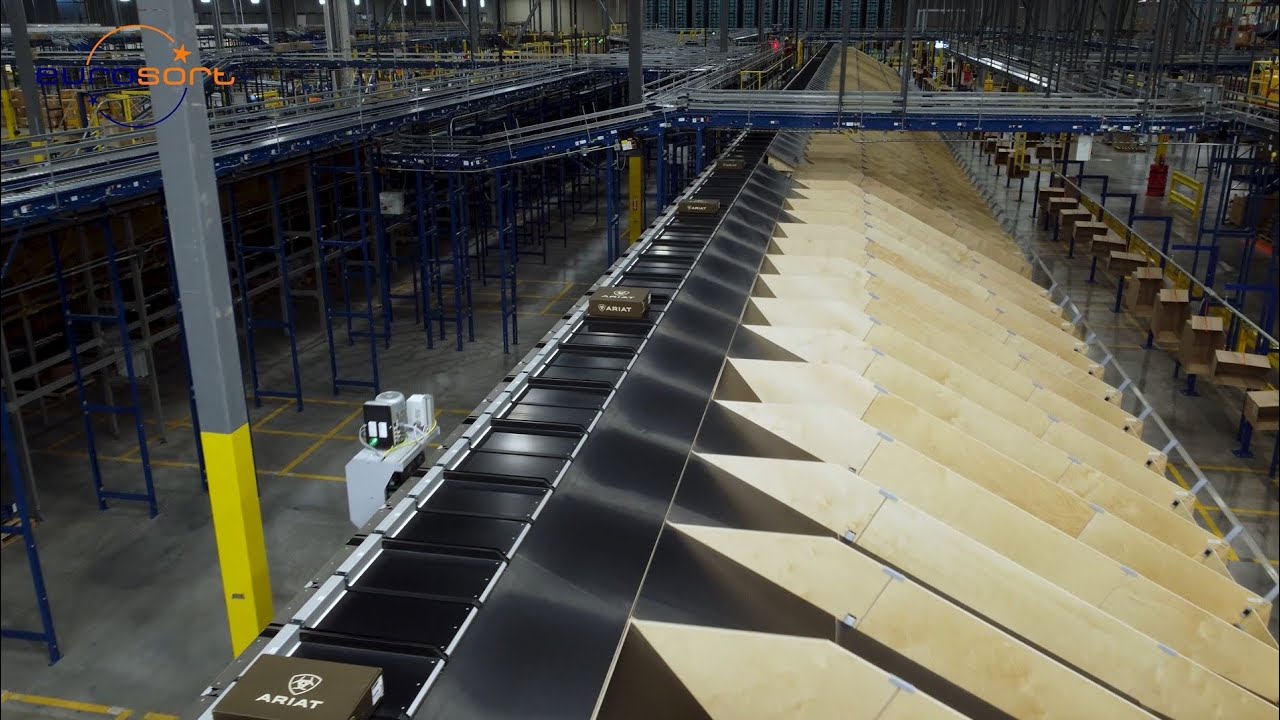
Ariat Wholesale Footwear & Apparel Order Fulfillment Center
A wholesale footwear and apparel brand automated order consolidation with the EuroSort Twin Push Tray Sorter, integrating Exotec and Geek+ robotic picking to process up to 16,000 items per hour.
Dongfeng Motor R&D Center Smart Logistics Warehouse
A compact 470㎡ intelligent warehouse with 15-level high-density storage supporting 10,000+ SKUs for automotive R&D supply chain optimization.
Vendor
EuroSortRelated Technologies
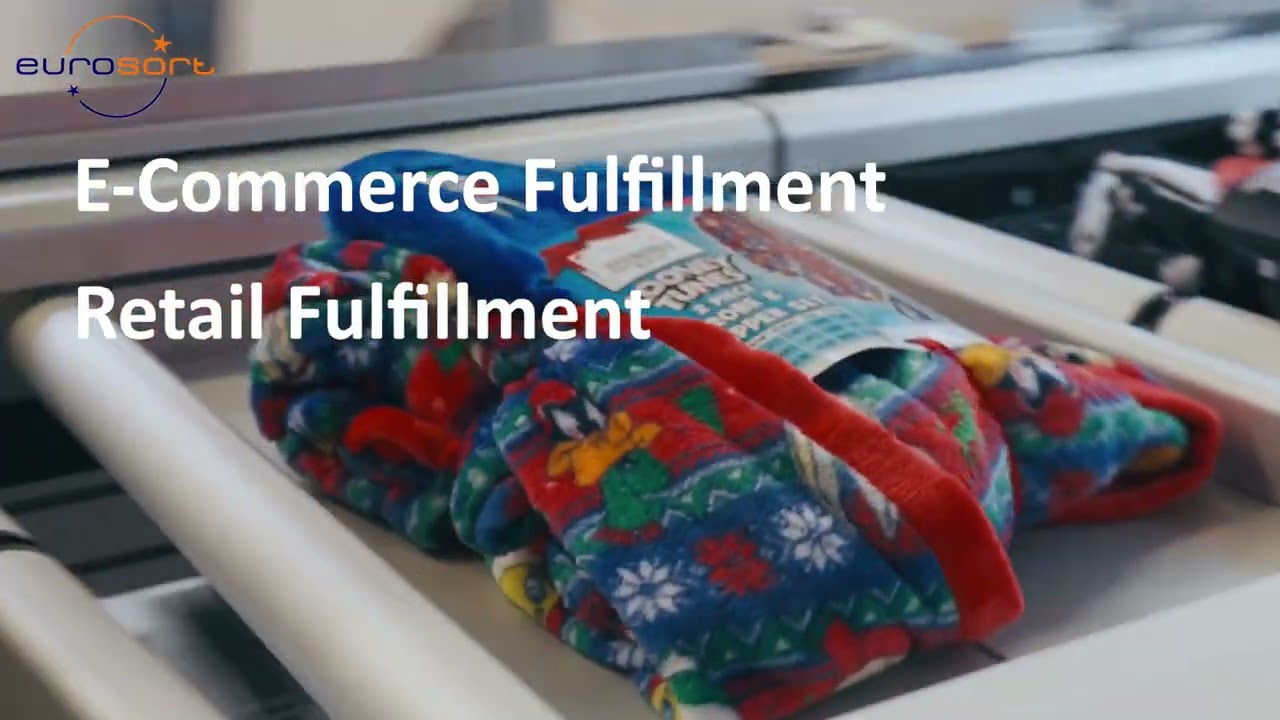
Sorting Technology Demonstration and Testing
EuroSort

Split Tray (Bomb Bay) Sorter Compilation: Versatile High-Speed Sortation
Others

TiltSort-Bot: Autonomous Mobile Robot (AMR) for Sortation
Conveyco