Automated Packaging on Demand System
Quick Facts
Technology Performance Metrics
⭐Key Features
Benefits
Applications
Detailed Information
Technology Overview
Automated Packaging on Demand systems represent a sophisticated approach to the final step in the order fulfillment process: packaging items for shipment. This technology addresses key pain points in e-commerce and direct-to-consumer operations: high labor costs for manual packing, excessive shipping charges due to poorly sized boxes (DIM weight penalties), and material waste from using standard box sizes. By automating the entire process from box creation to sealing and labeling, these systems eliminate guesswork and inconsistency, ensuring each order is packed in an optimally sized container. This not only drives down operational costs but also enhances customer experience through better package presentation and potentially faster throughput.
How It Works
Core Principles
The core principle is automated "right-sizing." The system determines the minimal box dimensions required to safely contain all items in a specific order. It then automatically constructs a corrugated box to those exact specifications, places the items inside, seals the box, and applies the shipping label—all without manual intervention.
Key Features & Capabilities
Dynamic Box Right-Sizing: The system's most impactful feature is its ability to create a box tailored to the exact dimensions of each order's contents. This directly attacks the problem of "dead space" in parcels, which drives up dimensional weight (DIM) shipping costs.
End-to-End Process Automation: It automates the entire suite of manual packing tasks: selecting (or creating) a box size, erecting the box, inserting dunnage if needed, sealing the box, and applying the shipping label, creating a truly "labor-free" packing line.
Modular 'RightFit' Design: The system is not a one-size-fits-all solution. Its hardware and software components are modular, allowing it to be configured to match a specific client's order volume, product characteristics, and facility constraints, whether as a retrofit or in a new build.
Advantages & Benefits
The most direct financial benefits are a significant reduction in shipping costs (through DIM weight optimization) and labor costs (by automating a high-headcount process). Material costs are also reduced by minimizing corrugated usage. Operationally, the system increases throughput consistency, reduces packing errors (improving order accuracy), and creates a more standardized, professional-looking outbound parcel. It also allows human labor to be redeployed to more value-added tasks.
Implementation Considerations
Successful implementation requires accurate item dimension and weight data within the WMS or WCS. The system must handle the full range of product sizes and types shipped. For retrofit installations, careful planning is needed to integrate the automated line with existing conveyors and workflows. The financial justification hinges on a detailed analysis of current shipping costs, labor costs, and material waste, compared against the system's throughput capabilities and initial investment.
Use Cases & Applications
Ideal For
This technology is ideal for medium to high-volume e-commerce retailers, omnichannel fulfillment centers, and 3PLs that ship a diverse mix of products directly to consumers and are heavily impacted by dimensional shipping rates and manual packing labor costs.
Performance Metrics
Key performance indicators include orders packed per hour, reduction in average package size (cubic volume), percentage reduction in corrugated material used, and labor hours saved per shift. The ultimate metric is the reduction in cost per shipped order, encompassing shipping, labor, and materials. The system's ROI is typically calculated based on these direct savings.
Conclusion
Automated Packaging on Demand systems offer a compelling automation opportunity for modern fulfillment operations. By solving the interrelated problems of high shipping costs, labor-intensive packing, and material waste, they deliver a strong and measurable return on investment. For companies looking to improve their bottom line and operational scalability in the face of rising costs and customer demand, implementing a modular system like Conveyco's represents a strategic step towards a more efficient, cost-effective, and automated shipping operation.
Vendor
ConveycoRelated Technologies
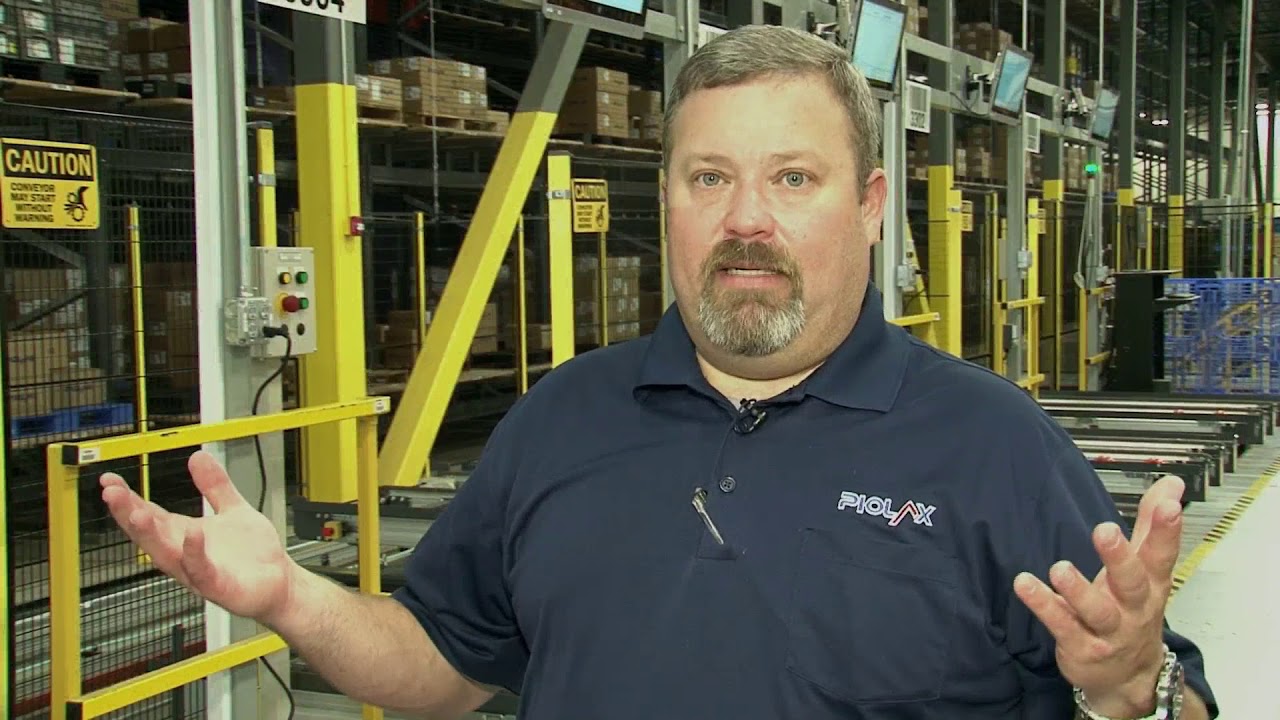
Piolax Canton Georgia Automotive Parts Distribution Center
Daifuku

Meyer Corporation USA Cookware Distribution Center
Daifuku

TiltSort-Bot: Autonomous Mobile Robot (AMR) for Sortation
Conveyco