L.L.Bean - Freeport Maine Distribution Center Sortation Modernization
⭐Key Features
- •Conversion from two-pass to single-pass sortation system, increasing capacity from 18,000 to 37,000 units per hour
- •Virtual machine expansion (2 to 4) optimizing sorter utilization for omnichannel order processing
- •Real-time visibility to wave progress, picking, sorting, and order completion for end-to-end workflow management
- •Seamless overnight system transition with no operational downtime
- •Dedicated on-site BEUMER software engineering support for system implementation and training
- •High-speed, accurate order assembly for large batches converted to individual orders
Results & Benefits
- Doubled distribution center capacity cost-effectively without facility expansion
- Increased sortation throughput from ~18,000 to 37,000 units per hour
- Enabled efficient omnichannel order fulfillment to match expected business growth
- Achieved real-time workflow visibility, optimizing staff allocation and operational efficiency
- Created a better work environment with consistent task flow for warehouse personnel
- Extended the operational life of the 1996-opened facility, avoiding the need for a new fulfillment center
Challenges & Solutions
Outdated two-pass sortation system limiting capacity (18,000 units/hour) for growing omnichannel demand
BEUMER Group implemented a single-pass system with 4 virtual machines, boosting capacity to 37,000 units/hour
Need to maximize existing facility utilization instead of building a new fulfillment center
System modernization doubled capacity cost-effectively, retaining operations in Maine
Seamless overnight system transition with no fallback to old system
BEUMER provided after-hours testing, on-site support, and training to ensure successful go-live
Ensuring team readiness for new software and processes
On-site BEUMER software engineer provided simplified training, accelerating knowledge adoption
Project Overview
Project Overview
L.L.Bean, a century-old Maine-based company renowned for its outdoor gear and iconic duck boots, sought to modernize its Freeport distribution center—originally opened in 1996—to meet growing omnichannel order demands. As the business expanded and customer expectations evolved, the existing two-pass sortation system became a bottleneck, limiting capacity to 18,000 units per hour and threatening the need for a new fulfillment center that would displace local jobs.
The core objectives were to maximize the existing facility’s potential, double operational capacity cost-effectively, and establish a flexible infrastructure to support future growth—all while retaining operations in Maine. L.L.Bean required a solution that could handle omnichannel order fulfillment efficiently, provide real-time operational visibility, and ensure a seamless transition without disrupting ongoing operations.
BEUMER Group was selected as the strategic partner to deliver the sortation modernization, based on both its technical capabilities and collaborative approach. The partnership focused on converting the outdated two-pass system to a single-pass configuration, while providing hands-on support to ensure smooth implementation and team readiness.
Technical Solution
Single-Pass Sortation System Conversion
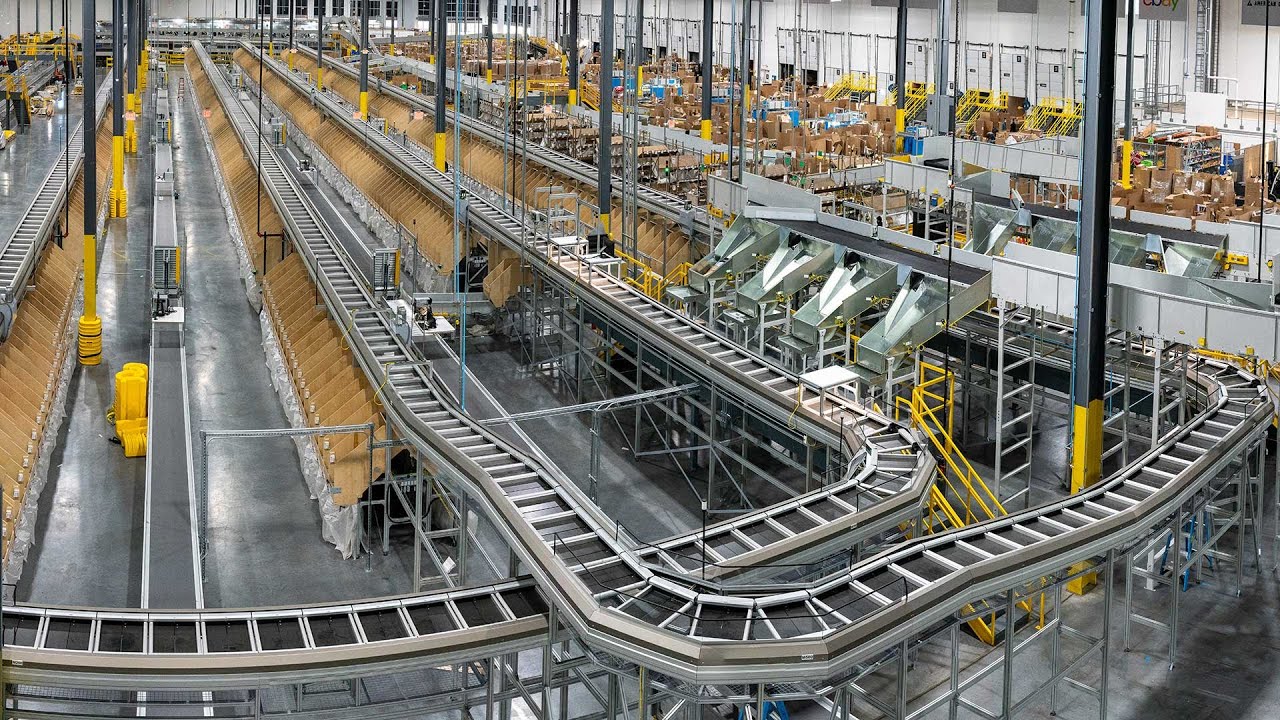
BEUMER Group’s core solution was converting L.L.Bean’s two-pass sortation system to a single-pass configuration. This transformation eliminated the need to route orders through the sorter twice, significantly reducing processing time. By reconfiguring the system to operate as four virtual machines (up from two), the sorter’s utilization was optimized, boosting throughput from 18,000 to 37,000 units per hour. The single-pass design streamlines order flow, from picking to sorting and packing, enabling efficient handling of large batches converted to individual orders.
Momentum WES: Next-Generation Warehouse Execution and Control
Vendor: Honeywell Intelligrated
Key Features
The conversion from two-pass to single-pass sortation is the defining feature, nearly doubling throughput from 18,000 to 37,000 units per hour. This leap in capacity directly addresses the core challenge of meeting growing omnichannel demand without facility expansion.
Real-time operational visibility provides end-to-end workflow transparency, enabling proactive management of staff and processes. This feature empowers L.L.Bean’s operations team to optimize resource allocation and maintain consistent order flow.
The overnight system transition—supported by BEUMER’s after-hours testing and on-site support—ensures minimal disruption to critical fulfillment operations. This seamless changeover is a testament to the thorough planning and collaborative partnership.
On-site software engineering support from BEUMER accelerated team readiness, with simplified training that avoided technical jargon. This approach ensured L.L.Bean’s staff could quickly master the new system and processes.
The expansion from two to four virtual machines maximizes sorter utilization, extracting more capacity from the existing hardware. This cost-effective optimization eliminates the need for costly equipment replacement.
Results & Benefits
The project’s most significant achievement is doubling the distribution center’s capacity cost-effectively, extending the life of the 1996 facility and avoiding the need for a new fulfillment center. This outcome aligns with L.L.Bean’s strategy to retain jobs in Maine.
Sortation throughput increased from approximately 18,000 to 37,000 units per hour, enabling the facility to handle growing omnichannel order volumes and support future business growth.
Real-time workflow visibility has transformed operational efficiency, allowing the team to optimize staff allocation, reduce bottlenecks, and maintain consistent order flow. This data-driven approach improves decision-making and resource utilization.
The seamless overnight transition ensured no operational downtime, preserving customer satisfaction and avoiding order delays. The on-site training and support enabled rapid team adoption, minimizing productivity losses.
The new system creates a better work environment by keeping consistent tasks in front of warehouse personnel (sorting, picking, packing), reducing idle time and enhancing job satisfaction.
By retaining operations in Maine and avoiding facility expansion, L.L.Bean achieved its strategic goal of keeping work local while controlling costs.
Challenges & Solutions
L.L.Bean’s primary challenge was an outdated two-pass sortation system that limited capacity to 18,000 units per hour, unable to keep up with omnichannel growth. BEUMER’s solution was a single-pass system with four virtual machines, boosting throughput to 37,000 units per hour and eliminating the bottleneck.
A second key challenge was the desire to maximize the existing facility instead of building a new fulfillment center (which would increase costs and displace local jobs). The system modernization doubled capacity cost-effectively, extending the facility’s operational life and retaining Maine-based operations.
The third challenge was executing an overnight system transition with no fallback to the old system—a high-risk undertaking. BEUMER mitigated this by conducting extensive after-hours testing, providing on-site engineering support, and delivering simplified training, ensuring a smooth go-live with no downtime.
Finally, ensuring L.L.Bean’s team could quickly adopt the new software and processes was critical. BEUMER’s dedicated on-site software engineer provided tailored, jargon-free training, accelerating knowledge adoption and enabling the team to operate the new system effectively from day one.
System Integrator
BEUMER Group served as the strategic system integrator and technology partner for the project, delivering the complete sortation modernization solution. The company’s expertise in high-speed sortation systems and omnichannel fulfillment was critical to designing a solution that met L.L.Bean’s capacity and operational needs.
BEUMER’s responsibilities included system design, converting the two-pass to single-pass configuration, software upgrades, on-site testing, and training. The company’s commitment to collaboration—exemplified by the dedicated on-site software engineer—set it apart, ensuring the project aligned with L.L.Bean’s operational realities.
The successful implementation reflects BEUMER Group’s ability to deliver not just technology, but a true partnership. By understanding L.L.Bean’s business priorities (retaining local jobs, cost-effectiveness, seamless transition), BEUMER delivered a solution that exceeded operational goals while supporting the company’s strategic vision. The partnership has endured beyond implementation, with both teams knowing each other by name and working collaboratively to maintain and optimize the system.
Project Gallery
Related Technologies (6)
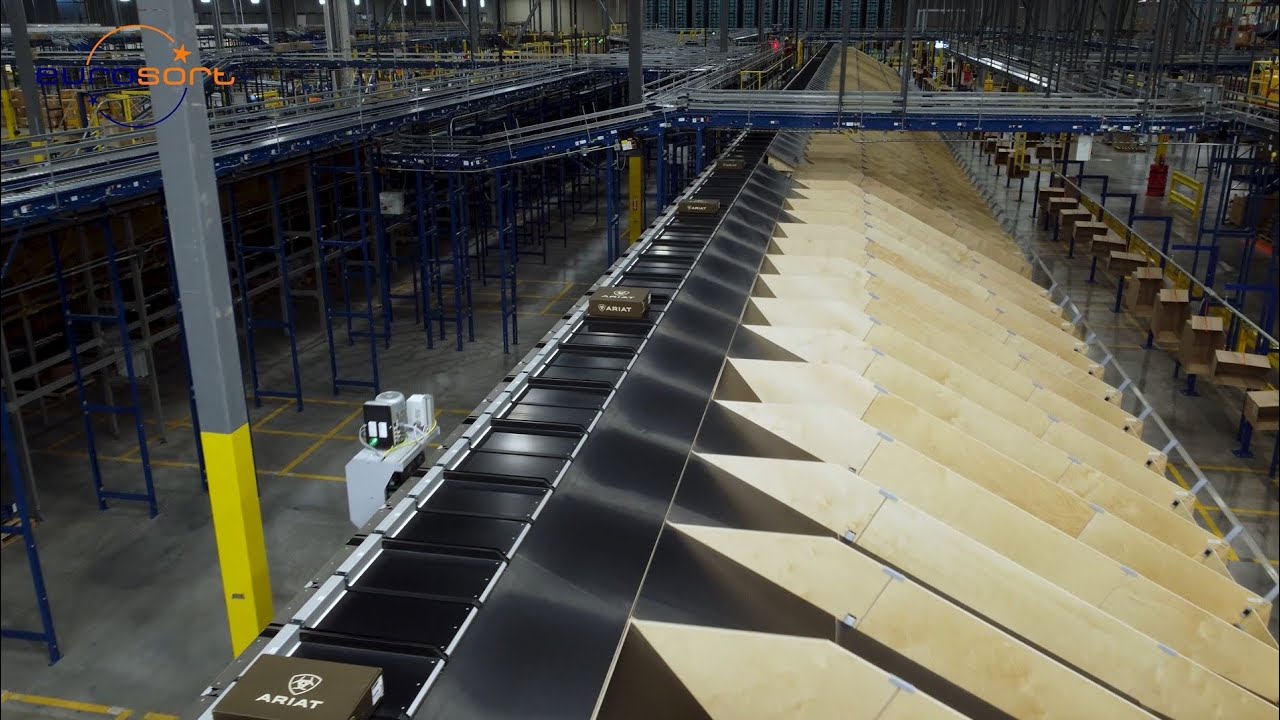
Sorting Technology Demonstration and Testing
byEuroSort
TiltSort-Bot: Autonomous Mobile Robot (AMR) for Sortation
by Conveyco
Momentum WES: Next-Generation Warehouse Execution and Control
byHoneywell Intelligrated
Dual Split Tray Sorter: Over-Under Apparel Store Replenishment
byEuroSort
Dual Split Tray (Bomb Bay) Sorter for 3PL E-commerce
byEuroSort
Dual Split Tray (Bomb Bay) Sorter: High-Speed Postal Sorting
byEuroSort
Related Knowledge Articles (2)
Small Load Conveyors
Small load conveyors transport individual items, totes, cartons, and packages through warehouses and distribution centers using belt, roller, or slat systems optimized for lightweight products.
Mixed Case Fulfillment Strategy
Mixed case fulfillment is a sophisticated warehouse strategy that handles orders containing multiple different products (SKUs) within the same case, pallet, or shipment. This approach requires advanced automation, intelligent software, and flexible processes to efficiently pick, pack, and ship diverse product combinations while maintaining high accuracy and productivity.
Related Projects
More from Beumer Group
More from Beumer Group »System Integrator

BEUMER Group
International Quality Leader in Intralogistics