Lifter: IoT-Enabled Vertical Conveyor System
Quick Facts
Technology Performance Metrics
⭐Key Features
Benefits
Applications
Detailed Information
Technology Overview
The X-YES Lifter represents a modern approach to vertical material handling, positioning itself as a smart, space-saving solution for contemporary warehouses and distribution centers. As e-commerce and urban logistics drive the need for higher density operations, utilizing vertical space becomes critical. This technology goes beyond traditional freight elevators or basic lifts by incorporating connectivity and customization. It is designed to serve as an automated, reliable link between different levels of a facility, moving totes, boxes, or light unit loads efficiently. By focusing on smooth operation, IoT integration, and tailored design, it aims to streamline vertical workflows, which are often a bottleneck in multi-level fulfillment and production environments.
How It Works
Core Principles
The system operates as a continuous vertical conveyor or a platform-based lift, moving loads between predefined elevations. The core principle involves automated vertical reciprocating or continuous motion within a compact shaft or structure. The incorporation of IoT technology allows for real-time monitoring of the system's status, performance metrics, and maintenance needs.
Key Features & Capabilities
The foundation is the patented vertical conveyor technology, suggesting a unique mechanical or design approach. It features a 70 kg load capacity, suitable for a wide range of lightweight unit loads common in e-commerce and light manufacturing. A key modern feature is that it is IoT-enabled for remote monitoring, providing data visibility and predictive maintenance capabilities. The system offers high adaptability through customizable length and width configurations, allowing it to fit specific spatial and throughput requirements. It operates as a continuous vertical conveyor, which can offer higher throughput than single-platform reciprocating lifts. The design focuses on providing a smooth and efficient lifting platform, ensuring stable transport of goods.
Advantages & Benefits
The primary benefit is that it maximizes warehouse space utilization, acting as a dedicated space optimization solution by efficiently using vertical clearance. It empowers operational efficiency by automating a manual or slow process. The reliable design provides smooth material transport, reducing product damage and downtime. By automating vertical movement, it enables staff to focus on core operations rather than transporting goods between floors.
Implementation Considerations
Implementing this system requires planning for custom configurations, which involves precise measurement and design to integrate with existing conveyor spurs or workstations. Designers and operators must note the load capacity is limited to 70 kg per unit, so it is not suitable for heavy palletized loads without specific design considerations.
Use Cases & Applications
Ideal For
This lifter is ideal for multi-level e-commerce fulfillment centers, micro-fulfillment sites, retail backrooms, and light industrial facilities where small to medium-sized items need frequent movement between mezzanines, picking levels, and processing areas.
Conclusion
The X-YES Lifter exemplifies the evolution of vertical conveyors into smart, customizable, and efficient tools for modern logistics. Its combination of a decent load capacity, IoT connectivity for smart monitoring, and the flexibility to be tailored to specific layouts makes it a compelling option for operations seeking to optimize their vertical material flow. By addressing the critical challenge of space utilization with an automated and connected solution, it contributes directly to increased throughput, better resource allocation, and enhanced operational visibility. For warehouses and distribution centers looking to modernize their inter-floor transport, the X-YES Lifter offers a focused path toward greater efficiency and density.
Vendor
OthersRelated Technologies
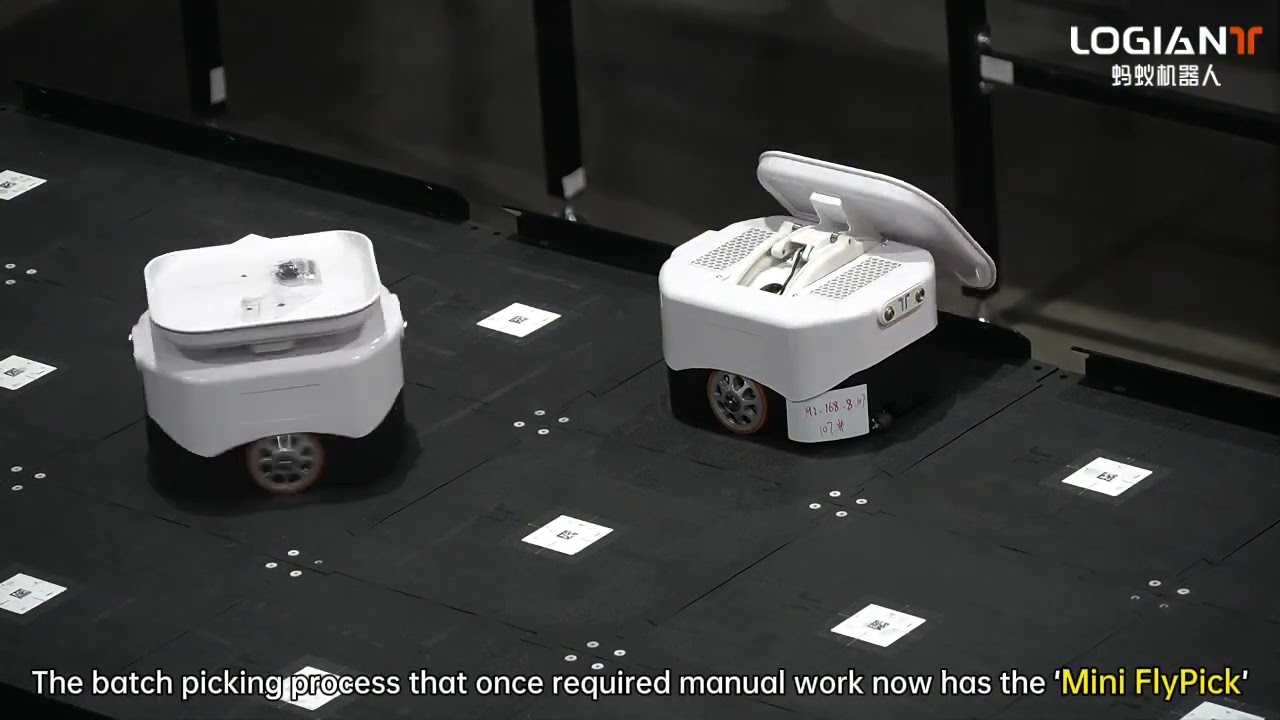
Mini FlyPick Robot: Compact High-Speed Sorting AMR
Others

Split Tray (Bomb Bay) Sorter Compilation: Versatile High-Speed Sortation
Others
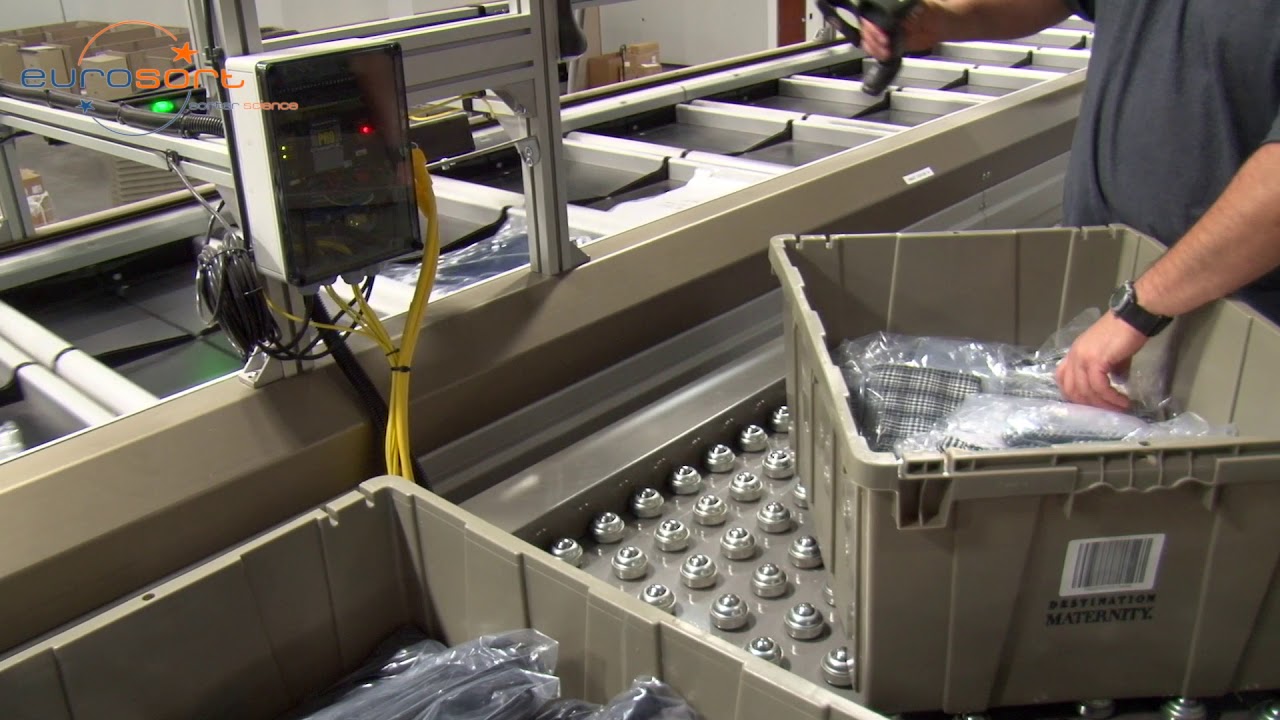
Patented Dual Split Tray (Bomb Bay) Sorter with Batch Induction
Others