Triple Chain Transfer: Modular Pallet Conveyor Module
Quick Facts
Technology Performance Metrics
⭐Key Features
Benefits
Applications
Detailed Information
Technology Overview
The Triple Chain Transfer is a specialized module within pallet conveyor systems, designed for robust and flexible directional transfer of unit loads. It addresses a common need in automated pallet handling: reliably moving pallets from one conveyor lane to another, or off a main line to a spur. By integrating the strengths of both roller and chain conveyors into a single self-contained unit, it provides a mechanically simple yet highly effective solution for creating junctions, merges, and diversions in pallet flow networks. Its modular nature and configurable options make it a fundamental building block for designing scalable and adaptable material handling systems.
How It Works
Core Principles
The unit operates on a lift-and-carry principle. It combines a static roller bed (like a roller conveyor) with a set of motorized chains that can be raised and lowered. To transfer a pallet, the chains lift it slightly off the static rollers. The moving chains then carry the pallet laterally to the desired new position (off the side, to the other side, or onto a parallel lane), before lowering it back onto the rollers of the target conveyor.
Key Features & Capabilities
Being a self-contained modular unit simplifies system design, procurement, and installation, as it arrives as a tested "plug-and-play" component. Its availability in Single, Center, or Double transfer configurations provides critical flexibility for different layout requirements, allowing designers to create complex routing logic with standard parts. The electric lift/lower action with a consistent 2-second cycle time is a significant performance feature, ensuring predictable transfer times regardless of whether the pallet is empty or fully loaded, which aids in overall line balancing and throughput calculation.
The standard speeds of 12 or 18 meters per minute for the chain movement offer options to match line pace. The core mechanical design employs static rollers with lifting/falling chains, which separates the load-bearing function (rollers) from the transfer function (chains), leading to a robust and reliable mechanism. Finally, the entire system is built on a highly configurable design using standard components, allowing a wide variety of conveyor arrangements to be created efficiently without custom engineering for every junction.
Advantages & Benefits
The robust and reliable construction ensures long service life and minimal downtime in demanding pallet handling environments. The modular design directly translates to easy installation and reduced maintenance, as units can be quickly swapped out if needed and serviced independently. It provides flexible routing options, enabling efficient space utilization and adaptable material flows to meet changing operational needs. The consistent transfer timing removes a variable from the production line, improving overall predictability and enabling tighter synchronization with upstream and downstream processes.
Implementation Considerations
Primary considerations involve selecting the correct module type (Single, Center, Double) during the design phase to achieve the desired routing logic. System designers must also ensure that the standard conveyor speeds (12 or 18 m/min) are compatible with the speeds of the connecting conveyor lines to ensure smooth merges and prevent jams. Proper alignment and leveling during installation are crucial for seamless pallet hand-off between the module and adjacent conveyors.
Use Cases & Applications
Ideal For
This transfer module is ideal for distribution centers, manufacturing plants, and automated storage systems where pallets need to be dynamically routed between multiple lanes, into workstations, or to/from AS/RS interfaces.
Conclusion
The Triple Chain Transfer module from Conveyor Units exemplifies an effective approach to pallet handling automation through standardized, high-performance components. Its robust hybrid design, operational consistency, and configuration flexibility make it an excellent choice for engineers designing reliable and scalable pallet conveyor systems. By simplifying the complex task of directional transfer, it reduces system integration risk, eases maintenance, and provides the building blocks for creating efficient and adaptable material flow networks in modern industrial and logistics facilities.
Vendor
UnknownRelated Technologies
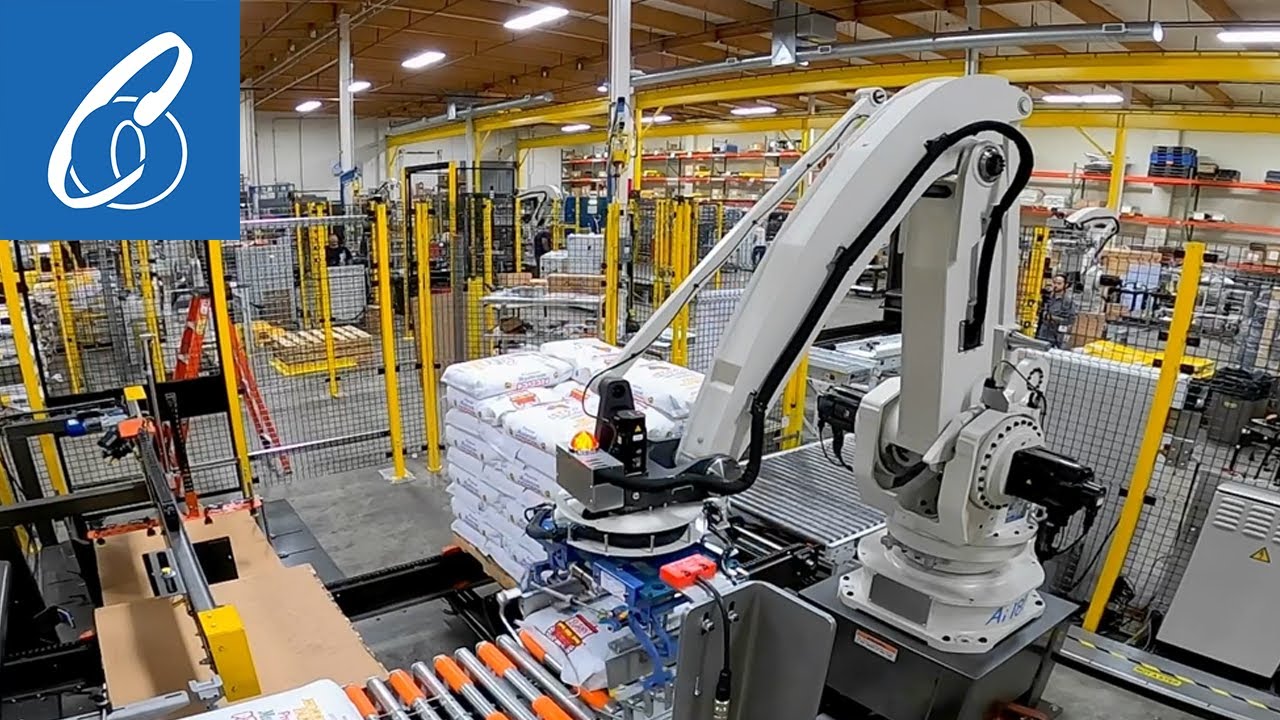
Industrial Robotic Palletizing System for Bulk Bags
Columbia/Okura LLC
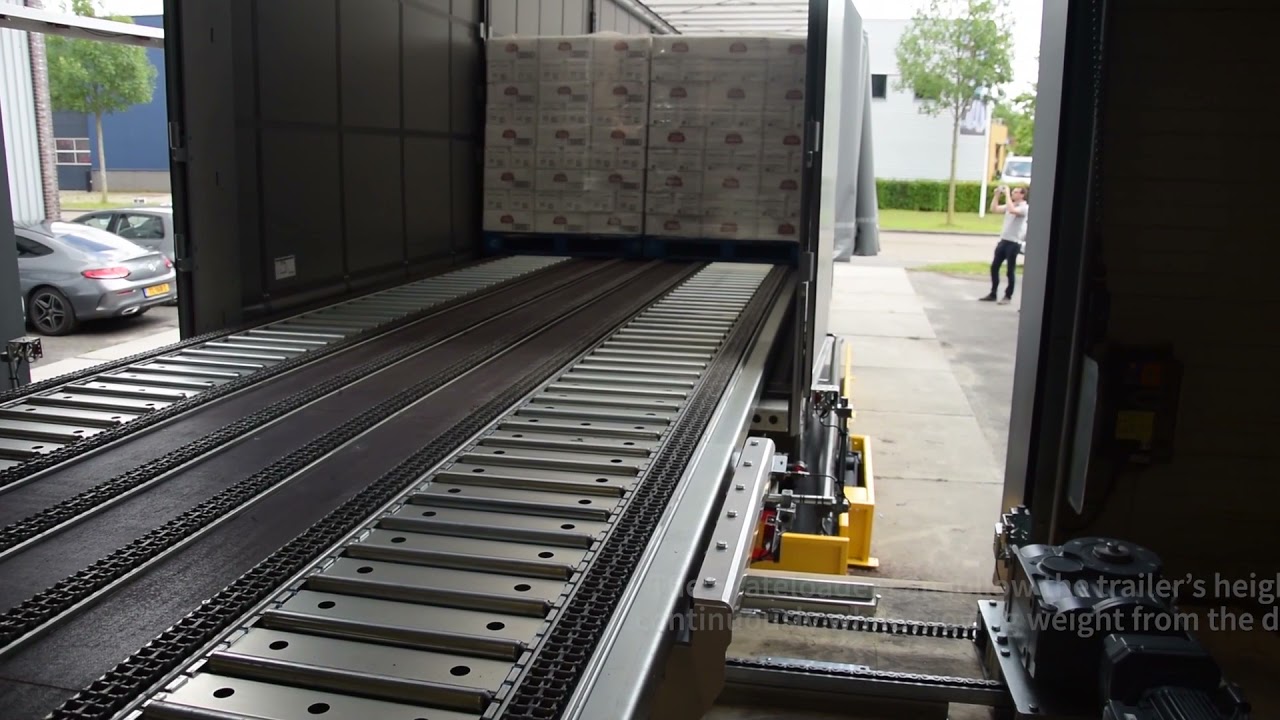
Skateloader: Automatic One-shot Loading System
Ancra Systems
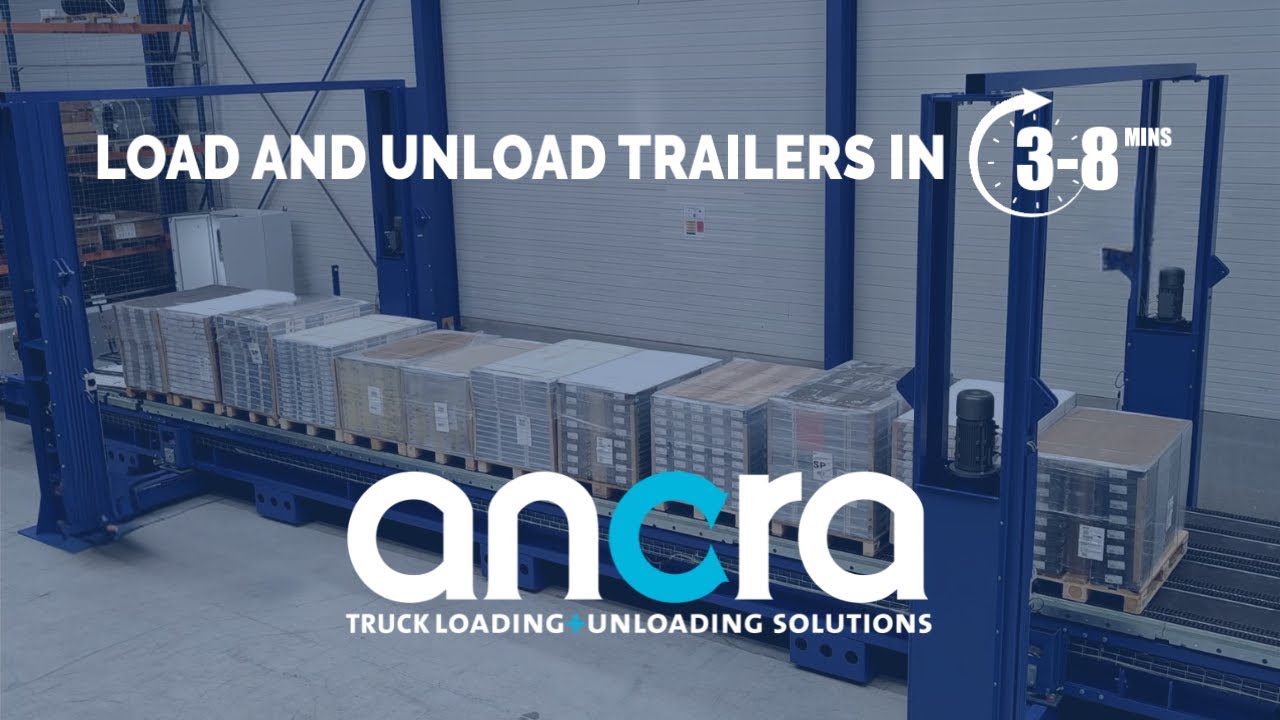
Skateloader: Automated Truck/Container Loading System with Buffer
AncraSystems